



A Deep Dive into the Nutritional Properties and Health Benefits of Chia Seeds
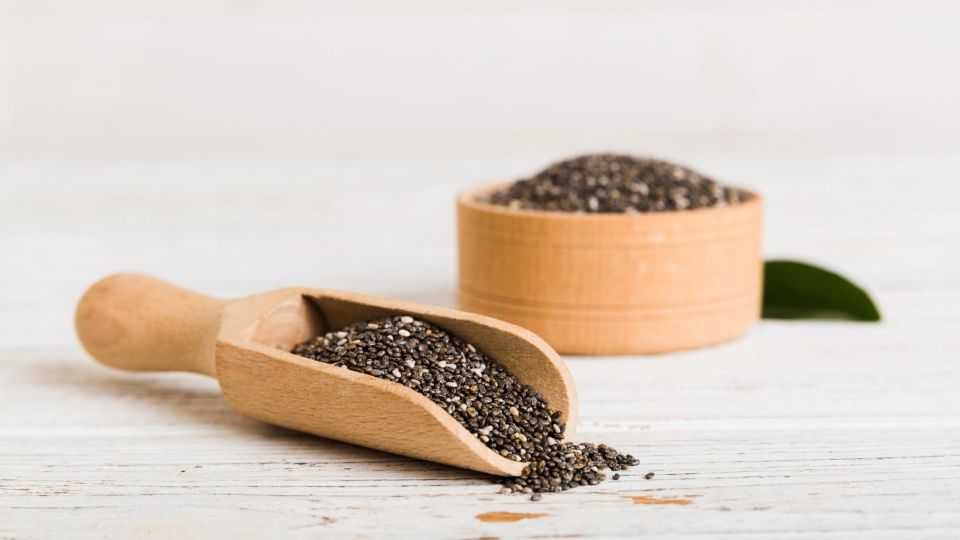
Chia seeds may be tiny, but their nutritional power is huge. Once a staple in ancient Aztec and Mayan diets, these little seeds are now celebrated worldwide as a “superfood” loaded with nutrients. What makes chia so special is its exceptional nutrient density combined with versatility; you can easily add it to nearly any meal without affecting taste.
Whether you’re aiming for better digestion, improved heart health, or a simple breakfast boost, chia seeds can be a practical and effective addition to your daily diet.
Why Chia Seeds Are Considered a Superfood
Nutrient Powerhouse: What Chia Seeds Contain
High Fiber for Better Digestion
- Just one tablespoon (about 10 g) of chia seeds delivers roughly 3–4 grams of fiber, including both soluble and insoluble types.
- Soluble fiber absorbs water and forms a gel; this helps keep you full longer, slows digestion, and can help stabilize blood sugar.
- Insoluble fiber supports healthy bowel movements and may prevent constipation.
Plant-Based Omega-3 Fats (ALA), Heart-Friendly Fats
- Chia seeds are among the richest vegetarian sources of alpha-linolenic acid (ALA), a type of omega-3 fatty acid.
- Regular ALA intake supports heart health and brain function and may help reduce inflammation.
- While not the same as fish-based EPA or DHA, ALA is very valuable, especially for vegetarians and vegans.
Protein Alternative for Plant-Eaters
- A 2-tablespoon serving of chia gives about 4–5 grams of protein.
- This plant-based protein helps support muscle repair, maintain satiety, and complement other protein sources, great for vegetarians, vegans, or anyone reducing meat intake.
Protein Alternative for Plant-Eaters
Chia seeds offer a natural supply of:
- Calcium: Supports strong bones and teeth (useful for those consuming less dairy).
- Magnesium & Phosphorus: Important for energy metabolism, nerve and muscle function, and bone health.
- Manganese & trace minerals: Important for antioxidant defenses, metabolism, and overall cellular health.
- Plus, chia is rich in polyphenols and antioxidants that combat free radicals and reduce oxidative stress, supporting long-term health and immunity.
How Chia Seeds Work in Your Body
One of the most unique features of chia seeds is their ability to absorb up to 10–12 times their weight in water. When soaked, they form a thick gel. This gel-forming ability:
- Slows digestion, leading to a more stable, prolonged release of energy.
- Promotes satiety (fullness), which can help manage appetite and reduce overeating.
- May help regulate blood sugar by slowing carbohydrate absorption and preventing sudden spikes.
So, whether you consume chia seeds as part of breakfast, a snack, or a meal, they can contribute to better digestion, steady energy, and improved fullness.
Proven Health Benefits of Chia Seeds
Why Incorporating Chia Seeds Is Good for You
Heart Health & Cholesterol Support
Including chia seeds regularly may help:
- Lower LDL (“bad”) cholesterol levels.
- Reduce inflammation, a known risk factor for heart disease.
- Improve blood pressure and overall cardiovascular health when combined with a balanced diet and active lifestyle.
Better Blood Sugar Control & Diabetes Support
Because chia delays carbohydrate digestion, it can help stabilize blood sugar levels. This may benefit:
- People with prediabetes.
- Individuals with insulin resistance.
- Those managing type 2 diabetes (when used alongside a healthy diet and medical guidance).
However, chia should not be seen as a replacement for medical treatment or prescribed medications.
Improved Digestive Health & Gut Comfort
Thanks to its high fiber content:
- Chia may help prevent constipation and promote regular bowel movements.
- It can also support a healthy gut microbiome, feeding beneficial gut bacteria.
- People who struggle with bloating or irregular digestion may benefit by gradually adding chia seeds to their meals.
Aiding Weight Management & Appetite Control
Chia seeds’ combination of fiber, protein, and water-absorption helps:
Increase the feeling of fullness, reducing overall calorie intake.
Stabilize hunger, helpful for healthy weight control when coupled with balanced meals and regular activity. This makes chia seeds a useful addition to a weight loss diet program focused on nutrition and long-term sustainability.
Anti-Inflammatory & Antioxidant Effects
The omega-3 fats and antioxidants in chia may help reduce chronic inflammation, potentially lowering the risk of conditions like heart disease, metabolic issues, and joint problems.
How to Add Chia Seeds to Your Daily Diet: Simple & Delicious Ways
Chia seeds have a mild flavor, making them easy to incorporate. Here are some easy, tasty ideas:
- Chia pudding: Mix 3–4 tablespoons of chia seeds with 1 cup (250 ml) of milk or plant-based milk. Refrigerate overnight, top with fruits, nuts, or honey.
- Smoothies: Add 1–2 tablespoons to your smoothie for thickness, fiber, and extra nutrients.
- Breakfast bowls: Sprinkle chia on oats, yogurt, cereal, or fruit bowls.
- Baking: Use ground chia for bread, muffins, cookies, or homemade energy bars to boost nutrition.
- Salads and soups: Stir in a tablespoon for extra fiber and nutrients.
- Vegan “chia egg” substitute: Mix 1 tablespoon of ground chia with 3 tablespoons of water; wait ~5–10 minutes until it gels, use as an egg replacement in baking.
These simple uses make it easy to enjoy chia’s benefits without changing the flavor or texture of your meals.
Who Should Be Cautious with Chia Seeds
While chia seeds are safe and healthy for most people, some should exercise caution:
- If you have swallowing or esophageal issues, always soak chia before eating; dry chia swells and may be a choking risk.
- If you follow a low-fiber diet or have a sensitive digestive system, start with small amounts and gradually increase intake.
- If you have blood-thinning medication or surgery scheduled, because of omega-3’s mild anticoagulant effects, consult a doctor before regular chia intake.
- If you have allergies or seed sensitivities, watch for digestive discomfort or allergic reactions.
Conclusion: Is Chia the Right Superfood for You?
Chia seeds are among the easiest, yet most nutritious, foods you can include in your daily diet. Rich in fiber, omega-3 fats, antioxidants, protein, and essential minerals, chia supports heart health, digestion, stable energy, weight management, and overall wellness.
That said, they’re not magic bullets. For best results, use chia alongside a well-balanced diet, regular exercise, and a healthy lifestyle. Adding just a tablespoon or two times a day, whether in your smoothie, pudding, salad, or breakfast bowl, can offer a meaningful, long-term boost to your health.
By
Nivetha Ashokkumar
FAQs
How many chia seeds should I eat per day?
For most people, 1–2 tablespoons (around 10–20 grams) of chia seeds per day is enough to enjoy health benefits. If you’re new to chia or have a sensitive digestive system, start with 1 tablespoon and increase gradually.
Should I soak chia seeds before eating?
Yes, soaking chia seeds (in water, milk, or plant-based milk) is ideal. Soaked chia forms a gel that’s easier to digest and reduces the risk of choking. Avoid eating large amounts of dry chia seeds.
Can chia seeds help with weight loss?
Chia seeds can support weight management by increasing fullness and reducing overeating thanks to their fiber and water-absorption properties. However, they’re not a standalone solution; effective weight loss still requires a balanced diet and regular exercise.
Are chia seeds safe for people with diabetes?
Chia seeds’ gel-forming ability slows carbohydrate absorption, which may help stabilize blood sugar levels. They can be a helpful dietary addition for people with prediabetes or type 2 diabetes but should not replace prescribed medication or professional medical advice.
Can vegetarians and vegans benefit from chia seeds?
Absolutely. Chia seeds provide plant-based protein, omega-3 (ALA), calcium, magnesium, and fiber; nutrients sometimes find it harder to get on vegetarian or vegan diets.
Do chia seeds have any side effects?
Most people tolerate chia well, but side effects may include bloating or gas if consumed in large amounts or without enough water. People with swallowing difficulties should avoid dry chia. If you have medication that affects blood clotting, consult a doctor before regular chia intake.
Loved the Post? Share It!
Book your Free Consultation Now
Just fill in the form & our Health Consultant will get in touch with you
❌ Please fill all required fields.
✅ Thank you for submitting the form Our Health Consultant will reach out to you. Please respond to that.