


How to Set SMART Goals in Fitness for Better Results
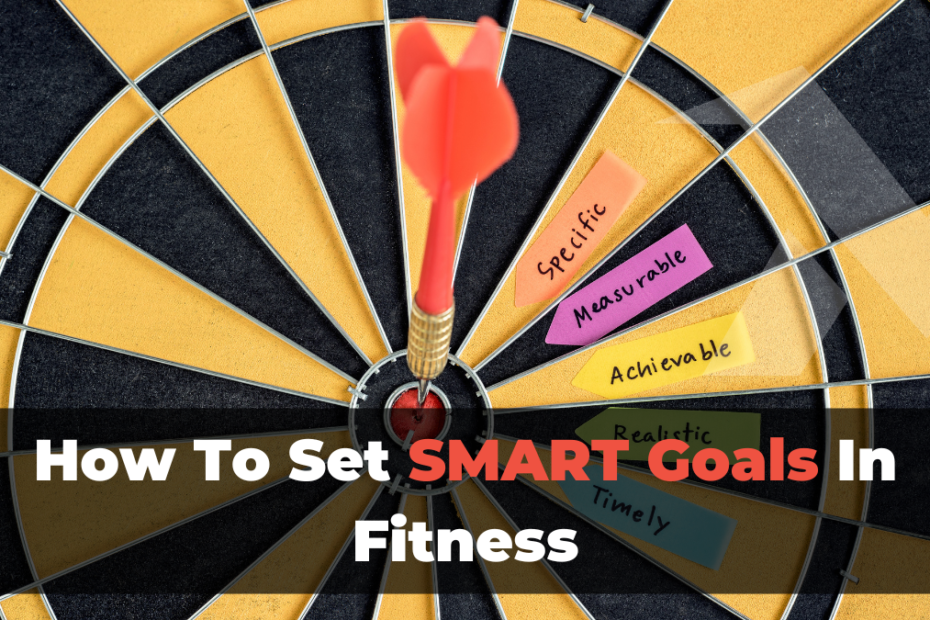
Have you heard of SMART goals in fitness? If not, don’t worry! In this blog, we’ll explain exactly what SMART goals are and how they can transform your health and fitness journey. SMART is an acronym for Specific, Measurable, Achievable, Relevant, and Time-bound. Setting the right goals is one of the most important steps to achieving success, and fitness is no exception.
According to research, people who follow the SMART method are more likely to succeed in achieving their fitness goals. Whether your aim is to lose weight, build strength, or improve flexibility, SMART goals provide a clear plan to keep you on track.
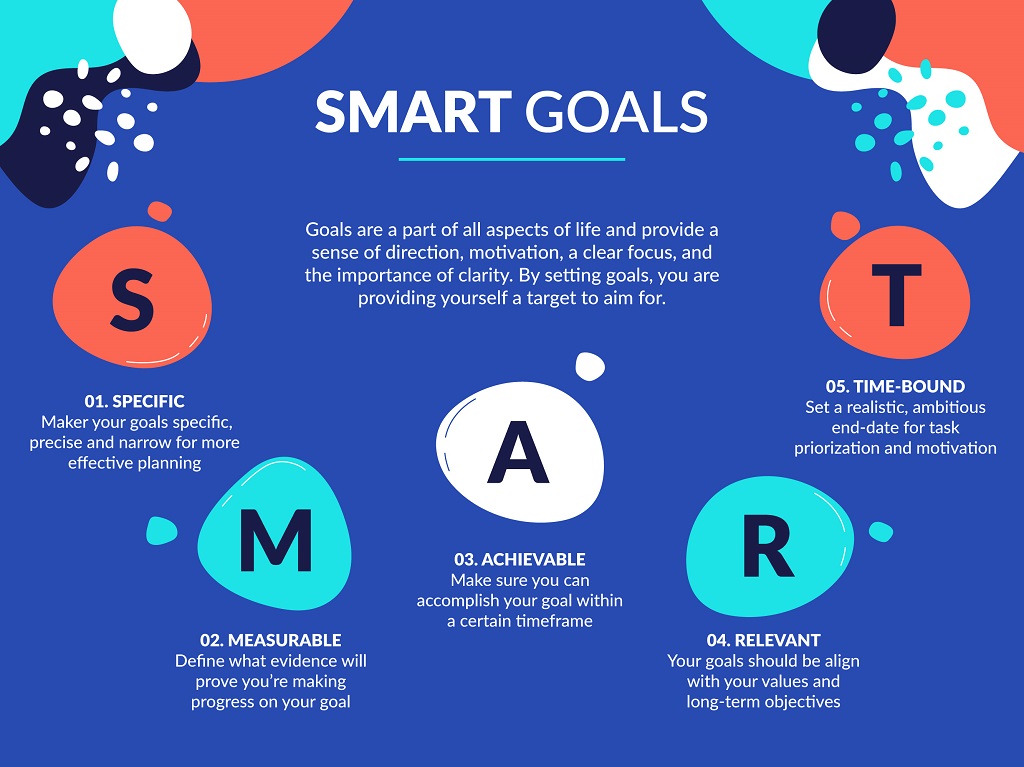
Let’s break down each step of setting SMART fitness goals and how you can apply them to your routine.
Specific Goals
The first step is to be crystal clear about what you want to achieve. A vague goal like “I want to get fit” doesn’t give you direction. A specific goal defines exactly what you want and when you want it.
For example:
1. I want to lose weight
2. I want to lose 2 kgs in a month.
The second goal is more specific as you know what is your goal and when you want to achieve it.
Specific goals eliminate confusion and give you a clear path forward.
Measurable Goals
The next phase in develop in Your fitness goals should be trackable. If you can’t measure your progress, it becomes difficult to know whether you’re improving. g SMART goals is to make them quantifiable. Having a measurable goal will help you to track your progress and make adjustments if you are lacking behind. It helps you to understand if you’re in the right direction.
Some examples of measurable fitness goals:
- Walk 10,000 steps per day
- Exercise for 30 minutes, 5 days a week
- Run 5 km daily
Measurable goals give you the motivation to keep going and help you adjust if you’re falling behind.
Achievable Goals
Ambitious goals are good, but they should also be realistic. Setting goals that are too difficult can leave you frustrated and unmotivated.
For example:
instead of saying, I will do 100 push-ups today you can say I will start with 15 push-ups a day and increase gradually
Start small, build consistency, and celebrate progress along the way.
Relevant Goals
Your goals should align with your fitness needs and lifestyle. If your focus is improving flexibility, setting a goal to run a marathon might not be relevant. Instead, yoga or mobility exercises would make more sense.
Relevant goals ensure you’re working toward something that truly matters to you.
Time-Bound Goals
Finally, set a deadline for your goals. Timeframes create urgency and help you stay accountable. Without deadlines, it’s easy to procrastinate.
For example:
- Lose 2 inches off the waistline in 3 months
- Run a 10k marathon in 12 weeks
A clear timeline keeps you focused and motivated.
Key Takeaway
SMART goals are a proven method for achieving fitness success. By setting Specific, Measurable, Achievable, Relevant, and Time-bound goals, you can stay consistent and motivated on your journey.
At Fitmom Club, we guide you in setting the right fitness goals and help you with customized workout plans, nutrition advice, and expert support so that you achieve long-term success.
Book your Free Consultation Now
Just fill in the form & our Health Consultant will get in touch with you
❌ Please fill all required fields.
✅ Thank you for submitting the form Our Health Consultant will reach out to you. Please respond to that.