


FitMom Club

suraj.s@vmaxhealthtech.com

seasonal-eating-guide-for-families

Seasonal Eating Guide for Families: Spring, Summer, Autumn & Winter Nutrition 

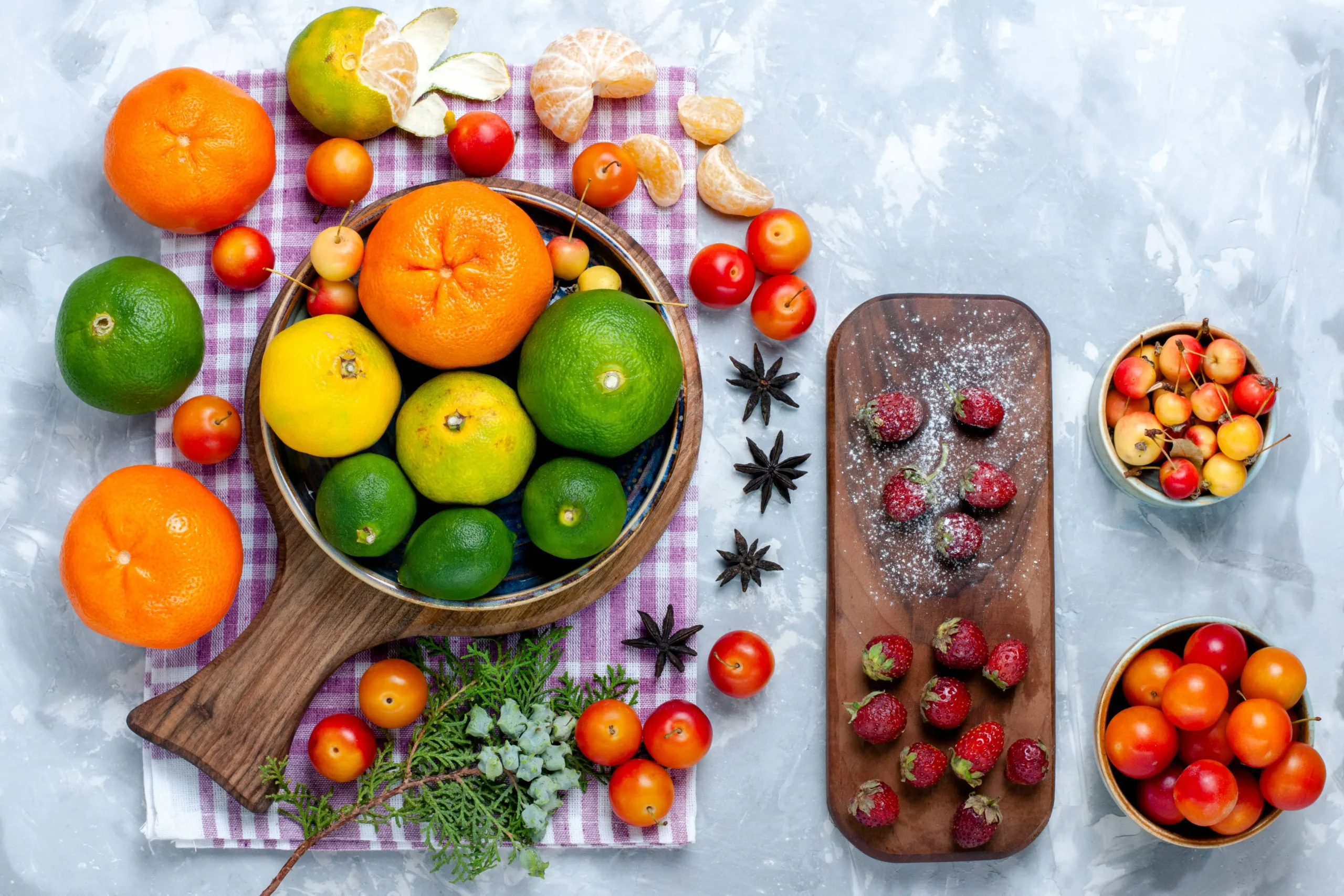
Seasonal Eating for Families: A Complete Year-Round Nutrition Guide Eating with the seasons isn’t a trendy wellness buzzword it’s how humans have thrived for centuries. Long before supermarkets stocked strawberries in December, families naturally aligned their meals with what grew locally and seasonally. And guess what? Modern science is catching up.  Seasonal eating supports better digestion, stronger immunity, balanced metabolism, and simpler meal planning especially for busy moms juggling work, kids, and life. When you eat foods grown in their natural season, they’re often more nutrient-dense, more affordable, and more flavourful.  According to the World Health Organization, freshly harvested produce can retain significantly higher vitamin and antioxidant levels compared to foods stored or transported long distances. Translation? More nutrition with less effort.  This long-form guide walks you through spring, summer, autumn, and winter seasonal eating, explaining:  What foods shine in each season  Why your body craves them  Science-backed health benefits  Practical meal-prep strategies  Simple calls to action for real life  Let’s dive in season by season.  Why Seasonal Eating Matters More Than You Think Seasonal eating works with your body instead of against it.  Here’s why it’s so powerful:  Higher nutrient density: Produce harvested at peak ripeness contains more vitamins and antioxidants  Improved digestion: Seasonal foods match your body’s digestive capacity in that climate  Hormonal balance: Nature provides warming foods in cold months and cooling foods in hot months  Budget-friendly: In-season foods cost less and taste better  Environmental win: Less transport, less storage, lower carbon footprint  In short, your body already knows what it needs seasonal food just listens.  Spring – Seasonal Eating: Fresh, Light & Rejuvenating Spring is nature’s reset button. After winter’s heavier meals, your body naturally craves foods that are lighter, water-rich, and cleansing.  Spring produce helps:  Reduce bloating  Support liver detox pathways  Replenish micronutrients depleted over winter  Research cited by the World Health Organization shows that locally harvested spring vegetables may retain up to 30% more vitamin C compared to long-stored produce.  Best Spring Foods & Why They Matter Asparagus  Signals the body to shed winter heaviness  Supports detox and digestion  Rich in folate, vitamin K, and iron  Peas  Sweet, crisp, and high in soluble fiber  Help “reset” gut motility  Provide plant protein and vitamin C  Radishes  Peppery compounds stimulate digestion  Natural diuretic great for bloating  High in vitamin C and potassium  Strawberries  Early antioxidant powerhouse  Help counter winter oxidative stress  Rich in anthocyanins and manganese  Spinach & Leafy Greens  Replenish iron and folate stores  Support energy and blood health  Scientific Insight: A 2023 review indexed on PubMed found that early-season leafy greens can contain up to 40% more folate than later harvests.    Spring Meal-Prep Tips for Busy Moms Quick stir-fry: Asparagus + peas + radish, cooked 3–4 minutes  Overnight oats: Greek yogurt, chia seeds, oats, strawberries  Batch-blanch greens: Freeze for smoothies and soups  Herb-infused water: Mint + cucumber for gentle detox  Freezer pesto cubes: Instant flavor, zero stress  These strategies save time while preserving nutrients win-win.  Spring Health Benefits Backed by Science Metabolism boost: Protein-rich starts increase calorie burn during digestion  Gut-brain support: Fiber feeds beneficial bacteria producing mood-supporting butyrate  Immune resilience: Vitamin C enhances white blood cell function  Hydration: Spring vegetables deliver up to 90% water by weight    Summer – Seasonal Eating: Hydration & Cooling Summer nutrition is all about hydration, cooling, and simplicity. When temperatures rise, digestion weakens slightly, and the body prioritizes fluid balance.  According to the American Dietetic Association, water-rich fruits and vegetables can provide up to 90% hydration by weight.  Top Summer Foods That Beat the Heat Watermelon  Natural electrolyte replenisher  Rich in citrulline and lycopene  Cucumber  Mild diuretic, reduces bloating  High in silica and potassium  Tomatoes  Lycopene becomes more bioavailable when cooked  Supports heart and skin health  Bell Peppers  Vitamin C powerhouse  Supports collagen and immunity  Berries  Fight oxidative stress  Feed gut-friendly bacteria  Fresh Herbs (Mint, Basil)  Aid digestion  Provide cooling effect without calories    Summer-Friendly Meal Prep Ideas Hydrating smoothie: Watermelon + berries + mint  Salad-in-a-jar: Cucumber, peppers, tomatoes, protein  Grilled veggie packets: Minimal prep, maximum flavor  Citrus herb water: Helps curb sugary drink cravings  Frozen yogurt berry bites: Kid-approved, probiotic-rich  Science-Backed Summer Benefits Electrolyte balance: Potassium prevents cramps  Gut health: Berry fiber improves microbiome diversity  Skin protection: Lycopene + beta-carotene reduce UV damage  Metabolism: Mild spices increase calorie burn without overheating    Autumn – Seasonal Eating: Warmth & Grounding As days shorten, your body naturally seeks warm, grounding foods. Autumn produce supports steady energy, immune resilience, and blood sugar balance.  The National Institute of Nutrition reports that fall-harvested produce often contains higher levels of fat-soluble vitamins like beta-carotene.  Best Autumn Foods for Comfort & Health Sweet potatoes: Complex carbs + vitamin A  Butternut squash: Creamy, fiber-rich  Carrots: Satisfy sweet cravings naturally  Beets: Improve circulation  Apples & pears: Stabilize blood sugar  Kale & Swiss chard: Bone-strengthening vitamin K  Warm spices: Cinnamon, nutmeg, clove boost metabolism  Autumn Meal-Prep Made Easy Roasted veggie trays: Cook once, eat all week  Apple-cinnamon overnight oats: Comfort without sugar crashes  Soup batches: Freeze for busy nights  Spiced nuts: Metabolism-friendly snacks  Freezer stir-fry mixes: Instant nutrition  Autumn Science Highlights Blood sugar control: Cinnamon improves insulin sensitivity  Gut immunity: Fiber fuels beneficial bacteria  Anti-inflammatory effects: Eugenol in spices eases joint discomfort  Circulation: Beets increase nitric oxide production  Winter – Seasonal Eating: Nourishment & Comfort Winter calls for deep nourishment. Cold weather increases calorie needs and immune demands.  The World Health Organization notes that regular vitamin C intake can reduce cold duration by up to 20%. Frequently Asked Questions Busy Moms Ask Do I need supplements? No. Whole foods work beautifully. Supplements are optional, not required. What if I work out first thing in the morning? A small snack (banana, yogurt, or smoothie) helps but post-workout nutrition becomes even more important. Is it okay to eat late at night after workouts? Yes. Recovery matters more than the clock. Best Winter Foods for Immunity & Energy Brassicas: Cabbage, broccoli, cauliflower  Citrus fruits: Mood-lifting vitamin C  Pomegranate: Antioxidant-rich  Nuts & seeds: Hormone-supporting fats  Whole grains: Steady energy  Warming spices: Ginger, cinnamon, clove  Winter Comfort Cooking Tips One-pot stews: Minimal cleanup  Citrus-glazed salmon: Immune + omega-3 boost  Overnight oats with pomegranate: Fiber-rich breakfast  Warm spiced milk: Supports sleep  Energy balls: Easy snacks for kids  Winter Health Benefits Explained Immune defense: Vitamin C boosts white blood cells  Mood support: Polyphenols support serotonin production  Hormonal balance: Magnesium regulates stress hormones  Thermogenesis: Spices increase warmth naturally  Sleep quality: Tryptophan supports melatonin synthesis  Conclusion: Eat With the Seasons, Live with More Ease Seasonal eating isn’t restrictive it’s liberating. When you let nature guide your plate, meals become simpler, tastier, and more nourishing.  By aligning your family’s diet with the seasons:  Digestion improves  Immunity strengthens  Energy stabilizes  Cooking stress decreases  Start small. Pick one seasonal vegetable this week. Try one new recipe. Notice how your body responds.  Nature already knows

Seasonal Eating Guide for Families: Spring, Summer, Autumn & Winter Nutrition  Read More »

· Simple pre-workout food ideas at home

Why You Need Pre- and Post-Workout Food: The Busy Mom’s Complete, Science-Backed Guide

You Need Pre- and Post-Workout Food: Why The Busy Mom’s Complete, Science-Backed Guide Introduction: Fitness Fuel for Real Life (Yes, Mom Life Counts) Hey there, busy mom! Whether you’re squeezing in a 20-minute HIIT session before school drop-off or lifting weights after the kids finally fall asleep, your workouts matter and so does what you eat around them. Think of food as both fuel and repair. Pre-workout nutrition is the gas in your tank, while post-workout food is the pit crew that fixes the wear and tear. Skipping either one is like driving cross-country without stopping for gas or maintenance. You might make it, but the ride will be rough and eventually, you’ll stall. In this long-form, mom-friendly guide, we’ll break down: Why pre- and post-workout food is essential What science actually says (without the jargon) Exactly what to eat before and after workouts Fast, realistic meal ideas for busy schedules Common mistakes that sabotage results How to fuel workouts for fat loss, strength, and energy This is not about perfection. It’s about simple, smart nutrition that fits your real life. Why Pre-Workout Nutrition Matters More Than You Think 1. Glycogen Top-Up: Your Body’s Preferred Fuel Your muscles store carbohydrates as glycogen, which is the main fuel source during exercise. When glycogen levels are low, your body struggles to keep up with demands, and workouts feel harder than they should. According to the World Health Organization, starting exercise with depleted glycogen can reduce performance and increase fatigue. Translation for moms: If you haven’t eaten in hours and jump into a workout, your body is running on fumes.   2. Stable Blood Sugar = Better Energy and Focus Low blood sugar during workouts can lead to: Dizziness Shakiness Brain fog Sudden energy crashes A small carb-protein snack 30–60 minutes before exercise helps stabilize glucose levels, keeping your energy steady. The American Dietetic Association emphasizes that balanced pre-exercise nutrition supports endurance and mental focus.   3. Muscle-Protein Priming for Better Results Even a modest dose of protein before exercise (around 5–10 grams) can kick-start muscle-protein synthesis. Research published on PubMed shows that protein intake before resistance training enhances muscle repair and growth. Bottom line: A light pre-workout snack: Fuels muscles Protects lean mass Improves workout quality What to Eat Before Your Workout (Simple & Mom-Approved) Here’s a quick, realistic breakdown of what works bestno fancy supplements required.   Goal Example (30–60 min before) Why It Works Quick carbs + protein ½ banana + 1 Tbsp peanut butter Fast glucose + protein slows digestion Sustained energy Small bowl of oatmeal with chia seeds Slow-release carbs, gut-friendly Light protein boost ½ cup Greek yogurt + granola Protein primes muscles Plant-based option Whole-grain toast + avocado Complex carbs + healthy fats Time-pressed tip: Prepare grab-and-go snacks the night before so you’re never tempted to skip fueling. Common Pre-Workout Nutrition Mistakes Moms Make Let’s clear these upon judgment here. ❌ Skipping food to “burn more fat” This often backfires, leading to weaker workouts and muscle loss. ❌ Eating too much too close to exercise Heavy meals right before training can cause bloating and discomfort. ❌ Relying only on caffeine Coffee alone won’t fuel muscles. Energy drinks without nutrients = crash city. Why Post-Workout Nutrition Is Non-Negotiable 1. Replenishing Glycogen Stores After exercise, muscles are primed to absorb carbohydrates. Research shows glycogen replenishment is fastest within 30–60 minutes post-workout, often called the anabolic window. A systematic review on PubMed confirms that timely carb intake speeds recovery and improves performance in subsequent workouts.     2. Repairing and Rebuilding Muscle Tissue Strength training creates tiny micro-tears in muscle fibers (this is normal and good). Protein provides the amino acids your body needs to repair and strengthen those fibers. The National Institute of Nutrition recommends 15–25 grams of protein after exercise for active adults.   3. Rehydration and Electrolyte Balance Sweat doesn’t just remove water it also depletes: · Sodium · Potassium · Magnesium The American Dietetic Association highlights that replacing fluids and electrolytes post-workout reduces fatigue and soreness. What to Eat After Your Workout for Maximum Recovery The Ideal Post-Workout Formula Protein: 15–25 g Carbohydrates: Aim for a 3:1 carb-to-protein ratio Healthy fats: Small amounts for nutrient absorption Micronutrients: Veggies and fruits for antioxidants Great Protein Options Grilled chicken or turkey Eggs or egg whites Tofu or tempeh Lentils or chickpeas Whey or plant-based protein powder Smart Carb Choices Quinoa Brown rice Sweet potatoes Oats Fruit Sample Post-Workout Plate Chicken tandoori (1 cup) + quinoa (½ cup) + roasted broccoli (1 cup) + lemon drizzle Simple. Balanced. Effective. Pre- vs Post-Workout Nutrition: A Quick Comparison Timing Primary Purpose Focus Nutrients Pre-workout Fuel & performance Carbs + light protein Post-workout Recovery & repair Protein + carbs + fluids Both matters. Skipping one limits the other. Fueling for Different Fitness Goals For Fat Loss Eat enough carbs to train well Keep protein high to preserve muscle Avoid under-fueling (it stalls progress) For Strength & Muscle Prioritize protein before and after workouts Don’t fear carbsthey support heavy lifting For Energy & Stress Management Balanced meals reduce cortisol spikes Consistent fueling improves mood and sleep Practical Nutrition Tips for Busy Moms ✔ Batch-Cook Proteins Cook chicken, tofu, or lentils on weekends. Store portions for quick meals. ✔ Overnight Oats or Chia Pudding Perfect pre-workout fuel ready when you are. ✔ Smoothie Hack Protein powder + frozen banana + spinach + coconut water = recovery in under 2 minutes. ✔ One-Pan Veggie Roasts Sweet potato, zucchini, bell peppers + olive oil = instant carb side. ✔ Hydration Reminder Keep a water bottle nearby. Add cucumber or mint for flavor. How Consistent Fueling Improves Long-Term Health Regular pre- and post-workout nutrition supports: Hormonal balance Bone density Lean muscle mass Metabolic health Sustainable energy This isn’t just about workouts it’s about aging strong and feeling capable. Frequently Asked Questions Busy Moms Ask Do I need supplements? No. Whole foods work beautifully. Supplements are optional, not required. What if I work out first thing in

Why You Need Pre- and Post-Workout Food: The Busy Mom’s Complete, Science-Backed Guide Read More »

Family eating balanced meal together at home

New Year Nutrition Habits for Every Age | Family Health & Kids Nutrition Guide

New Year, New Habits: A Complete Nutrition Blueprint for Every Age, Stage, and Family Every January begins with big promises. “From Monday I’ll eat clean.” “This year I’ll focus on my health.” “We’re cutting out junk completely.”  And yet, by February, most resolutions quietly fade away.  The problem isn’t motivation. The problem is trying to change everything at once.  When it comes to nutrition and health, the real secret isn’t extreme diets or perfect meal plans. It’s starting small, staying consistent, and building habits that fit real life — busy mornings, long work hours, growing kids, and changing bodies.  Whether you’re  a mom managing meals,  a dad balancing work and energy,  raising school-going kids, or  navigating health in your 40s, 50s, and beyond,  your daily food choices shape your energy, mood, focus, immunity, and long-term strength.  This long-form guide brings together simple, science-backed, and family-friendly nutrition strategies you can actually stick to — not just in January, but all year long.  Why Most Nutrition Resolutions Fail (And How to Fix That) Most people fail not because they lack discipline, but because they aim for massive overnight changes.  Common mistakes include:  Cutting out entire food groups  Following influencer diets that don’t suit family life  Ignoring individual needs of kids, adults, and aging parents  Treating food as restriction instead of nourishment  The fix? Micro-habits.  Small actions repeated daily create bigger results than dramatic changes that last two weeks.  Think:  One extra glass of water  One more vegetable on your plate  One swap from packaged snacks to homemade food  These tiny steps compound into powerful, lasting change.  The Power of Micro-Habits in Family Nutrition Micro-habits are small, non-intimidating actions that don’t feel overwhelming.  Examples include:  Adding cucumber or carrots to lunch  Switching evening biscuits to roasted chana  Eating dinner 30–60 minutes earlier  Walking for 10–15 minutes after meals  These habits:  Improve digestion  Stabilize blood sugar  Reduce cravings  Boost energy naturally  Most importantly, they’re easy to repeat, which is what builds consistency.  Nutrition for Moms: The “Energy Anchor” Approach Moms often eat last, eat less, or eat whatever is left. Over time, this leads to fatigue, mood swings, hormonal imbalance, and low immunity.  Instead of overhauling everything, focus on one energy anchor meal per day — preferably breakfast.  Why Breakfast Matters So Much for Women  A protein-rich breakfast:  Prevents mid-morning crashes  Reduces sugar cravings later in the day  Supports hormones and muscle health  Simple Energy Anchor Breakfast Ideas  Paneer chilla with vegetables  Oats with chia seeds and nuts  Besan cheela with curd  Eggs with toast and fruit  You don’t need fancy superfoods. You need balance, protein, and consistency.  Nutrition for Dads: Fueling Energy Amid Long Work Hours For many dads, nutrition takes a backseat to work deadlines, meetings, and travel. Skipped meals, excess caffeine, and late dinners slowly affect gut health, metabolism, and stamina.  One simple habit can make a big difference:  The 15-Minute Post-Meal Walk  Just 15 minutes after lunch or dinner can:  Improve digestion  Control blood sugar  Reduce bloating  Support weight management  Pair this with:  Home-cooked meals when possible  Reduced refined snacks  Adequate hydration  Health doesn’t need hours at the gym — it starts with small daily movement.  Feeding the Future: Nutrition Blueprint for Smarter, Happier Kids Healthy kids aren’t built by strict diets. They’re shaped by small, daily wins.  Between school rush, homework, screens, and snack demands, meals can get messy. But food isn’t just about filling tummies — it fuels focus, mood, growth, and immunity.  Rule One: Add Color to Your Child’s Plate  More colors = more nutrients.  Aim for at least 3–4 colors per meal:  Red: carrots, tomatoes, apples  Green: spinach, peas, bottle gourd  Yellow: dal, pumpkin, corn  Purple: beetroot, berries  Colorful plates are naturally more appealing and nutritionally diverse.  Rule Two: Protein First, Especially in the Morning  Protein supports:  Brain development  Muscle growth  Stable energy levels  Protein-Rich Breakfast Options for Kids  Paneer chilla  Milk + eggs  Peanut butter toast  Curd with fruits and seeds  Starting the day strong reduces junk food cravings later.  Rule Three: Snack Smart, Not Strict  Snacks aren’t the enemy — poor-quality snacks are.  Swap packaged snacks with:  Chana chaat  Roasted makhana  Peanut butter sandwiches  Dry-fruit laddus  These provide real food and real energy.  Rule Four: Light Dinners for Better Sleep and Digestion  Heavy dinners can disrupt sleep and digestion, especially for kids.  Better options include:  Dal soup  Khichdi  Millet dosa  Vegetable pulao with curd  A calm digestive system leads to better sleep and better mornings.  Hydration: The Missing Link in Kids’ Nutrition  Dehydration often shows up as:  Fatigue  Headaches  Irritability  Poor concentration  Encourage water intake by:  Using colorful bottles  Setting reminders  Adding natural flavor (lemon, mint)  Hydration keeps brains alert and moods steady.  The Smart Snack Box Strategy  Want kids to choose healthier snacks without constant reminders?  Try the Smart Snack Box  Fill it once a week with nuts, seeds, roasted chana  Keep it visible and accessible  Refill together as a family  When healthy food is easy to reach, it becomes the default choice.  Nutrition in Your 40s and 50s: Strength, Not Restriction As we age, metabolism slows, muscle mass decreases, and bone health becomes critical. The goal is no longer weight loss alone — it’s strength, stamina, and longevity.  Key Nutrients to Focus On  Calcium: curd, sesame seeds, ragi  Vitamin D: sunlight, fortified foods  Good fats: nuts, seeds, ghee in moderation  Protein: dals, paneer, eggs  Simple, traditional foods often work best.  A Real-Life Success Story: The Family Plate Rule  One of our clients — a couple in their 40s — struggled with low energy and inconsistent eating.  They didn’t cut carbs. They didn’t follow a diet plan.  Instead, they adopted the Family Plate Rule:  ½ plate vegetables  ¼ plate protein  ¼ plate carbs  No restrictions. Just balance.  Within two weeks, their:  Energy improved  Digestion felt lighter  Meals felt stress-free  Consistency beats perfection every time.  The 7-Day Family Nutrition Challenge Want to start together as a family? Try this simple challenge:  Day 1: Swap fried snacks for nuts or fruit  Day 2: Add one green veggie to lunch  Day 3: Eat dinner one hour earlier  Day 4: Set water goals together  Day 5: Cook one meal as a family  Day 6: Try a no-sugar breakfast  Day 7: Plan groceries for the next week  Small actions, big momentum.  Nutrition Trends for 2026: What Really Matters As 2026 unfolds, nutrition is shifting toward:  Plant-forward meals  Mindful snacking  Personalized plans  Gut-friendly foods  But real success isn’t about chasing trends.  It’s about building habits that:  Fit your culture  Suit your family  Support your lifestyle  Healthy Eating Is About Connection, Not Control Sit together. Eat together.  Talk together.  Healthy

New Year Nutrition Habits for Every Age | Family Health & Kids Nutrition Guide Read More »

Black jeera seeds and oil for thyroid and gut health

Can Black Jeera Improve Digestion and Indirectly Support Thyroid Health? Understanding the Gut–Thyroid Axis

Can Black Jeera Improve Digestion and Indirectly Support Thyroid Health?Understanding the Gut–Thyroid Axis Thyroid disorders, especially hypothyroidism and Hashimoto’s Thyroiditis, are becoming increasingly common worldwide. Sedentary lifestyles, chronic stress, nutrient deficiencies, gut imbalances, and environmental toxins all contribute to the rising burden of thyroid dysfunction. While thyroid medication such as levothyroxine remains the cornerstone of treatment, many people actively look for natural dietary strategies that can support thyroid health, digestion, and overall metabolism.  One such traditional ingredient gaining renewed scientific attention is black jeera, also known as kalonji or Nigella sativa. Used for centuries in Ayurveda, Unani, and Middle Eastern medicine, black jeera is often referred to as a “seed of blessing.” Modern research is now uncovering how this humble spice may influence gut health, inflammation, metabolism, and indirectly, thyroid function.  In this in-depth article, we will explore how black jeera supports digestion, its role in the gut–thyroid axis, and whether it can truly help people managing thyroid disorders. The discussion is grounded in findings referenced by WHO, American Thyroid Association (ATA), National Institute of Nutrition (NIN), and PubMed-indexed studies, while keeping the explanation practical and easy to understand.    What Is Black Jeera (Nigella sativa)? Black jeera (Nigella sativa) is a small black seed with a slightly bitter, peppery taste. It is commonly used in Indian cooking for tempering dals, vegetables, and breads, and also consumed as oil or powder for medicinal purposes.  Nutritional Profile of Black Jeera  Black jeera is nutritionally dense and contains several bioactive compounds that support metabolic and immune health:  Thymoquinone (primary active compound)  Antioxidants (phenols and flavonoids)  Essential fatty acids (omega-6 and omega-9)  Minerals such as iron, zinc, calcium, and magnesium  Amino acids and plant sterols  These components work together to influence inflammation control, oxidative stress reduction, insulin sensitivity, and gut health, all of which are closely linked to thyroid function. Understanding the Gut–Thyroid Axis To understand how black jeera may support thyroid health, it’s important to first understand the gut–thyroid axis.  The gut and thyroid communicate constantly through:  Immune signalling  Nutrient absorption  Hormone conversion  Inflammatory pathways  Nearly 70% of the immune system resides in the gut, and autoimmune thyroid disorders like Hashimoto’s originate from immune dysregulation. Additionally, about 20–30% of T4 is converted to active T3 in the gut, making digestive health crucial for thyroid hormone balance.  A compromised gut can lead to:  Poor nutrient absorption (iodine, selenium, zinc, iron)  Increased intestinal permeability (“leaky gut”)  Elevated inflammation and autoantibody production  This is where digestive-supportive foods like black jeera become relevant.    How Black Jeera Improves Digestion 1. Enhances Digestive Enzyme Activity Black jeera stimulates the secretion of digestive enzymes and bile, helping the body break down fats, proteins, and carbohydrates more efficiently. Better digestion means improved nutrient absorption, which is essential for thyroid hormone synthesis.  2. Reduces Bloating, Gas, and Indigestion Traditionally, black jeera has been used to relieve:  Gas  Abdominal discomfort  Slow digestion  Its carminative properties help relax intestinal muscles and reduce fermentation in the gut. 3. Supports Healthy Gut Microbiota Emerging research suggests that Nigella sativa has mild prebiotic and antimicrobial properties, helping balance gut bacteria. A healthier microbiome supports immune tolerance, which is critical in autoimmune thyroid disorders.    How Black Jeera May Support Thyroid Health 1. Reduces Thyroid Inflammation Hashimoto’s Thyroiditis is characterized by chronic inflammation and immune-mediated destruction of thyroid tissue.  Studies indexed on PubMed indicate that black seed oil supplementation may:  Reduce C-reactive protein (CRP)  Lower erythrocyte sedimentation rate (ESR)  Decrease thyroid peroxidase antibodies (TPO-Ab) in some individuals  The active compound thymoquinone modulates inflammatory pathways and suppresses excessive immune activation, potentially protecting thyroid cells from ongoing damage.   2. Improves Thyroid Hormone Parameters Some small-scale human studies have observed improvements in thyroid hormone balance with black jeera supplementation:  Lower TSH levels  Higher T3 levels  Improved T3:T4 conversion  These changes are particularly relevant for people with hypothyroidism who experience persistent symptoms despite medication.  3. Provides Strong Antioxidant Protection The thyroid gland is highly sensitive to oxidative stress due to its role in hormone synthesis.  Thymoquinone, a powerful antioxidant, helps:  Neutralize free radicals  Protect thyroid tissue from oxidative damage  Support healthier hormone production  Reducing oxidative stress may slow the progression of autoimmune thyroid damage over time.   4. Supports Metabolism and Weight Regulation Weight gain is a common and frustrating symptom of hypothyroidism. Black jeera may help by:  Improving fat metabolism  Enhancing insulin sensitivity  Reducing LDL cholesterol and triglycerides  Supporting better blood sugar regulation  A healthier metabolic profile indirectly supports thyroid efficiency and energy levels.    Role of Black Jeera in Autoimmune Thyroid Conditions Autoimmune thyroid disorders are not just thyroid problemsthey are immune system disorders.  Black jeera may help by:  Modulating immune responses  Reducing pro-inflammatory cytokines  Supporting gut barrier integrity  This makes it particularly relevant for individuals with Hashimoto’s Thyroiditis, where gut health and immune balance are central to long-term management.    How Much Black Jeera to Use Safely Moderation is key. Black jeera is potent, and more is not better.  Recommended Dosage  Adults:  ½ teaspoon black jeera seeds daily  OR ¼–½ teaspoon food-grade black seed oil daily  Children:  1–2 pinches of black jeera powder mixed into food  👉 Always consume with meals, not on an empty stomach, to avoid gastric irritation.    Best Time to Consume Black Jeera Morning after breakfast  With lunch or dinner  Mixed into curd or warm foods  Consistency over time matters more than timing.    Who Should Avoid or Use Caution with Black Jeera  Although natural, black jeera is not suitable for everyone.  Use caution or avoid if you are:  Pregnant or breastfeeding  Taking anti-diabetic medications  On blood pressure or blood-thinning medications  Having bleeding disorders  Using strong immunomodulatory supplements  👉 Always consult a qualified healthcare provider before regular use, especially if you have a diagnosed thyroid condition.  Practical Ways to Add Black Jeera for Thyroid Support Here are easy, everyday ways to include black jeera in your diet:  Morning digestive drink: Boil ½ tsp black jeera in water, sip after breakfast  With curd (yogurt): Supports gut health and immune balance  In daily cooking: Add to dals, sabjis, chicken, fish, or paneer  Roti or paratha dough: Mix ¼ tsp into flour before kneading  With honey: Mix ¼ tsp powder with ½ tsp honey for anti-inflammatory benefits  Common Myths About Black Jeera and Thyroid Health Myth 1: Black jeera can cure hypothyroidism  ❌ False. It cannot cure thyroid disorders.  Myth 2: You can stop thyroid medication  ❌ Dangerous. Never discontinue medication without medical advice.  Myth 3: More black jeera works faster  ❌ Excess intake may cause side effects.  Black jeera works as a supportive dietary tool, not a replacement therapy.   

Can Black Jeera Improve Digestion and Indirectly Support Thyroid Health? Understanding the Gut–Thyroid Axis Read More »

Nutrition for Brain Health: Foods for Sharper Memory, Better Focus & a More Stable Mood

Nutrition for Brain Health: Foods for Sharper Memory, Better Focus & a More Stable Mood If you’ve ever experienced brain fog, trouble focusing, forgetfulness, or mood swings, you’re not alone. In 2025, nutrition for brain health has become one of the most talked-about wellness trends and for good reason. Your brain uses more energy than any other organ, and the foods you eat directly influence how well it functions. For women, this connection is even stronger. Hormones, stress, gut health, and nutrient deficiencies all interact in unique ways that shape memory, focus, and emotional balance. The good news? You have far more control over your cognitive health than you think and it starts with what’s on your plate. In this powerful guide, we’ll reveal the best foods that boost memory and focus, the nutrients your brain craves, what to avoid, and how to use the gut–brain connection to your advantage. We’ll also give you a 7-day brain-boosting meal plan and supplement suggestions to elevate your mental clarity. Let’s dive in. — 1. Why Learning to Read Food Labels Matters Food companies know consumers are overwhelmed, rushed, and often confused. That’s why they use strategic wording and design to make their products appear healthier than they really are. Learning to read labels helps you: Avoid hidden sugars Choose foods that support weight loss Identify misleading marketing claims Protect your family from unhealthy additives Save money by buying real, nourishing foods This skill is evergreen, practical, and essential for informed eating. 1. Why Brain Health Nutrition Matters Especially for Women Women are twice as likely to experience anxiety, brain fog, depression, and memory challenges particularly during: Menstrual cycle shifts Pregnancy & postpartum Perimenopause Menopause High-stress seasons Fluctuating estrogen and progesterone affect neurotransmitters like serotonin, dopamine, and GABAall of which influence your mood, energy, and cognitive sharpness. This makes cognitive health nutrition for women essential for: mental clarity balanced mood stable energy better recall improved focus long-term brain protection 2. The Gut-Brain Connection: How Food Shapes Mood and Focus Your brain and gut are connected by the vagus nervea communication superhighway. What you eat affects your gut bacteria, which produce neurotransmitters like: Serotonin (happiness + calm) Dopamine (motivation + focus) GABA (relaxation) When the gut is inflamed or imbalanced, symptoms show up as: Brain fog Anxiety Irritability Low mood Trouble concentrating Sugar cravings Fatigue That’s why gut–brain connection foods are critical for mental clarity and emotional well-being. Top gut-friendly foods include: Yogurt & kefir Fermented foods (kimchi, sauerkraut) Fiber-rich fruits & vegetables Prebiotic foods (garlic, onions, oats, bananas) Omega-3s (salmon, sardines, chia seeds) 3. Top Brain-Boosting Nutrients Every Woman Needs Your brain is nutrient-hungry. Here are the most essential vitamins, minerals, and compounds for cognitive performance. 1. Omega-3 Fatty Acids Omega-3s (EPA & DHA) support: Memory Mood stability Focus Reduced inflammation Protection against cognitive decline Top sources: salmon, sardines, walnuts, chia seeds, flaxseed, algae oil.   2. B Vitamins (B6, B9, B12) Responsible for energy production and neurotransmitter creation. Benefits: Better concentration Improved mood Reduced brain fog Sources: eggs, leafy greens, nutritional yeast, legumes, lean meats.   3. Antioxidants (Vitamin C, Vitamin E, Polyphenols) Antioxidants protect brain cells from stress and aging. Sources: berries, citrus, dark chocolate, green tea, colorful vegetables.   4. Magnesium Known as the “anti-stress mineral.” Helps with: Mood regulation Sleep Focus Nervous system function Sources: nuts, seeds, leafy greens, avocado, whole grains.   5. Choline Essential for memory and learning. Sources: eggs, salmon, soybeans, chicken, quinoa.   6. Iron Low iron = low energy + impaired focus. Sources: red meat, spinach, lentils, pumpkin seeds.   7. Probiotics & Prebiotics For gut–brain balance and reduced inflammation. 4. Best Foods for Brain Health: What to Eat for Memory, Focus & Mood Below is a categorized breakdown of the best foods for mental clarity, memory, and emotional well-being.   A. Foods That Boost Memory These foods support learning, recall, and long-term brain protection. Blueberries high in anthocyanins for memory retention Salmon & sardines rich in DHA for brain cell communication Walnuts proven to improve cognitive performance Turmeric (curcumin)reduces inflammation in the brain Leafy greens linked with slower cognitive decline Eggs excellent choline source for memory formation   B. Foods That Improve Focus If you struggle with concentration, attention, or staying productive, these foods help sharpen mental clarity. Green tea gentle caffeine + L-theanine for calm focus Avocado healthy fats for brain blood flow Pumpkin seeds magnesium + zinc for concentration Dark chocolate (70%+) boosts blood flow to the brain Quinoa & oats steady glucose = steady focus Coffee (in moderation) increases alertness without crashes   C. Foods That Support Mood & Emotional Balance These help reduce anxiety, stabilize mood, and support emotional resilience. Fermented foods support serotonin-producing gut bacteria Bananas contain tryptophan + vitamin B6 Leafy greens reduce stress hormone levels Sweet potatoes regulate blood sugar & mood Turkey & chicken high in tryptophan Chia & flax seeds plant omega-3s for mood balance 5. Foods That Harm Brain Health (What to Avoid) Some foods actively contribute to brain fog, mood swings, and inflammation. 🚫 1. Added sugars Cause energy crashes, anxiety, and impaired memory. 🚫 2. Ultra-processed foods Disrupt gut bacteria, worsen inflammation, reduce cognitive function. 🚫 3. Artificial sweeteners Linked to headaches, mood disruptions, and gut imbalance. 🚫 4. Excess caffeine Raises cortisol and increases anxiety. 🚫 5. Seed oils in excess (corn, soybean, canola) Increase inflammation when consumed frequently. 🚫 6. Alcohol Impairs memory and harms neurotransmitters. Reducing these is one of the fastest ways to improve mental clarity. 6. Hormones & Brain Health: What Women Need to Know Women experience major hormonal transitions that directly affect brain function. Estrogen Supports memory, focus, and emotional well-being. When it dips (peri-/menopause), symptoms like brain fog and forgetfulness spike. Progesterone Calming and sleep-supporting. Low progesterone = anxiety & irritability. Cortisol Chronic stress leads to inflammation, memory issues, and poor concentration. Thyroid Hormones Low thyroid = brain fog, fatigue, slow thinking. The right nutrition can support hormonal balance, making it a critical

Nutrition for Brain Health: Foods for Sharper Memory, Better Focus & a More Stable Mood Read More »

How to Read & Decode Food Labels What to Trust, What to Ignore

How to Read & Decode Food Labels What to Trust, What to Ignore If you’ve ever stood in the grocery aisle staring at food packages that all claim to be “healthy,” “natural,” or “low fat,” you’re not alone. Food companies spend millions designing labels that look trustworthy even when the product inside isn’t. For busy women and moms trying to lose weight, improve their health, or make better choices for their families, understanding how to read food labels is a superpower. It’s the difference between being misled by marketing and being empowered by knowledge. In this guide, we’ll walk through how to read food labels, decode sneaky packaging tricks, and understand what actually matters for weight loss and long-term health. By the end, you’ll shop more confidently, avoid hidden sugars, and choose foods aligned with your goals not the food industry’s profits. 1. Why Learning to Read Food Labels Matters Food companies know consumers are overwhelmed, rushed, and often confused. That’s why they use strategic wording and design to make their products appear healthier than they really are. Learning to read labels helps you: Avoid hidden sugars Choose foods that support weight loss Identify misleading marketing claims Protect your family from unhealthy additives Save money by buying real, nourishing foods This skill is evergreen, practical, and essential for informed eating. 2. The Biggest Mistake: Trusting the Front of the Package Let’s be clear:  The front of the package is advertising. The back is the truth.   Words like: “All natural” “Healthy” “Light” “Immunity boosting” “Protein-packed” “Multigrain” “Low fat” …mean almost nothing without reading the fine print. This is where food label tricks exposed becomes important. Companies use these vague terms to distract you from the sugar, additives, or low-quality ingredients hiding in the product. Always flip the package over. The real story is in the Nutrition Facts and Ingredients List. 3. How to Understand Nutrition Facts Labels (Simply Explained) Here’s a no-nonsense breakdown of what actually matters.   Serving Size   This is where many people get misled. If a tiny bag of chips says 150 calories, check the serving sizeit might contain three servings. If you eat the whole thing, multiply everything by three.   Calories   Useful for awareness, but not the most important factor for weight loss. Focus more on: Protein Fiber Added sugars Ingredients These influence hunger, metabolism, and cravings much more than calories alone.   Protein Higher protein = better for: Satiety Weight loss Muscle maintenance   Look for foods with at least 8–12g of protein per serving, depending on the category.   Fiber Fiber is non-negotiable for weight management and gut health. Look for 3+ grams per serving, preferably 5–8 grams for grains or snacks.   Added Sugars This is the section most people overlook and where companies love to hide red flags. Women should aim for no more than 25g of added sugar per day. Yet many snacks contain 12–20g in a single serving. If you want to decode food labels for weight loss, keep added sugars as low as possible.   Sodium Too much sodium can cause: Bloating Water retention Higher blood pressure Aim for less than 500–600mg per meal, when possible.   Ingredients List The real deal-breaker. Important rules: Ingredients are listed in order of quantity Shorter lists = usually better If you can’t pronounce several ingredients, put it back Avoid products with added sugars in the first three ingredients 4. How to Spot Hidden Sugar in Food Labels Sugar hides under more than 60 different names. Common ones include: High-fructose corn syrup Cane juice Maltodextrin Rice syrup Agave Dextrose Fructose Fruit concentrate If the ingredient list reads like a science experiment, run. A good rule of thumb: If sugar shows up more than once on the ingredient list, the product is a blood sugar bomb. This is one of the most important skills for maintaining healthy weight and steady energy levels. 5. Greenwashing: When Food Labels Pretend to Be Healthy Greenwashing is when companies use eco-friendly or health-oriented buzzwords without meaningful standards. Examples: “Natural” (not regulated at all) “Made with whole grains” (could be 1%) “Low fat” (usually means high sugar) “Plant-based” (processed junk food can also be plant-based) “No artificial Flavors” (still packed with additives) Packaging with leaves, farms, or earthy colors to suggest health Understanding greenwashing food labels helps protect you from marketing deception. 6. What to Ignore on Food Labels Not everything on a label deserves your attention. Ignore: 1. Buzzwords on the front They are meant to create emotional reactions, not inform. 2. Claims like “supports immunity” Usually just added vitamins. 3. “Fat-free” or “low fat” These products often contain extra sugar to improve flavor. 4. “Made with real fruit” Fruit concentrate is basically sugar. 5. “Multigrain” This only means there are multiple grains not that they’re whole grains. 7. What to Trust on Food Labels Focus on: ✔ Ingredients list The most reliable information. ✔ Added sugars Critical for weight control. ✔ Protein + fiber Signals how filling the food will be. ✔ Whole food ingredients Like oats, nuts, beans, veggies, eggs. ✔ Certifications (when trustworthy) USDA Organic Non-GMO Project 100% whole grain These don’t guarantee perfection, but they do set minimum standards. 8. Food Label Examples: Healthy vs. Misleading Let’s decode two simple examples. Example 1: “Healthy Protein Bar” Front of package: High Protein Vegan Natural No Added Sugar Back of package reality: 19g total sugar from syrup First ingredient: dates (sugar) Multiple sweeteners Only 6g protein Verdict: More like a candy bar.   Example 2: “Unsweetened Greek Yogurt” Front: Simple Plain High Protein Back: No added sugar 16–20g protein 0 hidden sweeteners Minimal ingredients Verdict: Actually healthy. Learning to decode makes shopping faster and healthier. 9. Tips to Decode Food Labels for Weight Loss For weight loss, choose foods that: Have high protein Include high fiber Keep added sugars under 5g Use whole ingredients Are minimally processed Smart choices include: Greek yogurt High-fiber wraps Nuts & seeds Eggs Beans Vegetables Whole grains

How to Read & Decode Food Labels What to Trust, What to Ignore Read More »

Cortisol and Weight Gain: Why Stress Sabotages Your Diet (And How to Fix It)

Cortisol and Weight Gain:Why Stress Sabotages Your Diet (And How to Fix It) If you’ve ever wondered why, you crave sugar when you’re overwhelmed… Why your belly feels softer during stressful weeks… Or why the scale goes up even when you’re eating healthy… You’re not alone and you’re not imagining it. Nearly 49.9% of people gain weight under stress, and women especially busy mothers are even more vulnerable. That’s because your body runs on powerful hormones that react to pressure, deadlines, emotional overload, and chronic exhaustion. The biggest culprit? Cortisol the stress hormone that can sabotage your weight, your appetite, and your metabolism. In this in-depth guide, we’ll dive into the science behind cortisol and weight gain, how stress changes your body, and the exact strategies you can use to lower cortisol naturally, lose weight, and finally take back control of your health. Let’s break it all down in a way that actually makes sense and helps you see real results. — 1. What Exactly Is Cortisol? Cortisol is your body’s built-in survival hormone. It keeps you alert, energized, and ready to respond to danger. But when cortisol stays elevated for too long (hello, modern life), it becomes a major roadblock to weight loss.   Your adrenal glands release cortisol when you experience:  Work stress Financial pressure Lack of sleep Emotional overload Parenting stress Over-exercising Undereating In small doses, cortisol is helpful. In chronic doses, it can wreak havoc. 2. How Stress Causes Weight Gain Chronic stress triggers a chain reaction in the body that makes weight gain inevitable unless corrected. 1. Cortisol Increases Your Appetite Elevated cortisol sends your brain a message: “We need quick energy bring on the sugar and carbs.” This leads to cravings for: Chocolate Bread Pasta Fried foods High-fat snacks Stress eating isn’t a willpower issue it’s biology.   2. Cortisol Encourages Fat Storage (Especially Belly Fat) High cortisol shifts your body into fat-storing mode, specifically around the abdomen. That’s why the term “cortisol belly fat” is so widely used. Why belly fat? Because visceral fat (deep abdominal fat): Stores energy efficiently Responds quickly to cortisol Is part of your body’s threat-response system Over time, this belly fat becomes stubborn and harder to lose.   3. Stress Slows Down Your Metabolism Chronic stress decreases: Thyroid function Lean muscle mass Metabolic rate Your body starts burning fewer calories even while resting.   4. Stress Affects Sleep (Which Affects Weight) Poor sleep = increased cortisol. Increased cortisol = more cravings + higher fat storage. A vicious cycle.   5. Stress Disrupts Insulin & Blood Sugar High cortisol makes your cells insulin-resistant, increasing: Blood sugar spikes Fat storage Hunger after meals This is a major reason stress leads to stress weight gain in women, especially during hormonal shifts (postpartum, perimenopause). 3. Cortisol and Women: Why Women Gain Stress Weight Faster Women are biologically more sensitive to cortisol due to the interplay between: Estrogen Progesterone Thyroid hormones Appetite-regulating hormones (ghrelin & leptin) This means: Women store fat more easily under stress Women crave sugary foods more intensely Women experience slower metabolism under chronic pressure Women lose muscle faster with elevated cortisol Busy moms, in particular, often experience constant low-grade stress, leading to stubborn weight gain no matter how clean their diet is. 4. Signs Your Cortisol Is Too High If you’re struggling with any of these, cortisol may be the hidden cause: Increased belly fat Sugar cravings Emotional eating Fatigue despite sleeping Irritability Poor sleep quality Brain fog Feeling “tired but wired” Acne or skin inflammation Irregular periods Weight gain during stressful seasons Bloating or digestive issues Your body is speaking and it’s time to listen. — 5. The Science Behind Cortisol Belly Fat Cortisol and belly fat are linked through these biological mechanisms: ✔ Cortisol releases glucose into the bloodstream Your body stores unused glucose as abdominal fat. ✔ Cortisol makes fat cells grow larger Especially in the midsection. ✔ Cortisol increases lipoprotein lipase (LPL) This enzyme pulls fat into belly cells and locks it there. ✔ Cortisol shrinks muscle mass Less muscle = slower metabolism = more fat storage. Understanding this helps you address the root cause not just the symptoms. 6. How to Lower Cortisol Naturally The best news? You can rebalance cortisol without extreme diets or medications. Here’s how to reclaim your body’s natural rhythm. 7. Nutrition Strategies to Reduce Cortisol 1. Eat Protein at Every Meal Protein stabilizes blood sugar, keeps you full, and reduces cravings. Great options: Eggs Chicken Greek yogurt Lentils Tofu Cottage cheese   2. Prioritize Healthy Fats Healthy fats lower inflammation and support hormone regulation. Choose: Avocado Olive oil Salmon Walnuts Chia seeds   3. Stabilize Blood Sugar with Balanced Meals Follow the simple formula: Protein + Fiber + Healthy Fat + Slow Carbs This reduces cortisol spikes throughout the day.   4. Add Cortisol-Lowering Foods These foods naturally help reduce stress hormones: Dark leafy greens Blueberries Turmeric Chamomile tea Matcha Nuts & seeds Complex carbs like quinoa & oats — 5. Stop Skipping Meals Undereating skyrockets cortisol and slows metabolism. Even busy moms need consistent fuel. 8. Lifestyle Strategies to Lower Cortisol 1. Improve Your Sleep Aim for 7–9 hours to regulate hunger hormones and repair stress damage.   2. Practice Stress-Reduction Techniques Simple daily habits lower cortisol dramatically: Deep breathing 10-minute walks Yoga Journaling Meditation Prayer Stretching before bed   3. Reduce High-Intensity Workouts Too much HIIT raises cortisol. Instead, balance your routine with: Strength training Pilates Low-impact cardio Rest days     4. Hydrate Better Dehydration increases cortisol. Aim for steady water intake all day.   5. Limit Caffeine Caffeine elevates cortisol especially on an empty stomach. Try switching to: Green tea Matcha Half-caf coffee   9. Supplements That May Help Lower Cortisol (Always consult your healthcare provider first.) Commonly studied options: Ashwagandha Magnesium glycinate Rhodiola L-theanine Omega-3 fatty acids These can support relaxation, hormonal balance, and stress resilience. 10. How to Lose Weight When Cortisol Is the Problem Weight loss becomes easier once cortisol is

Cortisol and Weight Gain: Why Stress Sabotages Your Diet (And How to Fix It) Read More »

Sustainable Nutrition: Foods That Lower Your Carbon Footprint While Boosting Your Health

Sustainable Nutrition:Foods That Lower Your Carbon Footprint While Boosting Your Health In a world where wellness trends and environmental responsibility are merging faster than ever, sustainable nutrition has become more than a buzzword it’s a movement. Millennials and Gen Z, in particular, are demanding food choices that not only fuel the body but also protect the planet. This shift has given rise to a growing interest in eco-friendly diets, regenerative agriculture, and plant-based sustainable eating. If you’re looking to adopt a lifestyle that supports both your long-term health and the environment, this guide will show you how. Below, you’ll find a deep dive into the best sustainable nutrition foods, why they matter, and how to easily integrate them into your diet. 1. What Is Sustainable Nutrition? At its core, sustainable nutrition refers to eating patterns that promote optimal health while minimizing environmental damage. This means choosing foods that: Require fewer natural resources Produce lower greenhouse gas emissions Support ethical and regenerative farming practices Nourish your body with essential nutrients The goal is simple: Eat well while treating the Earth well. 2. Why Sustainable Nutrition Matters More Than Ever  Our current food system is responsible for nearly one-third of global greenhouse gas emissions. With climate change accelerating, consumers are waking up to the idea that their plate is a powerful tool for environmental change. By adopting an eco-friendlier diet for health, you can: Reduce your personal carbon footprint Support biodiversity Protect soil and water resources Improve your overall health with nutrient-rich foods It’s a win-win for your body and the planet. 3. The Health Benefits of Sustainable Eating   Sustainable diets tend to focus on whole, minimally processed foods—and that alone brings enormous health benefits. These diets are typically rich in: Fiber, which supports digestion Antioxidants, which fight inflammation Healthy fats, which support brain and heart health Phytonutrients, which enhance immune function People who adopt plant-forward and sustainably sourced diets often experience: Weight loss Reduced risk of chronic diseases Better energy levels Clearer skin Improved mental health In other words, the foods that benefit the environment often benefit you even more. 4. Plant-Based Sustainable Eating: The Cornerstone of a Low-Impact Diet   Plant-based foods have significantly lower environmental footprints than animal-based foods. Why Plants Are a Sustainable Powerhouse They require less land and water They generate fewer emissions They’re nutrient-rich and versatile They support diverse ecosystems when grown responsibly Some of the best plant-based sustainable eating staples include: Beans and legumes Whole grains Nuts and seeds Seasonal fruits and vegetables Seaweed and algae These foods are not only environmentally friendly they’re incredibly cost-effective. 5. Foods That Deliver Both Nutrition and Sustainability Here’s a curated list of sustainable nutrition foods that benefit both your body and the Earth. 1. Legumes (Beans, Lentils, Chickpeas) Why they’re sustainable: Legumes enrich soil naturally by fixing nitrogen, reducing the need for fertilizers. Why they’re healthy: High in plant-based protein, fiber, iron, magnesium.   2. Whole Grains (Quinoa, Oats, Barley, Millet) Environmental benefits: Require less water and nurture soil fertility. Health benefits: Support heart health, stable blood sugar, and long-lasting energy.   3. Seasonal and Local Vegetables Eco-friendly advantage: Lower transportation emissions and support local agriculture. Nutritional advantage: Fresher produce = higher nutrient content.   4. Organic or Regeneratively Grown Produce Foods grown using regenerative agriculture help replenish ecosystems rather than depleting them. Benefits include: Healthier soil Greater biodiversity Carbon sequestration   5. Nuts and Seeds They offer exceptional nutrient density with minimal environmental impact when grown responsibly. Great choices include: Almonds (especially rain-fed varieties) Walnuts Flax seeds Chia seeds Hemp seeds   6. Seaweed and Algae These are among the most sustainable foods on the planet because they require: No fresh water No fertilizer No land Plus, they absorb carbon while being rich in omega-3s, iodine, and protein.   7. Mushrooms Mushrooms require very few resources to grow and are incredibly versatile. They offer: B vitamins Antioxidants Immune-supporting compounds Their umami flavor makes them a satisfying meat alternative. 6. How Regenerative Agriculture Enhances Nutrition Regenerative farming aims to rebuild soil health, promote biodiversity, and restore ecosystems. Foods produced through this method are often richer in: Minerals Antioxidants Phytochemicals This is because nutrient-rich soil produces nutrient-dense crops. Examples include: Regeneratively grown wheat Pasture-raised eggs Grass-fed meats Organic fruits and vegetables Supporting regenerative agriculture means you’re participating in a food system designed to heal the planet rather than harm it.   7. Simple Ways to Shift Toward an Eco-friendlier Diet You don’t need to overhaul your whole lifestyle overnight. You can make sustainable nutrition effortless with small, strategic shifts: ✔ 1. Choose plant-based meals several times a week Swap meat-heavy meals for plant-based alternatives, such as: Lentil soups Veggie stir-fries Bean tacos Whole-grain bowls ✔ 2. Buy local and seasonal produce Seasonal foods are fresher, more flavourful, and require fewer resources to grow. ✔ 3. Reduce food waste Nearly 40% of food in the U.S. goes to waste. Reduce waste by: Planning meals Using leftovers creatively Freezing foods before they spoil ✔ 4. Prioritize whole foods over processed foods Whole foods have lower environmental footprints and offer superior nutrition.   ✔ 5. Support regenerative brands Look for certifications such as: Regenerative Organic Certified® USDA Organic Fair Trade These labels indicate high environmental and ethical standards. 8. The Role of Protein in Sustainable Nutrition Protein is essential, but not all protein sources are environmentally equal. Low-impact protein options: Lentils Chickpeas Black beans Tofu and tempeh Quinoa Edamame Hemp seeds Plant-based proteins can cut your dietary carbon footprint by more than 60%. 9. Are Animal Products Allowed in a Sustainable Diet? Absolutely when chosen mindfully. Low-impact animal products include: Pasture-raised eggs Regeneratively raised beef Organic poultry Sustainably harvested fish The key is moderation. Even reducing animal product consumption by 25% can make a dramatic environmental difference. 10. Sample 1-Day Sustainable Nutrition Meal Plan Here’s how easy it can be to implement eco-friendly diet for health into your daily routine:   Breakfast Oatmeal with chia seeds, berries, and hemp milk

Sustainable Nutrition: Foods That Lower Your Carbon Footprint While Boosting Your Health Read More »

Eat Right and Lose Weight

Eat Right and Lose Weight: A Complete Guide to Healthy, Sustainable Weight Loss 

Eat Right and Lose Weight: Your Guide to Sustainable, Healthy Weight Loss Healthy, sustainable weight loss doesn’t require starvation, crash diets, or giving up your favorite foods. According to the World Health Organization (WHO) and the National Institute of Nutrition (NIN), long-term weight management is best achieved through balanced eating, whole foods, and consistent lifestyle habits.  When you focus on nourishing your body instead of restricting it, weight loss becomes more natural, enjoyable, and sustainable.  1. Focus on Real, Whole Foods A healthy diet for weight loss starts with whole, minimally processed foods. These foods help regulate appetite, improve digestion, and support long-term fat loss.  Build your meals with: Lean proteins: chicken, fish, eggs, tofu, soya chunks  Vegetables: leafy greens, cruciferous veggies, colorful vegetables  Fruits: berries, apples, oranges, bananas  Whole grains: brown rice, oats, quinoa  Healthy fats: nuts, seeds, avocado, olive oil  The WHO Healthy Diet Guidelines emphasize that whole foods increase satiety, prevent overeating, and reduce obesity risk.  2. Watch Your Portion Sizes Portion control is one of the most effective strategies for weight loss without feeling deprived.  Simple portion control habits:  Use smaller plates  Fill half your plate with vegetables  Eat slowly and mindfully  Stop when you feel comfortably full  The NIN highlights that appropriate portions help prevent excess calorie intake and support long-term weight maintenance.  3. Don’t Fear Carbs. Choose the Right Ones Carbohydrates are essential for energy. Instead of avoiding carbs, choose complex carbohydrates and high-fiber foods, which support weight management.  Smart carbs for weight loss: Oats  Sweet potatoes  Brown rice  Whole-grain pasta  Beans and lentils  WHO guidelines recommend fiber-rich whole grains for better digestion, improved metabolism, and long-term weight management.  4. Protein Is Your Weight-Loss Friend A high-protein diet increases fullness, preserves muscle mass, and boosts metabolism, all essential for healthy weight loss.  Include protein sources like: Chicken  Fish and seafood  Eggs  Greek yogurt  Beans, lentils, and legumes  Studies show that diets containing 25–30% protein help reduce cravings, enhance satiety, and improve weight-loss outcomes.  5. Stay Hydrated Throughout the Day Hydration plays a crucial role in metabolism, energy levels, and appetite control. Using a simple water intake calculator can help you understand your ideal daily hydration needs based on your body weight and activity level. Benefits of drinking enough water: Prevents confusing thirst with hunger  Supports digestion and nutrient absorption  Boosts metabolic rate slightly  Improves overall wellness  Aim for 8–10 glasses of water daily, depending on your activity level and climate.  6. Practice Mindful Eating Mindful eating helps you slow down, listen to hunger cues, and make better food decisions.  Be aware of: Emotional or stress eating  Late-night cravings  Eating while distracted (TV or phone)  Research in behavioral nutrition shows mindful eating reduces overeating and supports long-term healthy eating habits.  7. Plan Your Meals Ahead Meal planning is a powerful way to control calories and avoid unhealthy food choices.  Try: Preparing weekly lunches  Keeping healthy snacks handy  Creating a grocery list  Avoiding shopping while hungry  According to the NIN, planned meals promote nutrient balance and prevent dependence on fast food.  8. Allow Yourself Flexibility You don’t need to be perfect to lose weight; you just need consistency.  Allowing occasional treats prevents binge eating and makes healthy eating sustainable.  Flexible dieting approaches have been shown to improve long-term adherence and reduce stress around food.  9. Combine Healthy Eating with Movement While diet plays the biggest role in weight management, physical activity boosts fat loss, improves metabolism, and supports overall health.  Aim for: 30 minutes of brisk walking daily  Strength training 2–3 times per week  Fun activities: swimming, dancing, cycling  Both WHO and NIN stress that combining smart nutrition + regular movement is the best formula for sustainable weight loss.  Conclusion Eating the right to lose weight isn’t about strict rules; it’s about building long-term habits that support your body.  Global health organizations like WHO and NIN, along with scientific research, agree that a combination of:  nutrient-rich meals  portion control  mindful eating  hydration  regular physical activity  This leads to healthy, sustainable weight loss.  Choose foods that nourish your body. Stay consistent. Whether you’re following structured weight loss plans or making simple lifestyle changes, these healthy habits will help you feel lighter, stronger, healthier, and more confident. Over time, you’ll feel lighter, stronger, healthier, and more confident.  FAQs Loved the Post? Share It!

Eat Right and Lose Weight: A Complete Guide to Healthy, Sustainable Weight Loss  Read More »

Health Benefits of Chia Seeds

A Deep Dive into the Nutritional Properties and Health Benefits of Chia Seeds 

A Deep Dive into the Nutritional Properties and Health Benefits of Chia Seeds Chia seeds may be tiny, but their nutritional power is huge. Once a staple in ancient Aztec and Mayan diets, these little seeds are now celebrated worldwide as a “superfood” loaded with nutrients. What makes chia so special is its exceptional nutrient density combined with versatility; you can easily add it to nearly any meal without affecting taste.  Whether you’re aiming for better digestion, improved heart health, or a simple breakfast boost, chia seeds can be a practical and effective addition to your daily diet.  Why Chia Seeds Are Considered a Superfood Nutrient Powerhouse: What Chia Seeds Contain  High Fiber for Better Digestion  Just one tablespoon (about 10 g) of chia seeds delivers roughly 3–4 grams of fiber, including both soluble and insoluble types.  Soluble fiber absorbs water and forms a gel; this helps keep you full longer, slows digestion, and can help stabilize blood sugar.  Insoluble fiber supports healthy bowel movements and may prevent constipation.  Plant-Based Omega-3 Fats (ALA), Heart-Friendly Fats  Chia seeds are among the richest vegetarian sources of alpha-linolenic acid (ALA), a type of omega-3 fatty acid.  Regular ALA intake supports heart health and brain function and may help reduce inflammation.  While not the same as fish-based EPA or DHA, ALA is very valuable, especially for vegetarians and vegans.  Protein Alternative for Plant-Eaters  A 2-tablespoon serving of chia gives about 4–5 grams of protein.  This plant-based protein helps support muscle repair, maintain satiety, and complement other protein sources, great for vegetarians, vegans, or anyone reducing meat intake. Protein Alternative for Plant-Eaters  Chia seeds offer a natural supply of: Calcium: Supports strong bones and teeth (useful for those consuming less dairy).  Magnesium & Phosphorus: Important for energy metabolism, nerve and muscle function, and bone health.  Manganese & trace minerals: Important for antioxidant defenses, metabolism, and overall cellular health.  Plus, chia is rich in polyphenols and antioxidants that combat free radicals and reduce oxidative stress, supporting long-term health and immunity.  How Chia Seeds Work in Your Body One of the most unique features of chia seeds is their ability to absorb up to 10–12 times their weight in water. When soaked, they form a thick gel. This gel-forming ability:  Slows digestion, leading to a more stable, prolonged release of energy.  Promotes satiety (fullness), which can help manage appetite and reduce overeating.  May help regulate blood sugar by slowing carbohydrate absorption and preventing sudden spikes.  So, whether you consume chia seeds as part of breakfast, a snack, or a meal, they can contribute to better digestion, steady energy, and improved fullness.  Proven Health Benefits of Chia Seeds Why Incorporating Chia Seeds Is Good for You Heart Health & Cholesterol Support Including chia seeds regularly may help: Lower LDL (“bad”) cholesterol levels.  Reduce inflammation, a known risk factor for heart disease.  Improve blood pressure and overall cardiovascular health when combined with a balanced diet and active lifestyle.  Better Blood Sugar Control & Diabetes Support Because chia delays carbohydrate digestion, it can help stabilize blood sugar levels. This may benefit:  People with prediabetes.  Individuals with insulin resistance.  Those managing type 2 diabetes (when used alongside a healthy diet and medical guidance).  However, chia should not be seen as a replacement for medical treatment or prescribed medications.  Improved Digestive Health & Gut Comfort Thanks to its high fiber content:  Chia may help prevent constipation and promote regular bowel movements.  It can also support a healthy gut microbiome, feeding beneficial gut bacteria.  People who struggle with bloating or irregular digestion may benefit by gradually adding chia seeds to their meals.  Aiding Weight Management & Appetite Control Chia seeds’ combination of fiber, protein, and water-absorption helps:  Increase the feeling of fullness, reducing overall calorie intake.  Stabilize hunger, helpful for healthy weight control when coupled with balanced meals and regular activity. This makes chia seeds a useful addition to a weight loss diet program focused on nutrition and long-term sustainability. Anti-Inflammatory & Antioxidant Effects The omega-3 fats and antioxidants in chia may help reduce chronic inflammation, potentially lowering the risk of conditions like heart disease, metabolic issues, and joint problems.  How to Add Chia Seeds to Your Daily Diet: Simple & Delicious Ways Chia seeds have a mild flavor, making them easy to incorporate. Here are some easy, tasty ideas:  Chia pudding: Mix 3–4 tablespoons of chia seeds with 1 cup (250 ml) of milk or plant-based milk. Refrigerate overnight, top with fruits, nuts, or honey.  Smoothies: Add 1–2 tablespoons to your smoothie for thickness, fiber, and extra nutrients.  Breakfast bowls: Sprinkle chia on oats, yogurt, cereal, or fruit bowls.  Baking: Use ground chia for bread, muffins, cookies, or homemade energy bars to boost nutrition.  Salads and soups: Stir in a tablespoon for extra fiber and nutrients.  Vegan “chia egg” substitute: Mix 1 tablespoon of ground chia with 3 tablespoons of water; wait ~5–10 minutes until it gels, use as an egg replacement in baking.  These simple uses make it easy to enjoy chia’s benefits without changing the flavor or texture of your meals.  Who Should Be Cautious with Chia Seeds While chia seeds are safe and healthy for most people, some should exercise caution:  If you have swallowing or esophageal issues, always soak chia before eating; dry chia swells and may be a choking risk.  If you follow a low-fiber diet or have a sensitive digestive system, start with small amounts and gradually increase intake.  If you have blood-thinning medication or surgery scheduled, because of omega-3’s mild anticoagulant effects, consult a doctor before regular chia intake.  If you have allergies or seed sensitivities, watch for digestive discomfort or allergic reactions.  Conclusion: Is Chia the Right Superfood for You? Chia seeds are among the easiest, yet most nutritious, foods you can include in your daily diet. Rich in fiber, omega-3 fats, antioxidants, protein, and essential minerals, chia supports heart health, digestion, stable energy, weight management, and overall wellness.  That said, they’re not magic bullets. For best results, use chia alongside a well-balanced

A Deep Dive into the Nutritional Properties and Health Benefits of Chia Seeds  Read More »

Scroll to Top