



Neuro-Nourishment: Foods That Balance Glutamate for Instant Calm
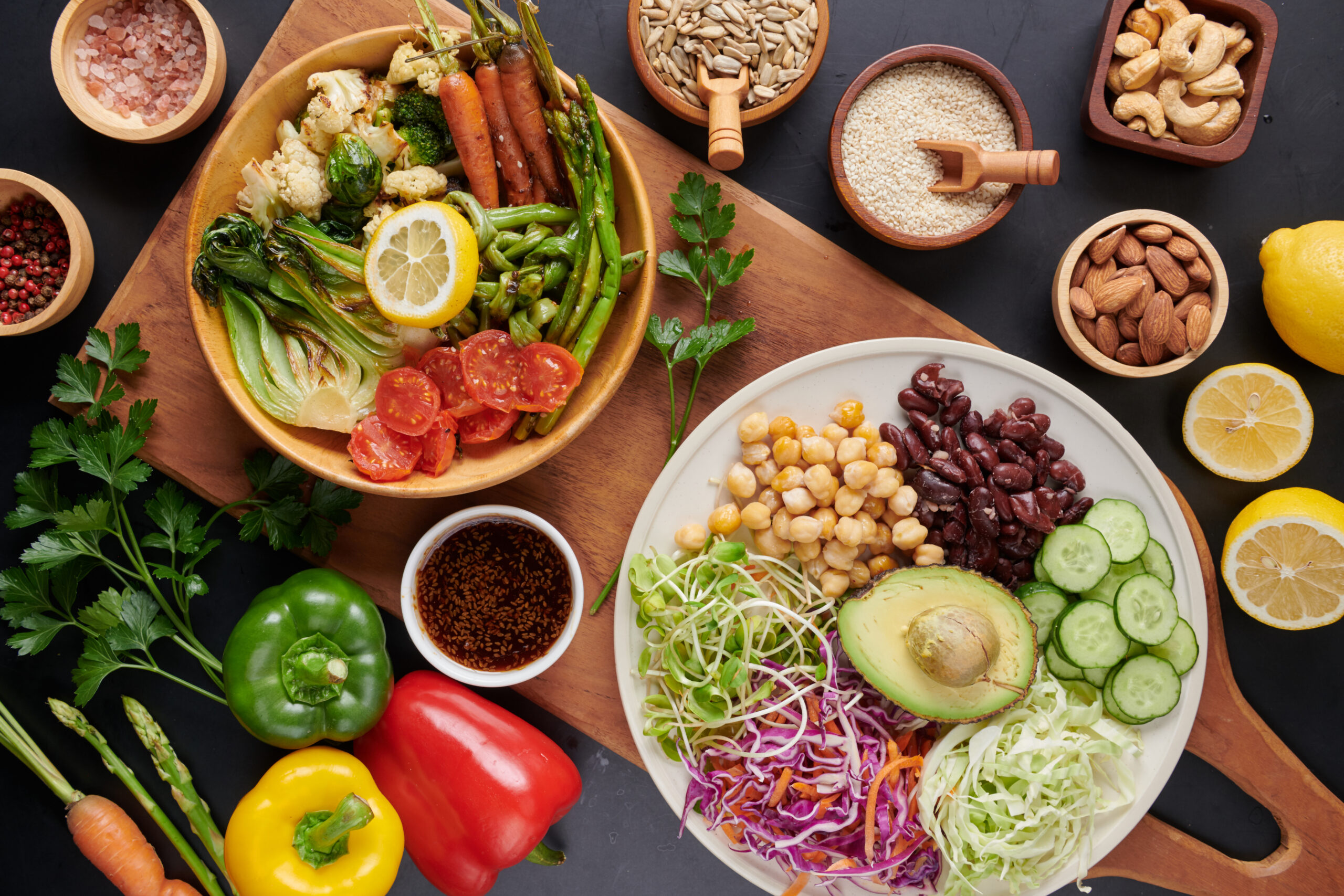
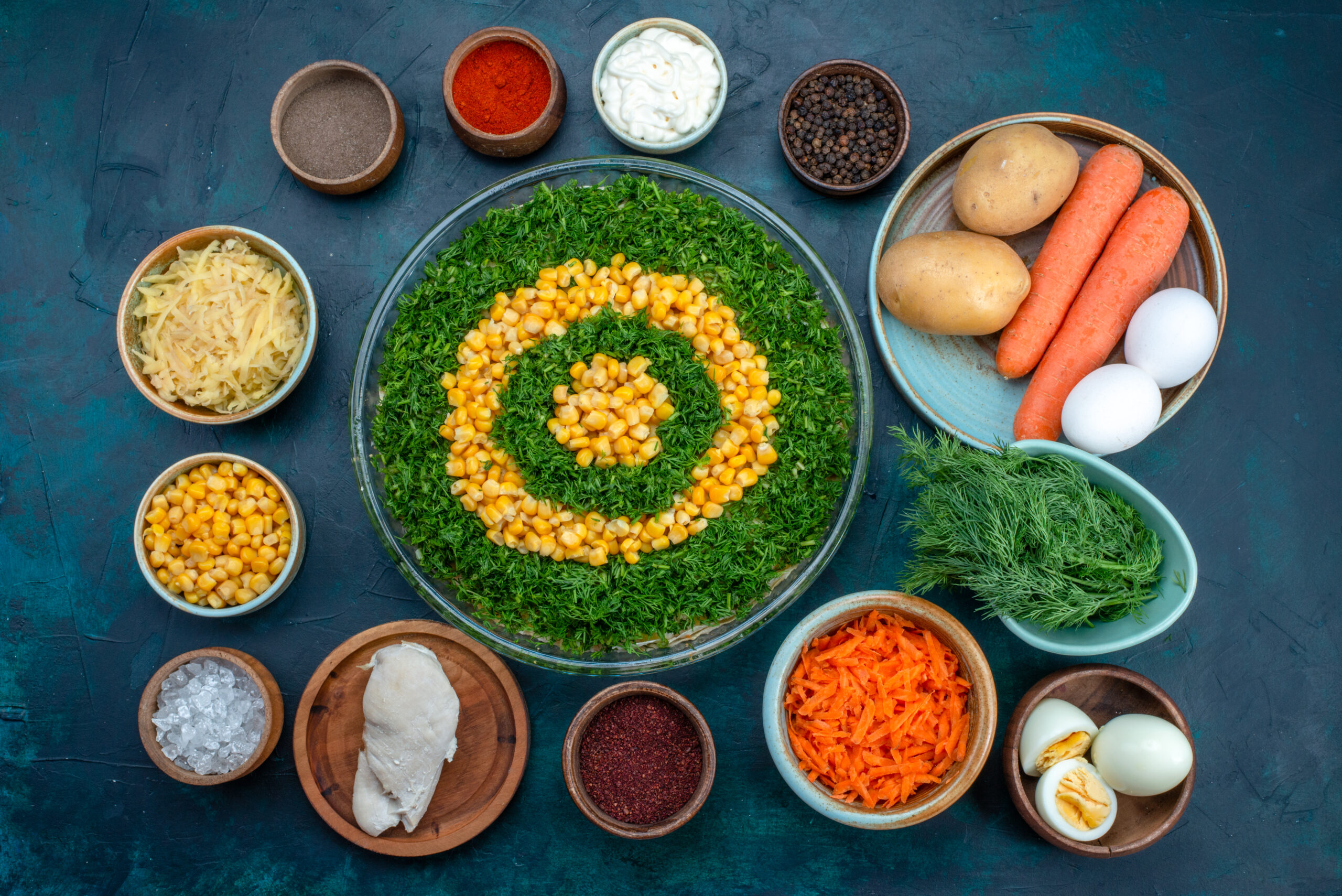
Neuro-Nourishment: Foods That Balance Glutamate for Instant Calm Feeling anxious, restless, or mentally overwhelmed isn’t always “in your head” it’s often in your neurochemistry. One key player? Glutamate your brain’s main excitatory neurotransmitter. In simple terms, it keeps your brain alert and active. But when levels go unchecked, it can trigger anxiety, brain fog, irritability, and even poor sleep. This is where neuro-nourishment comes in. By choosing the right foods, you can naturally support glutamate balance, calm your nervous system, and improve mental clarity—without depending on quick fixes. What Is Glutamate and Why Balance Matters Glutamate helps with: Learning and memory Focus and alertness Brain signaling But excess glutamate = overstimulation. Signs of Imbalance Anxiety or panic feelings Poor sleep quality Mental fatigue Mood swings Your goal isn’t to eliminate glutamate it’s to balance it with calming neurotransmitters like GABA. Magnesium-Rich Foods (Natural Calming Agents) Magnesium acts like a brake for excess brain activity. Eat more: Spinach Pumpkin seeds Almonds Dark chocolate (70%+) 👉 Helps reduce overstimulation and promotes relaxation. GABA-Boosting Fermented Foods These support the calming neurotransmitter that balances glutamate. Top choices: Yogurt Kefir Kimchi Idli/dosa batter (fermented foods you already eat!) 👉 Directly supports a calmer, more stable mood. Omega-3 Fatty Acids for Brain Stability Omega-3s regulate neurotransmitter signaling. Best sources: Fatty fish (salmon, sardines) Flaxseeds Walnuts 👉 Helps reduce anxiety and improves brain function. Vitamin B6 Foods (Critical for Neuro Balance) Vitamin B6 helps convert glutamate into GABA. Include: Bananas Chickpeas Potatoes Chicken 👉 Essential for maintaining neurotransmitter balance. Antioxidant-Rich Fruits & Vegetables Oxidative stress worsens glutamate imbalance. Add daily: Blueberries Carrots Beets Turmeric 👉 Protects brain cells and supports mental clarity. Foods That May Disrupt Glutamate Balance et’s be honest this is where most people mess up. Limit or Avoid: Processed foods with MSG Excess sugar Artificial sweeteners Packaged snacks 👉 These can overstimulate your brain and worsen anxiety symptoms. Simple Daily Neuro-Nourishment Plan You don’t need a complicated diet. Follow this basic structure: Morning: Protein + healthy fats (eggs + nuts) Lunch: Fiber + fermented food (rice + veggies + curd) Snack: Magnesium source (nuts/dark chocolate) Dinner: Light + balanced (protein + veggies) Consistency matters more than perfection. Why This Matters for FitMom Club Women If you’re juggling work, home, fitness, and stress, your brain is constantly “on.” That leads to: Burnout Emotional eating Low energy Balancing glutamate helps you: Stay calm under pressure Improve focus Sleep better Feel mentally in control FAQs Loved the Post? Share It!
Neuro-Nourishment: Foods That Balance Glutamate for Instant Calm Read More »