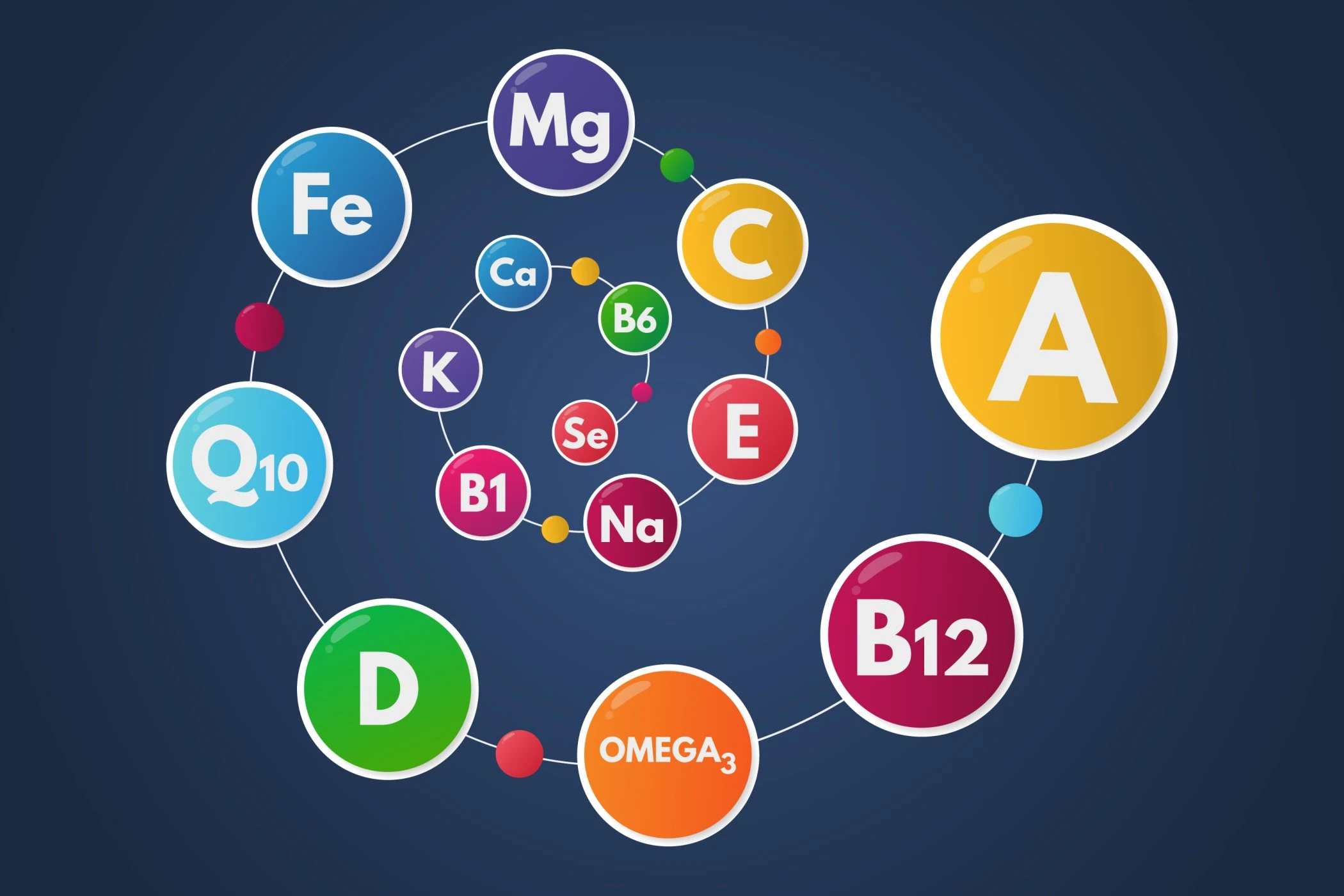




Vitamins Necessary for Women’s Health: A Complete Guide to Optimal Nutrition and Well-Being
Vitamins Necessary for Women’s Health: A Complete Guide to Optimal Nutrition and Well-Being Introduction: Why Women’s Nutritional Needs Are Unique Women’s bodies go through constant physiological changes from adolescence and menstruation to pregnancy, postpartum recovery, and menopause. Each life stage places different nutritional demands on the body. Unfortunately, modern lifestyles, stress, poor dietary habits, and processed foods often lead to nutrient deficiencies and hormonal imbalances, which can silently affect energy levels, immunity, skin health, mental clarity, and reproductive wellness. This is where vitamins and minerals necessary for women’s health play a critical role. These micronutrients support everything from bone strength and blood formation to hormone regulation, fertility, heart health, and immunity. Unlike macronutrients such as carbohydrates or protein, vitamins and minerals are needed in smaller amounts, but their impact is enormous. In this comprehensive guide, we’ll explore the most important vitamins for women’s health, including Vitamin A, B-complex vitamins, Vitamin C, D, and E, along with essential minerals like Iron, Calcium, Magnesium, Zinc, Iodine, and Omega-3 fatty acids. You’ll learn what each nutrient does, why women need it, recommended daily allowances (RDA), and the best food sources to include in your diet. Vitamin A: The Beauty and Immunity Vitamin Vitamin A is a fat-soluble vitamin often referred to as the “beauty vitamin”, but its benefits go far beyond glowing skin. It plays a vital role in vision, immune defense, reproductive health, and cellular growth. Why Vitamin A Is Essential for Women Women need adequate Vitamin A to support: Eye health, especially night vision Reproductive health and fertility Bone development and strength Immune system function, helping the body fight infections Cancer prevention, due to its role in cell differentiation A deficiency in Vitamin A may lead to dry skin, frequent infections, poor wound healing, and vision problems. RDA of Vitamin A for Adult Women 700 µg per day Best Food Sources of Vitamin A Plant-based (beta-carotene): Carrots, sweet potatoes, pumpkin, spinach, kale, collard greens, mango, papaya, guava Animal-based (retinol): Liver, cod liver oil, egg yolks, fish, dairy products, beef, chicken B-Complex Vitamins: The Energy and Hormone Regulators The B-complex vitamins are water-soluble and essential for energy metabolism, nervous system health, hormone regulation, and red blood cell production. Women are particularly vulnerable to B-vitamin deficiencies due to stress, hormonal changes, and pregnancy. Vitamin B1 (Thiamine): For Nerves and Heart Health Vitamin B1 supports energy production, appetite, nerve signalling, and cardiovascular health. RDA: 1.1 mg/day Sources: Whole grains, legumes, nuts, pork, peas, asparagus, potatoes, fortified cereals Vitamin B2 (Riboflavin): For Blood and Bone Balance This vitamin helps maintain calcium balance, supports red blood cell formation, and prevents anemia. RDA: 1.1 mg/day Sources: Dairy products, eggs, lean meats, spinach, kale, broccoli, fortified grains Vitamin B3 (Niacin): For Energy and Heart Health Niacin is crucial for cellular energy production and supports nervous system and cardiovascular health. RDA: 14 mg/day Sources: Poultry, turkey, tuna, salmon, red meat, peanuts, mushrooms, fortified cereals Vitamin B5 (Pantothenic Acid): For Skin and Stress Support This vitamin supports adrenal function, skin health, and energy metabolism. RDA: 5 mg/day Sources: Eggs, milk, mushrooms, avocados, legumes, whole grains, peas, broccoli Vitamin B6 (Pyridoxine): For Hormones and Mood Vitamin B6 plays a key role in hormone regulation, red blood cell production, and neurotransmitter synthesis. RDA: 1.3 mg/day Sources: Bananas, potatoes, spinach, sunflower seeds, chicken, turkey, tuna, salmon Vitamin B7 (Biotin): For Hair, Skin, and Nails Often associated with beauty, biotin supports metabolism, nervous system function, and healthy hair and skin. RDA: 30 µg/day Sources: Egg yolks, almonds, walnuts, sunflower seeds, soybeans, whole grains, organ meats, bananas Vitamin B9 (Folate): Essential for Women of Reproductive Age Folate is critical for DNA synthesis, red blood cell formation, and fetal development. RDA: 400 µg/day Sources: Leafy greens, lentils, chickpeas, black beans, oranges, avocados, fortified cereals, beets Vitamin B12 (Cobalamin): For Nerves and Blood Health Vitamin B12 prevents anemia, supports nerve health, and boosts energy levels. RDA: 2.4 µg/day Sources: Fish, meat, dairy, eggs, fortified plant-based foods, shellfish Vitamin C: The Immunity and Skin Booster Vitamin C, also known as ascorbic acid, is a powerful antioxidant essential for tissue repair and immune defense. Benefits of Vitamin C for Women Strengthens the immune system Enhances iron absorption, reducing anemia risk Promotes healthy skin and collagen production Supports heart health Protects against oxidative stress RDA of Vitamin C for Adult Women 75 mg/day Best Food Sources Bell peppers, broccoli, Brussels sprouts, spinach, tomatoes, oranges, lemons, guava, papaya, berries, kiwi, cantaloupe Vitamin D: The Sunshine Vitamin for Strong Bones Vitamin D is a fat-soluble vitamin crucial for calcium absorption and bone health. Many women are deficient due to limited sun exposure. Why Women Need Vitamin D Maintains strong bones and teeth Supports muscle strength Promotes healthy pregnancy Reduces risk of autoimmune diseases, infections, and certain cancers Supports heart health RDA of Vitamin D 600 IU/day (15 µg) for adults 800 IU/day (20 µg) after age 70 Sources Fatty fish (salmon, sardines, mackerel), fortified dairy, egg yolks, and sunlight exposure Vitamin E: The Antioxidant Protector Vitamin E protects cells from oxidative damage and supports immune and reproductive health. Benefits for Women Promotes heart health Improves skin and hair health Reduces menstrual discomfort Strengthens immune response RDA 15 mg/day Sources Corn oil, cod-liver oil, hazelnuts, peanut butter, safflower oil, sunflower seeds, wheat germ Iron: Essential for Energy and Blood Health Women are at higher risk of iron deficiency due to menstruation, pregnancy, and childbirth. Why Iron Is Critical Supports oxygen transport in blood Prevents fatigue and hair loss Essential during pregnancy Enhances exercise performance RDA 18 mg/day Sources Red meat, poultry, seafood, beans, lentils, tofu, spinach, fortified cereals, pumpkin seeds Calcium: The Foundation of Bone Health Women have lower bone density than men, making calcium crucial throughout life. Benefits of Calcium Prevents osteoporosis Reduces PMS symptoms Supports heart rhythm and nerve function Helps with muscle contraction and blood clotting RDA 1000 mg/day 1200 mg/day for women over 50 Sources Milk, yogurt, cheese, kale, tofu, almonds, sesame seeds, broccoli, fish Magnesium: The Stress-Relief Mineral Magnesium supports over 300 enzymatic reactions in the body. Why Women Need Magnesium Reduces PMS and