


FitMom Club

Health Issues

Early Signs Your Gut-Brain Axis Is Out of Sync

5 Early Signs Your Gut–Brain Axis Is Out of Sync 

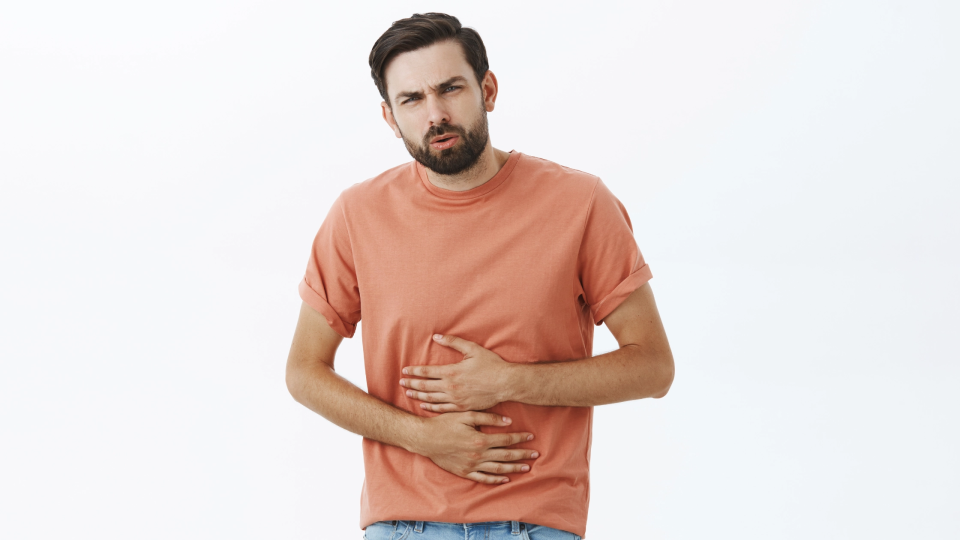
5 Early Signs Your Gut–Brain Axis Is Out of Sync Introduction Your gut and brain are constantly communicating, and often, long before obvious illness strikes, your body sends subtle signals that this communication is off. Busy professionals frequently dismiss these early whispers as “just stress” or “bad days.” But when the connection between your gut and brain, known as the gut–brain axis, is out of sync, you may begin noticing hidden signs: digestive discomfort, mood dips, midday fatigue, or unexpected cravings.  Below, I outline five early warning signs of a disrupted gut–brain axis, why they matter, and how simple lifestyle changes can help restore balance.  What Is the Gut–Brain Axis? The gut–brain axis is a two-way communication network linking your digestive system with your brain, via nerves (like the Vagus nerve), hormones, immune signals, and the trillions of microbes in your intestines.     When your microbiome is healthy, this connection helps regulate digestion, mood, energy, and even immune function. But when this network is disrupted, due to stress, poor diet, irregular lifestyle, or imbalance in gut bacteria (dysbiosis), it can impact both body and mind.    Understanding these subtle signs early can help you intervene before things escalate.    5 Early Warning Signs of an Imbalanced Gut–Brain Axis 1. Persistent Digestive Discomfort (Bloating, Indigestion, Irregularity) Even mild but recurring symptoms such as unexplained bloating, indigestion, constipation or diarrhea, especially when paired with stress, can hint at a disrupted gut-brain axis.     Stress, irregular mealtimes, or poor sleep can slow down or speed up gut motility.    Digestive enzyme secretion may reduce, and gut microbial balance can shift, leading to inflammation or poor digestion even if your diet hasn’t changed.    If your digestion becomes unpredictable, not because of what you eat, but how your body is reacting, it’s a red flag worth noticing.  2. Mood Swings, Irritability or Anxiety Without Clear Cause Because much of your body’s neurotransmitter production (like serotonin) involves gut microbes and gut-cell functions, gut imbalance can lead to mood instability.     People often feel anxious, irritable, emotionally sensitive, or experience an unexplained low mood, even when external life circumstances are stable.     What seems like “just stress” may originate from gut-brain miscommunication.  Consumers want foods that deliver extra nutritional benefits beyond calories.  3. Brain Fog, Difficulty Concentrating, Memory Lapses A disrupted gut-brain axis can affect cognitive clarity. When gut bacteria are unbalanced and inflammation increases, production of key microbial metabolites (like short-chain fatty acids) may drop, which can impair brain health and lead to “brain fog.”   Symptoms may include: Sluggish thinking or difficulty focusing  Memory lapses or fuzzy recall  Slower decision-making or mental fatigue  This is often misattributed to sleep deprivation or aging but may actually improve notably when gut health is addressed.  4. Unusual Appetite Changes or Sugar/Carbohydrate Cravings Gut microorganisms influence hunger, fullness, and cravings by interacting with gut hormones (like ghrelin, leptin) and through biochemical signaling. Medical News   When the gut-brain axis is off, you may notice: Sudden sugar cravings or strong urges for refined carbs  Unstable appetite, sometimes very hungry, other times little interest in food  Difficulty feeling satisfied even after eating  Such patterns may reflect microbial imbalances rather than a lack of willpower.  5. Low Energy or Fatigue Despite Adequate Sleep Gut health plays a big role in nutrient absorption, inflammation regulation, energy production, and even sleep quality.  If your gut is inflamed or inefficient: Nutrient absorption may drop, leaving you under-fueled.  Inflammation and poor microbial balance may undermine energy metabolism and mitochondrial function.  Sleep quality might suffer, or even if you sleep enough, you wake up feeling tired.  Chronic fatigue with no obvious cause is often a sign worth checking gut health for.  Why These Early Signs Matter If left unchecked, gut-brain imbalance (often driven by microbial dysbiosis, chronic stress, irregular lifestyle) can escalate into more serious issues:  Digestive disorders such as irritable bowel syndrome (IBS), reflux, indigestion, or functional gut disorders.   Persistent mood disorders like depression or anxiety.  Long-term fatigue, poor immunity, sleep disturbances, all affecting quality of life.  Identifying and addressing these early helps you restore balance faster, often with simple, sustainable lifestyle changes.  How to Rebalance Your Gut–Brain Axis: Practical Steps Here are evidence-based strategies to restore gut–brain harmony and support overall well-being:  Eat fiber-rich, prebiotic foods daily – oats, apples, bananas, lentils, whole grains, leafy greens. These feed beneficial gut bacteria.  Including fermented foods or probiotics – yogurt, kefir, sauerkraut, kimchi, miso helps repopulate healthy gut microbes.  Maintain regular meal timings and consistent eating patterns, so your microbiome and digestive rhythms stay stable.   Reduce ultra-processed foods and excess caffeine or sugar, which can harm microbial diversity and increase gut stress.  Support your nervous system connection (e.g., vagus nerve) – manage stress, practice mindful eating, sleep well, and consider gentle movement or relaxation techniques.  Focus on a varied, balanced diet – including healthy fats (omega-3s), polyphenol-rich foods, whole-foods, and plant-based nutrients to foster microbial balance.  Conclusion Your gut and brain are partners, mutually influencing digestion, mood, cognition, energy, and overall health. When the gut-brain axis becomes imbalanced, the body often whispers before it shouts. By paying attention to early signs like digestive discomfort, mood shifts, brain fog, cravings, or unexplained fatigue, you give yourself the chance to respond early.  Simple, consistent habits, like a fiber-rich diet, fermented foods, regular meals, mindful eating, and stress management, can restore that balance. With the right lifestyle focus, you can bring your gut-brain axis back into harmony, and rediscover mental clarity, energy, and emotional stability.    By  Dhanya. R  Asst. Subject Matter Expert – Nutrition  FAQs Loved the Post? Share It!

5 Early Signs Your Gut–Brain Axis Is Out of Sync  Read More »

Is infertility becoming more common?

Is infertility becoming more common? Nowadays, Infertility is becoming more common among young individuals across nations. This is not a taboo topic anymore because it’s the need of the hour. The number of individuals who are becoming infertile is increasing day by day and it urges us to talk right now. In this article, we are going to discuss its causes both in men and women. Before going any further, there is a need for understanding the term infertility. What is infertility? When a couple cannot conceive after having regular unprotected sex is called infertility. It may be that one partner cannot contribute to conception, or that a woman is unable to carry a pregnancy full time. It is often defined as not conceiving after 12 months of regular sexual intercourse without preventive measures. Infertility can affect both males and females and can result from many different causes. About 1 in every 10 couples is infertile, or somewhere between 10 and 15 per cent of the population. Normal fertility depends on the production of a good number of healthy, motile sperm by the male and the delivery of those cells into the vagina. It also depends upon the successful passage of the sperm through the uterus and into the fallopian tubes, and penetration of a normal egg by one of the sperm. A successful pregnancy also requires that the fertilized ovum subsequently become implanted in the lining of the female uterus. If there is any problem in any one of the processes, it causes infertility in couples. Factors that can have many effects on reproductive capacity in both men and women include alcohol consumption and drug use, a history of sexually transmitted diseases (STDs), and a number of general medical problems including obesity, and diabetes. The impact of smoking on reproduction is considerable. Cigarette smoke contains hundreds of toxic substances, the negative health effects of which have been well documented. By interfering with the production of sperm, smoking can adversely affect male fertility. In women, smoking can affect different stages in the reproductive process, from the pickup of the egg by the fallopian tube to the growth and development of the fetus. Here there are many other factors that are directly affecting the fertility of both women and men. Let us understand the factors that are making a woman infertile. Female infertility Female infertility may be caused by ovulatory, endometriosis, cervical, and uterine factors, as well as by advanced age. The presence of adhesions (rubbery or filmy bands of scar tissue) in and around the fallopian tubes interferes with the ability of the tube to take up the egg after it has been released from an ovary; it can also affect the movement of the sperm through the tube. Causes of female infertility Female infertility can be caused by: 1. Endometriosis 2. Problems with the fallopian tubes 3. Problems with the uterus 4. Ovulation problems 5. Polycystic ovary syndrome (PCOS / PCOD ) 1. Endometriosis Endometriosis is a condition in which cells from the lining of the uterus (the endometrium) migrate to other parts of the pelvis. It can damage the fallopian tubes and the ovaries, and affect the movement of the egg and sperm. Even if the fallopian tubes and ovaries are not damaged, endometriosis can affect fertilisation, embryo growth and implantation 2. Problems with the fallopian tubes The sperm fertilises the egg on its journey down the fallopian tube. A blocked or scarred fallopian tube may impede the egg’s progress, preventing it from meeting up with sperm. 3. Problems with the uterus The fertilised egg lodges (implants) in the lining of the uterus. Some uterine problems that can hamper implantation include: fibroids – non-malignant tumours inside the womb polyps – overgrowths of the endometrium, which can be prompted by the presence of fibroids. 4. Ovulation problems  The menstrual cycle functions by several glands and their hormones work in harmony. For ovulation to occur, a part of the brain called the hypothalamus prompts the nearby pituitary gland to secrete hormones that trigger the ovaries to ripen eggs. Irregular or absent periods indicate that ovulation may be irregular or absent too. The age of the woman is a significant fertility factor. The chance of pregnancy for a woman aged 40 years is only 5% per menstrual cycle. Ageing eggs are thought to be the cause. A woman is born with her entire egg supply and, as time passes, these eggs become less viable. Other difficulties for women over 40 include an increased risk of miscarriage and genetic abnormalities in the unborn baby. 5. Polycystic ovary syndrome ( PCOS / PCOD ) At ovulation, the ovaries produce small cysts or blisters called follicles. Typically, one follicle ripens to release an egg. In polycystic ovary syndrome (PCOS), the follicles fail to ripen, instead of forming little cysts at the periphery of the ovaries which often release male sex hormones. This means that the woman’s ovulation and periods are irregular or don’t happen at all. These are the major causes which are affecting the fertility of women. One cannot say this is the exact reason for the cause of infertility because there are many other minor reasons which can also be potential reasons. In the next blog, male infertility causes and treatment will be discussed. In addition to that, You can fill out the form to get our exclusive Ebooks https://docs.google.com/forms/d/1ph_oxZLapsfJYyy3xCuh2iOgt-V6NjaKLGb76TxsFPo/edit?ts=628df80f Thanks for Reading!!!

Is infertility becoming more common? Read More »

How Does PCOS Affect Your Life?

How Does PCOS Affect Your Life? PCOS – Polycystic ovary syndrome is a health problem that affects one out of every ten women of childbearing age and is caused by an excess of the male hormone androgens in a woman’s ovaries. Nowadays poor eating habits, poor nutritional choices, lack of physical activity, and a sedentary way of life have paved the way for numerous health concerns like PCOS, PCOD, thyroid, and diabetes. Women with this health disorder have infrequent or prolonged menstrual periods, hormonal imbalances, and metabolism problems that may affect their overall health and brings up fertility issues. What can be the symptoms of PCOS? PCOS’s actual cause is undisclosed. However, understanding the effects is important for the betterment and improving the quality of your life. Controlling your symptoms can help you live a healthy life. Infertility caused by PCOS is also a frequent and curable condition. Early detection and treatment, as well as weight loss, may lower the risk of long-term consequences, including type 2 diabetes and heart disease. And it is distinguished by six major traits. They are… irregular periods, abnormal hair development, acne breakouts, unhealthy weight gain, difficulties in pregnancy, and mental health implications Irregular periods: PCOS affects your menstruation because it causes a hormonal imbalance in your ovaries. This implies you’d either miss multiple periods in a row or have them too regularly.  Abnormal Facial Hair: Women with PCOS have abnormal hair development in odd areas, including the chin, sides of the face, chest, nipples, abdomen, and inner thighs. This is generally caused by an increase in the levels of the male hormone androgen. It also affects your hair, making it thinner or more prone to falling out. Acne Breakouts: Increased male hormones cause a rise in adult acne in many parts of the body, including the face, chest, and back. This type of acne cannot be treated with typical acne medications. Unhealthy weight gain Around 80% of women with PCOS have weight swings, with most of them gaining. The weight gain is usually concentrated in the abdomen and is caused by insulin resistance in the body.  Difficulties in Pregnancy PCOS makes becoming pregnant difficult since it disrupts your period cycle through irregular periods or a lack of ovulation and is frequently associated with infertility. Related post: Is infertility becoming more common among young individuals? Mental health implications Women with PCOS are more likely to suffer from mood disorders such as anxiety and depression  An excess of androgens may create mental health problems. Women are frequently distressed by these hormones due to the weight gain, hair growth, and infertility they cause. What happens if PCOS is not treated? Fat accumulation in the liver High blood pressure High blood sugar levels Abnormal cholesterol levels Diabetes type 2 Bleeding in the uterus But it can be effectively managed only by lifestyle changes. Sustain a Healthy Weight Obesity is a problem for the majority of PCOS women. In order to bring it under control, you should maintain a healthy body weight. Adopt a Healthy Diet Avoiding carbs can help you lower your insulin levels. Instead, consume healthful carbs that slowly and steadily build your blood sugar levels. Physically active Engage in physical activity every day to lower your blood sugar levels. Aim for at least 30–40 minutes of exercise every day. Follow VMax.fit to know more about our fitness programs to manage and control your PCOS, PCOD, or thyroid health concerns. Thanks for Reading!!!

How Does PCOS Affect Your Life? Read More »

PMS IS NOT A JOKE? PMS SYMPTOMS

PMS IS NOT A JOKE? PMS SYMPTOMS What is PMS? You will most likely notice signs that your menstrual cycle is approaching. For most women, it’s nothing to worry about—maybe sensitive breasts or a sweet tooth. But on the other hand, some find these last few days before their period are harder. You may have PMS (premenstrual syndrome) if it interferes with your regular life. PMS is a pretty common condition. Around 48 percent of women of reproductive age experience PMS, with about 20 percent experiencing symptoms severe enough to disrupt their daily routine. Menstruation is a normal part of life. There are methods to control PMS symptoms if that is a problem for you. PMS is a collection of changes that can harm you on several levels. PMS symptoms can be physical, emotional, or behavioural in nature. Changes occur one to two weeks before your menstruation. It will go away once your period begins, or shortly thereafter. What does PMS do to a woman? There are many different signs and premenstrual symptoms of PMS, including mood swings during the period, sensitive breasts, food cravings, exhaustion, irritability, and depression. Premenstrual syndrome is thought to have affected up to three out of every four menstruating women. PMS symptoms may be reduced by lifestyle modifications and medication. Physical signs Bloated tummy Cramps Tender breasts Hunger Headache Muscle aches Joint pain Swollen hands and feet Pimples Weight gain Constipation or diarrhoea Emotional signs Tense or anxious Depressed Crying Mood swings Can’t sleep Don’t want to be with people Feel overwhelmed or out of control Angry outbursts Behavioural signs Forget things Loss of mental focus Tired Self-diagnosable Mood swings during the period, tender breasts, food cravings, exhaustion, irritability, and depression are all premenstrual symptoms that are self-treatable. Women may also experience  Areas of pain: the breast, belly, back, joints, muscles, and pelvis Gastrointestinal symptoms: constipation, diarrhoea, nausea, passing large volumes of gas, or water retention. Whole body: changes in appetite, extreme hunger, weariness, or loss of appetite. Mood: anxiety or overall discontent. Is PMS just a period? Premenstrual syndrome (PMS) is more than just a premenstrual condition; it is a collection of premenstrual symptoms that many women experience a week or two before their period. Women experience PMS symptoms such as bloating, headaches, and moodiness. It is usually at its worst 4 days before menstruation. PMS normally resolves 2 to 3 days after the start of menstruation. Cause of PMS Despite the fact that PMS is common, experts don’t know what causes it. It’s most likely due to changes in your body chemistry around the time of your menstruation. Some factors have an impact on PMS but do not cause it. Premenstrual symptoms can be triggered or worsened if you: Smoking  Lack of physical activity. Lack of sleep. Too much alcohol, salt, red meat, or sugar. Depression Women who have various health issues may notice that they worsen before their menstruation. Migraine headaches, asthma, and allergies are a few examples. What Can I Do to Deal with PMS? There are several methods for dealing with PMS. Even if you can’t completely solve things, it’s comforting to know you have the ability to help yourself. These suggestions may be useful: Keep track of your feelings and symptoms. Exercise for 30 minutes every day. Consume nutritious foods such as whole grains, fruits, and vegetables. Make an effort to obtain adequate calcium from meals (think dairy, green leafy vegetables, and canned salmon). Stay away from salt, coffee, and alcohol. Don’t smoke. Get enough sleep. Work to reduce stress. Would you like to take a consultation call from us? Kindly fill out the below form Use this healthy treat as a sweetnesshttps://docs.google.com/forms/u/1/d/1ph_oxZLapsfJYyy3xCuh2iOgt-V6NjaKLGb76TxsFPo/edit?ts=628df80f#responses in your diet.

PMS IS NOT A JOKE? PMS SYMPTOMS Read More »

Still a chocoholic with a high blood sugar level? Dark chocolate is preferred over sugary sweets.

Still a chocoholic with a high blood sugar level? To Dark chocolate is preferred over sugary sweets. If you have diabetes and still love chocolate, don’t worry about your blood sugar levels. Introductions are not necessary for this immensely valuable food, which dates back to 2000 BC. In contrast to the milk or butter in milk chocolate, dark chocolate only contains cocoa solids and cocoa butte  “Bitter chocolate,” or unsweetened chocolate, is the term for dark chocolate without artificial flavouring. Milk chocolate contains 10-50 per cent cocoa solids, cocoa butter, milk in some form, and sugar, whereas dark chocolate contains 50-90 per cent cocoa solids, cocoa butter, and sugar Lower-quality chocolates may also include butter fat, vegetable oils, or artificial colours or flavours. White chocolate has no cocoa solids and is produced entirely from cocoa butter, sugar, and milk. Nutritional value A 100-gram (g) bar of dark chocolate with 70-85 per cent cocoa solids has   Energy: 604 kcal.   Protein: 7.87 g   Fat: 43.06    Carbs: 46.36 g   Dietary fibre: 11.00 g   Sugar: 24.23 g   Iron: 12.02 mg   Magnesium: 230.00 mg   Zinc: 3.34 mg   Sodium: 20 mg   Caffeine: 80 mg   Vitamin A: (39 IU)   Dark chocolate’s health advantages The proportion of cocoa specified on the chocolate refers to the percentage of all components that are derived from the cacao plant. That implies a dark chocolate product with a greater cocoa % may have a higher concentration of the nutrients that provide the perks. These beneficial components may include: Flavanols   Spolyphenols   Theobromine It is vital to remember that cocoa loses part of its polyphenol components throughout the production process of cocoa butter, cocoa powder, and chocolate. Cocoa processing not only removes some of its most beneficial components, but may also include sugar, milk, and cocoa butter, a refined version of the cocoa bean. An important mineral source Dark chocolate is high in minerals such as iron, magnesium, zinc, copper, and phosphorus. These minerals are used in your body to support factors such as immunity (zinc), bone and tooth health (phosphorus), and contribute to better sleep quality (magnesium). High fibre content Dark chocolate has high fibre content when compared to other sweet treats. “A small amount of dark chocolate (about an ounce) contains about four grams of fibre. Non-dairy Milk chocolate, as the name suggests, contains milk or milk solids. However, dark chocolate is generally considered dairy-free. That means it’s a good choice if you’re lactose intolerant (allergic to milk) or follow a dairy-free diet If you’ve ever wanted to eat chocolate every day, you now have an excuse — or eight Dark chocolate may aid in the prevention of heart disease and lower the risk of stroke. The treatment may boost your mood, improve your intelligence, and prevent memory loss. Dark chocolate may help to lower blood sugar levels and lower the risk of developing diabetes. Chocolate is beneficial to the digestive system and may aid in weight loss. It combats free radicals and may help prevent cancer. It’s Beneficial for Your Skin (in More Ways Than One). Dark chocolate may raise good cholesterol while decreasing bad cholesterol. Dark chocolate is healthy and delicious!

Still a chocoholic with a high blood sugar level? Dark chocolate is preferred over sugary sweets. Read More »

Does Postpartum Depression make you a Bad Parent?

Does Postpartum Depression make you a Bad Parent? Giving birth is a new feeling every time and can be overwhelming; you may not know how to take care of your newborn and will always be concerned if you will ever be a good parent. But trust us, everything is going to be alright.  Pregnancy is a lot to handle; a woman goes through a lot of changes throughout this period. After the birth, there are chances that you might feel disconnected from your baby and feel no love for your child, which is known as postpartum depression. It affects 1 in 7 new mothers after the birth of a baby, and though this is common, it should not be neglected as it is serious too.  But is it just the mothers who get affected by postpartum depression?  No. People of all genders and all types of parents, even surrogates and adoptive parents, experience it. The feelings of postpartum depression are never your fault but are always valid. Some research suggests an extreme drop in oestrogen and progesterone after giving birth may be responsible for postpartum depression.  Causes Postpartum depression can result from both physical and emotional stressors, some of which are; Hormonal changes  Lack of sleep Low thyroid levels Drug or alcohol consumption Loss of a family member Financial stress Marital conflict Lack of support from others There is another term called baby blues, in which a person might feel sad, tired, or empty after having a baby, but these symptoms usually go away after 3 to 5 days. Whereas, the symptoms of postpartum depression go way beyond that.  Look out for these symptoms in case you want to know if you are suffering from postpartum depression. These symptoms start within 1 to 3 weeks of having a baby and vary from one person to another. If you are experiencing it, then know that you certainly are not alone and can recover from it with some help.  Treatments Medications – Antidepressants should be only taken when advised by a doctor.      2. Hormonal therapy – The fluctuations in hormones after giving birth needs to be managed with hormonal therapy.        3. Therapy – Cognitive behavioural therapy uses techniques to help change thinking patterns and cope with difficult situations, which may relieve symptoms.        4. Natural remedies – Though should not be dependent on it, there are some things that you can do at your home such as yoga, eating healthy food, spending time in nature, and regularly working out.        5. Self-care – Take something out for yourself and do the things you like.  Tips for managing things after childbirth Ask for expert help. Set realistic expectations for your child and you. Indulge in light physical activity as per guidance.  Avoid consuming alcohol and be on a healthy diet. Communicate things with your partner and take out time for each other.  Keep in touch with your family and friends.  Don’t think that you are not a good parent. Rest well and sleep when you get time. If you are suffering from postpartum depression, get professional help immediately as not treating it may not just cause you a problem but affect your child’s growth as well. 

Does Postpartum Depression make you a Bad Parent? Read More »

Do Thyroid issues raise the risk of complications during pregnancy?

Do Thyroid issues raise the risk of complications during pregnancy? Do you know that the base of your neck contains a butterfly-shaped gland? It is one of the glands that are most important for carrying out some of the most important physiological functions. The hormones it generates regulate how your body uses energy, impacting how nearly all of your organs work. To keep control of your thyroid through a workout & Diet plan, Click here How do these hormones affect the growth of your baby? It helps to develop the child’s brain and nervous system, and for the first 3 months of their growth, they are entirely dependent on your supply of thyroid hormone. Though their thyroid gland starts to function around 12 weeks, the hormones produced are insufficient for them and cause an overproduction of thyroid hormone in your body, which gets passed on to your baby through the umbilical cord. Due to this, it becomes difficult for the health care provider to diagnose if you have a thyroid problem or if it’s just because of your pregnancy. Two of the most common thyroid issues are : Hyperthyroidism Hyperactive production of the thyroid hormone causes;    Excessive weight loss Irritability Increased appetite Trouble sleeping Enlarged thyroid gland  Having muscle weakness and tremors Experiencing irregular menstrual periods or having your menstrual cycle stop Sensitive to heat Having vision problems or eye irritation Hypothyroidism Insufficient production of thyroid hormone by the gland   Unexplained weight gain Lethargy (Feeling tired) Muscle weakness Experiencing forgetfulness Having frequent and heavy period flow Dry hair Hoarse voice Intolerance to cold temperatures Causes Iodine deficiency Autoimmune diseases such as Graves’ disease causing hyperthyroidism or Hashimoto’s disease leading to hypothyroidism Inflammation caused by a virus or bacteria Nodules, or non-cancerous lumps Cancerous tumours Specific medical treatments, including radiation therapy, thyroid surgery, and some medicines Some genetic disorders How can untreated hyperthyroidism and hypothyroidism affect you and your baby? Miscarriage Premature birth Birth weight less than 2.5 kgs Preeclampsia – Increase in blood pressure during late pregnancy Risk of hyperthyroidism for the baby Rapid heart rate can lead to heart failure Poor weight gain irritability An enlarged thyroid can block the windpipe causing difficulty in breathing Risk of hyperthyroidism for the baby Lack of thyroid hormone causes low IQ levels and normal development of the baby. Treatment : Most of the time treatment involves medications that should be taken under expert supervision only after being diagnosed correctly.  Anti-thyroid drugs (methimazole and propylthiouracil): Stops overproduction of thyroid hormone Radioactive iodine: Damages cells of the thyroid gland that prevents high thyroid levels Beta-blockers: Help to control your symptoms Surgery  Thyroid replacement medication: Synthetic medicine to boost thyroid production.  Foods to eat to manage thyroid levels The recommended daily allowance of iodine for pregnant and lactating women is 250 mcg and 280 mcg, respectively.  Here are some iodine-rich foods that you can try to include in your diet to help properly function the thyroid gland. Iodized salt Dairy foods Seafood Eggs Meat and poultry Nuts So the biggest question is can you conceive when you have thyroid issues? Yes, you can, but consulting with an expert before getting pregnant will help avoid many such complications. To get a FREE health consultation call & Sign up for a weight loss program. Enquire Now

Do Thyroid issues raise the risk of complications during pregnancy? Read More »

Is infertility just a woman’s problem?

Is infertility just a woman’s problem? No, infertility is not always a female issue. Infertility can affect both men and women. Infertility in men: One in seven couples is infertile. Male infertility can be caused by poor sperm production, defective sperm function, or sperm delivery clogs. Male infertility can be caused by illnesses, injuries, chronic health issues, lifestyle choices, and other conditions.     Inability to have a child can be stressful and depressing, but a variety of natural lifestyle solutions for male infertility are available. Even if you are undergoing IUI therapy, you must follow this natural lifestyle routine.  Symptoms: Change in hair growth Sexual desire varies Testicular pain, bulge, or swelling Erection and ejaculation problems Testicles are small and solid A lack of smell Causes of male infertility: In general, male infertility is related to the following issues: Efficient sperm production. Sperm count, is often known as the quantity of sperm. The shape of the sperm Sperm movement These issues are exacerbated by stress, alcohol consumption, smoking, junk foods, and a lack of exercise and meditation. Although it only takes one sperm to fertilize an egg but the journey there might be difficult. The greater your sperm count, the higher your chances. You must release healthy sperm: Initially, this includes the development of male reproductive organs throughout puberty. At least one of your testicles must be working correctly, and your body must create testosterone and other hormones to initiate and sustain sperm production.  Sperm must be transported into the semis: Once sperm are formed in the testicles, it is transported through delicate tubes until it combines with semen and is ejaculated out of the penis.  There must be enough sperm in the semen: If the amount of sperm in your semen is low, the chances of fertilizing your partner’s egg are reduced. A low sperm count is defined as less than 15 million sperm per mL of semen or less than 39 million sperm per ejaculate.  Sperm must be functional and active: If your sperm’s motility or function is poor, it may be unable to reach or enter your partner’s egg.  Risk factors: Drug use Anabolic drugs used to increase muscle strength and development might shrink the testicles and reduce sperm production. Cocaine and marijuana use may temporarily lower the number and quality of your sperm.  Smoking Men who smoke may have lower sperm counts than nonsmokers. Secondhand smoking may potentially have an impact on male fertility.  Use of alcohol Alcohol use can diminish testosterone levels, promote erectile dysfunction, and reduce sperm production, which leads to infertility. Excessive drinking can cause liver damage, which can affect fertility.  Being overweight or obese Obesity can affect fertility in a multitude of ways, including directly affecting sperm and generating hormone changes that lower male fertility.  So, how about masturbation? You’ve probably heard that excessive masturbation can lower the sperm count. However, no research has found this to be true. You can ejaculate every day and, with a good diet & workout, you will still have good sperm quality.  How Obesity Affects IUI Success: Being overweight causes mild male factor infertility. Obese couples are experiencing unexplained infertility. Insufficient sperm production. Poor sperm count. In addition to that, You can fill out the form to get our exclusive Ebooks https://docs.google.com/forms/d/1ph_oxZLapsfJYyy3xCuh2iOgt-V6NjaKLGb76TxsFPo/edit?ts=628df80f

Is infertility just a woman’s problem? Read More »

wpChatIcon
Scroll to Top