



The 10-Minute Exercise Snack: Micro-Workouts for Busy Moms
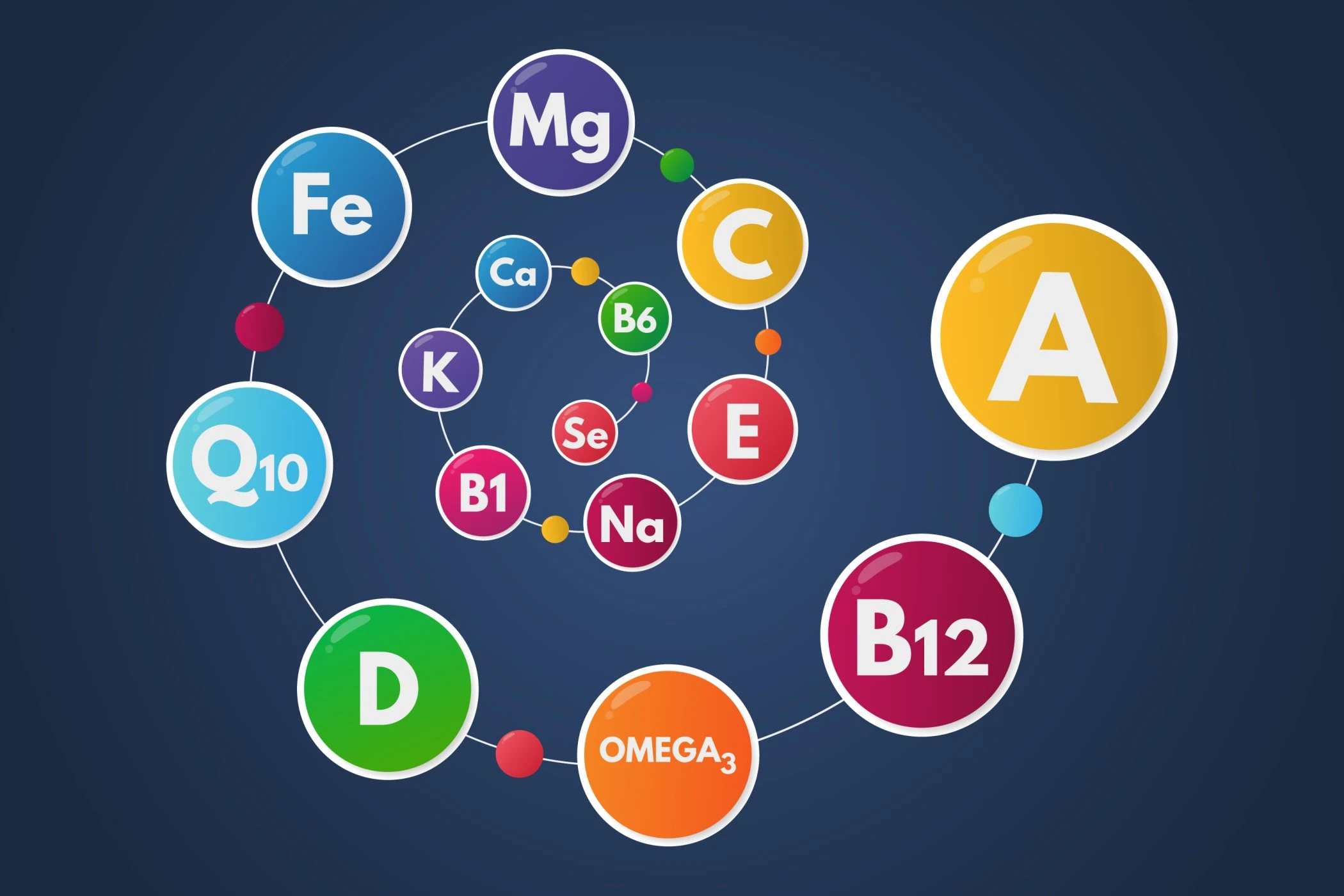
The 10-Minute “Exercise Snack”: Micro-Workouts for the Overwhelmed Mom Introduction: Why Women’s Nutritional Needs Are Unique Motherhood is beautiful, powerful, and deeply rewarding but let’s be honest, it’s also exhausting. Between school drop-offs, meal prep, work deadlines, laundry piles, and the emotional labour that never seems to end, finding an uninterrupted hour to work out can feel downright impossible. If you’ve ever told yourself, “I’ll start exercising when life slows down,” this blog is for you. Welcome to FITMOMCLUB, where we believe fitness should fit into your life, not compete with it. Today, we’re diving deep into a game-changing concept that’s helping busy moms everywhere reclaim their health without overwhelm: the 10-minute “exercise snack.” This isn’t about perfection, extreme routines, or pushing your body to burnout. It’s about small, intentional movement bursts that add up to real results physically, mentally, and emotionally. Let’s explore how micro-workouts for moms can transform the way you think about fitness, even on your busiest days. What Is an “Exercise Snack”? An exercise snack is a short burst of intentional movement typically 5 to 10 minutes performed throughout the day. Instead of one long workout session, you “snack” on movement whenever time allows. Think of it like nutrition: You don’t need one giant meal to fuel your body. You eat small portions consistently throughout the day. Fitness works the same way. Exercise snacks might include: A 10-minute bodyweight circuit A quick core session while dinner cooks Stair intervals between Zoom meetings A stretch + mobility flow before bed The goal isn’t exhaustion it’s consistency. B-Complex Vitamins: The Energy and Hormone Regulators The B-complex vitamins are water-soluble and essential for energy metabolism, nervous system health, hormone regulation, and red blood cell production. Women are particularly vulnerable to B-vitamin deficiencies due to stress, hormonal changes, and pregnancy. Vitamin B1 (Thiamine): For Nerves and Heart Health Vitamin B1 supports energy production, appetite, nerve signalling, and cardiovascular health. RDA: 1.1 mg/day Sources: Whole grains, legumes, nuts, pork, peas, asparagus, potatoes, fortified cereals Vitamin B2 (Riboflavin): For Blood and Bone Balance This vitamin helps maintain calcium balance, supports red blood cell formation, and prevents anemia. RDA: 1.1 mg/day Sources: Dairy products, eggs, lean meats, spinach, kale, broccoli, fortified grains Vitamin B3 (Niacin): For Energy and Heart Health Niacin is crucial for cellular energy production and supports nervous system and cardiovascular health. RDA: 14 mg/day Sources: Poultry, turkey, tuna, salmon, red meat, peanuts, mushrooms, fortified cereals Vitamin B5 (Pantothenic Acid): For Skin and Stress Support This vitamin supports adrenal function, skin health, and energy metabolism. RDA: 5 mg/day Sources: Eggs, milk, mushrooms, avocados, legumes, whole grains, peas, broccoli Vitamin B6 (Pyridoxine): For Hormones and Mood Vitamin B6 plays a key role in hormone regulation, red blood cell production, and neurotransmitter synthesis. RDA: 1.3 mg/day Sources: Bananas, potatoes, spinach, sunflower seeds, chicken, turkey, tuna, salmon Vitamin B7 (Biotin): For Hair, Skin, and Nails Often associated with beauty, biotin supports metabolism, nervous system function, and healthy hair and skin. RDA: 30 µg/day Sources: Egg yolks, almonds, walnuts, sunflower seeds, soybeans, whole grains, organ meats, bananas Vitamin B9 (Folate): Essential for Women of Reproductive Age Folate is critical for DNA synthesis, red blood cell formation, and fetal development. RDA: 400 µg/day Sources: Leafy greens, lentils, chickpeas, black beans, oranges, avocados, fortified cereals, beets Vitamin B12 (Cobalamin): For Nerves and Blood Health Vitamin B12 prevents anemia, supports nerve health, and boosts energy levels. RDA: 2.4 µg/day Sources: Fish, meat, dairy, eggs, fortified plant-based foods, shellfish Vitamin C: The Immunity and Skin Booster Vitamin C, also known as ascorbic acid, is a powerful antioxidant essential for tissue repair and immune defense. Benefits of Vitamin C for Women Strengthens the immune system Enhances iron absorption, reducing anemia risk Promotes healthy skin and collagen production Supports heart health Protects against oxidative stress RDA of Vitamin C for Adult Women 75 mg/day Best Food Sources Bell peppers, broccoli, Brussels sprouts, spinach, tomatoes, oranges, lemons, guava, papaya, berries, kiwi, cantaloupe Vitamin D: The Sunshine Vitamin for Strong Bones Vitamin D is a fat-soluble vitamin crucial for calcium absorption and bone health. Many women are deficient due to limited sun exposure. Why Women Need Vitamin D Maintains strong bones and teeth Supports muscle strength Promotes healthy pregnancy Reduces risk of autoimmune diseases, infections, and certain cancers Supports heart health RDA of Vitamin D 600 IU/day (15 µg) for adults 800 IU/day (20 µg) after age 70 Sources Fatty fish (salmon, sardines, mackerel), fortified dairy, egg yolks, and sunlight exposure Vitamin E: The Antioxidant Protector Vitamin E protects cells from oxidative damage and supports immune and reproductive health. Benefits for Women Promotes heart health Improves skin and hair health Reduces menstrual discomfort Strengthens immune response RDA 15 mg/day Sources Corn oil, cod-liver oil, hazelnuts, peanut butter, safflower oil, sunflower seeds, wheat germ Iron: Essential for Energy and Blood Health Women are at higher risk of iron deficiency due to menstruation, pregnancy, and childbirth. Why Iron Is Critical Supports oxygen transport in blood Prevents fatigue and hair loss Essential during pregnancy Enhances exercise performance RDA 18 mg/day Sources Red meat, poultry, seafood, beans, lentils, tofu, spinach, fortified cereals, pumpkin seeds Calcium: The Foundation of Bone Health Women have lower bone density than men, making calcium crucial throughout life. Benefits of Calcium Prevents osteoporosis Reduces PMS symptoms Supports heart rhythm and nerve function Helps with muscle contraction and blood clotting RDA 1000 mg/day 1200 mg/day for women over 50 Sources Milk, yogurt, cheese, kale, tofu, almonds, sesame seeds, broccoli, fish Magnesium: The Stress-Relief Mineral Magnesium supports over 300 enzymatic reactions in the body. Why Women Need Magnesium Reduces PMS and menopausal symptoms Improves sleep quality Supports blood sugar control Helps manage stress and anxiety RDA 310–320 mg/day Sources Dark chocolate, avocados, spinach, quinoa, nuts, seeds, leafy greens Zinc: The Hormonal Balance Mineral Zinc is essential for immunity, hormone production, and skin health. Benefits Supports immune defense Aids wound healing Regulates menstrual cycles Helps with acne and PCOS RDA 8 mg/day Sources Oysters, red meat, poultry, dairy, legumes, nuts, seeds, whole grains Iodine: The Thyroid Regulator Iodine is vital for thyroid hormone production, which controls metabolism and energy. Why It Matters Supports metabolism and weight management Improves energy levels and mood Maintains fertility and menstrual regularity RDA 150 µg/day Sources Iodized salt, seaweed, cod,
The 10-Minute Exercise Snack: Micro-Workouts for Busy Moms Read More »