

FitMom Club

Nutrition

Nutrition for Brain Health: Foods for Sharper Memory, Better Focus & a More Stable Mood

Nutrition for Brain Health: Foods for Sharper Memory, Better Focus & a More Stable Mood If you’ve ever experienced brain fog, trouble focusing, forgetfulness, or mood swings, you’re not alone. In 2025, nutrition for brain health has become one of the most talked-about wellness trends and for good reason. Your brain uses more energy than any other organ, and the foods you eat directly influence how well it functions. For women, this connection is even stronger. Hormones, stress, gut health, and nutrient deficiencies all interact in unique ways that shape memory, focus, and emotional balance. The good news? You have far more control over your cognitive health than you think and it starts with what’s on your plate. In this powerful guide, we’ll reveal the best foods that boost memory and focus, the nutrients your brain craves, what to avoid, and how to use the gut–brain connection to your advantage. We’ll also give you a 7-day brain-boosting meal plan and supplement suggestions to elevate your mental clarity. Let’s dive in. — 1. Why Learning to Read Food Labels Matters Food companies know consumers are overwhelmed, rushed, and often confused. That’s why they use strategic wording and design to make their products appear healthier than they really are. Learning to read labels helps you: Avoid hidden sugars Choose foods that support weight loss Identify misleading marketing claims Protect your family from unhealthy additives Save money by buying real, nourishing foods This skill is evergreen, practical, and essential for informed eating. 1. Why Brain Health Nutrition Matters Especially for Women Women are twice as likely to experience anxiety, brain fog, depression, and memory challenges particularly during: Menstrual cycle shifts Pregnancy & postpartum Perimenopause Menopause High-stress seasons Fluctuating estrogen and progesterone affect neurotransmitters like serotonin, dopamine, and GABAall of which influence your mood, energy, and cognitive sharpness. This makes cognitive health nutrition for women essential for: mental clarity balanced mood stable energy better recall improved focus long-term brain protection 2. The Gut-Brain Connection: How Food Shapes Mood and Focus Your brain and gut are connected by the vagus nervea communication superhighway. What you eat affects your gut bacteria, which produce neurotransmitters like: Serotonin (happiness + calm) Dopamine (motivation + focus) GABA (relaxation) When the gut is inflamed or imbalanced, symptoms show up as: Brain fog Anxiety Irritability Low mood Trouble concentrating Sugar cravings Fatigue That’s why gut–brain connection foods are critical for mental clarity and emotional well-being. Top gut-friendly foods include: Yogurt & kefir Fermented foods (kimchi, sauerkraut) Fiber-rich fruits & vegetables Prebiotic foods (garlic, onions, oats, bananas) Omega-3s (salmon, sardines, chia seeds) 3. Top Brain-Boosting Nutrients Every Woman Needs Your brain is nutrient-hungry. Here are the most essential vitamins, minerals, and compounds for cognitive performance. 1. Omega-3 Fatty Acids Omega-3s (EPA & DHA) support: Memory Mood stability Focus Reduced inflammation Protection against cognitive decline Top sources: salmon, sardines, walnuts, chia seeds, flaxseed, algae oil.   2. B Vitamins (B6, B9, B12) Responsible for energy production and neurotransmitter creation. Benefits: Better concentration Improved mood Reduced brain fog Sources: eggs, leafy greens, nutritional yeast, legumes, lean meats.   3. Antioxidants (Vitamin C, Vitamin E, Polyphenols) Antioxidants protect brain cells from stress and aging. Sources: berries, citrus, dark chocolate, green tea, colorful vegetables.   4. Magnesium Known as the “anti-stress mineral.” Helps with: Mood regulation Sleep Focus Nervous system function Sources: nuts, seeds, leafy greens, avocado, whole grains.   5. Choline Essential for memory and learning. Sources: eggs, salmon, soybeans, chicken, quinoa.   6. Iron Low iron = low energy + impaired focus. Sources: red meat, spinach, lentils, pumpkin seeds.   7. Probiotics & Prebiotics For gut–brain balance and reduced inflammation. 4. Best Foods for Brain Health: What to Eat for Memory, Focus & Mood Below is a categorized breakdown of the best foods for mental clarity, memory, and emotional well-being.   A. Foods That Boost Memory These foods support learning, recall, and long-term brain protection. Blueberries high in anthocyanins for memory retention Salmon & sardines rich in DHA for brain cell communication Walnuts proven to improve cognitive performance Turmeric (curcumin)reduces inflammation in the brain Leafy greens linked with slower cognitive decline Eggs excellent choline source for memory formation   B. Foods That Improve Focus If you struggle with concentration, attention, or staying productive, these foods help sharpen mental clarity. Green tea gentle caffeine + L-theanine for calm focus Avocado healthy fats for brain blood flow Pumpkin seeds magnesium + zinc for concentration Dark chocolate (70%+) boosts blood flow to the brain Quinoa & oats steady glucose = steady focus Coffee (in moderation) increases alertness without crashes   C. Foods That Support Mood & Emotional Balance These help reduce anxiety, stabilize mood, and support emotional resilience. Fermented foods support serotonin-producing gut bacteria Bananas contain tryptophan + vitamin B6 Leafy greens reduce stress hormone levels Sweet potatoes regulate blood sugar & mood Turkey & chicken high in tryptophan Chia & flax seeds plant omega-3s for mood balance 5. Foods That Harm Brain Health (What to Avoid) Some foods actively contribute to brain fog, mood swings, and inflammation. 🚫 1. Added sugars Cause energy crashes, anxiety, and impaired memory. 🚫 2. Ultra-processed foods Disrupt gut bacteria, worsen inflammation, reduce cognitive function. 🚫 3. Artificial sweeteners Linked to headaches, mood disruptions, and gut imbalance. 🚫 4. Excess caffeine Raises cortisol and increases anxiety. 🚫 5. Seed oils in excess (corn, soybean, canola) Increase inflammation when consumed frequently. 🚫 6. Alcohol Impairs memory and harms neurotransmitters. Reducing these is one of the fastest ways to improve mental clarity. 6. Hormones & Brain Health: What Women Need to Know Women experience major hormonal transitions that directly affect brain function. Estrogen Supports memory, focus, and emotional well-being. When it dips (peri-/menopause), symptoms like brain fog and forgetfulness spike. Progesterone Calming and sleep-supporting. Low progesterone = anxiety & irritability. Cortisol Chronic stress leads to inflammation, memory issues, and poor concentration. Thyroid Hormones Low thyroid = brain fog, fatigue, slow thinking. The right nutrition can support hormonal balance, making it a critical

Nutrition for Brain Health: Foods for Sharper Memory, Better Focus & a More Stable Mood Read More »

How to Read & Decode Food Labels What to Trust, What to Ignore

How to Read & Decode Food Labels What to Trust, What to Ignore If you’ve ever stood in the grocery aisle staring at food packages that all claim to be “healthy,” “natural,” or “low fat,” you’re not alone. Food companies spend millions designing labels that look trustworthy even when the product inside isn’t. For busy women and moms trying to lose weight, improve their health, or make better choices for their families, understanding how to read food labels is a superpower. It’s the difference between being misled by marketing and being empowered by knowledge. In this guide, we’ll walk through how to read food labels, decode sneaky packaging tricks, and understand what actually matters for weight loss and long-term health. By the end, you’ll shop more confidently, avoid hidden sugars, and choose foods aligned with your goals not the food industry’s profits. 1. Why Learning to Read Food Labels Matters Food companies know consumers are overwhelmed, rushed, and often confused. That’s why they use strategic wording and design to make their products appear healthier than they really are. Learning to read labels helps you: Avoid hidden sugars Choose foods that support weight loss Identify misleading marketing claims Protect your family from unhealthy additives Save money by buying real, nourishing foods This skill is evergreen, practical, and essential for informed eating. 2. The Biggest Mistake: Trusting the Front of the Package Let’s be clear:  The front of the package is advertising. The back is the truth.   Words like: “All natural” “Healthy” “Light” “Immunity boosting” “Protein-packed” “Multigrain” “Low fat” …mean almost nothing without reading the fine print. This is where food label tricks exposed becomes important. Companies use these vague terms to distract you from the sugar, additives, or low-quality ingredients hiding in the product. Always flip the package over. The real story is in the Nutrition Facts and Ingredients List. 3. How to Understand Nutrition Facts Labels (Simply Explained) Here’s a no-nonsense breakdown of what actually matters.   Serving Size   This is where many people get misled. If a tiny bag of chips says 150 calories, check the serving sizeit might contain three servings. If you eat the whole thing, multiply everything by three.   Calories   Useful for awareness, but not the most important factor for weight loss. Focus more on: Protein Fiber Added sugars Ingredients These influence hunger, metabolism, and cravings much more than calories alone.   Protein Higher protein = better for: Satiety Weight loss Muscle maintenance   Look for foods with at least 8–12g of protein per serving, depending on the category.   Fiber Fiber is non-negotiable for weight management and gut health. Look for 3+ grams per serving, preferably 5–8 grams for grains or snacks.   Added Sugars This is the section most people overlook and where companies love to hide red flags. Women should aim for no more than 25g of added sugar per day. Yet many snacks contain 12–20g in a single serving. If you want to decode food labels for weight loss, keep added sugars as low as possible.   Sodium Too much sodium can cause: Bloating Water retention Higher blood pressure Aim for less than 500–600mg per meal, when possible.   Ingredients List The real deal-breaker. Important rules: Ingredients are listed in order of quantity Shorter lists = usually better If you can’t pronounce several ingredients, put it back Avoid products with added sugars in the first three ingredients 4. How to Spot Hidden Sugar in Food Labels Sugar hides under more than 60 different names. Common ones include: High-fructose corn syrup Cane juice Maltodextrin Rice syrup Agave Dextrose Fructose Fruit concentrate If the ingredient list reads like a science experiment, run. A good rule of thumb: If sugar shows up more than once on the ingredient list, the product is a blood sugar bomb. This is one of the most important skills for maintaining healthy weight and steady energy levels. 5. Greenwashing: When Food Labels Pretend to Be Healthy Greenwashing is when companies use eco-friendly or health-oriented buzzwords without meaningful standards. Examples: “Natural” (not regulated at all) “Made with whole grains” (could be 1%) “Low fat” (usually means high sugar) “Plant-based” (processed junk food can also be plant-based) “No artificial Flavors” (still packed with additives) Packaging with leaves, farms, or earthy colors to suggest health Understanding greenwashing food labels helps protect you from marketing deception. 6. What to Ignore on Food Labels Not everything on a label deserves your attention. Ignore: 1. Buzzwords on the front They are meant to create emotional reactions, not inform. 2. Claims like “supports immunity” Usually just added vitamins. 3. “Fat-free” or “low fat” These products often contain extra sugar to improve flavor. 4. “Made with real fruit” Fruit concentrate is basically sugar. 5. “Multigrain” This only means there are multiple grains not that they’re whole grains. 7. What to Trust on Food Labels Focus on: ✔ Ingredients list The most reliable information. ✔ Added sugars Critical for weight control. ✔ Protein + fiber Signals how filling the food will be. ✔ Whole food ingredients Like oats, nuts, beans, veggies, eggs. ✔ Certifications (when trustworthy) USDA Organic Non-GMO Project 100% whole grain These don’t guarantee perfection, but they do set minimum standards. 8. Food Label Examples: Healthy vs. Misleading Let’s decode two simple examples. Example 1: “Healthy Protein Bar” Front of package: High Protein Vegan Natural No Added Sugar Back of package reality: 19g total sugar from syrup First ingredient: dates (sugar) Multiple sweeteners Only 6g protein Verdict: More like a candy bar.   Example 2: “Unsweetened Greek Yogurt” Front: Simple Plain High Protein Back: No added sugar 16–20g protein 0 hidden sweeteners Minimal ingredients Verdict: Actually healthy. Learning to decode makes shopping faster and healthier. 9. Tips to Decode Food Labels for Weight Loss For weight loss, choose foods that: Have high protein Include high fiber Keep added sugars under 5g Use whole ingredients Are minimally processed Smart choices include: Greek yogurt High-fiber wraps Nuts & seeds Eggs Beans Vegetables Whole grains

How to Read & Decode Food Labels What to Trust, What to Ignore Read More »

Cortisol and Weight Gain: Why Stress Sabotages Your Diet (And How to Fix It)

Cortisol and Weight Gain:Why Stress Sabotages Your Diet (And How to Fix It) If you’ve ever wondered why, you crave sugar when you’re overwhelmed… Why your belly feels softer during stressful weeks… Or why the scale goes up even when you’re eating healthy… You’re not alone and you’re not imagining it. Nearly 49.9% of people gain weight under stress, and women especially busy mothers are even more vulnerable. That’s because your body runs on powerful hormones that react to pressure, deadlines, emotional overload, and chronic exhaustion. The biggest culprit? Cortisol the stress hormone that can sabotage your weight, your appetite, and your metabolism. In this in-depth guide, we’ll dive into the science behind cortisol and weight gain, how stress changes your body, and the exact strategies you can use to lower cortisol naturally, lose weight, and finally take back control of your health. Let’s break it all down in a way that actually makes sense and helps you see real results. — 1. What Exactly Is Cortisol? Cortisol is your body’s built-in survival hormone. It keeps you alert, energized, and ready to respond to danger. But when cortisol stays elevated for too long (hello, modern life), it becomes a major roadblock to weight loss.   Your adrenal glands release cortisol when you experience:  Work stress Financial pressure Lack of sleep Emotional overload Parenting stress Over-exercising Undereating In small doses, cortisol is helpful. In chronic doses, it can wreak havoc. 2. How Stress Causes Weight Gain Chronic stress triggers a chain reaction in the body that makes weight gain inevitable unless corrected. 1. Cortisol Increases Your Appetite Elevated cortisol sends your brain a message: “We need quick energy bring on the sugar and carbs.” This leads to cravings for: Chocolate Bread Pasta Fried foods High-fat snacks Stress eating isn’t a willpower issue it’s biology.   2. Cortisol Encourages Fat Storage (Especially Belly Fat) High cortisol shifts your body into fat-storing mode, specifically around the abdomen. That’s why the term “cortisol belly fat” is so widely used. Why belly fat? Because visceral fat (deep abdominal fat): Stores energy efficiently Responds quickly to cortisol Is part of your body’s threat-response system Over time, this belly fat becomes stubborn and harder to lose.   3. Stress Slows Down Your Metabolism Chronic stress decreases: Thyroid function Lean muscle mass Metabolic rate Your body starts burning fewer calories even while resting.   4. Stress Affects Sleep (Which Affects Weight) Poor sleep = increased cortisol. Increased cortisol = more cravings + higher fat storage. A vicious cycle.   5. Stress Disrupts Insulin & Blood Sugar High cortisol makes your cells insulin-resistant, increasing: Blood sugar spikes Fat storage Hunger after meals This is a major reason stress leads to stress weight gain in women, especially during hormonal shifts (postpartum, perimenopause). 3. Cortisol and Women: Why Women Gain Stress Weight Faster Women are biologically more sensitive to cortisol due to the interplay between: Estrogen Progesterone Thyroid hormones Appetite-regulating hormones (ghrelin & leptin) This means: Women store fat more easily under stress Women crave sugary foods more intensely Women experience slower metabolism under chronic pressure Women lose muscle faster with elevated cortisol Busy moms, in particular, often experience constant low-grade stress, leading to stubborn weight gain no matter how clean their diet is. 4. Signs Your Cortisol Is Too High If you’re struggling with any of these, cortisol may be the hidden cause: Increased belly fat Sugar cravings Emotional eating Fatigue despite sleeping Irritability Poor sleep quality Brain fog Feeling “tired but wired” Acne or skin inflammation Irregular periods Weight gain during stressful seasons Bloating or digestive issues Your body is speaking and it’s time to listen. — 5. The Science Behind Cortisol Belly Fat Cortisol and belly fat are linked through these biological mechanisms: ✔ Cortisol releases glucose into the bloodstream Your body stores unused glucose as abdominal fat. ✔ Cortisol makes fat cells grow larger Especially in the midsection. ✔ Cortisol increases lipoprotein lipase (LPL) This enzyme pulls fat into belly cells and locks it there. ✔ Cortisol shrinks muscle mass Less muscle = slower metabolism = more fat storage. Understanding this helps you address the root cause not just the symptoms. 6. How to Lower Cortisol Naturally The best news? You can rebalance cortisol without extreme diets or medications. Here’s how to reclaim your body’s natural rhythm. 7. Nutrition Strategies to Reduce Cortisol 1. Eat Protein at Every Meal Protein stabilizes blood sugar, keeps you full, and reduces cravings. Great options: Eggs Chicken Greek yogurt Lentils Tofu Cottage cheese   2. Prioritize Healthy Fats Healthy fats lower inflammation and support hormone regulation. Choose: Avocado Olive oil Salmon Walnuts Chia seeds   3. Stabilize Blood Sugar with Balanced Meals Follow the simple formula: Protein + Fiber + Healthy Fat + Slow Carbs This reduces cortisol spikes throughout the day.   4. Add Cortisol-Lowering Foods These foods naturally help reduce stress hormones: Dark leafy greens Blueberries Turmeric Chamomile tea Matcha Nuts & seeds Complex carbs like quinoa & oats — 5. Stop Skipping Meals Undereating skyrockets cortisol and slows metabolism. Even busy moms need consistent fuel. 8. Lifestyle Strategies to Lower Cortisol 1. Improve Your Sleep Aim for 7–9 hours to regulate hunger hormones and repair stress damage.   2. Practice Stress-Reduction Techniques Simple daily habits lower cortisol dramatically: Deep breathing 10-minute walks Yoga Journaling Meditation Prayer Stretching before bed   3. Reduce High-Intensity Workouts Too much HIIT raises cortisol. Instead, balance your routine with: Strength training Pilates Low-impact cardio Rest days     4. Hydrate Better Dehydration increases cortisol. Aim for steady water intake all day.   5. Limit Caffeine Caffeine elevates cortisol especially on an empty stomach. Try switching to: Green tea Matcha Half-caf coffee   9. Supplements That May Help Lower Cortisol (Always consult your healthcare provider first.) Commonly studied options: Ashwagandha Magnesium glycinate Rhodiola L-theanine Omega-3 fatty acids These can support relaxation, hormonal balance, and stress resilience. 10. How to Lose Weight When Cortisol Is the Problem Weight loss becomes easier once cortisol is

Cortisol and Weight Gain: Why Stress Sabotages Your Diet (And How to Fix It) Read More »

Sustainable Nutrition: Foods That Lower Your Carbon Footprint While Boosting Your Health

Sustainable Nutrition:Foods That Lower Your Carbon Footprint While Boosting Your Health In a world where wellness trends and environmental responsibility are merging faster than ever, sustainable nutrition has become more than a buzzword it’s a movement. Millennials and Gen Z, in particular, are demanding food choices that not only fuel the body but also protect the planet. This shift has given rise to a growing interest in eco-friendly diets, regenerative agriculture, and plant-based sustainable eating. If you’re looking to adopt a lifestyle that supports both your long-term health and the environment, this guide will show you how. Below, you’ll find a deep dive into the best sustainable nutrition foods, why they matter, and how to easily integrate them into your diet. 1. What Is Sustainable Nutrition? At its core, sustainable nutrition refers to eating patterns that promote optimal health while minimizing environmental damage. This means choosing foods that: Require fewer natural resources Produce lower greenhouse gas emissions Support ethical and regenerative farming practices Nourish your body with essential nutrients The goal is simple: Eat well while treating the Earth well. 2. Why Sustainable Nutrition Matters More Than Ever  Our current food system is responsible for nearly one-third of global greenhouse gas emissions. With climate change accelerating, consumers are waking up to the idea that their plate is a powerful tool for environmental change. By adopting an eco-friendlier diet for health, you can: Reduce your personal carbon footprint Support biodiversity Protect soil and water resources Improve your overall health with nutrient-rich foods It’s a win-win for your body and the planet. 3. The Health Benefits of Sustainable Eating   Sustainable diets tend to focus on whole, minimally processed foods—and that alone brings enormous health benefits. These diets are typically rich in: Fiber, which supports digestion Antioxidants, which fight inflammation Healthy fats, which support brain and heart health Phytonutrients, which enhance immune function People who adopt plant-forward and sustainably sourced diets often experience: Weight loss Reduced risk of chronic diseases Better energy levels Clearer skin Improved mental health In other words, the foods that benefit the environment often benefit you even more. 4. Plant-Based Sustainable Eating: The Cornerstone of a Low-Impact Diet   Plant-based foods have significantly lower environmental footprints than animal-based foods. Why Plants Are a Sustainable Powerhouse They require less land and water They generate fewer emissions They’re nutrient-rich and versatile They support diverse ecosystems when grown responsibly Some of the best plant-based sustainable eating staples include: Beans and legumes Whole grains Nuts and seeds Seasonal fruits and vegetables Seaweed and algae These foods are not only environmentally friendly they’re incredibly cost-effective. 5. Foods That Deliver Both Nutrition and Sustainability Here’s a curated list of sustainable nutrition foods that benefit both your body and the Earth. 1. Legumes (Beans, Lentils, Chickpeas) Why they’re sustainable: Legumes enrich soil naturally by fixing nitrogen, reducing the need for fertilizers. Why they’re healthy: High in plant-based protein, fiber, iron, magnesium.   2. Whole Grains (Quinoa, Oats, Barley, Millet) Environmental benefits: Require less water and nurture soil fertility. Health benefits: Support heart health, stable blood sugar, and long-lasting energy.   3. Seasonal and Local Vegetables Eco-friendly advantage: Lower transportation emissions and support local agriculture. Nutritional advantage: Fresher produce = higher nutrient content.   4. Organic or Regeneratively Grown Produce Foods grown using regenerative agriculture help replenish ecosystems rather than depleting them. Benefits include: Healthier soil Greater biodiversity Carbon sequestration   5. Nuts and Seeds They offer exceptional nutrient density with minimal environmental impact when grown responsibly. Great choices include: Almonds (especially rain-fed varieties) Walnuts Flax seeds Chia seeds Hemp seeds   6. Seaweed and Algae These are among the most sustainable foods on the planet because they require: No fresh water No fertilizer No land Plus, they absorb carbon while being rich in omega-3s, iodine, and protein.   7. Mushrooms Mushrooms require very few resources to grow and are incredibly versatile. They offer: B vitamins Antioxidants Immune-supporting compounds Their umami flavor makes them a satisfying meat alternative. 6. How Regenerative Agriculture Enhances Nutrition Regenerative farming aims to rebuild soil health, promote biodiversity, and restore ecosystems. Foods produced through this method are often richer in: Minerals Antioxidants Phytochemicals This is because nutrient-rich soil produces nutrient-dense crops. Examples include: Regeneratively grown wheat Pasture-raised eggs Grass-fed meats Organic fruits and vegetables Supporting regenerative agriculture means you’re participating in a food system designed to heal the planet rather than harm it.   7. Simple Ways to Shift Toward an Eco-friendlier Diet You don’t need to overhaul your whole lifestyle overnight. You can make sustainable nutrition effortless with small, strategic shifts: ✔ 1. Choose plant-based meals several times a week Swap meat-heavy meals for plant-based alternatives, such as: Lentil soups Veggie stir-fries Bean tacos Whole-grain bowls ✔ 2. Buy local and seasonal produce Seasonal foods are fresher, more flavourful, and require fewer resources to grow. ✔ 3. Reduce food waste Nearly 40% of food in the U.S. goes to waste. Reduce waste by: Planning meals Using leftovers creatively Freezing foods before they spoil ✔ 4. Prioritize whole foods over processed foods Whole foods have lower environmental footprints and offer superior nutrition.   ✔ 5. Support regenerative brands Look for certifications such as: Regenerative Organic Certified® USDA Organic Fair Trade These labels indicate high environmental and ethical standards. 8. The Role of Protein in Sustainable Nutrition Protein is essential, but not all protein sources are environmentally equal. Low-impact protein options: Lentils Chickpeas Black beans Tofu and tempeh Quinoa Edamame Hemp seeds Plant-based proteins can cut your dietary carbon footprint by more than 60%. 9. Are Animal Products Allowed in a Sustainable Diet? Absolutely when chosen mindfully. Low-impact animal products include: Pasture-raised eggs Regeneratively raised beef Organic poultry Sustainably harvested fish The key is moderation. Even reducing animal product consumption by 25% can make a dramatic environmental difference. 10. Sample 1-Day Sustainable Nutrition Meal Plan Here’s how easy it can be to implement eco-friendly diet for health into your daily routine:   Breakfast Oatmeal with chia seeds, berries, and hemp milk

Sustainable Nutrition: Foods That Lower Your Carbon Footprint While Boosting Your Health Read More »

Eat Right and Lose Weight

Eat Right and Lose Weight: A Complete Guide to Healthy, Sustainable Weight Loss 

Eat Right and Lose Weight: Your Guide to Sustainable, Healthy Weight Loss Healthy, sustainable weight loss doesn’t require starvation, crash diets, or giving up your favorite foods. According to the World Health Organization (WHO) and the National Institute of Nutrition (NIN), long-term weight management is best achieved through balanced eating, whole foods, and consistent lifestyle habits.  When you focus on nourishing your body instead of restricting it, weight loss becomes more natural, enjoyable, and sustainable.  1. Focus on Real, Whole Foods A healthy diet for weight loss starts with whole, minimally processed foods. These foods help regulate appetite, improve digestion, and support long-term fat loss.  Build your meals with: Lean proteins: chicken, fish, eggs, tofu, soya chunks  Vegetables: leafy greens, cruciferous veggies, colorful vegetables  Fruits: berries, apples, oranges, bananas  Whole grains: brown rice, oats, quinoa  Healthy fats: nuts, seeds, avocado, olive oil  The WHO Healthy Diet Guidelines emphasize that whole foods increase satiety, prevent overeating, and reduce obesity risk.  2. Watch Your Portion Sizes Portion control is one of the most effective strategies for weight loss without feeling deprived.  Simple portion control habits:  Use smaller plates  Fill half your plate with vegetables  Eat slowly and mindfully  Stop when you feel comfortably full  The NIN highlights that appropriate portions help prevent excess calorie intake and support long-term weight maintenance.  3. Don’t Fear Carbs. Choose the Right Ones Carbohydrates are essential for energy. Instead of avoiding carbs, choose complex carbohydrates and high-fiber foods, which support weight management.  Smart carbs for weight loss: Oats  Sweet potatoes  Brown rice  Whole-grain pasta  Beans and lentils  WHO guidelines recommend fiber-rich whole grains for better digestion, improved metabolism, and long-term weight management.  4. Protein Is Your Weight-Loss Friend A high-protein diet increases fullness, preserves muscle mass, and boosts metabolism, all essential for healthy weight loss.  Include protein sources like: Chicken  Fish and seafood  Eggs  Greek yogurt  Beans, lentils, and legumes  Studies show that diets containing 25–30% protein help reduce cravings, enhance satiety, and improve weight-loss outcomes.  5. Stay Hydrated Throughout the Day Hydration plays a crucial role in metabolism, energy levels, and appetite control. Using a simple water intake calculator can help you understand your ideal daily hydration needs based on your body weight and activity level. Benefits of drinking enough water: Prevents confusing thirst with hunger  Supports digestion and nutrient absorption  Boosts metabolic rate slightly  Improves overall wellness  Aim for 8–10 glasses of water daily, depending on your activity level and climate.  6. Practice Mindful Eating Mindful eating helps you slow down, listen to hunger cues, and make better food decisions.  Be aware of: Emotional or stress eating  Late-night cravings  Eating while distracted (TV or phone)  Research in behavioral nutrition shows mindful eating reduces overeating and supports long-term healthy eating habits.  7. Plan Your Meals Ahead Meal planning is a powerful way to control calories and avoid unhealthy food choices.  Try: Preparing weekly lunches  Keeping healthy snacks handy  Creating a grocery list  Avoiding shopping while hungry  According to the NIN, planned meals promote nutrient balance and prevent dependence on fast food.  8. Allow Yourself Flexibility You don’t need to be perfect to lose weight; you just need consistency.  Allowing occasional treats prevents binge eating and makes healthy eating sustainable.  Flexible dieting approaches have been shown to improve long-term adherence and reduce stress around food.  9. Combine Healthy Eating with Movement While diet plays the biggest role in weight management, physical activity boosts fat loss, improves metabolism, and supports overall health.  Aim for: 30 minutes of brisk walking daily  Strength training 2–3 times per week  Fun activities: swimming, dancing, cycling  Both WHO and NIN stress that combining smart nutrition + regular movement is the best formula for sustainable weight loss.  Conclusion Eating the right to lose weight isn’t about strict rules; it’s about building long-term habits that support your body.  Global health organizations like WHO and NIN, along with scientific research, agree that a combination of:  nutrient-rich meals  portion control  mindful eating  hydration  regular physical activity  This leads to healthy, sustainable weight loss.  Choose foods that nourish your body. Stay consistent. Whether you’re following structured weight loss plans or making simple lifestyle changes, these healthy habits will help you feel lighter, stronger, healthier, and more confident. Over time, you’ll feel lighter, stronger, healthier, and more confident.  FAQs Loved the Post? Share It!

Eat Right and Lose Weight: A Complete Guide to Healthy, Sustainable Weight Loss  Read More »

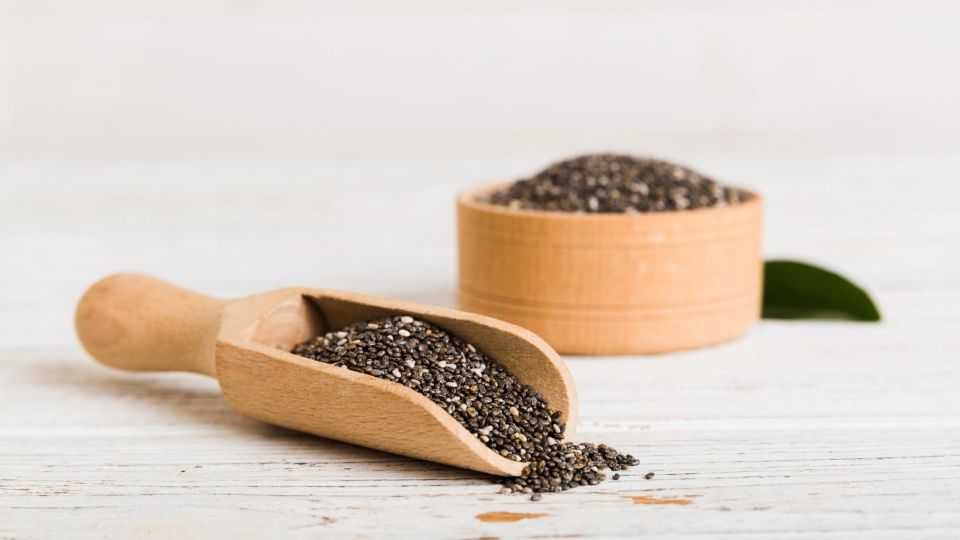
Health Benefits of Chia Seeds

A Deep Dive into the Nutritional Properties and Health Benefits of Chia Seeds 

A Deep Dive into the Nutritional Properties and Health Benefits of Chia Seeds Chia seeds may be tiny, but their nutritional power is huge. Once a staple in ancient Aztec and Mayan diets, these little seeds are now celebrated worldwide as a “superfood” loaded with nutrients. What makes chia so special is its exceptional nutrient density combined with versatility; you can easily add it to nearly any meal without affecting taste.  Whether you’re aiming for better digestion, improved heart health, or a simple breakfast boost, chia seeds can be a practical and effective addition to your daily diet.  Why Chia Seeds Are Considered a Superfood Nutrient Powerhouse: What Chia Seeds Contain  High Fiber for Better Digestion  Just one tablespoon (about 10 g) of chia seeds delivers roughly 3–4 grams of fiber, including both soluble and insoluble types.  Soluble fiber absorbs water and forms a gel; this helps keep you full longer, slows digestion, and can help stabilize blood sugar.  Insoluble fiber supports healthy bowel movements and may prevent constipation.  Plant-Based Omega-3 Fats (ALA), Heart-Friendly Fats  Chia seeds are among the richest vegetarian sources of alpha-linolenic acid (ALA), a type of omega-3 fatty acid.  Regular ALA intake supports heart health and brain function and may help reduce inflammation.  While not the same as fish-based EPA or DHA, ALA is very valuable, especially for vegetarians and vegans.  Protein Alternative for Plant-Eaters  A 2-tablespoon serving of chia gives about 4–5 grams of protein.  This plant-based protein helps support muscle repair, maintain satiety, and complement other protein sources, great for vegetarians, vegans, or anyone reducing meat intake. Protein Alternative for Plant-Eaters  Chia seeds offer a natural supply of: Calcium: Supports strong bones and teeth (useful for those consuming less dairy).  Magnesium & Phosphorus: Important for energy metabolism, nerve and muscle function, and bone health.  Manganese & trace minerals: Important for antioxidant defenses, metabolism, and overall cellular health.  Plus, chia is rich in polyphenols and antioxidants that combat free radicals and reduce oxidative stress, supporting long-term health and immunity.  How Chia Seeds Work in Your Body One of the most unique features of chia seeds is their ability to absorb up to 10–12 times their weight in water. When soaked, they form a thick gel. This gel-forming ability:  Slows digestion, leading to a more stable, prolonged release of energy.  Promotes satiety (fullness), which can help manage appetite and reduce overeating.  May help regulate blood sugar by slowing carbohydrate absorption and preventing sudden spikes.  So, whether you consume chia seeds as part of breakfast, a snack, or a meal, they can contribute to better digestion, steady energy, and improved fullness.  Proven Health Benefits of Chia Seeds Why Incorporating Chia Seeds Is Good for You Heart Health & Cholesterol Support Including chia seeds regularly may help: Lower LDL (“bad”) cholesterol levels.  Reduce inflammation, a known risk factor for heart disease.  Improve blood pressure and overall cardiovascular health when combined with a balanced diet and active lifestyle.  Better Blood Sugar Control & Diabetes Support Because chia delays carbohydrate digestion, it can help stabilize blood sugar levels. This may benefit:  People with prediabetes.  Individuals with insulin resistance.  Those managing type 2 diabetes (when used alongside a healthy diet and medical guidance).  However, chia should not be seen as a replacement for medical treatment or prescribed medications.  Improved Digestive Health & Gut Comfort Thanks to its high fiber content:  Chia may help prevent constipation and promote regular bowel movements.  It can also support a healthy gut microbiome, feeding beneficial gut bacteria.  People who struggle with bloating or irregular digestion may benefit by gradually adding chia seeds to their meals.  Aiding Weight Management & Appetite Control Chia seeds’ combination of fiber, protein, and water-absorption helps:  Increase the feeling of fullness, reducing overall calorie intake.  Stabilize hunger, helpful for healthy weight control when coupled with balanced meals and regular activity. This makes chia seeds a useful addition to a weight loss diet program focused on nutrition and long-term sustainability. Anti-Inflammatory & Antioxidant Effects The omega-3 fats and antioxidants in chia may help reduce chronic inflammation, potentially lowering the risk of conditions like heart disease, metabolic issues, and joint problems.  How to Add Chia Seeds to Your Daily Diet: Simple & Delicious Ways Chia seeds have a mild flavor, making them easy to incorporate. Here are some easy, tasty ideas:  Chia pudding: Mix 3–4 tablespoons of chia seeds with 1 cup (250 ml) of milk or plant-based milk. Refrigerate overnight, top with fruits, nuts, or honey.  Smoothies: Add 1–2 tablespoons to your smoothie for thickness, fiber, and extra nutrients.  Breakfast bowls: Sprinkle chia on oats, yogurt, cereal, or fruit bowls.  Baking: Use ground chia for bread, muffins, cookies, or homemade energy bars to boost nutrition.  Salads and soups: Stir in a tablespoon for extra fiber and nutrients.  Vegan “chia egg” substitute: Mix 1 tablespoon of ground chia with 3 tablespoons of water; wait ~5–10 minutes until it gels, use as an egg replacement in baking.  These simple uses make it easy to enjoy chia’s benefits without changing the flavor or texture of your meals.  Who Should Be Cautious with Chia Seeds While chia seeds are safe and healthy for most people, some should exercise caution:  If you have swallowing or esophageal issues, always soak chia before eating; dry chia swells and may be a choking risk.  If you follow a low-fiber diet or have a sensitive digestive system, start with small amounts and gradually increase intake.  If you have blood-thinning medication or surgery scheduled, because of omega-3’s mild anticoagulant effects, consult a doctor before regular chia intake.  If you have allergies or seed sensitivities, watch for digestive discomfort or allergic reactions.  Conclusion: Is Chia the Right Superfood for You? Chia seeds are among the easiest, yet most nutritious, foods you can include in your daily diet. Rich in fiber, omega-3 fats, antioxidants, protein, and essential minerals, chia supports heart health, digestion, stable energy, weight management, and overall wellness.  That said, they’re not magic bullets. For best results, use chia alongside a well-balanced

A Deep Dive into the Nutritional Properties and Health Benefits of Chia Seeds  Read More »

Nutrition trends 2026

Nutrition Trends 2026: From Adaptogens to Personalized Diets 

Nutrition Trends 2026: Which One Suits You Best? From Adaptogens to Personalized Diets As we move into 2026, nutrition is becoming more science-driven, personalized, and holistic than ever before. Consumers are shifting away from one-size-fits-all diets and embracing nutrition plans that focus on gut health, stress reduction, longevity, metabolic balance, and AI-based personalization.  Whether you’re a health enthusiast, fitness seeker, or wellness brand, here are the top Nutrition Trends 2026 reshaping how we eat and live.  Top Nutrition Trends to Watch in 2026 1. Personalized Nutrition Powered by AI AI is transforming the nutritional world. In 2026, apps and platforms can analyze your:  ✔ DNA  ✔ Gut microbiome  ✔ Activity level  ✔ Hormonal patterns  ✔ Blood markers  …to build a fully customized diet plan.  Why it’s trending: Users want diet plans that fit their body, not generic rules.  Increased awareness of metabolic health and insulin sensitivity.  Growth of wearable tech + nutrition tracking.  2. Rise of Adaptogens for Stress & Hormonal Balance Adaptogens continue to dominate the wellness market in 2026. Popular adaptogens include:  🌿 Ashwagandha  🌿 Rhodiola Rosea  🌿 Maca  🌿 Tulsi  🌿 Reishi & Lion’s Mane  Benefits driving the trend: Reduced stress and cortisol  Improved sleep  Enhanced focus and mood  Hormonal balance  People want natural solutions for stress management, and adaptogens are now mainstream.  3. Gut Health Becomes the Core of All Diets Gut health has moved from a niche concept to a global nutrition priority.  Trending gut-friendly foods in 2026 include: ✔ Kombucha  ✔ Kefir  ✔ Kimchi  ✔ Prebiotic-rich veggies  ✔ Probiotic supplements  ✔ Postbiotics Consumers now understand that strong immunity, mood stability, digestion, and metabolism all depend on a healthy gut.  4. Functional Foods for Longevity & Immunity In 2026, food is no longer just fuel; it’s a tool for long-term wellbeing.  Popular functional food trends include: Anti-inflammatory ingredients (turmeric, ginger, garlic)  Omega-3 rich foods (chia, flax, salmon)  Antioxidant superfoods (blueberries, spirulina, moringa)  Mushroom coffee & adaptogenic teas  Protein-fortified snacks  Consumers want foods that deliver extra nutritional benefits beyond calories.  5. Plant-Forward Diets with Smart Protein Alternatives Top innovations in 2026: Sustainable plant proteins (pea, soy, chickpea, hemp)  Hybrid protein foods (plant + cultured meat)  Nutrient-dense vegan snacks  Eco-friendly packaging and clean ingredients  This trend is driven by health, environment, and ethical preferences.  6. Hormone-Balanced Eating for Women & Men Hormonal health is no longer just a medical topic, it’s a nutrition priority.  Trending areas: PCOS-friendly diets  Thyroid support meals  Menopause-focused nutrition  Testosterone-support foods  Cycle-synced eating for women  People are seeking nutrition plans that help balance hormones naturally.  7. Biohacking & Performance Nutrition 2026 is also seeing a rise in biohacker-style nutrition.  People use food and supplements to improve:  Energy levels Cognitive performance  Sleep quality  Recovery  Longevity  Popular items: Nootropics  MCT oil  Electrolyte boosters  Low-glycemic diets  Keto 2.0 variations  FAQs Loved the Post? Share It!

Nutrition Trends 2026: From Adaptogens to Personalized Diets  Read More »

11 Best Low-Budget Diets For Weight Loss

11 Best Low-Budget Diets For Weight Loss People who are overweight or obese frequently try a variety of methods to shed their excess pounds. Obesity can lead to a variety of diseases and other health problems, therefore it’s important for these folks to lose weight. Diet plans frequently include meals that we do not consume on a daily basis, and adding additional food products to your monthly budget might put a strain on your finances. If you don’t do it correctly, losing weight can be quite pricey! So, today, we’ll discuss 11 low-budget diets for weight loss, as well as strategies and tricks to assist you to save money while losing weight and achieving your health and better-looking self. Let’s start with our list of 11 low-budget diets for weight loss, starting with Vegetarian Diet The vegetarian diet is the first on our list because it is the easiest to follow. Non-vegetarian protein sources, such as chicken, beef, and eggs, are more expensive than vegetarian protein sources. Vegetarian cuisine can be purchased at a lower cost from local vegetable vendors or farmer’s markets. Leafy vegetables are high in minerals and are inexpensive, making them an excellent complement to any low-cost weight-loss diet. They are high in fiber, which keeps you full and reduces food cravings. For your weight loss quest, you can attempt a vegetarian diet. Avoid Take-out meals for low-budget diet Preservatives such as salt, sugar, and oil, among others, are abundant in take-out meals. All of these preservatives have been linked to high cholesterol and other cardiovascular problems. These meals are not only high in components that are harmful to our health, but they are also expensive and have a negative impact on our budget. People who are on a weight-loss diet prefer to order meals from restaurants to minimize the time spent preparing meals or shopping for goods, which can raise the expense of the diet plan. To avoid this, try meal prepping. Meal prepping is a strategy of buying supplies in bulk and preparing weekly meals in advance and storing them in the refrigerator. By establishing a relationship with a local seller, you can lower the cost of your groceries. So, if you’re a working person or a busy mom who wants to lose weight but doesn’t have a lot of time, meal prep can be a great way to get started. It is not only a low-budget diet for weight loss but also a time-saving one. Eliminate processed foods from your diet When compared to unprocessed foods, processed foods have twice the quantity of calories. Processed goods include around 70% of the hidden salt. While this makes manufactured foods more accessible and saves time throughout the weight-loss process, it also raises the diet plan’s overall cost. The health risks of processed foods have already been covered, yet all varieties of veggies are now available as canned items, which cost twice as much as fresh vegetables. So choosing fresh veggies, fresh meat, and grains over processed versions of the same foods might save you a lot of money on your low-cost diet. Try Indian breakfast dishes such as upma/poha instead of processed cereals sugar-rich packaged cornflakes etc. Eliminating processed foods is now one of the most effective methods to stick to a low-budget diet plan. Seasonal Fruit diet Dietary Guidelines for Seasonal Fruit Fruits are high in fiber, vitamins, and minerals, making them an excellent addition to any weight-loss regimen. When the body begins to lose fat, it also excretes electrolytes, resulting in dehydration. Fruits can be a terrific addition to your weight loss diet plan to you avoid this. But how can you eat fruits while commodity prices are steadily rising? Purchase fruits that are in season. Yes, India has three seasons, each with its own set of seasonal fruits. Mango in the summer, strawberries in the winter, and, well, bananas throughout the year. These make a great addition to your low-budget diet for weight loss. Food prepared at home What better way to save money than to prepare your own meals? This way, you can customize your meals to your preferences, keep your kitchen clean, and eat high-quality, healthier foods. Portion control is crucial when trying to lose weight. When we eat out, we have no control over the portion size, but when we cook with our own hands, we do have control over the quantity. This can be crucial in your weight loss quest, and it can also save you money on your monthly budget. Making homemade food one of the most cost-effective weight-loss choices on our list of low-budget diets. Meat from a local source Non-vegetarians choose to include meat in their diet because it has a high nutritive value and can help you lose weight while also increasing muscular mass. Lean meat is the greatest type of meat to include in any low-cost weight-loss diet since it is inexpensive, low in fat, and high in protein. There are numerous new forthcoming companies that provide clean-cut chicken/eggs, seafood, and other items these days. However, the cost of labor is also added. To avoid this, you can save money by purchasing from a local chicken or fish vendor.  This can help you save money on your weight-loss plan in the long run. Making Dairy at Home The title says it all! You can make your own dairy products at home. This will help you save a lot of money on your bills. If you include dairy items in your weight reduction diet plan, such as low-fat paneer, curd, or even skimmed milk/ low-fat milk and ghee, you may expect to pay a lot of money. They are, however, high in protein and healthy fats. They’re essential for your stamina and strength. So, the simplest and easiest method to make it a low-cost weight-loss diet plan is to create all of these goods at home using milk from your local milk seller. Avoid High-End Crash Diets This diet plan is ranked 7th on our list of

11 Best Low-Budget Diets For Weight Loss Read More »

7 Healthy Foods For Weight Gain

7 Healthy Foods For Weight Gain Introduction Isn’t cardio enjoyable? However, determining whether or not cardio is excellent for weight loss might be difficult. If you’ve ever worked out at a gym or at home, you know that cardio is the most beginner-friendly workout routine. It’s simple, entertaining, and it may assist a newcomer in getting started with a weight-loss program. Cardio exercise may be done at your own speed. It doesn’t matter if it’s quick or slow. As a result, it is an excellent kind of exercise for people of all ages. People suffering from any metabolic disorder tend to gain a lot of weight, which typically leads to obesity. This may happen to anybody, from a young kid to an elderly person. So, to avoid any potential issues, we’ve compiled a list of 7 healthy foods for weight gain that you can try at home right now. Roots and tubers Roots And Tubers- 7 Healthy Foods For Weight Gain Although roots and tubers are classified as vegetables, they contain a significant amount of calories due to their high starch content. In our list of 7 healthy foods to gain weight, this group of veggies ranks first. Potatoes, tapioca, sweet potato, and other root vegetables are popular survival foods in many parts of India. These foods may be consumed more frequently by workers who earn daily salaries and whose jobs require heavy lifting and long, difficult hours. They require a dense supply of food items that will keep them going throughout the day, but they also check for shelf life and cost per dozen in these types of vegetables. This is an important factor since, unlike other vegetables, roots and tubers do not decompose for a long time. The number of carbs and calories they contain make them perfect as the best foods for weight gain. Potatoes provide 77 calories per 100 gm, 26 grams of carbs, and other vitamins and minerals such as B6, calcium, iron, and many others. They’re high in fiber and low in fat. This also includes the absence of cholesterol. Combining potatoes with any leafy vegetables, roasting sweet potatoes over an open fire, or making baked sweet potato or tapioca chips are all simple dishes that might help you gain weight. Rice Increases Metabolic Rate – 4 Reasons Why Cardio Is Excellent For Weight Loss China is the world’s largest rice producer, followed by India. The unifying factor in each of these countries is that they are still developing due to their big populations. Rice is widely consumed as the primary cereal in many nations because it can be produced on any platform, including mountainous places or slopes. It is a staple meal in India. It is inexpensive, tasty, and provides more satisfaction. It’s all due to the starchy foundation Rice is heavy in starch and has a glycemic index of 73, which puts it in the high glycemic index category. However, this is beneficial to people who are trying to lose weight, making it a good option for a weight gain diet plan. Rice has about 206 calories per 158gm, with the majority of the calories coming from simple carbs. Rice, when included in your weight-growth diet plan, provides a quick source of simple carbs that help you gain muscle mass. It is inexpensive and may be prepared in a variety of delectable recipes to suit your preferences. Rice crispies are a tasty morning cereal for underweight children. Other dishes include veggie rice, rice puffs, rice flakes, rice chips, and a variety of snacking and main course meal options. This sums up the 2nd spot on our list of 7 healthy weight-gain foods. Also read: The crucial role of rest and recovery in your fitness routine The Key to Success: Rest and Recovery in Achieving Fitness Goals with FitMom Club Protein-Powered Weight Loss Made Easy The Power of Group Workout: Unlock Your Full Potential  Sweet Tooth Cravings? Here’s How to Maintain a Healthy Diet Without Giving Up Sweets Stay Fit and Energized This Summer: Best Home Workout Tips for Women  Dry fruits and Nuts Dry Fruits And Nuts-7 healthy foods for weight gain Dates, raisins, and prunes are examples of high-density calorie-rich dry fruits that are also abundant in other essential elements. Fruits include sugar in the form of fructose, but when they are dried, the water content evaporates completely, leaving just the nutrients in a concentrated form. The sugars account for two-thirds of the dried fruits. In our list of 7 healthy foods to gain weight, this comes in third. If you incorporate them into your diet plan on a regular basis, they can help you gain weight. Along with dried fruits, nuts such as macadamia, almonds, and walnuts can be consumed. Nut consumption is determined by the availability and cost of nuts in your region. Because nuts are high in fiber, healthy fats, antioxidants, proteins, and minerals, they are a fantastic source of these nutrients. They can assist you in gaining weight in a healthy manner without adding to your body’s excess fat cells. You can use almonds to garnish your meals, add almond powder to your daily milk, or make your own almond granola bars at home by substituting any nut. Cashews and pistachios can be included in your diet because they have a high carb content and can cause you to gain weight quickly. These nuts are an excellent supplement to any weight-gain diet plan Dairy Products Dairy Products-7 healthy foods for weight gain There has been no scientific analysis or study done on dairy and how it leads to weight gain. Many health fads say that dairy causes weight gain, hence many health practitioners have devised dairy-free weight loss diet programs. Does it, however, lead to weight gain? If this is the case, it should be incorporated into weight-gain strategies in a big way. However, any weight-gain or weight-loss strategy should not be based solely on one type of food. Aside from the contentious debate, dairy contains a wealth

7 Healthy Foods For Weight Gain Read More »

10 Delicious and Quick Immunity-Boosting Breakfast Recipes You Must Try!

10 Delicious and Quick Immunity-Boosting Breakfast Recipes You Must Try! Are you tired of feeling sluggish? Boost your immunity and jumpstart your day with a delicious and nutritious breakfast recipe!  Breakfast is considered an important meal of the day that one must not avoid skipping. It gives you energy and boosts your metabolism throughout the day. Having a nutritious meal will give added benefits to your health and can kick-start the day in a healthy way. Here are 10 tasty breakfast ideas that will power up your morning and boost your immune system. 1. Oatmeal Smoothie Smoothies are one of the healthy breakfast recipes. Adding oats to your meal aids in several health benefits. Oatmeal is rich in fibre and it keeps you full. Almonds and dates boost your body’s metabolism. Ingredients: Oats – 2 tablespoons Almonds – 5 to 6 Dates- 4 to 5 Yoghurt – Half cup Low-fat milk – Half cup Cinnamon powder – Half tablespoon Method of Preparation: Add all of the ingredients in a blender. Pulse until the right consistency. Serve it in a glass or bowl. 2. Dalia Porridge Dalia porridge is a traditional Indian breakfast dish made from broken wheat which is a good source of protein and fibre. It is a wholesome and nutritious meal that is easy to make and can be customized to suit individual tastes. Ingredients: Ghee – 1 Teaspoon Dalia – Half cup Cinnamon Cardamom Nuts Milk or water – 2 cups Honey Method of Preparation:  In a pan, heat the ghee. Add Dalia and roast it.  Once Dalia turns golden brown add milk to the pan. Flavour it with cinnamon and cardamom powder. Let it cook until the Dalia is soft and the water or milk is completely absorbed.  Finally, decorate with honey and chopped nuts. 3. Mushroom Uttapam Mushrooms are said to support the immune system and are a good source of vitamin D and vitamin B. This is a simple morning breakfast recipe.  Method of Preparation: For the toppings, saute the mushroom & onion and keep them aside. Heat the pan and add oil. Pour the Dosa batter in a circular motion.  Then place the sliced mushroom and onions.  Flip the dosa to the other side. Serve hot and enjoy with your favourite chutney! 4. Poha Poha is a light and quick breakfast recipe made from flattened rice flakes. It is a light, easy-to-prepare meal that is enjoyed by people of all ages Ingredients: Poha – 1 cup Mustard seeds – ¾ cup Cumin seeds- ¾ cup Oil Turmeric Onions – 1 medium-sized Green Chillies – 2 Curry leaves Coriander leaves Peanuts Lemon juice Method of Preparation: Take a bowl and clean the Poha with water and strain them. Roast the peanuts till it becomes crunchy and keep them aside.  Heat the oil in a pan and add the mustard and cumin seeds. Then add chopped onions, green chillies, and curry leaves and saute. Once the onion is well cooked, add Poha, salt and turmeric and mix well.  At last, add lemon juice and garnish it with coriander leaves. Serve hot!  5. Avocado Toast with Eggs Avocado toast is a popular breakfast choice, but adding eggs takes it to the next level. It is not only delicious, but it is also a nutritious meal that provides healthy fats, protein, fiber and a range of vitamins and minerals. It is an excellent choice of food to begin the day with. Ingredients: Avocado Eggs Bread Method of Preparation: Prepare the egg in the way you like to have them (Fried, scrambled or half-boiled). Toast the bread Mash the avocado on the whole-grain toast Sprinkle some salt and pepper Finally, place the egg and enjoy the delicious toast. 7. Methi Paratha This recipe is for all paratha lovers. Methi or fenugreek leaves are a rich source of iron and vitamin C, which can help boost your immunity. Ingredients: Wheat flour Methi leaves Onion Green chillies Method of Preparation: In a bowl, mix 1 cup of whole wheat flour, chopped methi leaves, chopped onions, green chillies, and salt.  Add water to make a soft dough.  Roll the dough into small circles. Cook on a non-stick pan until both sides are golden brown.  Serve hot with curd or pickle. 8. Ragi Dosa Ragi or finger millet is a gluten-free grain that’s a great source of protein and calcium. It also serves as a healthy meal for diabetic patients. Ingredients: Ragi flour Onions Green Chillies Coriander leaves Method of Preparation: Soak 1 cup of ragi flour in water for 4-5 hours. Finely chop onions, green chillies, and coriander leaves and add them to the batter.  Add salt and water to make a smooth batter.  Heat a non-stick pan, pour the batter, and spread it in a circular motion. Cook until both sides are golden brown. Serve hot with coconut chutney. 9. Broccoli Idli Upma This broccoli idly upma recipe is not only tasty but also packed with nutrients such as fiber, vitamins, and minerals. Broccoli is very low in calories and rich in antioxidants. Ingredients: Idly batter Mustard seeds Urad dal Chana dal Onion Green Chillies Tomatoes Broccoli Turmeric powder Chilly Powder Method of Preparation: In a pan, heat oil and add mustard seeds, urad dal, and chana dal. Once the mustard seeds start spluttering, add finely chopped onion and green chilli. Saute until onions turn translucent. Add finely chopped tomatoes and saute. Add finely chopped broccoli florets, turmeric powder, and red chilli powder. Saute for a minute. Add salt to taste and mix well. Add idly batter and mix well. The batter will absorb the moisture from the broccoli and become thicker. Cook on low flame for 3-4 minutes, stirring occasionally. Once the batter is cooked and the broccoli is soft, turn off the flame. 10. Sprouts Salad Sprouts are a powerhouse of nutrients and can be a great addition to your breakfast. It is also low in calories and filled with fibre. Adding this to your breakfast will

10 Delicious and Quick Immunity-Boosting Breakfast Recipes You Must Try! Read More »

Scroll to Top