


How to Read & Decode Food Labels What to Trust, What to Ignore
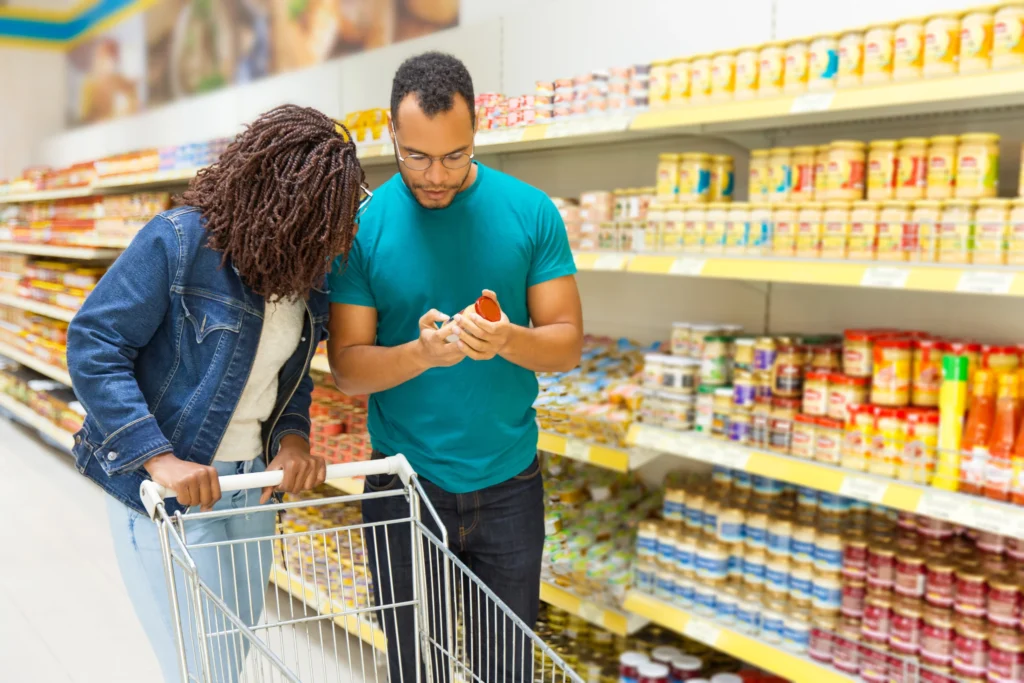
If you’ve ever stood in the grocery aisle staring at food packages that all claim to be “healthy,” “natural,” or “low fat,” you’re not alone. Food companies spend millions designing labels that look trustworthy even when the product inside isn’t.
For busy women and moms trying to lose weight, improve their health, or make better choices for their families, understanding how to read food labels is a superpower. It’s the difference between being misled by marketing and being empowered by knowledge.
In this guide, we’ll walk through how to read food labels, decode sneaky packaging tricks, and understand what actually matters for weight loss and long-term health. By the end, you’ll shop more confidently, avoid hidden sugars, and choose foods aligned with your goals not the food industry’s profits.
1. Why Learning to Read Food Labels Matters
Food companies know consumers are overwhelmed, rushed, and often confused. That’s why they use strategic wording and design to make their products appear healthier than they really are.
Learning to read labels helps you:
- Avoid hidden sugars
- Choose foods that support weight loss
- Identify misleading marketing claims
- Protect your family from unhealthy additives
- Save money by buying real, nourishing foods
This skill is evergreen, practical, and essential for informed eating.
2. The Biggest Mistake: Trusting the Front of the Package
Let’s be clear:
The front of the package is advertising. The back is the truth.
Words like:
- “All natural”
- “Healthy”
- “Light”
- “Immunity boosting”
- “Protein-packed”
- “Multigrain”
- “Low fat”
…mean almost nothing without reading the fine print.
This is where food label tricks exposed becomes important. Companies use these vague terms to distract you from the sugar, additives, or low-quality ingredients hiding in the product.
Always flip the package over. The real story is in the Nutrition Facts and Ingredients List.
3. How to Understand Nutrition Facts Labels (Simply Explained)
Here’s a no-nonsense breakdown of what actually matters.
Serving Size
This is where many people get misled.
If a tiny bag of chips says 150 calories, check the serving sizeit might contain three servings.
If you eat the whole thing, multiply everything by three.
Calories
Useful for awareness, but not the most important factor for weight loss.
Focus more on:
- Protein
- Fiber
- Added sugars
- Ingredients
These influence hunger, metabolism, and cravings much more than calories alone.
Protein
Higher protein = better for:
- Satiety
- Weight loss
- Muscle maintenance
Look for foods with at least 8–12g of protein per serving, depending on the category.
Fiber
Fiber is non-negotiable for weight management and gut health.
Look for 3+ grams per serving, preferably 5–8 grams for grains or snacks.
Added Sugars
This is the section most people overlook and where companies love to hide red flags.
Women should aim for no more than 25g of added sugar per day. Yet many snacks contain 12–20g in a single serving.
If you want to decode food labels for weight loss, keep added sugars as low as possible.
Sodium
Too much sodium can cause:
- Bloating
- Water retention
- Higher blood pressure
Aim for less than 500–600mg per meal, when possible.
Ingredients List
The real deal-breaker.
Important rules:
- Ingredients are listed in order of quantity
- Shorter lists = usually better
- If you can’t pronounce several ingredients, put it back
- Avoid products with added sugars in the first three ingredients
4. How to Spot Hidden Sugar in Food Labels
Sugar hides under more than 60 different names.
Common ones include:
- High-fructose corn syrup
- Cane juice
- Maltodextrin
- Rice syrup
- Agave
- Dextrose
- Fructose
- Fruit concentrate
If the ingredient list reads like a science experiment, run.
A good rule of thumb:
If sugar shows up more than once on the ingredient list, the product is a blood sugar bomb.
This is one of the most important skills for maintaining healthy weight and steady energy levels.
5. Greenwashing: When Food Labels Pretend to Be Healthy
Greenwashing is when companies use eco-friendly or health-oriented buzzwords without meaningful standards.
Examples:
- “Natural” (not regulated at all)
- “Made with whole grains” (could be 1%)
- “Low fat” (usually means high sugar)
- “Plant-based” (processed junk food can also be plant-based)
- “No artificial Flavors” (still packed with additives)
- Packaging with leaves, farms, or earthy colors to suggest health
Understanding greenwashing food labels helps protect you from marketing deception.
6. What to Ignore on Food Labels
Not everything on a label deserves your attention.
Ignore:
1. Buzzwords on the front
They are meant to create emotional reactions, not inform.
2. Claims like “supports immunity”
Usually just added vitamins.
3. “Fat-free” or “low fat”
These products often contain extra sugar to improve flavor.
4. “Made with real fruit”
Fruit concentrate is basically sugar.
5. “Multigrain”
This only means there are multiple grains not that they’re whole grains.
7. What to Trust on Food Labels
Focus on:
✔ Ingredients list
The most reliable information.
✔ Added sugars
Critical for weight control.
✔ Protein + fiber
Signals how filling the food will be.
✔ Whole food ingredients
Like oats, nuts, beans, veggies, eggs.
✔ Certifications (when trustworthy)
- USDA Organic
- Non-GMO Project
- 100% whole grain
These don’t guarantee perfection, but they do set minimum standards.
8. Food Label Examples: Healthy vs. Misleading
Let’s decode two simple examples.
Example 1: “Healthy Protein Bar”
Front of package:
- High Protein
- Vegan
- Natural
- No Added Sugar
Back of package reality:
- 19g total sugar from syrup
- First ingredient: dates (sugar)
- Multiple sweeteners
- Only 6g protein
Verdict: More like a candy bar.
Example 2: “Unsweetened Greek Yogurt”
Front:
- Simple
- Plain
- High Protein
Back:
- No added sugar
- 16–20g protein
- 0 hidden sweeteners
- Minimal ingredients
Verdict: Actually healthy.
Learning to decode makes shopping faster and healthier.
9. Tips to Decode Food Labels for Weight Loss
For weight loss, choose foods that:
- Have high protein
- Include high fiber
- Keep added sugars under 5g
- Use whole ingredients
- Are minimally processed
Smart choices include:
- Greek yogurt
- High-fiber wraps
- Nuts & seeds
- Eggs
- Beans
- Vegetables
- Whole grains (oats, quinoa)
This keeps hunger controlled and blood sugar stabletwo keys for fat loss.
10. A Simple Grocery Store Rule: The Fewer Ingredients, the Better
Products with under five ingredients are generally cleaner.
Compare:
Granola bar A (20 ingredients)
- Natural flavors
- Added sugar
- Oils
- Preservatives
Granola bar B (5 ingredients)
- Oats
- Almonds
- Honey
- Cinnamon
- Salt
The shorter list is almost always the healthier option.
11. Common Food Categories & How to Decode Them
Cereals
Avoid cereals with more than 6g sugar per serving.
Bread
Look for labels that say 100% whole grain not just “whole grain.”
Yogurt
Skip flavoured yogurts with 12–18g sugar.
Choose plain and add berries or honey yourself.
Snack foods
Marketing goldmine for deception.
Watch for:
- Added sugars
- Seed oils
- Artificial flavors
- Long ingredient lists
Beverages
Hidden sugar central.
Avoid:
- Sweetened teas
- Energy drinks
- “Healthy” juices
- Vitamin waters
If it tastes sweet, assume sugar unless proven otherwise.
12. How to Build Food Label Confidence
The more you practice:
- The faster you’ll shop
- The easier weight loss becomes
- The more empowered you’ll feel
- The more your family benefits
Food labels stop being intimidating and start becoming tools for confidence and control.
Conclusion
Learning how to read food labels is one of the most impactful skills you can develop for healthy eating, weight loss, and long-term wellness. Once you begin ignoring the front-of-package marketing and focusing on ingredients, added sugars, protein, and fiber, everything becomes clearerand your choices become smarter.
You’ll quickly identify greenwashed products, spot hidden sugars, avoid empty-calorie foods, and choose items that truly nourish your body and support your goals.
This knowledge puts the power back in your handsnot the food companies’.
FAQs
What is the best way to lose weight naturally?
The best natural weight-loss method includes eating whole foods, reducing portion sizes, choosing high-fiber carbs, increasing protein, staying hydrated, and being physically active.
Can I lose weight without dieting?
Yes. Weight loss is possible through mindful eating, portion control, and choosing balanced meals instead of restrictive dieting.
What foods help with weight loss?
High-protein foods (chicken, eggs, yogurt), fiber-rich foods (oats, veggies), fruits, nuts, seeds, and whole grains all support weight loss.
Are carbs bad for weight loss?
No. Carbs are essential. Choose complex carbs like oats, whole grains, and sweet potatoes because they stabilize blood sugar and keep you full longer.
How much water should I drink to lose weight?
Aim for 8–10 glasses a day. Staying hydrated helps prevent overeating, boosts metabolism, and supports digestion.
Do I need to exercise every day to lose weight?
No. Even 30 minutes of walking daily plus strength training 2–3 times a week can significantly improve fat loss.
Is high protein eating good for weight loss?
Yes. High-protein diets reduce cravings, increase satiety, and help maintain muscle while losing fat.
Loved the Post? Share It!
Book your Free Consultation Now
Just fill in the form & our Health Consultant will get in touch with you
❌ Please fill all required fields.
✅ Thank you for submitting the form Our Health Consultant will reach out to you. Please respond to that.