


Mindful Movement - The Future of Fitness for a Calmer, Stronger Mind-Body Connection
In today’s fast-paced world of hustle culture and multitasking, fitness routines focused solely on physical intensity overlook a vital element, the mind. This blog explores how mindful movement practices, through intentional breathing, focused motion, and presence, can enhance both physical fitness and emotional well-being. Perfect for busy moms, dads, professionals, and 50+ adults seeking a balanced, sustainable fitness journey.
1. Introduction: The Shift from Intensity to Intentionality
For decades, fitness trends have centered on intensity, burning more calories, pushing harder, and training longer. While these approaches have benefits, the future of fitness in 2026 is shifting toward intentional, mindful workouts that emphasize balance, recovery, and sustainability.
Emerging fitness trends in 2026, like AI-powered workouts, hybrid training programs, and mobility-focused routines, show how the industry is merging wellness and movement to enhance both body and mind.
2. What Is Mindful Movement?
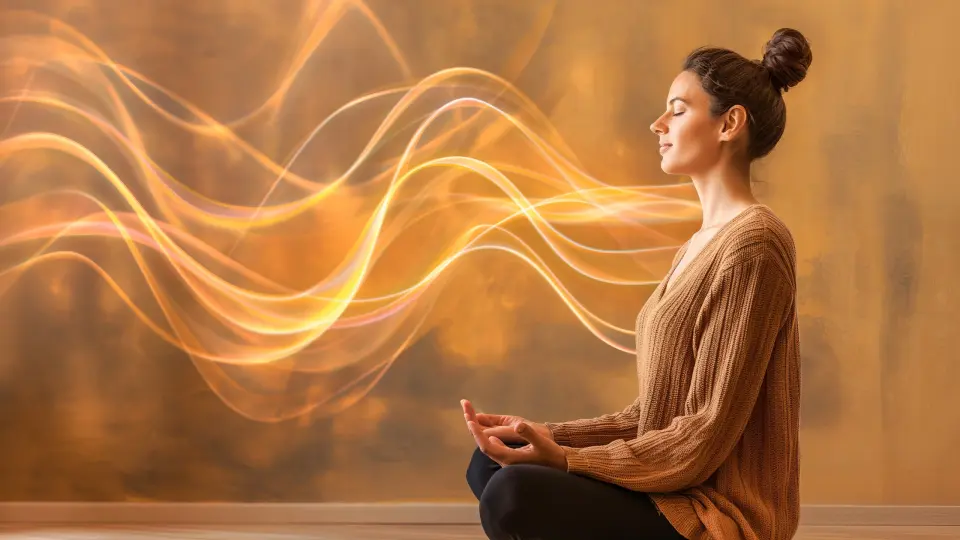
Mindful movement means exercising with awareness and purpose instead of on autopilot. It involves being present, observing your body’s sensations, posture, and breathing patterns during each motion.
You practice mindful movement when you:
- Pay attention to breath, body sensations, and muscle engagement
- Move in ways that support both mental and physical wellness
- Integrate short pauses, reflections, and intentional breaths
Examples:
- Yoga flows with conscious breathing
- Mindful walking in nature
- Stretching combined with body scanning
- Pilates or low-impact training with awareness
3. The Science Behind Mindful Fitness
Scientific studies confirm the connection between mindfulness and improved fitness outcomes.
- Interoceptive awareness, the ability to sense body signals improves through mindful exercise.
- Research in Frontiers in Public Health (2024) found that mindfulness-based exercise enhances emotional regulation, attention, and self-control.
- Studies show that combining mindfulness with physical activity reduces stress, anxiety, and depression more effectively than either alone.
- The Global Wellness Institute identifies mindful movement as a top wellness trend driving better cognitive and emotional health.
4. Mindful Movement Practices for the FitMom Community
For Busy Working Moms
- Morning reset: 5-minute “body check-in”, stand tall, take 3 deep breaths, and release shoulder tension.
- Evening grounding: 10-minute hip-opening stretch with mindful exhalation.
- Between tasks: Stretch arms overhead, inhale deeply, exhale slowly.
For Pre & Postnatal Women
- Gentle mobility flow: Pelvic tilts, cat-cow, and diaphragmatic breathing.
- Mindful walk: 10 minutes focusing on breath, posture, and steps.
For Dads & Kids
- Family mindful games: Slow-motion lunges, balance challenges, “freeze and breathe.”
- Post-activity cool-down: 3 minutes focusing on breath and heart rate awareness.
For 50+ Members
- Chair-based mobility: Hip circles, shoulder rolls, and gentle twists.
- Mindful nature walks: 15 minutes of walking while tuning into sound, breath, and sensation.
5. Mental Wellness Integration: Beyond the Mat
Mindful movement isn’t just physical, it’s emotional.
Add these mental wellness elements to your routine:
- Journaling: Reflect on how your body and mind feel after movement.
- Gratitude pause: Begin each session with one thing you’re thankful for.
- Community connection: Share weekly “mindful moments” with peers.
- Digital detox: Practice movement without screens for deeper focus.
- Sleep recovery: Mindful stretching activates the parasympathetic system for better rest.
6. How to Build a Mindful Routine That Lasts
You can achieve Zone 2 cardio through simple, low-impact workouts such as:
- Start small: Even 5 minutes daily helps build consistency.
- Set intentions: “Move with awareness” or “Breathe with purpose.”
- Anchor to habits: Add mindful movement after coffee or before bed.
- Track how you feel: Focus on emotional calm rather than performance.
- Create community support: Group sessions improve accountability.
- Stay flexible: Mix indoor, outdoor, and home-based mindful routines.
7. Conclusion: The Future of Fitness Is Conscious Living
The future of fitness in 2026 and beyond isn’t just about sweat, it’s about self-awareness.
For FitMom Club, FitDad, FitKids, and Fit50s, mindful movement builds emotional stability, mental clarity, and physical endurance.
By embracing mindful fitness, we can train smarter, recover faster, and live calmer.
Because true wellness means more than looking fit, it’s living consciously, one breath and one movement at a time.
FAQs
What is mindful movement in fitness?
Mindful movement is a form of exercise that combines physical activity with mindfulness, focusing on breath, body sensations, and awareness during motion.
What are the benefits of mindful fitness?
It improves mental focus, reduces stress, enhances emotional well-being, and supports better posture, flexibility, and recovery.
Can beginners practice mindful movement?
Absolutely! Even 5 minutes of intentional stretching or mindful walking can begin building awareness and calm.
How is mindful fitness different from traditional workouts?
Traditional workouts often focus on performance and intensity. Mindful movement focuses on awareness, breathing, and long-term wellness.
Is mindful movement suitable for all age groups?
Yes. From kids to seniors, mindful movement can be adapted to different fitness levels and goals.
Book your Free Consultation Now
Just fill in the form & our Health Consultant will get in touch with you
❌ Please fill all required fields.
✅ Thank you for submitting the form Our Health Consultant will reach out to you. Please respond to that.