


Nutrition for Brain Health: Foods for Sharper Memory, Better Focus & a More Stable Mood
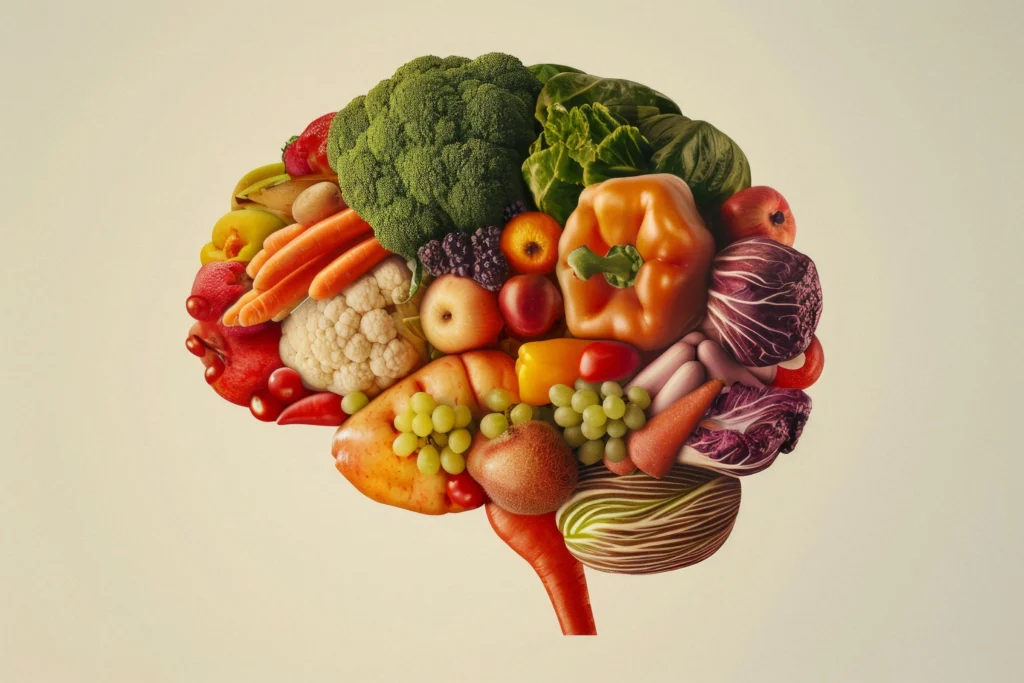
If you’ve ever experienced brain fog, trouble focusing, forgetfulness, or mood swings, you’re not alone. In 2025, nutrition for brain health has become one of the most talked-about wellness trends and for good reason. Your brain uses more energy than any other organ, and the foods you eat directly influence how well it functions.
For women, this connection is even stronger. Hormones, stress, gut health, and nutrient deficiencies all interact in unique ways that shape memory, focus, and emotional balance. The good news? You have far more control over your cognitive health than you think and it starts with what’s on your plate.
In this powerful guide, we’ll reveal the best foods that boost memory and focus, the nutrients your brain craves, what to avoid, and how to use the gut–brain connection to your advantage. We’ll also give you a 7-day brain-boosting meal plan and supplement suggestions to elevate your mental clarity.
Let’s dive in.
—
1. Why Learning to Read Food Labels Matters
Food companies know consumers are overwhelmed, rushed, and often confused. That’s why they use strategic wording and design to make their products appear healthier than they really are.
Learning to read labels helps you:
- Avoid hidden sugars
- Choose foods that support weight loss
- Identify misleading marketing claims
- Protect your family from unhealthy additives
- Save money by buying real, nourishing foods
This skill is evergreen, practical, and essential for informed eating.
1. Why Brain Health Nutrition Matters Especially for Women
Women are twice as likely to experience anxiety, brain fog, depression, and memory challenges particularly during:
- Menstrual cycle shifts
- Pregnancy & postpartum
- Perimenopause
- Menopause
- High-stress seasons
Fluctuating estrogen and progesterone affect neurotransmitters like serotonin, dopamine, and GABAall of which influence your mood, energy, and cognitive sharpness.
This makes cognitive health nutrition for women essential for:
- mental clarity
- balanced mood
- stable energy
- better recall
- improved focus
- long-term brain protection
2. The Gut-Brain Connection: How Food Shapes Mood and Focus
Your brain and gut are connected by the vagus nervea communication superhighway. What you eat affects your gut bacteria, which produce neurotransmitters like:
- Serotonin (happiness + calm)
- Dopamine (motivation + focus)
- GABA (relaxation)
When the gut is inflamed or imbalanced, symptoms show up as:
- Brain fog
- Anxiety
- Irritability
- Low mood
- Trouble concentrating
- Sugar cravings
- Fatigue
That’s why gut–brain connection foods are critical for mental clarity and emotional well-being.
Top gut-friendly foods include:
- Yogurt & kefir
- Fermented foods (kimchi, sauerkraut)
- Fiber-rich fruits & vegetables
- Prebiotic foods (garlic, onions, oats, bananas)
- Omega-3s (salmon, sardines, chia seeds)
3. Top Brain-Boosting Nutrients Every Woman Needs
Your brain is nutrient-hungry. Here are the most essential vitamins, minerals, and compounds for cognitive performance.
1. Omega-3 Fatty Acids
Omega-3s (EPA & DHA) support:
- Memory
- Mood stability
- Focus
- Reduced inflammation
- Protection against cognitive decline
Top sources: salmon, sardines, walnuts, chia seeds, flaxseed, algae oil.
2. B Vitamins (B6, B9, B12)
Responsible for energy production and neurotransmitter creation.
Benefits:
- Better concentration
- Improved mood
- Reduced brain fog
Sources: eggs, leafy greens, nutritional yeast, legumes, lean meats.
3. Antioxidants (Vitamin C, Vitamin E, Polyphenols)
Antioxidants protect brain cells from stress and aging.
Sources: berries, citrus, dark chocolate, green tea, colorful vegetables.
4. Magnesium
Known as the “anti-stress mineral.”
Helps with:
- Mood regulation
- Sleep
- Focus
- Nervous system function
Sources: nuts, seeds, leafy greens, avocado, whole grains.
5. Choline
Essential for memory and learning.
Sources: eggs, salmon, soybeans, chicken, quinoa.
6. Iron
Low iron = low energy + impaired focus.
Sources: red meat, spinach, lentils, pumpkin seeds.
7. Probiotics & Prebiotics
For gut–brain balance and reduced inflammation.
4. Best Foods for Brain Health: What to Eat for Memory, Focus & Mood
Below is a categorized breakdown of the best foods for mental clarity, memory, and emotional well-being.
A. Foods That Boost Memory
These foods support learning, recall, and long-term brain protection.
- Blueberries high in anthocyanins for memory retention
- Salmon & sardines rich in DHA for brain cell communication
- Walnuts proven to improve cognitive performance
- Turmeric (curcumin)reduces inflammation in the brain
- Leafy greens linked with slower cognitive decline
- Eggs excellent choline source for memory formation
B. Foods That Improve Focus
If you struggle with concentration, attention, or staying productive, these foods help sharpen mental clarity.
- Green tea gentle caffeine + L-theanine for calm focus
- Avocado healthy fats for brain blood flow
- Pumpkin seeds magnesium + zinc for concentration
- Dark chocolate (70%+) boosts blood flow to the brain
- Quinoa & oats steady glucose = steady focus
- Coffee (in moderation) increases alertness without crashes
C. Foods That Support Mood & Emotional Balance
These help reduce anxiety, stabilize mood, and support emotional resilience.
- Fermented foods support serotonin-producing gut bacteria
- Bananas contain tryptophan + vitamin B6
- Leafy greens reduce stress hormone levels
- Sweet potatoes regulate blood sugar & mood
- Turkey & chicken high in tryptophan
- Chia & flax seeds plant omega-3s for mood balance
5. Foods That Harm Brain Health (What to Avoid)
Some foods actively contribute to brain fog, mood swings, and inflammation.
🚫 1. Added sugars
Cause energy crashes, anxiety, and impaired memory.
🚫 2. Ultra-processed foods
Disrupt gut bacteria, worsen inflammation, reduce cognitive function.
🚫 3. Artificial sweeteners
Linked to headaches, mood disruptions, and gut imbalance.
🚫 4. Excess caffeine
Raises cortisol and increases anxiety.
🚫 5. Seed oils in excess (corn, soybean, canola)
Increase inflammation when consumed frequently.
🚫 6. Alcohol
Impairs memory and harms neurotransmitters.
Reducing these is one of the fastest ways to improve mental clarity.
6. Hormones & Brain Health: What Women Need to Know
Women experience major hormonal transitions that directly affect brain function.
Estrogen
Supports memory, focus, and emotional well-being. When it dips (peri-/menopause), symptoms like brain fog and forgetfulness spike.
Progesterone
Calming and sleep-supporting. Low progesterone = anxiety & irritability.
Cortisol
Chronic stress leads to inflammation, memory issues, and poor concentration.
Thyroid Hormones
Low thyroid = brain fog, fatigue, slow thinking.
The right nutrition can support hormonal balance, making it a critical part of women’s cognitive health.
7. A 7-Day Brain-Boosting Meal Plan
A simple, delicious plan for mental clarity, memory, and mood.
Day 1
Breakfast: Greek yogurt + blueberries + chia
Lunch: Salmon salad with leafy greens
Dinner: Stir-fry with tofu & mixed vegetables
Day 2
Breakfast: Oatmeal with walnuts & cinnamon
Lunch: Quinoa bowl with avocado & pumpkin seeds
Dinner: Turmeric chicken with sweet potatoes
Day 3
Breakfast: Eggs + spinach
Lunch: Lentil soup with whole grain toast
Dinner: Baked cod + broccoli + brown rice
Day 4
Breakfast: Green smoothie (spinach, banana, flaxseed)
Lunch: Chickpea bowl with leafy greens
Dinner: Turkey meatballs with quinoa
Day 5
Breakfast: Matcha latte + protein waffle
Lunch: Avocado tuna salad
Dinner: Shrimp stir-fry with veggies
Day 6
Breakfast: Cottage cheese + berries
Lunch: Spinach omelet
Dinner: Grilled salmon + sweet potato
Day 7
Breakfast: Overnight oats with chia
Lunch: Chicken salad wraps
Dinner: Tofu curry with turmeric & vegetables
8. Supplements That Support Brain Health
(Always consult your provider.)
- Omega-3 fish oil or algae oil
- Magnesium glycinate
- Vitamin D
- Probiotics
- B-complex vitamins
- Lion’s Mane mushroom (may support nerve growth)
- Ginkgo biloba (circulation + cognition)
Supplements can complement not replace brain-healthy eating.
Conclusion
Your brain is your most powerful asset, and nutrition for brain health is one of the simplest, most effective ways to improve memory, focus, mood, and long-term cognitive function. By choosing foods rich in omega-3s, antioxidants, fiber, and essential vitamins while avoiding sugar and ultra-processed ingredients you can nourish your mind and body at every stage of life.
Women especially benefit from a brain-focused approach to nutrition, since hormones, stress, and life transitions all influence cognitive performance. With the right foods, habits, and supplements, mental clarity becomes more than possible it becomes your new normal.
FAQs
What is the best way to lose weight naturally?
The best natural weight-loss method includes eating whole foods, reducing portion sizes, choosing high-fiber carbs, increasing protein, staying hydrated, and being physically active.
Can I lose weight without dieting?
Yes. Weight loss is possible through mindful eating, portion control, and choosing balanced meals instead of restrictive dieting.
What foods help with weight loss?
High-protein foods (chicken, eggs, yogurt), fiber-rich foods (oats, veggies), fruits, nuts, seeds, and whole grains all support weight loss.
Are carbs bad for weight loss?
No. Carbs are essential. Choose complex carbs like oats, whole grains, and sweet potatoes because they stabilize blood sugar and keep you full longer.
How much water should I drink to lose weight?
Aim for 8–10 glasses a day. Staying hydrated helps prevent overeating, boosts metabolism, and supports digestion.
Do I need to exercise every day to lose weight?
No. Even 30 minutes of walking daily plus strength training 2–3 times a week can significantly improve fat loss.
Is high protein eating good for weight loss?
Yes. High-protein diets reduce cravings, increase satiety, and help maintain muscle while losing fat.
Loved the Post? Share It!
Book your Free Consultation Now
Just fill in the form & our Health Consultant will get in touch with you
❌ Please fill all required fields.
✅ Thank you for submitting the form Our Health Consultant will reach out to you. Please respond to that.