


Nutrition Trends 2026: Which One Suits You Best? From Adaptogens to Personalized Diets
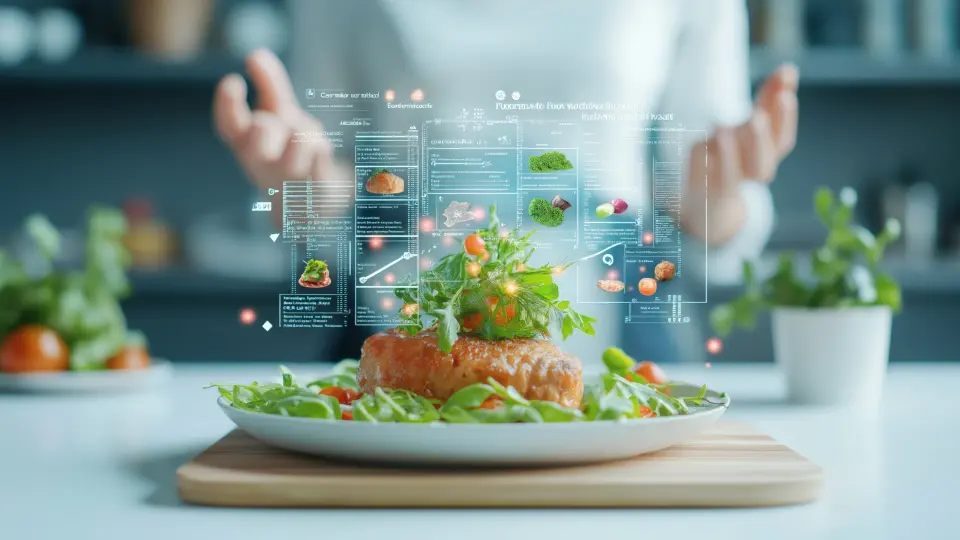
As we move into 2026, nutrition is becoming more science-driven, personalized, and holistic than ever before. Consumers are shifting away from one-size-fits-all diets and embracing nutrition plans that focus on gut health, stress reduction, longevity, metabolic balance, and AI-based personalization.
Whether you’re a health enthusiast, fitness seeker, or wellness brand, here are the top Nutrition Trends 2026 reshaping how we eat and live.
Top Nutrition Trends to Watch in 2026
1. Personalized Nutrition Powered by AI
AI is transforming the nutritional world. In 2026, apps and platforms can analyze your:
✔ DNA
✔ Gut microbiome
✔ Activity level
✔ Hormonal patterns
✔ Blood markers
…to build a fully customized diet plan.
Why it’s trending:
- Users want diet plans that fit their body, not generic rules.
- Increased awareness of metabolic health and insulin sensitivity.
- Growth of wearable tech + nutrition tracking.
2. Rise of Adaptogens for Stress & Hormonal Balance
Adaptogens continue to dominate the wellness market in 2026. Popular adaptogens include:
🌿 Ashwagandha
🌿 Rhodiola Rosea
🌿 Maca
🌿 Tulsi
🌿 Reishi & Lion’s Mane
Benefits driving the trend:
- Reduced stress and cortisol
- Improved sleep
- Enhanced focus and mood
- Hormonal balance
People want natural solutions for stress management, and adaptogens are now mainstream.
3. Gut Health Becomes the Core of All Diets
Gut health has moved from a niche concept to a global nutrition priority.
Trending gut-friendly foods in 2026 include:
✔ Kombucha
✔ Kefir
✔ Kimchi
✔ Prebiotic-rich veggies
✔ Probiotic supplements
✔ Postbiotics
Consumers now understand that strong immunity, mood stability, digestion, and metabolism all depend on a healthy gut.
4. Functional Foods for Longevity & Immunity
In 2026, food is no longer just fuel; it’s a tool for long-term wellbeing.
Popular functional food trends include:
- Anti-inflammatory ingredients (turmeric, ginger, garlic)
- Omega-3 rich foods (chia, flax, salmon)
- Antioxidant superfoods (blueberries, spirulina, moringa)
- Mushroom coffee & adaptogenic teas
- Protein-fortified snacks
Consumers want foods that deliver extra nutritional benefits beyond calories.
5. Plant-Forward Diets with Smart Protein Alternatives
Top innovations in 2026:
- Sustainable plant proteins (pea, soy, chickpea, hemp)
- Hybrid protein foods (plant + cultured meat)
- Nutrient-dense vegan snacks
- Eco-friendly packaging and clean ingredients
This trend is driven by health, environment, and ethical preferences.
6. Hormone-Balanced Eating for Women & Men
Hormonal health is no longer just a medical topic, it’s a nutrition priority.
Trending areas:
- PCOS-friendly diets
- Thyroid support meals
- Menopause-focused nutrition
- Testosterone-support foods
- Cycle-synced eating for women
People are seeking nutrition plans that help balance hormones naturally.
7. Biohacking & Performance Nutrition
2026 is also seeing a rise in biohacker-style nutrition.
People use food and supplements to improve:
Energy levels
- Cognitive performance
- Sleep quality
- Recovery
- Longevity
Popular items:
- Nootropics
- MCT oil
- Electrolyte boosters
- Low-glycemic diets
- Keto 2.0 variations
FAQs
Is intermittent fasting only for weight loss?
No. While weight loss is a common goal, IF may also support better insulin sensitivity, improved metabolic health, and simpler meal scheduling. Omics Online Publishing+1
Can I still build muscle if I follow intermittent fasting?
Yes — especially if you maintain adequate protein intake during eating windows and pair IF with strength training. However, extremely restrictive regimens (like OMAD) make muscle-building harder.
Which IF plan is easiest to stick to?
Many people find the 16/8 method easiest to sustain, as it fits daily routines without drastic calorie counting or full-day fasts.
Is it safe to do Alternate-Day Fasting or OMAD?
For healthy adults without medical issues, occasional ADF or OMAD may be okay — but they require discipline and careful meal planning. Always consult a doctor if you have conditions like diabetes, are underweight, or have nutritional concerns.
Can I drink coffee or tea while fasting?
Yes — caloric-free beverages like water, tea, and black coffee are generally allowed and can help reduce hunger. codental.uobaghdad.edu.iq+1
What is the fastest way to lose fat scientifically?
It varies — some people notice weight/fat loss or improved metabolic markers within 2–3 weeks; for others, it may take a few months. Consistency is key.
Do I need to strictly count calories when fasting?
Not always. For time-restricted methods (like 16/8), calorie counting isn’t mandatory — but eating healthy, balanced meals is crucial. For calorie-restricted methods (like 5:2), tracking intake helps avoid overdoing it on “feast” days.
Can intermittent fasting work for everyone?
No. IF isn’t recommended for pregnant or nursing women, underweight individuals, people with certain chronic illnesses or metabolic disorders, and those with a history of eating disorders. Always consult a healthcare professional. Cleveland Clinic+1
Loved the Post? Share It!
Book your Free Consultation Now
Just fill in the form & our Health Consultant will get in touch with you
❌ Please fill all required fields.
✅ Thank you for submitting the form Our Health Consultant will reach out to you. Please respond to that.