

FitMom Club

VMax_Admin

Zone 2 Walking: The Low-Impact Secret to Cardiovascular Longevity

Zone 2 Walking: The Low-Impact Secret to Cardiovascular Longevity Introduction: You don’t need intense workouts to build a healthy heart. Zone 2 walking offers a low-impact, sustainable path to long-term cardiovascular fitness. In a fitness world dominated by high-intensity workouts and extreme routines, one of the most effective tools for long-term heart health is surprisingly simple: Zone 2 walking. This low-impact, sustainable form of exercise is gaining attention for its powerful role in improving cardiovascular fitness, metabolic health, and overall longevity. Zone 2 walking isn’t about pushing harder  it’s about moving smarter. By training at the right intensity, you can support your heart, lungs, and energy systems without stressing your body. .  What Is Zone 2 Walking? Zone 2 refers to a specific heart-rate zone, typically 60–70% of your maximum heart rate. At this level, your body primarily uses fat for fuel while improving aerobic efficiency. A simple way to identify Zone 2: You can hold a conversation, but not sing Breathing is slightly elevated but controlled Effort feels sustainable for a long duration Unlike high-intensity workouts, Zone 2 walking focuses on endurance, efficiency, and recovery, making it accessible for people of all fitness levels. Why Zone 2 Walking Supports Cardiovascular Longe 1. Strengthens the Heart Muscle Zone 2 walking trains the heart to pump blood more efficiently. Over time, this lowers resting heart rate and improves circulation, reducing the risk of cardiovascular disease. 2. Improves Aerobic Capacity Regular Zone 2 training increases mitochondrial density  the energy factories of your cells. More mitochondria mean better endurance, energy production, and long-term heart health. 3. Reduces Chronic Stress on the Body Unlike intense workouts that spike cortisol, Zone 2 walking keeps stress hormones balanced, supporting recovery and hormonal health Zone 2 Walking and Fat Metabolism” One of the most searched benefits of Zone 2 walking is fat burning. At this intensity: The body relies more on fat than carbohydrates Insulin sensitivity improves Metabolic flexibility increases This makes Zone 2 walking especially effective for people aiming to manage weight, improve blood sugar control, or support long-term metabolic health. Low-Impact Exercise, High-Impact Results Zone 2 walking is gentle on the joints while delivering powerful results. This makes it ideal for: Beginners starting a fitness routine Individuals recovering from injury Older adults focused on longevity Busy professionals seeking sustainable movement Because it’s low-impact, consistency becomes easier and consistency is the real driver of long-term health. Increasing cortisol (stress hormone)  Disrupting sleep quality  Reducing nutrient absorption  Weakening immunity  When the gut is supported, moms often report:  Better stress tolerance  Improved mood stability  More consistent energy  How to Start Zone 2 Walking Getting started is simple and requires minimal equipment. Steps to follow: Calculate your estimated maximum heart rate (220 – age) Aim for 60–70% of that number Walk at a pace where conversation is possible Maintain the pace for 30–60 minutes For best results, aim for 3–5 Zone 2 sessions per week. Zone 2 Walking vs High-Intensity Cardio High-intensity workouts have benefits, but relying on them alone can lead to burnout and injury. Zone 2 walking: Builds a strong aerobic base Enhances recovery between intense workouts Supports heart health without overtraining A balanced fitness routine includes both but Zone 2 is the foundation. Conclusion Zone 2 walking proves that you don’t need extreme workouts to achieve exceptional health. By moving at the right intensity, you can strengthen your heart, improve endurance, burn fat efficiently, and support lifelong wellness. At its core, Zone 2 walking is about sustainability, longevity, and consistency the true pillars of cardiovascular health. FAQs Loved the Post? Share It!

Zone 2 Walking: The Low-Impact Secret to Cardiovascular Longevity Read More »

Beyond “Mom Guilt”: Building a Community-Based Fitness Tribe

Beyond “Mom Guilt”: Building a Community-Based Fitness Tribe Motherhood is powerful, beautiful, and demanding, but in caring for everyone else, many mothers neglect their own physical and mental well-being. The result is burnout, isolation, declining health, and the familiar weight of “mom guilt” whenever self-care is prioritized. FITMOMCLUB exists to change that. Not as another fitness program, but as a community-driven wellness movement where connection matters as much as movement. Redefining “Mom Guilt” Mom guilt tells women that taking time for themselves is selfish. FitMom Club reframes fitness as an act of responsibility, not indulgence. When mothers take care of themselves, families thrive. The Hidden Loneliness of Motherhood Modern mothers are more connected digitally, yet lonelier than ever. Shrinking social circles and emotional isolation increase stress, anxiety, and long-term health risks. FitMom Club directly addresses this by creating spaces where women move, connect, and support each other. Why Community Matters for Health & Longevity Research shows strong social connections improve mental health, reduce stress, and increase lifespan. FitMom Club blends fitness with belonging, helping moms gain strength, friendships, and accountability together. What Makes FitMom ClubDifferent Community-first approach – workouts designed for interaction, not isolation Mother-centered design – realistic schedules and adaptable workouts Holistic wellness focus – mental and emotional support alongside physical health Fitness here is a lifestyle, not a short-term goal. More Than Exercise For mothers, fitness means energy, strength, stress relief, and reclaiming identity. FitMom Club meets women where they are postpartum, parenting toddlers, or raising teens with inclusive and judgment-free programs. The Power of a Wellness Tribe Consistency comes from support, not pressure. In FitMom Club, members experience motivation through shared goals, accountability without judgment, and celebration of small wins. Fitness becomes sustainable because it’s social. Breaking the All-or-Nothing Mindset FitMom Club replaces perfection with progress. Showing up imperfectly is celebrated, making long-term wellness achievable for real-life moms. Fitness for Life, Not Just Results By combining movement, connection, and emotional well-being, FitMom Club supports healthier aging, reduced stress, and lasting confidence. Conclusion: Beyond Fitness, Toward Belonging FitMom Club is redefining fitness for mothers moving beyond mom guilt toward strength, confidence, and community. In a world that asks mothers to give endlessly, FitMom Club reminds them: your health matters, and you don’t have to do it alone. This is fitness reimagined for life. FAQs Loved the Post? Share It!

Beyond “Mom Guilt”: Building a Community-Based Fitness Tribe Read More »

Weightlifting for Longevity Why Every Mom Needs a Strength Routine

Weightlifting for Longevity Why Every Mom Needs a Strength Routine In 2026, fitness is no longer about chasing a smaller body it’s about building a stronger, longer-lasting one. For moms especially, the conversation has shifted from “getting back in shape” to staying powerful, energetic, and independent for decades to come. That’s where weightlifting for longevity takes center stage.  At FITMOMCLUB, we believe strength is not optional it’s essential. Strength training for women, particularly moms, is now recognized as one of the most impactful tools for bone density, metabolic health, hormone balance, and overall longevity. And the best part? You don’t need to be an athlete or spend hours in the gym to benefit.  This long-form guide will walk you through why weightlifting is the top fitness trend for 2026, how it directly supports longevity, and how moms of all fitness levels can safely and confidently build a strength routine that lasts a lifetime.  1. Why Longevity Fitness Matters More Than Ever for Moms Motherhood changes everything your schedule, your priorities, and yes, your body. But what often gets overlooked is how dramatically it changes your long-term health trajectory.  After age 30, women naturally begin to lose: ​ Muscle mass (sarcopenia) Bone density Metabolic efficiency  For moms, these changes can accelerate due to pregnancy, postpartum recovery, sleep deprivation, and chronic stress. Longevity fitness focuses on slowing or reversing these declines, so you can stay strong not just now but at 50, 60, 70, and beyond.    Weightlifting for moms isn’t about aesthetics. It’s about:  Carrying groceries with ease at 65  Getting up off the floor without pain  Preventing fractures and falls  Keeping up with your kids and grandkids  Longevity starts with strength.  2. Strength Training Dominance: The Top Fitness Trend for 2026 If 2020–2023 was dominated by HIIT and cardio obsession, 2026 belongs to resistance training.  Experts now agree: strength training is the most effective form of exercise for long-term health. It outperforms steady-state cardio when it comes to:    Bone density preservation  Metabolic health  Insulin sensitivity  Hormonal balance  Injury prevention  For women, especially moms, this shift is revolutionary. No more punishment workouts. No more “burn it off” mentality. Instead, the focus is on building muscle as a protective organ.    At FITMOMCLUB, we call this Strength Training Dominance and it’s here to stay.  3. The Science Behind Weightlifting for Longevity Let’s break down why weightlifting is such a powerful longevity tool.    Muscle as the Organ of Longevity    Muscle isn’t just for movement it’s metabolically active tissue that:  Regulates blood sugar  Improves insulin sensitivity  Supports immune function  More muscle = better metabolic health and reduced risk of:  Type 2 diabetes  Cardiovascular disease  Obesity-related conditions  Bone Density and Aging    After 35, women can lose up to 1% of bone mass per year. Weightlifting applies mechanical load to bones, signaling them to stay strong and dense.    This is especially critical for moms, as osteoporosis risk increases significantly after menopause.    Resistance training is the most effective non-medical intervention for bone health.  4. Why Cardio Alone Is Not Enough for Moms Cardio has benefits but relying on it alone is a mistake many moms make.    Excessive cardio without strength training can:  Increase muscle loss  Slow metabolism over time  Elevate cortisol (stress hormone)  Lead to burnout and fatigue  Weightlifting for moms flips the script. It supports metabolism instead of draining it. It makes your body more efficient, resilient, and adaptable to stress.    Think of cardio as a supplement but strength training as the foundation.  5. Metabolic Health: The Hidden Power of Strength Training for Women Metabolic health is one of the biggest predictors of longevity and moms are at higher risk of metabolic dysfunction due to:  Hormonal shifts  Pregnancy-related insulin resistance  Chronic stress  Sleep deprivation  Strength training improves metabolic health by:  Increasing resting metabolic rate  Enhancing glucose uptake by muscles  Reducing visceral fat  This means your body becomes better at using food for fuel rather than storing it as fat. Over time, this leads to stable energy, improved mood, and easier weight management.  6. Weightlifting and Hormones: A Game Changer for Moms Hormonal balance is often the missing piece in women’s fitness.    Strength training positively influences:  Estrogen regulation  Progesterone balance  Cortisol management  Growth hormone release  For postpartum moms and perimenopausal women, this is critical. Weightlifting provides a hormone-friendly stimulus that supports recovery rather than depletes the body.    Unlike extreme workouts, resistance training teaches your nervous system that your body is safe, capable, and strong.  7. Debunking Common Myths About Weightlifting for Moms Let’s clear the air.    Myth 1: Weightlifting Makes Women Bulky  Reality: Women don’t produce enough testosterone to bulk easily. Strength training creates toned, strong, athletic physiques.    Myth 2: It’s Unsafe After Pregnancy  Reality: When properly programmed, strength training supports pelvic floor health, core stability, and injury prevention.    Myth 3: You Need Heavy Weights  Reality: Progressive resistance matters more than heavy loads. Dumbbells, resistance bands, and bodyweight all work.    8. How to Start a Longevity-Focused Strength Routine A longevity-based strength routine is simple, sustainable, and effective.    Key Principles  2–4 strength sessions per week  Focus on compound movements  Progressive overload over time  Prioritize recovery and consistency  Essential Movements  Squats  Deadlifts or hip hinges  Push movements (push-ups, presses)  Pull movements (rows, pull-downs)  Core stabilization  These movements mimic real-life activities making everyday tasks easier and safer.  9. FITMOMCLUB’s Approach to Weightlifting for Longevity At FITMOMCLUB, we design programs specifically for moms not fitness models.    Our philosophy:  Strength first, aesthetics second  Sustainable routines over extremes  Nervous-system-friendly training  Long-term health over quick fixes  We recognize that moms need workouts that fit real life, support recovery, and still deliver powerful results.  This is weightlifting for longevity not burnout.  10. Mental Strength: The Overlooked Benefit of Resistance Training Strength training doesn’t just change your body it transforms your mindset.    Moms who lift consistently report:  Increased confidence  Reduced anxiety and depression  Improved body image  Greater stress resilience  There’s something profoundly empowering about realizing your body is capable not fragile. That mental resilience carries into parenting, work, and relationships.  11. Weightlifting Across the Decades: Training for Life One of the most powerful aspects of strength training is its adaptability.  30s: Build muscle and metabolic flexibility  40s: Preserve bone density and hormone balance  50s+: Maintain independence and mobility  Strength training evolves with you. It meets you where you are and grows with you making it the ultimate lifelong fitness strategy.  12. Nutrition and Recovery: Supporting Strength Training for Longevity To get the most from your strength routine:  Prioritize protein intake 

Weightlifting for Longevity Why Every Mom Needs a Strength Routine Read More »

Nutrition Myths Debunked

7 Popular Nutrition Myths Debunked: Science-Backed Truths About Weight Loss, Fats & Diets 

7 Popular Nutrition Myths Debunked: Science-Backed Truths About Weight Loss, Fats & Diets Maintaining a nutritious diet helps you to safeguard against chronic conditions, promoting strong bones and muscles, and enhancing overall body performance. It also improves overall functions by providing the right amount of energy and eliminating chemical wastes from the body. our bodies do not get the maximum nutrients from food items when taken alone. Hence, we need a clear idea of which two nutrients need to be paired together for absorption.   Significance of Pair Food for Nutrient Absorption Food pairings work well to stimulate the nutrient absorption process because some food items provide maximum nutrients when paired with other foods.  Vitamin C and Iron Calcium and Vitamin D Carbohydrates and Protein Zinc and Animal Protein Vitamin D and Magnesium Turmeric and Black pepper Carrots + Healthy Fats Vegetables + Cold-Pressed Oils 1.Vitamin C and Iron  Plant-based iron (non-heme iron) is harder to absorb, but pairing it with Vitamin C can increase absorption. Vitamin C converts ferric iron (Fe³⁺) to its more absorbable ferrous form (Fe²⁺), enhancing uptake in the intestinal mucosa.  Eg: Lemon water with some dates, lemon water with soaked aliv seeds, Adding lemin juice to the spinach salad, Tomato and spinach curry. Poha with lemon juice, Spinach channa with lemon   2.Calcium and Vitamin D Calcium and Vitamin D are essential nutrients that are required to develop strong bones and muscle health. Calcium alone cannot optimise its full absorption. It needs Vitamin D to fuel the process. This is stated that individuals can only absorb 10 to 15% calcium if it is taken alone.  Eg: Broccoli with salmon and tuna, Mushroom with tofu, Milk and yoghurt with Vitamin D-rich foods  Pair calcium-rich sources like soy milk, almond milk or plant-based yogurts with a walk outside, because the source of vitamin D from sunlight can help you better absorb the calcium.   3. Carbohydrates and Protein Rice is low in lysine but high in methionine, while lentils are high in lysine and low in methionine. Together, they form a complete protein, supplying all nine essential amino acids. Therefore, strategic food pairing of cereals and legumes can provide high-quality  vegetarian protein comparable to animal sources.  While adding protein and carbs together, the whole process becomes slower and stabilised. Protein breaks down very slowly, causing the carbs to produce fewer sugars in the bloodstream. These combinations have been suggested by experts to get instant energy even after workouts.  Eg: Oats with a full-boiled egg , Whole bread and meat, Peanut butter with apple slices, Steamed rice with chicken or fish, Cooked rice with Cooked dhals   4. Zinc and Animal Protein Zinc regulates diverse functions and one of the most important is to strengthen the immune system, quoted by Rachel Werkheiser (M.S, R.D). Animal products are the best sources of zinc and it gets absorbed easily. There are plant-based products that contain zinc and they are legumes, seeds, and whole grains.   These food pairings are one of the healthiest options when legumes are paired with animal protein.  Eg: Oatmeal with eggs, Shrimp with peanuts, Mushrooms, and chicken   While adding legumes and seeds, it is better to soak them overnight so that the phytate content gets dissolved.     5. Vitamin D and Magnesium When magnesium and vitamin D-rich foods are paired, they repair cells, improve heart health, and strengthen the bones and muscles. It also helps in supporting the overall immune system. These healthy food combinations help our bodies get maximum nutrients.     Also, vitamin D increases the absorption of magnesium in the intestines. Vitamin D and magnesium work together, and experts have stated that without magnesium, our skin cannot produce vitamin D.   Eg: Almonds and salmon, Salad with pumpkin seeds, Mushrooms with cashews   6. Turmeric and Black pepper Curcumin, the active compound in turmeric, has poor bioavailability. But when combined with piperine from black pepper, its absorption increases by up to 2000%.  A clinical study by  Foods  found that piperine significantly improves curcumin’s serum concentration and bioavailability. This is due to piperine’s ability to inhibit hepatic and intestinal glucuronidation, allowing curcumin to stay active longer in the system.   7. Carrots + Healthy Fats Beta-carotene (the precursor to Vitamin A) is a fat-soluble compound that can dissolve in fat and not water. Therefore, without dietary fat, it passes through the gut without being absorbed efficiently. Beta-carotene absorption from raw vegetables increases when paired with a small amount of fat.  Eg: Carrot sabji added with desiccated coconut   8. Vegetables + Cold-Pressed Oils  Vitamins A, D, E, and K are fat-soluble. Without fat, your body cannot properly absorb them. Cooking vegetables with healthy oils like olive oil improves their bioavailability and antioxidant release.  The absorption of fat-soluble carotenoids like lutein and beta-carotene was significantly higher when salads were consumed with full-fat dressing compared to low-fat versions.  Eg: Fruits + Coconut milk smoothies instead of adding Milk products  CRAVING BY NUTRITIONAL DEFICIENCY What really food craving is?  Many people assume that food craving is their body’s subconscious way of telling them a nutritional need. It is commonly believed that when our body lacks any specific nutrient, it naturally craves foods that are loaded with that nutrient. Fulfilling those cravings is assumed to be helpful for the body as the body gets what it needs. But the truth is that food cravings are commonly caused due to nutritional deficiencies.   Food cravings are often your body’s way of telling you it lacks vitamins and minerals. Dieting is often blamed for causing food cravings. Such diet-induced cravings may be mediated by physiological (e.g., nutritional deprivation) or psychological (e.g., ironic effects of food thought suppression) mechanisms.  Recent Findings  Experimental studies suggest that a short-term, selective food deprivation seems to indeed increase cravings for the avoided foods. However, experimental studies also show that food craving can be understood as a conditioned response that, therefore, can also be unlearned. This is supported by intervention studies which indicate that long-term energy restriction results in a reduction of food cravings in overweight adults.   What are the types of food craving?  Craving for Salt  Salt cravings are very common and are a result of decreased sodium in the body. It is one of the commonest food cravings during early pregnancy. Decreased sodium and craving for salt is also seen

7 Popular Nutrition Myths Debunked: Science-Backed Truths About Weight Loss, Fats & Diets  Read More »

13 Low-Calorie Snack Recipes for Weight Loss

13 Low-Calorie Snack Recipes for Weight Loss Hey, your weight loss process becomes longer when you have no idea how to curb your low-calorie snacks or you are low on time to prepare such snack recipes and are extremely hungry. During such times you end up eating any food available at your home. Most of the time it is store-bought or high-calorie foods. Today we are listing a few snack recipes you can make at home for weight loss. What are those snack recipes? You can make a variety of these recipes at your home and store them for weeks. This will make your weight loss journey easier and avoid your junk food and processed food intake. Let’s jump in to know more about it. Fruit Parfait Fruit Parfait – 13 low-calorie snack recipes you can make at home for weight loss Fruit parfait is the simplest and most delicious dish to make. It is high in fiber and contains 84 calories per 100 grams. It is one of the best snacks for weight loss because it is simple to prepare and takes very little time. Because it contains naturally occurring sugars from fruits, it can also be used to satisfy a sweet tooth. Ingredients    Yogurt – 1 Cup Fruits – 1 Cup (Mixed) Granola – 1 Cup Honey – Optional Method  In a bowl, spread yogurt on the bottom. Layer the fruits and yogurt over top. Sprinkle granola on top. Serve with a squirt of honey (Optional). Banana Smoothie Banana Smoothie – 13 low-calorie snack recipes you can make at home for weight loss What one doesn’t enjoy a banana smoothie? Everyone wants a taste of the delicious fruity beverage. Bananas are widely available and require little preparation time. Despite its moderate carbohydrate content, it is the best snack for weight loss when consumed at the right time. Because it is abundant in fiber, it suppresses hunger sensations, allowing you to consume fewer calories. Ingredients    Banana – 1 Pc Milk- 100 ml Yogurt –100 gm. Vanilla essence – 1/4tsp Ice cubes Method  Combine all of the ingredients in a blender and blend until smooth. To thicken the smoothie, add ice cubes. Almonds or any other dry fruit can be added. Peanut Butter Peanut Butter – 13 low-calorie snack recipes you can make at home for weight loss Yes, definitely peanut butter comes on the list of healthy snacks to make at home. You don’t have to buy it next time you want to eat peanut butter. You can make it at home easily. All you need is a handful of peanuts to eat this delicious and nutritious spread. 1TBSP contains 4gm of protein. They are good in fiber and high in protein with an abundant amount of good fats.  Ingredients    Grind the roasted peanuts in a food processor. Grind till they are extremely soft and creamy. You can store it at room temperature for a week. Method  In a bowl, spread yogurt on the bottom. Layer the fruits and yogurt over top. Sprinkle granola on top. Serve with a squirt of honey (Optional). Overnight Oatmeal Overnight Oatmeal – 13 low-calorie snack recipes you can make at home for weight loss Oatmeal is not only easiest to make but it is extremely healthy and an ideal snack for weight loss. 1 Cup of oatmeal contains 308kcal, 5.3gm of fat, 55gm of carbohydrate, and 11gm of protein. This can fill up your stomach and keep your hunger pangs away for hours long. This can help you avoid eating junk foods and keep your weight under check. Ingredients    Oats – 1 Cup Milk – 300ml Honey – 1TBSP Chia Seeds – 1TBSP Cinnamon – a pinch Method  Take a jar and fill it with milk and add one cup of oats. Add honey, a pinch of cinnamon, and chia seeds. Soak it overnight and eat it the next day. Baked Banana Chips Baked Banana Chips – 13 low-calorie snack recipes you can make at home for weight loss When we hear chips the one thing that pops up in our mind is calories. Lots of it. But what if we switch the deep frying to baking? It completely reduces the calorie content when oil is removed from the picture. Chips can be stored for weeks and remain fresh making them the best snack to make at home. Banana-baked chips are easy to exchange for fried chips.  Ingredients    Raw Banana – 2 Pc Black pepper – ¼ TSP Olive Oil – 1TBSP Salt – As per taste Method  Slice raw banana in a bowl and fill it with cold water. Add salt, Black pepper powder, and mix well. Bake the chips for 20min – 25min. Vegetable Salad Vegetable Salad – 13 low-calorie snack recipes you can make at home for weight loss It is an easy way to add vegetables to your meal plan. As vegetable salad requires no time to make, and you can also make the salad with any vegetable stocked up in your fridge. This makes it on the list of healthy snacks to make at home. Ingredients    Cucumber – 1 Pc Tomato- 1 Pc Iceberg lettuce – ½ flower Parsley – a few twigs Olive Oil – 1 TSP Vinaigrette – 1 TSP Salt – a pinc Method  Wash all the vegetables and cut them into small pieces. Add the cut vegetables to a bowl and add Olive oil, salt, and vinaigrette. Relish your low-calorie tasty snack at home. Roasted Bengal Gram Roasted Bengal Gram -13 low-calorie snack recipes you can make at home for weight loss Bengal grams are rich in protein and fiber, making them the best snack for weight loss. They are high in calories, protein, healthy fats, carbs, minerals, and vitamins, among other things. They can be cooked in a variety of ways, but the simplest is to roast Bengal gram, which can be stored in an airtight container for weeks. Ingredients    Bengal Gram – 1 Cup Salt – 1 Cup Method  Rinse a cup of Bengal gram

13 Low-Calorie Snack Recipes for Weight Loss Read More »

11 Best Low-Budget Diets For Weight Loss

11 Best Low-Budget Diets For Weight Loss People who are overweight or obese frequently try a variety of methods to shed their excess pounds. Obesity can lead to a variety of diseases and other health problems, therefore it’s important for these folks to lose weight. Diet plans frequently include meals that we do not consume on a daily basis, and adding additional food products to your monthly budget might put a strain on your finances. If you don’t do it correctly, losing weight can be quite pricey! So, today, we’ll discuss 11 low-budget diets for weight loss, as well as strategies and tricks to assist you to save money while losing weight and achieving your health and better-looking self. Let’s start with our list of 11 low-budget diets for weight loss, starting with Vegetarian Diet The vegetarian diet is the first on our list because it is the easiest to follow. Non-vegetarian protein sources, such as chicken, beef, and eggs, are more expensive than vegetarian protein sources. Vegetarian cuisine can be purchased at a lower cost from local vegetable vendors or farmer’s markets. Leafy vegetables are high in minerals and are inexpensive, making them an excellent complement to any low-cost weight-loss diet. They are high in fiber, which keeps you full and reduces food cravings. For your weight loss quest, you can attempt a vegetarian diet. Avoid Take-out meals for low-budget diet Preservatives such as salt, sugar, and oil, among others, are abundant in take-out meals. All of these preservatives have been linked to high cholesterol and other cardiovascular problems. These meals are not only high in components that are harmful to our health, but they are also expensive and have a negative impact on our budget. People who are on a weight-loss diet prefer to order meals from restaurants to minimize the time spent preparing meals or shopping for goods, which can raise the expense of the diet plan. To avoid this, try meal prepping. Meal prepping is a strategy of buying supplies in bulk and preparing weekly meals in advance and storing them in the refrigerator. By establishing a relationship with a local seller, you can lower the cost of your groceries. So, if you’re a working person or a busy mom who wants to lose weight but doesn’t have a lot of time, meal prep can be a great way to get started. It is not only a low-budget diet for weight loss but also a time-saving one. Eliminate processed foods from your diet When compared to unprocessed foods, processed foods have twice the quantity of calories. Processed goods include around 70% of the hidden salt. While this makes manufactured foods more accessible and saves time throughout the weight-loss process, it also raises the diet plan’s overall cost. The health risks of processed foods have already been covered, yet all varieties of veggies are now available as canned items, which cost twice as much as fresh vegetables. So choosing fresh veggies, fresh meat, and grains over processed versions of the same foods might save you a lot of money on your low-cost diet. Try Indian breakfast dishes such as upma/poha instead of processed cereals sugar-rich packaged cornflakes etc. Eliminating processed foods is now one of the most effective methods to stick to a low-budget diet plan. Seasonal Fruit diet Dietary Guidelines for Seasonal Fruit Fruits are high in fiber, vitamins, and minerals, making them an excellent addition to any weight-loss regimen. When the body begins to lose fat, it also excretes electrolytes, resulting in dehydration. Fruits can be a terrific addition to your weight loss diet plan to you avoid this. But how can you eat fruits while commodity prices are steadily rising? Purchase fruits that are in season. Yes, India has three seasons, each with its own set of seasonal fruits. Mango in the summer, strawberries in the winter, and, well, bananas throughout the year. These make a great addition to your low-budget diet for weight loss. Food prepared at home What better way to save money than to prepare your own meals? This way, you can customize your meals to your preferences, keep your kitchen clean, and eat high-quality, healthier foods. Portion control is crucial when trying to lose weight. When we eat out, we have no control over the portion size, but when we cook with our own hands, we do have control over the quantity. This can be crucial in your weight loss quest, and it can also save you money on your monthly budget. Making homemade food one of the most cost-effective weight-loss choices on our list of low-budget diets. Meat from a local source Non-vegetarians choose to include meat in their diet because it has a high nutritive value and can help you lose weight while also increasing muscular mass. Lean meat is the greatest type of meat to include in any low-cost weight-loss diet since it is inexpensive, low in fat, and high in protein. There are numerous new forthcoming companies that provide clean-cut chicken/eggs, seafood, and other items these days. However, the cost of labor is also added. To avoid this, you can save money by purchasing from a local chicken or fish vendor.  This can help you save money on your weight-loss plan in the long run. Making Dairy at Home The title says it all! You can make your own dairy products at home. This will help you save a lot of money on your bills. If you include dairy items in your weight reduction diet plan, such as low-fat paneer, curd, or even skimmed milk/ low-fat milk and ghee, you may expect to pay a lot of money. They are, however, high in protein and healthy fats. They’re essential for your stamina and strength. So, the simplest and easiest method to make it a low-cost weight-loss diet plan is to create all of these goods at home using milk from your local milk seller. Avoid High-End Crash Diets This diet plan is ranked 7th on our list of

11 Best Low-Budget Diets For Weight Loss Read More »

7 Healthy Foods For Weight Gain

7 Healthy Foods For Weight Gain Introduction Isn’t cardio enjoyable? However, determining whether or not cardio is excellent for weight loss might be difficult. If you’ve ever worked out at a gym or at home, you know that cardio is the most beginner-friendly workout routine. It’s simple, entertaining, and it may assist a newcomer in getting started with a weight-loss program. Cardio exercise may be done at your own speed. It doesn’t matter if it’s quick or slow. As a result, it is an excellent kind of exercise for people of all ages. People suffering from any metabolic disorder tend to gain a lot of weight, which typically leads to obesity. This may happen to anybody, from a young kid to an elderly person. So, to avoid any potential issues, we’ve compiled a list of 7 healthy foods for weight gain that you can try at home right now. Roots and tubers Roots And Tubers- 7 Healthy Foods For Weight Gain Although roots and tubers are classified as vegetables, they contain a significant amount of calories due to their high starch content. In our list of 7 healthy foods to gain weight, this group of veggies ranks first. Potatoes, tapioca, sweet potato, and other root vegetables are popular survival foods in many parts of India. These foods may be consumed more frequently by workers who earn daily salaries and whose jobs require heavy lifting and long, difficult hours. They require a dense supply of food items that will keep them going throughout the day, but they also check for shelf life and cost per dozen in these types of vegetables. This is an important factor since, unlike other vegetables, roots and tubers do not decompose for a long time. The number of carbs and calories they contain make them perfect as the best foods for weight gain. Potatoes provide 77 calories per 100 gm, 26 grams of carbs, and other vitamins and minerals such as B6, calcium, iron, and many others. They’re high in fiber and low in fat. This also includes the absence of cholesterol. Combining potatoes with any leafy vegetables, roasting sweet potatoes over an open fire, or making baked sweet potato or tapioca chips are all simple dishes that might help you gain weight. Rice Increases Metabolic Rate – 4 Reasons Why Cardio Is Excellent For Weight Loss China is the world’s largest rice producer, followed by India. The unifying factor in each of these countries is that they are still developing due to their big populations. Rice is widely consumed as the primary cereal in many nations because it can be produced on any platform, including mountainous places or slopes. It is a staple meal in India. It is inexpensive, tasty, and provides more satisfaction. It’s all due to the starchy foundation Rice is heavy in starch and has a glycemic index of 73, which puts it in the high glycemic index category. However, this is beneficial to people who are trying to lose weight, making it a good option for a weight gain diet plan. Rice has about 206 calories per 158gm, with the majority of the calories coming from simple carbs. Rice, when included in your weight-growth diet plan, provides a quick source of simple carbs that help you gain muscle mass. It is inexpensive and may be prepared in a variety of delectable recipes to suit your preferences. Rice crispies are a tasty morning cereal for underweight children. Other dishes include veggie rice, rice puffs, rice flakes, rice chips, and a variety of snacking and main course meal options. This sums up the 2nd spot on our list of 7 healthy weight-gain foods. Also read: The crucial role of rest and recovery in your fitness routine The Key to Success: Rest and Recovery in Achieving Fitness Goals with FitMom Club Protein-Powered Weight Loss Made Easy The Power of Group Workout: Unlock Your Full Potential  Sweet Tooth Cravings? Here’s How to Maintain a Healthy Diet Without Giving Up Sweets Stay Fit and Energized This Summer: Best Home Workout Tips for Women  Dry fruits and Nuts Dry Fruits And Nuts-7 healthy foods for weight gain Dates, raisins, and prunes are examples of high-density calorie-rich dry fruits that are also abundant in other essential elements. Fruits include sugar in the form of fructose, but when they are dried, the water content evaporates completely, leaving just the nutrients in a concentrated form. The sugars account for two-thirds of the dried fruits. In our list of 7 healthy foods to gain weight, this comes in third. If you incorporate them into your diet plan on a regular basis, they can help you gain weight. Along with dried fruits, nuts such as macadamia, almonds, and walnuts can be consumed. Nut consumption is determined by the availability and cost of nuts in your region. Because nuts are high in fiber, healthy fats, antioxidants, proteins, and minerals, they are a fantastic source of these nutrients. They can assist you in gaining weight in a healthy manner without adding to your body’s excess fat cells. You can use almonds to garnish your meals, add almond powder to your daily milk, or make your own almond granola bars at home by substituting any nut. Cashews and pistachios can be included in your diet because they have a high carb content and can cause you to gain weight quickly. These nuts are an excellent supplement to any weight-gain diet plan Dairy Products Dairy Products-7 healthy foods for weight gain There has been no scientific analysis or study done on dairy and how it leads to weight gain. Many health fads say that dairy causes weight gain, hence many health practitioners have devised dairy-free weight loss diet programs. Does it, however, lead to weight gain? If this is the case, it should be incorporated into weight-gain strategies in a big way. However, any weight-gain or weight-loss strategy should not be based solely on one type of food. Aside from the contentious debate, dairy contains a wealth

7 Healthy Foods For Weight Gain Read More »

4 Reasons Why Cardio is Excellent for weight loss

4 Reasons Why Cardio is Excellent for weight loss Introduction Isn’t cardio enjoyable? However, determining whether or not cardio is excellent for weight loss might be difficult. If you’ve ever worked out at a gym or at home, you know that cardio is the most beginner-friendly workout routine. It’s simple, entertaining, and it may assist a newcomer in getting started with a weight-loss program. Cardio exercise may be done at your own speed. It doesn’t matter if it’s quick or slow. As a result, it is an excellent kind of exercise for people of all ages. People suffering from any metabolic disorder tend to gain a lot of weight, which typically leads to obesity. This may happen to anybody, from a young kid to an elderly person. Not all types of activities are useful for age classification. Because of their reduced bone strength, senior citizens cannot conduct weight training or rigorous cord anaerobic exercises, although weight loss can help manage metabolic illnesses. In such circumstances, cardio is the best weight-loss activity. Cardio does not have to be of a single kind. If Zumba is your thing, go ahead and start losing weight with it; if not, try Bollywood fitness or something easier. Even going for a daily stroll counts as cardio exercise. The question is what reasons do make Cardio best for weight loss?  Though there are many of them out there, we’ve come up with four that debunk myths and focus on scientific evidence to assist you to incorporate exercise into your weight-loss routine. During the Covid era, medical doctors could not emphasize enough the significance of physical and mental exercise in improving immunity and combating Corona. According to cdc.gov, working exercise for at least 30 minutes five days a week is suggested. This will provide your body with much-needed exercise while also providing you with energizing sensations during these otherwise dull periods. Let’s dive straight into the 4 reasons Why Cardio is excellent for weight loss 1st Reason why cardio is excellent for fat loss: – It helps Burn Calories faster! It Helps Burn Calories – 4 Reasons Why Cardio Is Excellent for Weight loss Isn’t it true that the most basic argument is also the most effective? How many of you would agree? Most people, I believe, would agree! Obesity and overweight difficulties are the most common reasons for starting an exercise routine. The primary factor driving weight reduction in each of these instances is calorie intake. Calorie balance is essential for a good weight loss plan. However, it is also dependent on the body type of the individual. For some body types, simply walking can aid weight reduction, but for others, it must be supplemented with additional weight-loss aerobic activities such as HIIT, burpees, and so on. If you’re new to weight reduction and want to get started, simply walking may be a terrific supplement to any sedentary lifestyle. This will release your muscles and get your body ready for the procedure. Depending on your preferences and the availability of training equipment, you may increase your exercise program by adding a new workout routine. Cycling, swimming, and fast-paced walking are some of the simplest workouts that anyone of any age may begin. These can also help you enhance your motor skills and flexibility. You can begin with little high-intensity workouts after your stamina has been built up. If even one of these workout exercises is followed religiously, Cardio is good for fat loss. If you’re new to weight reduction and want to get started, simply walking may be a terrific supplement to any sedentary lifestyle. This will release your muscles and get your body ready for the procedure. Depending on your preferences and the availability of training equipment, you may increase your exercise program by adding a new workout routine. Cycling, swimming, and fast-paced walking are some of the simplest workouts that anyone of any age may begin. These can also help you enhance your motor skills and flexibility. You can begin with little high-intensity workouts after your stamina has been built up. But calculations also prove that cardio is a good way for weight loss. The crucial role of rest and recovery in your fitness routine The Key to Success: Rest and Recovery in Achieving Fitness Goals with FitMom Club Protein-Powered Weight Loss Made Easy The Power of Group Workout: Unlock Your Full Potential  Sweet Tooth Cravings? Here’s How to Maintain a Healthy Diet Without Giving Up Sweets Stay Fit and Energized This Summer: Best Home Workout Tips for Women  2nd Reason why cardio is excellent for fat loss: – Increases Metabolic Rate Increases Metabolic Rate – 4 Reasons Why Cardio Is Excellent For Weight Loss The Basal Metabolic Rate (BMR) is the rate of energy expenditure or the amount of energy required by the human body to keep it working even while it is at rest; it varies by individual. The body’s internal temperature is critical for breaking down meals and using up energy, as well as storing fat for future energy needs. The pace of metabolism of our body is the most influenced when a body experiences any metabolic impairment owing to numerous processes. Obesity is caused by an increase in fat cell deposition, which, in most cases, also affects other body functions. Brain functioning, breathing, managing body temperature, and many other critical biological activities are all dependent on metabolism. Cardio’s capacity to raise your metabolic rate makes cardio best for fat loss. An average man’s BMR is approximately 7100kj per day, whereas an average woman’s BMR is around 5900kj per day, according to Better Health Channel. This indicates that a man’s BMR is higher than a woman’s. It has a lot to do with both genders’ body composition. In comparison to females, males have more muscular mass. Women have a larger fat proportion than men. For novices, begin with 30 minutes of walking every day for a week, then add 10 minutes per day for a month, accumulating to one and a half hours by the end

4 Reasons Why Cardio is Excellent for weight loss Read More »

10 Delicious and Quick Immunity-Boosting Breakfast Recipes You Must Try!

10 Delicious and Quick Immunity-Boosting Breakfast Recipes You Must Try! Are you tired of feeling sluggish? Boost your immunity and jumpstart your day with a delicious and nutritious breakfast recipe!  Breakfast is considered an important meal of the day that one must not avoid skipping. It gives you energy and boosts your metabolism throughout the day. Having a nutritious meal will give added benefits to your health and can kick-start the day in a healthy way. Here are 10 tasty breakfast ideas that will power up your morning and boost your immune system. 1. Oatmeal Smoothie Smoothies are one of the healthy breakfast recipes. Adding oats to your meal aids in several health benefits. Oatmeal is rich in fibre and it keeps you full. Almonds and dates boost your body’s metabolism. Ingredients: Oats – 2 tablespoons Almonds – 5 to 6 Dates- 4 to 5 Yoghurt – Half cup Low-fat milk – Half cup Cinnamon powder – Half tablespoon Method of Preparation: Add all of the ingredients in a blender. Pulse until the right consistency. Serve it in a glass or bowl. 2. Dalia Porridge Dalia porridge is a traditional Indian breakfast dish made from broken wheat which is a good source of protein and fibre. It is a wholesome and nutritious meal that is easy to make and can be customized to suit individual tastes. Ingredients: Ghee – 1 Teaspoon Dalia – Half cup Cinnamon Cardamom Nuts Milk or water – 2 cups Honey Method of Preparation:  In a pan, heat the ghee. Add Dalia and roast it.  Once Dalia turns golden brown add milk to the pan. Flavour it with cinnamon and cardamom powder. Let it cook until the Dalia is soft and the water or milk is completely absorbed.  Finally, decorate with honey and chopped nuts. 3. Mushroom Uttapam Mushrooms are said to support the immune system and are a good source of vitamin D and vitamin B. This is a simple morning breakfast recipe.  Method of Preparation: For the toppings, saute the mushroom & onion and keep them aside. Heat the pan and add oil. Pour the Dosa batter in a circular motion.  Then place the sliced mushroom and onions.  Flip the dosa to the other side. Serve hot and enjoy with your favourite chutney! 4. Poha Poha is a light and quick breakfast recipe made from flattened rice flakes. It is a light, easy-to-prepare meal that is enjoyed by people of all ages Ingredients: Poha – 1 cup Mustard seeds – ¾ cup Cumin seeds- ¾ cup Oil Turmeric Onions – 1 medium-sized Green Chillies – 2 Curry leaves Coriander leaves Peanuts Lemon juice Method of Preparation: Take a bowl and clean the Poha with water and strain them. Roast the peanuts till it becomes crunchy and keep them aside.  Heat the oil in a pan and add the mustard and cumin seeds. Then add chopped onions, green chillies, and curry leaves and saute. Once the onion is well cooked, add Poha, salt and turmeric and mix well.  At last, add lemon juice and garnish it with coriander leaves. Serve hot!  5. Avocado Toast with Eggs Avocado toast is a popular breakfast choice, but adding eggs takes it to the next level. It is not only delicious, but it is also a nutritious meal that provides healthy fats, protein, fiber and a range of vitamins and minerals. It is an excellent choice of food to begin the day with. Ingredients: Avocado Eggs Bread Method of Preparation: Prepare the egg in the way you like to have them (Fried, scrambled or half-boiled). Toast the bread Mash the avocado on the whole-grain toast Sprinkle some salt and pepper Finally, place the egg and enjoy the delicious toast. 7. Methi Paratha This recipe is for all paratha lovers. Methi or fenugreek leaves are a rich source of iron and vitamin C, which can help boost your immunity. Ingredients: Wheat flour Methi leaves Onion Green chillies Method of Preparation: In a bowl, mix 1 cup of whole wheat flour, chopped methi leaves, chopped onions, green chillies, and salt.  Add water to make a soft dough.  Roll the dough into small circles. Cook on a non-stick pan until both sides are golden brown.  Serve hot with curd or pickle. 8. Ragi Dosa Ragi or finger millet is a gluten-free grain that’s a great source of protein and calcium. It also serves as a healthy meal for diabetic patients. Ingredients: Ragi flour Onions Green Chillies Coriander leaves Method of Preparation: Soak 1 cup of ragi flour in water for 4-5 hours. Finely chop onions, green chillies, and coriander leaves and add them to the batter.  Add salt and water to make a smooth batter.  Heat a non-stick pan, pour the batter, and spread it in a circular motion. Cook until both sides are golden brown. Serve hot with coconut chutney. 9. Broccoli Idli Upma This broccoli idly upma recipe is not only tasty but also packed with nutrients such as fiber, vitamins, and minerals. Broccoli is very low in calories and rich in antioxidants. Ingredients: Idly batter Mustard seeds Urad dal Chana dal Onion Green Chillies Tomatoes Broccoli Turmeric powder Chilly Powder Method of Preparation: In a pan, heat oil and add mustard seeds, urad dal, and chana dal. Once the mustard seeds start spluttering, add finely chopped onion and green chilli. Saute until onions turn translucent. Add finely chopped tomatoes and saute. Add finely chopped broccoli florets, turmeric powder, and red chilli powder. Saute for a minute. Add salt to taste and mix well. Add idly batter and mix well. The batter will absorb the moisture from the broccoli and become thicker. Cook on low flame for 3-4 minutes, stirring occasionally. Once the batter is cooked and the broccoli is soft, turn off the flame. 10. Sprouts Salad Sprouts are a powerhouse of nutrients and can be a great addition to your breakfast. It is also low in calories and filled with fibre. Adding this to your breakfast will

10 Delicious and Quick Immunity-Boosting Breakfast Recipes You Must Try! Read More »

Is infertility becoming more common?

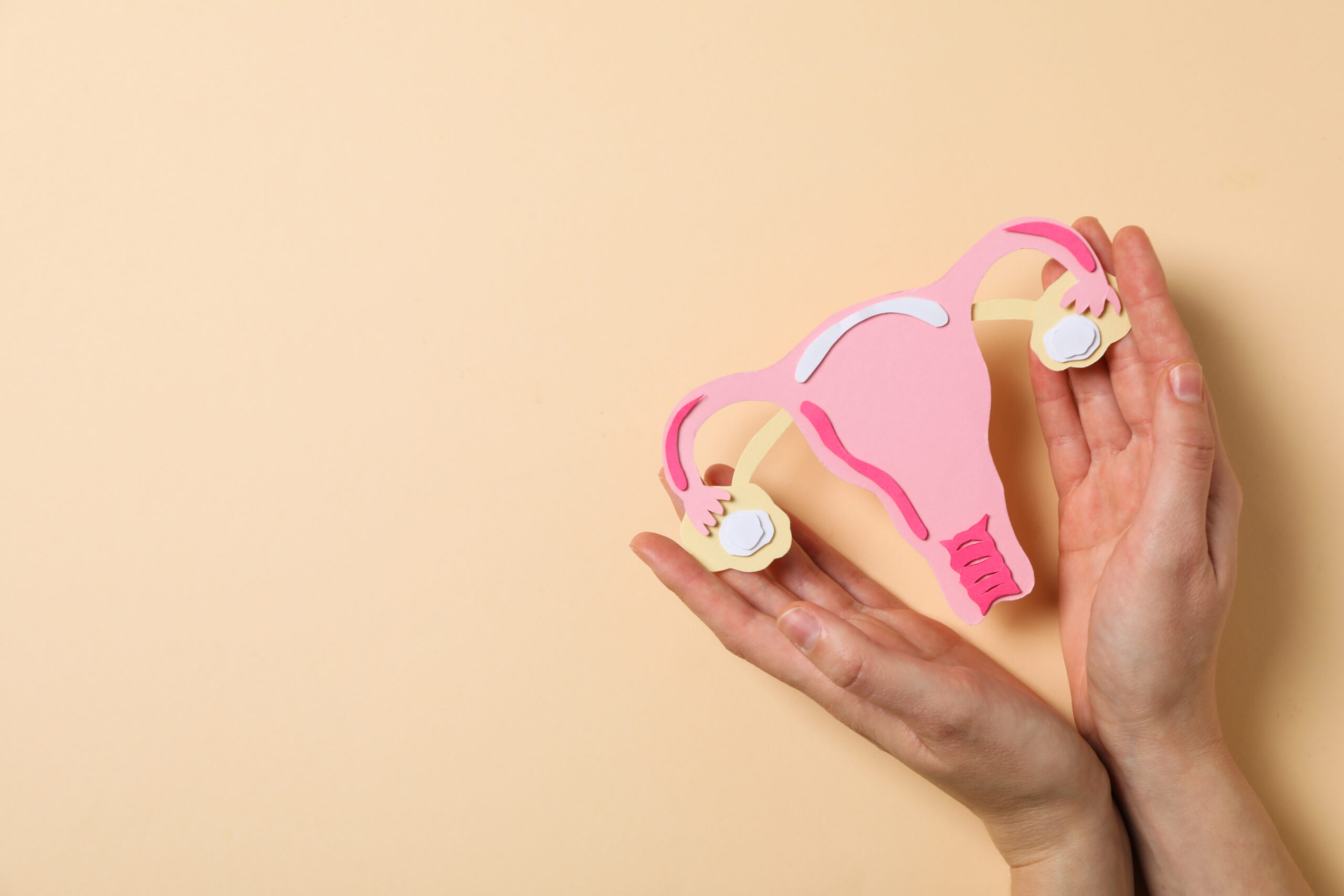
Is infertility becoming more common? Nowadays, Infertility is becoming more common among young individuals across nations. This is not a taboo topic anymore because it’s the need of the hour. The number of individuals who are becoming infertile is increasing day by day and it urges us to talk right now. In this article, we are going to discuss its causes both in men and women. Before going any further, there is a need for understanding the term infertility. What is infertility? When a couple cannot conceive after having regular unprotected sex is called infertility. It may be that one partner cannot contribute to conception, or that a woman is unable to carry a pregnancy full time. It is often defined as not conceiving after 12 months of regular sexual intercourse without preventive measures. Infertility can affect both males and females and can result from many different causes. About 1 in every 10 couples is infertile, or somewhere between 10 and 15 per cent of the population. Normal fertility depends on the production of a good number of healthy, motile sperm by the male and the delivery of those cells into the vagina. It also depends upon the successful passage of the sperm through the uterus and into the fallopian tubes, and penetration of a normal egg by one of the sperm. A successful pregnancy also requires that the fertilized ovum subsequently become implanted in the lining of the female uterus. If there is any problem in any one of the processes, it causes infertility in couples. Factors that can have many effects on reproductive capacity in both men and women include alcohol consumption and drug use, a history of sexually transmitted diseases (STDs), and a number of general medical problems including obesity, and diabetes. The impact of smoking on reproduction is considerable. Cigarette smoke contains hundreds of toxic substances, the negative health effects of which have been well documented. By interfering with the production of sperm, smoking can adversely affect male fertility. In women, smoking can affect different stages in the reproductive process, from the pickup of the egg by the fallopian tube to the growth and development of the fetus. Here there are many other factors that are directly affecting the fertility of both women and men. Let us understand the factors that are making a woman infertile. Female infertility Female infertility may be caused by ovulatory, endometriosis, cervical, and uterine factors, as well as by advanced age. The presence of adhesions (rubbery or filmy bands of scar tissue) in and around the fallopian tubes interferes with the ability of the tube to take up the egg after it has been released from an ovary; it can also affect the movement of the sperm through the tube. Causes of female infertility Female infertility can be caused by: 1. Endometriosis 2. Problems with the fallopian tubes 3. Problems with the uterus 4. Ovulation problems 5. Polycystic ovary syndrome (PCOS / PCOD ) 1. Endometriosis Endometriosis is a condition in which cells from the lining of the uterus (the endometrium) migrate to other parts of the pelvis. It can damage the fallopian tubes and the ovaries, and affect the movement of the egg and sperm. Even if the fallopian tubes and ovaries are not damaged, endometriosis can affect fertilisation, embryo growth and implantation 2. Problems with the fallopian tubes The sperm fertilises the egg on its journey down the fallopian tube. A blocked or scarred fallopian tube may impede the egg’s progress, preventing it from meeting up with sperm. 3. Problems with the uterus The fertilised egg lodges (implants) in the lining of the uterus. Some uterine problems that can hamper implantation include: fibroids – non-malignant tumours inside the womb polyps – overgrowths of the endometrium, which can be prompted by the presence of fibroids. 4. Ovulation problems  The menstrual cycle functions by several glands and their hormones work in harmony. For ovulation to occur, a part of the brain called the hypothalamus prompts the nearby pituitary gland to secrete hormones that trigger the ovaries to ripen eggs. Irregular or absent periods indicate that ovulation may be irregular or absent too. The age of the woman is a significant fertility factor. The chance of pregnancy for a woman aged 40 years is only 5% per menstrual cycle. Ageing eggs are thought to be the cause. A woman is born with her entire egg supply and, as time passes, these eggs become less viable. Other difficulties for women over 40 include an increased risk of miscarriage and genetic abnormalities in the unborn baby. 5. Polycystic ovary syndrome ( PCOS / PCOD ) At ovulation, the ovaries produce small cysts or blisters called follicles. Typically, one follicle ripens to release an egg. In polycystic ovary syndrome (PCOS), the follicles fail to ripen, instead of forming little cysts at the periphery of the ovaries which often release male sex hormones. This means that the woman’s ovulation and periods are irregular or don’t happen at all. These are the major causes which are affecting the fertility of women. One cannot say this is the exact reason for the cause of infertility because there are many other minor reasons which can also be potential reasons. In the next blog, male infertility causes and treatment will be discussed. In addition to that, You can fill out the form to get our exclusive Ebooks https://docs.google.com/forms/d/1ph_oxZLapsfJYyy3xCuh2iOgt-V6NjaKLGb76TxsFPo/edit?ts=628df80f Thanks for Reading!!!

Is infertility becoming more common? Read More »

Scroll to Top