


FitMom Club

VMax_Admin

Fibermaxxing in 2026: How Boosting Your Gut Microbiome with 40g of Fiber Can Transform Your Health

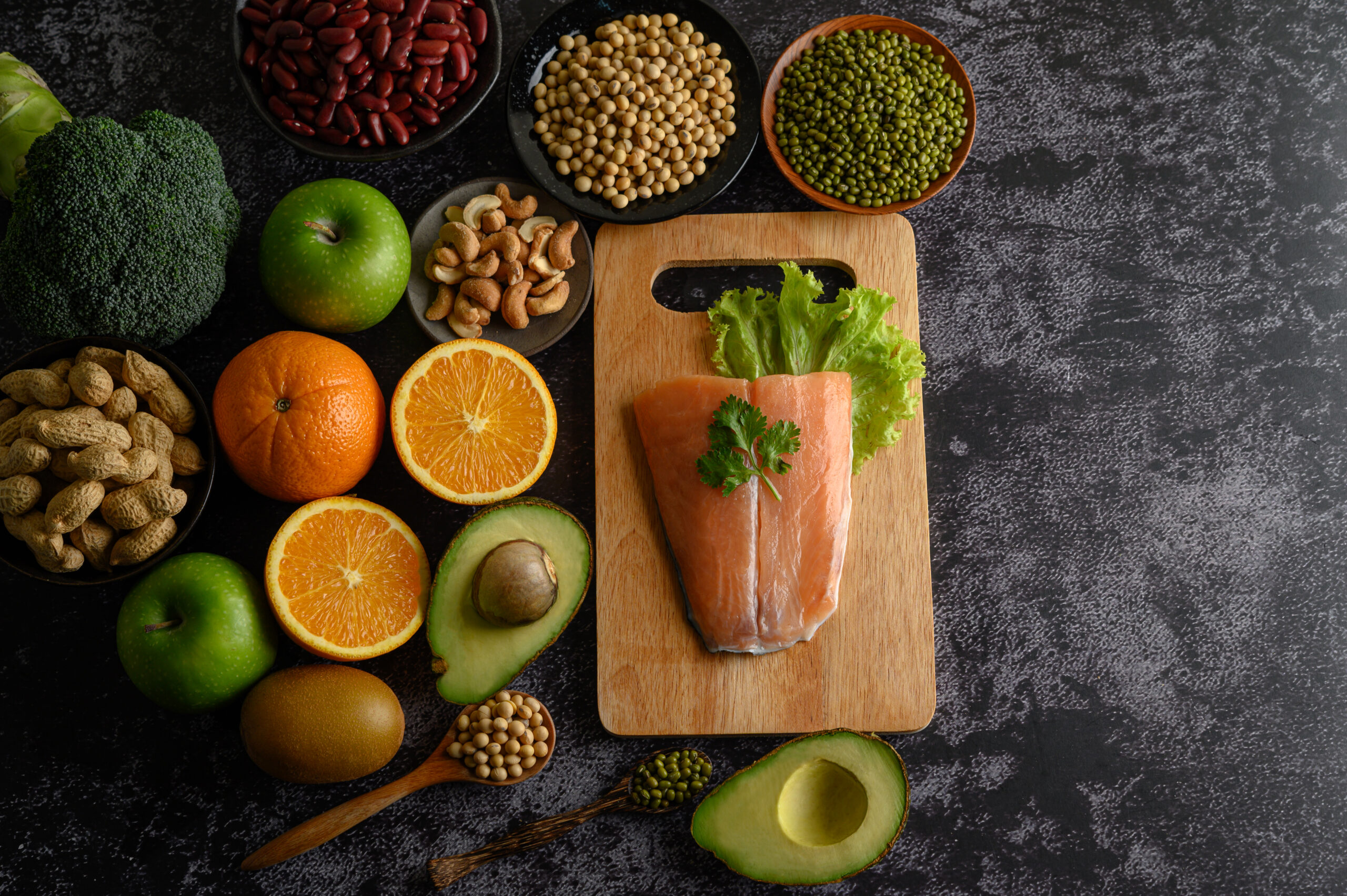
Fibermaxxing in 2026: How Boosting Your Gut Microbiome with 40g of Fiber Can Transform Your Health In 2026, one of the biggest health and nutrition trends is “Fibermaxxing.” This growing movement focuses on dramatically increasing daily fiber intake to support the gut microbiome, improve digestion, and enhance overall health.   For busy moms balancing family, work, and self-care, improving gut health can be a powerful step toward better energy, weight management, and long-term wellness. At FitMom Club, we emphasize sustainable nutrition habits, and increasing fiber intake is one of the simplest yet most effective strategies.   Let’s explore why 40 grams of fiber daily is becoming the gold standard for gut health and how you can easily achieve it. Why the Microbiome Matters More Than Ever Your gut microbiome is a community of trillions of bacteria living in your digestive system. These microbes influence: Digestion and nutrient absorption Hormone regulation Immune function Weight management Mood and mental health Recent research shows that a fiber-rich diet feeds beneficial gut bacteria, helping them produce short-chain fatty acids (SCFAs) that reduce inflammation and support metabolic health.   Unfortunately, most adults consume only 10–15g of fiber daily, far below the recommended levels.   That’s where fibermaxxing comes in. What is Fibermaxxing? Fibermaxxing is the practice of intentionally increasing fiber intake to 30–40g per day to optimize gut health and metabolic function.   Unlike restrictive diets, fibermaxxing focuses on adding beneficial foods, not removing them.   Key benefits of higher fiber intake Improved digestion and gut health Better blood sugar control Reduced cravings and improved satiety Healthy weight management Lower cholesterol levels For mothers juggling busy schedules, these benefits can translate to better energy, improved metabolism, and sustainable fat loss. The 40g Fiber Goal: Why It Works Hitting 40 grams of fiber daily helps diversify your microbiome. A diverse microbiome is linked to: Reduced risk of obesity Improved insulin sensitivity Better immune health Reduced inflammation Fiber acts as fuel for beneficial gut bacteria, helping them thrive and crowd out harmful microbes.   The result? A healthier digestive system and improved overall wellness. How to Hit 40g of Fiber Daily Reaching 40g may sound intimidating, but with the right foods, it becomes surprisingly easy.   High-Fiber Foods to Add to Your Plate 1. Fiber-Rich Breakfast Options Oats (4g per serving) Chia seeds (10g per 2 tbsp) Flaxseeds Berries 2. Fiber-Packed Lunch Choices Lentils (15g per cup) Chickpeas Quinoa Avocado 3. Smart Fiber Snacks Apples with skin Almonds Roasted chickpeas Carrots and hummus 4. Dinner Additions Broccoli Sweet potatoes Brown rice Beans Example 40g Fiber Day Breakfast: Oatmeal with chia seeds and berries (12g) Lunch: Quinoa bowl with chickpeas and veggies (14g) Snack: Apple with almonds (6g) Dinner: Lentil curry with broccoli (12g) Total: 44g fiber Tips to Increase Fiber Without Digestive Issues Jumping from 10g to 40g overnight may cause bloating. Instead, increase gradually.   Follow these tips Increase fiber intake slowly over 2–3 weeks Drink plenty of water Include both soluble and insoluble fiber Prioritize whole foods over supplements Consistency is key. Why Fibermaxxing is Perfect for FitMom Club Members At FitMom Club, nutrition isn’t about extreme diets. It’s about sustainable lifestyle changes that support long-term health.   A high-fiber diet helps: Support healthy weight loss Reduce cravings Improve energy levels for workouts Support hormone balance Combined with personalized workouts and expert nutrition guidance, fibermaxxing becomes a powerful tool for transformation. Conclusion: Small Nutrition Changes, Big Health Impact The fibermaxxing trend is more than just a diet fad, it’s a science-backed approach to improving gut health, metabolism, and overall wellness.   By gradually increasing fiber intake to 40g per day, you can support your microbiome, improve digestion, and feel more energized throughout the day.   At FitMom Club, we help women build healthier habits with expert guidance, structured nutrition plans, and sustainable fitness programs.   Ready to transform your health from the inside out?Join the FitMom Club transformation programs and start your journey toward better gut health today. FAQs Loved the Post? Share It!

Fibermaxxing in 2026: How Boosting Your Gut Microbiome with 40g of Fiber Can Transform Your Health Read More »

Nutrigenomics DNA nutrition concept showing personalized vitamin intake for women's health

Nutrigenomics 101: How Your DNA Should Dictate Your Vitamin Intake

Nutrigenomics 101: How Your DNA Should Dictate Your Vitamin Intake Modern health science is moving beyond generic diet plans. Today, nutrigenomics is changing the way we understand nutrition by revealing how your DNA influences how your body absorbs and uses vitamins and nutrients.   For women, especially busy mothers trying to balance family, work, and health, this approach can make nutrition more effective and personalized.   At FitMom Club, we believe the future of wellness lies in personalized nutrition based on your body’s unique biology, not one-size-fits-all supplements. What Is Nutrigenomics? Nutrigenomics is the study of how genes interact with nutrients and how your DNA affects the way your body processes vitamins, minerals, and food.   Simply put, your genetic makeup can influence: How well you absorb vitamin D Your need for B vitamins How your body processes carbohydrates and fats Your sensitivity to caffeine and sugar This means that two people taking the same vitamins might experience completely different results.   Why This Matters for Women Women often face unique health challenges such as: Hormonal fluctuations Bone density loss Energy imbalance Post-pregnancy nutritional deficiencies Understanding your genetic nutrition profile can help address these issues more effectively. How Your DNA Influences Vitamin Needs 1. Vitamin D Absorption Some people have gene variants that reduce the body’s ability to absorb or activate vitamin D. This may lead to: Low energy levels Weakened immunity Poor bone health A DNA-based nutrition plan may recommend higher vitamin D intake or specific sunlight exposure strategies.   2. B Vitamin Metabolism A common gene variation called MTHFR affects how your body processes folate (vitamin B9). People with this variation may benefit more from methylated B vitamins, which are easier for the body to absorb. Benefits of optimized B vitamins include: Improved energy production Better mood balance Enhanced metabolism 3. Omega-3 Fatty Acid Utilization Some genetic profiles convert plant-based omega-3s poorly. For these individuals: Fish-based omega-3 sources Targeted supplementation may be more beneficial for heart health and inflammation control.   4. Iron and Mineral Absorption Certain genetic markers influence how your body absorbs iron, magnesium, and zinc. Women with poor iron absorption may experience: Chronic fatigue Hair thinning Low immunity A personalized plan ensures optimal mineral intake without over-supplementation. Benefits of DNA-Based Nutrition Personalized nutrition offers several advantages compared to traditional diet plans.   Key Benefits Precision supplementationNo more guessing which vitamins you need. Better energy and metabolismNutrients are tailored to your body’s genetic response. Improved long-term healthSupports hormonal balance, bone health, and immunity. Reduced risk of nutrient deficienciesEspecially important for women managing busy lifestyles. How Nutrigenomics Supports a Healthy Lifestyle Nutrigenomics doesn’t replace healthy habits, it enhances them.   To get the best results, combine genetic insights with: Balanced whole-food nutrition Strength training and functional fitness Adequate sleep and stress management Smart supplementation At FitMom Club, our wellness approach focuses on science-backed nutrition and sustainable fitness routines designed specifically for women and mothers. Is Nutrigenomics the Future of Women’s Health? As technology evolves, personalized nutrition and DNA-based health insights are becoming more accessible.   Experts believe that nutrigenomics will soon become a standard tool in preventive health and wellness programs.   For women, this means: Smarter supplement choices Better hormonal balance Sustainable weight management Increased energy and longevity Instead of following generic diet advice, you can build a nutrition strategy designed specifically for your body. Final Thoughts Your body is unique, and your nutrition should be too.   Understanding how your DNA influences vitamin absorption and nutrient metabolism can transform the way you approach health, energy, and fitness.   At FitMom Club, we empower women to take control of their wellness through personalized fitness coaching, smart nutrition strategies, and sustainable lifestyle habits.   Ready to upgrade your health? Join FitMom Club and start building a nutrition and fitness plan designed for your body, your goals, and your life. FAQs Loved the Post? Share It!

Nutrigenomics 101: How Your DNA Should Dictate Your Vitamin Intake Read More »

Beyond Calories: How Continuous Glucose Monitors (CGMs) Reveal Your Personal Energy Foods

Beyond Calories: How Continuous Glucose Monitors (CGMs) Reveal Your Personal Energy Foods For years, weight loss advice focused on a simple rule: calories in versus calories out. While calorie balance still matters, modern nutrition science is revealing something deeper, how your body processes food matters just as much as how much you eat. This is where Continuous Glucose Monitors (CGMs) are transforming the way we understand nutrition. Instead of guessing which foods fuel your body best, CGMs help you discover your personal energy foods by tracking real-time blood sugar responses. What is a Continuous Glucose Monitor (CGM)? A Continuous Glucose Monitor (CGM) is a small wearable device that tracks your blood glucose levels throughout the day. It sends data directly to a smartphone app, allowing you to see how your body responds to different foods, stress levels, sleep, and physical activity.   Originally designed for people managing diabetes, CGMs are now gaining popularity in the metabolic health and personalized nutrition space.   They provide valuable insights into: Blood sugar spikes after meals Energy crashes during the day Food sensitivity and metabolic response Impact of sleep, stress, and exercise Why Calories Alone Don’t Tell the Full Story Two people can eat the same meal with identical calories but experience completely different blood sugar responses.   For example: One person may feel energized and satisfied Another may experience a glucose spike followed by fatigue and hunger These fluctuations can influence: Fat storage Hunger hormones Energy levels Cravings Long-term metabolic health Tracking glucose helps identify which foods support stable energy instead of spikes and crashes. Discovering Your Personal “Energy Foods” Your energy foods are meals that keep your blood sugar stable while providing long-lasting energy. Using CGM data, you may notice patterns like:   Foods That Stabilize Energy These foods typically create gentle glucose responses: High-fiber vegetables Lean proteins Healthy fats Whole grains with protein Balanced meals combining protein + fiber These foods support metabolic flexibility and sustained energy.   Foods That Trigger Spikes Some foods may cause rapid glucose increases, followed by energy crashes.   Common examples include: Refined carbohydrates Sugary snacks and beverages Highly processed foods Carb-heavy meals without protein or fiber For some individuals, even foods considered healthy—like oatmeal or fruit smoothies—may trigger spikes depending on their unique metabolism. The Rise of Personalized Nutrition The growing popularity of glucose tracking and CGM diets highlights a larger shift in the health industry: personalized nutrition.   Instead of following generic diet plans, people are now using data to understand their individual metabolic responses.   Benefits include: Better energy levels throughout the day Reduced cravings and emotional eating Improved metabolic health More effective weight management Smarter meal planning This approach aligns with emerging research showing that nutrition should be personalized rather than one-size-fits-all. Practical Ways to Use CGM Insights If you’re using a CGM, here are simple strategies to maximize its benefits:   1. Test Meals Individually Try eating meals separately to observe your body’s response clearly.   2. Pair Carbs with Protein or Fat This can slow glucose absorption and reduce spikes.   3. Track Energy and Mood Notice how glucose patterns align with energy levels and focus.   4. Observe Lifestyle Factors Sleep, stress, and exercise significantly influence blood sugar responses.   Over time, you’ll build a personal blueprint of foods that fuel your body best The Future of Smarter Nutrition As wearable health technology continues to evolve, tools like Continuous Glucose Monitors are helping people move beyond calorie counting toward metabolic awareness and smarter nutrition decisions.   Understanding your body’s response to food empowers you to choose meals that support stable energy, sustainable weight management, and long-term health.   Because ultimately, the goal isn’t just eating fewer calories, it’s eating the right foods for your unique metabolism. FAQs Loved the Post? Share It!

Beyond Calories: How Continuous Glucose Monitors (CGMs) Reveal Your Personal Energy Foods Read More »

The “Biological Age” Test: Is Your Lifestyle Making You Younger or Older Than Your Birthday?

The “Biological Age” Test: Is Your Lifestyle Making You Younger or Older Than Your Birthday? You celebrate your birthday every year, but what if your body is aging at a completely different speed?   Your biological age reflects how well your body is functioning compared to your actual chronological age. Two women can both be 35 years old, yet one may have the metabolic health of a 28-year-old, while the other may show markers closer to 45.   At FitMom Club, we believe age is not just a number, it’s a reflection of daily habits, nutrition, stress levels, and lifestyle choices. The good news? You can influence it. What Is Biological Age? Biological age measures how efficiently your body systems are working, based on:   Metabolic health Body composition Hormonal balance Inflammation levels Cardiovascular fitness Sleep quality Stress response Unlike your birth date, biological age can move forward or backward depending on your lifestyle.   For moms, especially after pregnancy, hormonal shifts, poor sleep, stress, and inconsistent nutrition can accelerate aging markers. That’s why sustainable weight loss and metabolic support are crucial. Signs Your Lifestyle May Be Aging You Faster If you’re experiencing these symptoms, your biological age may be higher than your chronological age:   Persistent fatigue Difficulty losing post-pregnancy weight Increased belly fat Brain fog Poor sleep quality Mood fluctuations Low muscle tone These aren’t “just mom life” symptoms. They are signals from your body. What Impacts Your Biological Age? 1. Nutrition Quality Crash diets and extreme calorie restriction may reduce weight temporarily, but they increase stress hormones and muscle loss, both linked to accelerated aging.   A balanced, nutrient-dense diet supports: Healthy metabolism Stable blood sugar Hormonal balance Reduced inflammation This is why our customized nutrition plans focus on natural weight loss without deprivation.   2. Muscle Mass & Strength Muscle is the key anti-aging organ.   After 30, women naturally lose muscle mass unless they actively maintain it. Lower muscle mass slows metabolism and increases fat storage.   Structured home workout programs for moms that include strength training can: Boost metabolic age Improve fat loss Increase energy Support hormonal health 3. Sleep & Stress Management Chronic stress elevates cortisol, which: Increases belly fat Disrupts hormones Accelerates aging Slows weight loss Quality sleep and stress regulation can dramatically improve biological markers. How to Lower Your Biological Age Naturally The goal isn’t perfection, it’s consistency.   Here’s what actually works: Prioritize protein in every meal Strength train at least 3x per week Walk daily (7,000–10,000 steps) Hydrate adequately Sleep 7–8 hours nightly Avoid extreme crash diets Focus on sustainable fat loss Small daily improvements can reverse metabolic age within months. Why Moms Should Care About Biological Age Your health impacts your entire home.   When your energy improves: You show up stronger for your children You feel confident in your body Your metabolism becomes more efficient You reduce long-term health risks A younger biological age means better vitality, longevity, and quality of life. The FitMom Club Approach to Reverse Aging Naturally At FitMom Club, we don’t promote quick fixes. We focus on: Sustainable weight loss Hormone-supportive nutrition Strength-focused home workouts Expert-guided coaching Lifestyle-based transformation Our programs are designed specifically for women navigating post-pregnancy changes, busy schedules, and real-life challenges.   Because true transformation isn’t about looking younger, it’s about feeling stronger, energized, and in control of your health. Final Thoughts Your birthday is fixed.Your biological age is not.   Every meal, workout, and habit either accelerates aging or slows it down.   If you’re ready to lower your biological age naturally and feel stronger from the inside out, it’s time to choose a smarter, sustainable path.   FitMom Club helps you become metabolically younger, without crash diets or extreme routines.   Your healthiest version is still ahead of you. FAQs Loved the Post? Share It!

The “Biological Age” Test: Is Your Lifestyle Making You Younger or Older Than Your Birthday? Read More »

FitMom SIGNATURE: Expert-Led 1 – on – 1 Coaching​

FitMom SIGNATURE: Expert-Led 1 – on – 1 Coaching Not every transformation journey is the same.   Your body, your lifestyle, your health history, and your goals are unique, and your coaching should reflect that.   FitMom SIGNATURE is the most exclusive offering at FitMom Club, designed for women who want personalized attention, clinical precision, structured accountability, and real, measurable results.   This is not a generic fitness program.This is custom coaching built entirely around you. Our Signature Promise The FitMom SIGNATURE program is built on three powerful pillars:   Transformation – Structured progression with measurable results.   Customer-Centric Care – Coaching designed around your schedule and lifestyle.   Integrity – Ethical, transparent, and clinically responsible practices.   We combine science, strategy, and support to create sustainable change, not temporary fixes. What Makes FitMom SIGNATURE Different? Dedicated 1 – on – 1 Online Coaching You receive dedicated, focused coaching tailored to your body and goals. Expert-Led Team Your journey is guided by certified professionals across: Fitness Physiotherapy Clinical Nutrition Structured Assessments & Goal Mapping We don’t guess. We assess, map, and execute. Progressive Tracking & Reviews Regular performance tracking ensures measurable growth and clear direction. Injury-Conscious & Hormone-Smart Programming Safe for postnatal recovery, hormonal shifts, or clinical conditions. Flexible Program Durations Options available for 3, 6, or 12 months based on your goals. Choose Your Signature Coaching Pathway We offer six premium pathways:   Fit Mom Signature Gold Fitness: Elite one-on-one strength and body transformation coaching. Fit Mom Signature Gold Physio: Movement optimization and pain-free strength building. Fit Mom Signature Gold Nutrition: Lifestyle-focused fat loss and energy optimization. Fit Mom Signature Gold Clinical Nutrition: Advanced condition-based support for hormones and metabolism. Fit Mom Signature Gold Fitness + Nutrition: Integrated training and nutrition for full-body transformation. Fit Mom Signature Gold Physio + Clinical Nutrition: Precision recovery combined with therapeutic nutrition planning.   Each pathway is structured to deliver clarity, progression, and accountability. Program Duration Options Choose the timeline that matches your transformation goals:   3 Months: Ideal for kickstarting visible progress. 6 Months: Best for sustainable body recomposition. 12 Months: Designed for lifestyle and metabolic change.   Sessions are pre-scheduled with your dedicated coach and must be utilized within program validity. A limited grace buffer is included to support scheduling flexibility, ensuring convenience without compromising commitment. Who Is FitMom SIGNATURE For? This program is ideal for: Women seeking structured fat loss or strength transformation Postnatal or hormonal recovery clients Women managing pain, injury, or clinical conditions Busy professionals needing accountability Individuals who prefer private coaching If you value privacy, precision, and performance, this is for you. The Signature Experience All sessions are conducted online via the official platform.   Booking flexibility includes: Rescheduling with 24-hour notice Structured session frequency Dedicated client support Results require collaboration. Clients are expected to: Share accurate health information Follow professional guidance Maintain communication Complete periodic assessments We expect a Signature Commitment, because real transformation is a partnership. Why FIitMom SIGNATURE Works Personalization over templates. Clinical expertise over guesswork. Structured accountability over random check-ins. Long-term change over short-term motivation.   When your program fits your life, transformation becomes sustainable.   Upgrade your journey with FitMom SIGNATURE and experience expert-led fitness that finally fits you. FAQs Loved the Post? Share It!

FitMom SIGNATURE: Expert-Led 1 – on – 1 Coaching​ Read More »

How to Fuel Your “Cellular Batteries” and End Afternoon Fatigue

Mitochondrial Energy for Moms: How to Fuel Your “Cellular Batteries” and End Afternoon Fatigue Every mom knows the feeling.   You power through the morning, school prep, work calls, errands, and then 3 PM hits. Brain fog. Cravings. Zero energy.   Most women blame willpower, caffeine, or “mom life.” But the real issue may be happening deep inside your cells: your mitochondria.   Often called the “powerhouses of the cell,” mitochondria act like tiny batteries that convert food into usable energy (ATP). When they function well, you feel focused, strong, and metabolically healthy. When they don’t, fatigue, weight gain, and hormonal imbalance creep in.   At FitMom Club, we believe sustainable fat loss and hormone balance start at the cellular level. Why Mitochondrial Health Matters for Moms Your mitochondria influence:   Daily energy levels Metabolic health Fat burning efficiency Hormone balance Brain clarity Healthy aging Emerging longevity research shows mitochondrial dysfunction is linked to insulin resistance, chronic inflammation, and accelerated aging. For moms juggling stress, sleep deprivation, and nutrient gaps, mitochondrial support becomes essential, not optional.   If you’re experiencing afternoon crashes, sugar cravings, or stubborn belly fat, your “cellular batteries” may need support What Drains Your Cellular Energy? Modern motherhood can overload mitochondria. Common drains include:   1. Chronic StressElevated cortisol increases oxidative stress, damaging mitochondria over time. 2. Blood Sugar SpikesHigh refined-carb intake forces energy rollercoasters, straining metabolic pathways. 3. Poor SleepMitochondria repair during deep sleep. Sleep debt reduces energy production efficiency. 4. Sedentary LifestyleMovement stimulates mitochondrial biogenesis, the creation of new mitochondria. 5. Nutrient DeficienciesLow magnesium, B vitamins, iron, and CoQ10 impair ATP production.   The result? Persistent fatigue that coffee can’t fix. How to Recharge Your Cellular Batteries 1. Strength Training Over Endless Cardio Resistance training signals your body to create more mitochondria. This improves fat metabolism and insulin sensitivity. At FitMom Club, our home workout plans focus on muscle-building because strong muscles equal strong metabolism.   2. Stabilize Blood Sugar Build meals around: Protein (eggs, chicken, lentils) Healthy fats (nuts, seeds, olive oil) Fiber-rich vegetables Balanced meals prevent the 3 PM crash and support metabolic flexibility.   3. Prioritize Deep Sleep Aim for 7–8 hours of quality sleep. Sleep regulates mitochondrial repair and hormone production, especially cortisol and insulin. Create a consistent bedtime routine and limit late-night screen exposure.   4. Add Mitochondrial Nutrients Support energy pathways with: Magnesium Iron (if deficient) Omega-3 fatty acids B-complex vitamins Vitamin D Always consult a healthcare professional before supplementation.   5. Walk Daily Low-intensity movement like walking improves oxygen utilization, essential for mitochondrial function. Even 20–30 minutes daily can significantly improve energy metabolism. The FitMom Club Approach to Energy We don’t believe in quick-fix detox teas or extreme calorie cuts. Those approaches further stress mitochondria and hormones.   Instead, our philosophy focuses on: Muscle building over shrinking Balanced nutrition over crash dieting Hormonal longevity over temporary weight loss Sustainable energy over caffeine dependence When your cellular batteries are charged, fat loss becomes easier, cravings reduce, and mental clarity improves.   Energy isn’t about pushing harder. It’s about fueling smarter. From Afternoon Crash to All-Day Energy If you’re constantly tired despite “doing everything right,” it may be time to look deeper, at the cellular level.   Supporting mitochondrial health helps moms: Reduce fatigue Improve metabolism Balance hormones Build long-term resilience Age powerfully At FitMom Club, we help moms transform not just their bodies, but their energy systems.   Because when your cells are energized, everything changes. FAQs Loved the Post? Share It!

How to Fuel Your “Cellular Batteries” and End Afternoon Fatigue Read More »

The Ovary-Span Revolution: Why Protecting Your Hormonal Reserve Is the New Longevity Goal for Moms

The Ovary-Span Revolution: Why Protecting Your Hormonal Reserve Is the New Longevity Goal for Moms Motherhood transforms your life, and your hormones.   For years, women were told to focus on weight loss, anti-aging creams, and cardio workouts. But a new conversation in women’s health is changing everything: ovary-span.   Ovary-span refers to the length of time your ovaries function optimally, producing hormones like estrogen and progesterone that regulate metabolism, mood, brain health, bone density, and heart health. Just like lifespan and healthspan, ovary-span is now considered a key predictor of long-term vitality.   For modern moms balancing children, career, stress, and sleepless nights, protecting hormonal reserve may be the most powerful longevity strategy. Why Ovary-Span Matters Ovarian hormones do far more than control your menstrual cycle.   Estrogen supports: Cardiovascular health Strong bones Cognitive function Insulin sensitivity Collagen production Emotional stability As ovarian function declines, often beginning in the mid-to-late 30s, women may notice stubborn weight gain, irregular cycles, anxiety, poor sleep, and fatigue. These changes are frequently dismissed as “normal aging,” but they often signal early perimenopause.   Protecting ovary-span means protecting the hormones that shield your body from chronic disease later in life The Hidden Hormone Drains in Modern Motherhood Many moms unknowingly accelerate hormonal depletion due to lifestyle stressors:   Chronic stress: Elevated cortisol suppresses progesterone and disrupts ovulation. Sleep deprivation: Poor sleep impacts insulin balance and estrogen regulation. Crash dieting: Severe calorie restriction signals the body to reduce reproductive hormone output. Sedentary habits: Lack of resistance training weakens metabolic health. Ultra-processed foods: Blood sugar spikes increase inflammation and hormonal imbalance.   These factors don’t just affect energy; they shorten your hormonal resilience window. From Weight Loss to Hormone Optimization The traditional approach for moms has been “lose the baby weight.” But the ovary-span revolution shifts the goal toward hormone optimization and metabolic strength.   Instead of asking, “How do I get smaller?”The better question is: “How do I stay hormonally strong?”   Longevity experts emphasize that women must think about hormonal health years before menopause begins. Similarly, menopause educators highlight how many women in their late 30s and early 40s experience symptoms without realizing hormones are shifting.   Education and prevention are powerful tools. How Moms Can Protect Their Hormonal Reserve Supporting ovary-span doesn’t require extreme measures. Small, consistent habits make a big difference.   1. Strength train regularly. Resistance training improves insulin sensitivity and supports estrogen balance. 2. Eat balanced meals. Prioritize protein, fiber, and healthy fats to stabilize blood sugar. 3. Manage stress daily. Walking, breathwork, journaling, or quiet time can reduce cortisol load. 4. Protect sleep. Aim for 7–8 hours to regulate hormonal rhythms. 5. Support key nutrients. Vitamin D, magnesium, omega-3s, and iron play critical roles in ovarian health.   These practices not only support fertility years, but they also protect heart, bone, and brain health decades later. The Bigger Picture: Aging Powerfully Ovary-span isn’t about delaying menopause forever. It’s about strengthening your body before hormonal decline accelerates.   When moms protect their hormonal reserve, they gain:   Sustainable energy Better metabolic health Reduced chronic disease risk Stronger bones Emotional resilience Longevity is no longer just about living longer; it’s about living stronger.   The Ovary-Span Revolution invites mothers to move beyond quick fixes and focus on hormonal longevity. Because when a mom’s hormones are supported, everything else becomes more sustainable, from weight management to mental clarity.   Healthy moms don’t just raise strong families. They age strongly, too. FAQs Loved the Post? Share It!

The Ovary-Span Revolution: Why Protecting Your Hormonal Reserve Is the New Longevity Goal for Moms Read More »

From “Busy” to “Balanced”: How to Build a Life-Proof Weekly Fitness Schedule​

From “Busy” to “Balanced”: How to Build a Life-Proof Weekly Fitness Schedule Let’s be honest, for most moms, fitness is the first thing to fall off the calendar.   Between work, kids, home responsibilities, and the constant mental load, “I don’t have time” feels very real.   But here’s the shift: You don’t need more time. You need a life-proof system. Why Traditional Workout Plans Don’t Work for Moms Most fitness plans assume:   Fixed schedules Long gym sessions Endless energy Zero interruptions Real life doesn’t work that way.   Miss one workout → feel behind → quit entirely. A life-proof fitness plan is built around your reality, not perfection. What Is a Life-Proof Fitness Plan? It’s flexible. It adapts. It survives chaotic weeks.   Instead of asking, “How do I follow this perfectly?” Ask, “How do I keep moving no matter what?”   That mindset changes everything. The Real Secret: Time Integration, Not Time Creation Stop trying to “find” time.   Instead: Use 15–30 minute workouts Schedule strategically Let go of all-or-nothing thinking Leverage smart tools Fitness should fit into your life, like brushing your teeth, not compete with it. Step 1: Audit Your Real Week Map out: Work hours School runs Evenings Downtime (yes, scrolling counts) You’re not looking for hours, you’re looking for pockets. Even 20 minutes is powerful when used consistently Step 2: Define Your Minimum Effective Workout Forget 5 intense sessions per week.   Start with: 20 minutes of strength 10–15 minutes of mobility A quick home circuit Consistency beats intensity.   The FitMomClub app is designed around this principle, short, effective, and realistic workouts. Step 3: Choose a Simple Weekly Structure Pick what fits your life:   Option 1: 3-Day Plan 3 full-body workouts (20–30 minutes)   Option 2: Daily Micro-Movement 10–15 minutes every day   Option 3: Hybrid Plan   2 longer workouts + 2 short sessions   There’s no perfect plan, only the one you’ll follow. Step 4: Schedule It Like an Appointment If it’s not scheduled, it won’t happen. Add workouts to your calendar Set reminders Prepare clothes in advance Smart systems (like those inside the FitMomClub ecosystem) adjust your plan when life shifts, so you don’t have to restart. Plan for Chaos Life will interrupt.   Instead of quitting, ask:   “What’s the smallest action I can take today?”   Maybe it’s: A 10-minute workout A mobility session A quick walk Momentum matters more than perfection. Stop Relying on Motivation Motivation fades. Systems don’t.   Use: Habit stacking (after school drop-off) Workout clothes ready Automated reminders Community accountability Support makes consistency easier What a Balanced Week Really Looks Like Some weeks you’ll crush every workout. Some weeks you’ll just show up.   Both count.   Balance means: Structure without rigidity Progress without pressure Fitness that supports your life Final Shift: From Busy to Balanced You’re not bad at consistency. You were given a plan that wasn’t built for your life.   A life-proof fitness schedule: Respects your time Adapts to chaos Focuses on sustainability Protects your energy   With the right system and support from FitMomClub, fitness becomes something you live with, not something you constantly fall behind on.   Your health deserves a permanent place in your life. FAQs Loved the Post? Share It!

From “Busy” to “Balanced”: How to Build a Life-Proof Weekly Fitness Schedule​ Read More »

The Creatine Cure: Why Science Says Every Mom Over 30 Needs This Supplement

The Creatine Cure: Why Science Says Every Mom Over 30 Needs This Supplement For years, creatine was labeled a “bodybuilder supplement.” But modern research tells a different story.   If you’re a mom over 30 juggling kids, career, workouts, sleep deprivation, and hormonal shifts, creatine may be one of the most powerful (and overlooked) tools for your brain, muscles, and long-term health.   This isn’t about bulking up.It’s about energy, strength, resilience, and aging well. What Is Creatine? Creatine is a natural compound stored in your muscles and brain. Your body uses it to produce ATP, the energy currency of your cells.   Think of creatine as a rechargeable battery that helps your body and brain perform better under stress, fatigue, and aging.   Women naturally store less creatine than men, and levels can decline with: Reduced red meat intake Calorie restriction Hormonal changes after 30 Muscle loss (sarcopenia) High mental load The result? Brain fog, low energy, slower recovery, and reduced strength. Brain Benefits: Fuel for the Mental Load Your brain is energy-hungry. When energy dips, so does focus and clarity.   Research shows creatine may support: Memory and focus Reduced mental fatigue Better stress resilience Improved cognitive performance under sleep deprivation For busy moms managing nonstop decisions, this matters. Creatine doesn’t stimulate your brain, it fuels it. Muscle Health After 30 After 30, women gradually lose muscle mass. This affects: Metabolism Insulin sensitivity Bone strength Joint stability Long-term independence Creatine helps by: Supporting strength gains Enhancing recovery Preserving lean muscle Improving workout performance Even if you train just 2–3 times per week, creatine makes your effort more effective Does Creatine Cause Weight Gain? Creatine may increase water inside the muscle, not body fat. Many women notice: Better muscle tone Improved strength No increase in fat It does not cause fat gain. Hormones, Perimenopause & Midlife Resilience Hormonal shifts can affect energy, mood, and muscle maintenance. Emerging research suggests creatine may support: Muscle preservation Cellular energy production Cognitive resilience Recovery during high-stress phases For moms navigating perimenopause or chronic stress, this is powerful support. Is Creatine Safe? Creatine is one of the most researched supplements in the world.   Studies show it is safe for healthy individuals when taken at recommended doses.   Recommended dose: 3–5 grams daily No loading phase required Consistency matters more than timing Choose simple creatine monohydrate with no unnecessary additives.   (If pregnant or with kidney disease, consult your doctor.) Why It Matters for Moms Creatine isn’t about extremes.   It’s about: Brain fuel for mental load Muscle protection against aging More energy for busy days Long-term strength and independence For modern moms over 30, creatine isn’t a trend.   It’s smart science.   If there’s one supplement that deserves a second look, this is it.   Your brain, muscles, and future self will thank you. FAQs Loved the Post? Share It!

The Creatine Cure: Why Science Says Every Mom Over 30 Needs This Supplement Read More »

Hybrid Fitness: How to Balance Strength Training and Hybrid Racing for Real Results ​

Hybrid Fitness: How to Balance Strength Training and Hybrid Racing for Real Results The fitness world is evolving, and hybrid fitness is leading the charge. Gone are the days when you had to choose between being “strong” or having “good cardio.” Today’s modern athlete especially the Alpha Mom juggling family, career, and personal goals wants it all: strength, endurance, confidence, and a challenge that feels exciting again.    With the rapid rise of competitions like HYROX and DEKA, hybrid racing has become the perfect outlet for women who crave performance-based goals without sacrificing muscle or femininity. But here’s the real question: how do you balance strength training and cardio without burning out or losing results?    This long-form guide will walk you through everything you need to know about hybrid fitness for women, especially if you’re a mom training for HYROX or simply looking to become a stronger, faster, more resilient version of yourself.  Let’s dive in.  What Is Hybrid Fitness? Hybrid fitness is a training approach that combines strength training and endurance conditioning in a strategic, balanced way. Unlike traditional programs that focus on one quality at a time, hybrid training develops multiple physical capacities simultaneously.    In simple terms, hybrid fitness means:  Lifting heavy weights  Running, rowing, or cycling regularly  Training your engine and your muscles  Becoming strong without sacrificing stamina  This approach mirrors real-life demands especially for moms who need power, endurance, and mental grit every single day.  The Hybrid Racing Era: Why HYROX and DEKA Are Exploding Hybrid racing is no longer niche. Events like HYROX, DEKA FIT, and DEKA STRONG are redefining competitive fitness for everyday athletes.    Why hybrid races appeal to women and moms    Accessible yet challenging – You don’t need elite CrossFit skills  Structured and measurable – Clear race formats and divisions  Community-driven – Supportive, empowering environments  Strength-forward – Not just endless running  For many women, especially moms, hybrid racing provides a renewed sense of identity beyond daily responsibilities. Training for a race gives purpose, motivation, and a powerful reminder of what your body can do.  Who Is Hybrid Fitness Perfect For? Hybrid fitness is ideal for:    Busy moms who want efficient, effective workouts  Women bored with traditional gym routines  Runners who want more muscle and resilience  Lifters who want better endurance and fat loss  “Alpha Moms” seeking a new competitive edge  If you’ve ever thought, “I want to be strong, but I also want to keep up,” hybrid training is your answer.  The Biggest Mistake Women Make With Hybrid Training The number one mistake? Doing too much of everything, all the time.    Many women:    Lift heavy 5–6 days a week  Add daily HIIT or long runs  Undereat and under-recover  Wonder why they feel exhausted, puffy, or stuck  Hybrid fitness is not about piling on workouts. It’s about intentional balance.  More is not better. Smarter is better.  Strength Training for the Hybrid Athlete Mom Strength training is the backbone of hybrid fitness. Without it, endurance work breaks you down instead of building you up.    Why strength matters in hybrid racing    Improves power output for sleds, lunges, carries  Protects joints and reduces injury risk  Enhances running economy  Supports hormonal health for women  How many days should moms lift?    For most women training for HYROX:    3–4 strength sessions per week is ideal  Focus on compound lifts and functional patterns  Key strength movements for hybrid athletes    Prioritize:  Squats (front, back, goblet)  Deadlifts (traditional, trap bar, RDLs)  Push movements (bench, push-ups, overhead press)  Pull movements (rows, pull-ups, lat pulldowns)  Loaded carries (farmer’s carries, sandbags)  Strength training should feel empowering not draining.  Cardio Training Without Losing Muscle Cardio is essential for hybrid racing, but it must be done strategically, especially for women.    The truth about cardio and muscle loss  Cardio doesn’t kill gains poor programming does.    When endurance work:  Is excessive  Lacks intensity control  Isn’t supported by enough food  …muscle loss and fatigue follow.    Best cardio types for hybrid fitness    A balanced program includes:    Zone 2 cardio (easy runs, cycling, incline walking program includes:  Zone 2 cardio (easy runs, cycling, incline walking)  Tempo efforts (moderate, sustainable pace)  Race-specific intervals (sled pushes, wall balls, runs)  For moms, shorter, quality sessions beat long, exhausting workouts every time.  How to Balance Strength and Cardio in One Week Here’s what a realistic hybrid training week might look like for a busy mom:    Day 1: Lower body strength + short Zone 2 cardio  Day 2: Upper body strength + intervals  Day 3: Rest or mobility  Day 4: Full-body hybrid session (race-style)  Day 5: Zone 2 cardio + core  Day 6: Optional strength or skill work  Day 7: Rest  This structure allows progress without burnout, which is critical for long-term success.  Training for HYROX as a Mom: What to Know Training for HYROX while raising a family requires flexibility, patience, and self-compassion.    Key tips for HYROX moms  Consistency matters more than perfection  Missed workouts won’t ruin your race  Recovery is non-negotiable  Fueling properly is a performance tool  You’re not training like a 22-year-old with unlimited time and you don’t need to.  Conclusion: Becoming a Stronger, Faster, More Capable You Hybrid fitness is about more than races or workouts. It’s about becoming a woman who trusts her body, challenges her limits, and shows up strong in every area of life.    By balancing strength training and hybrid racing the right way, you don’t have to choose between muscle and endurance, ambition and motherhood, or performance and wellness.    You get it all real results, real confidence, and real pride in what your body can do.  FAQs Loved the Post? Share It!

Hybrid Fitness: How to Balance Strength Training and Hybrid Racing for Real Results ​ Read More »

Scroll to Top