


Cold Plunge vs. Sauna for Moms: Which Recovery Method Actually Works?
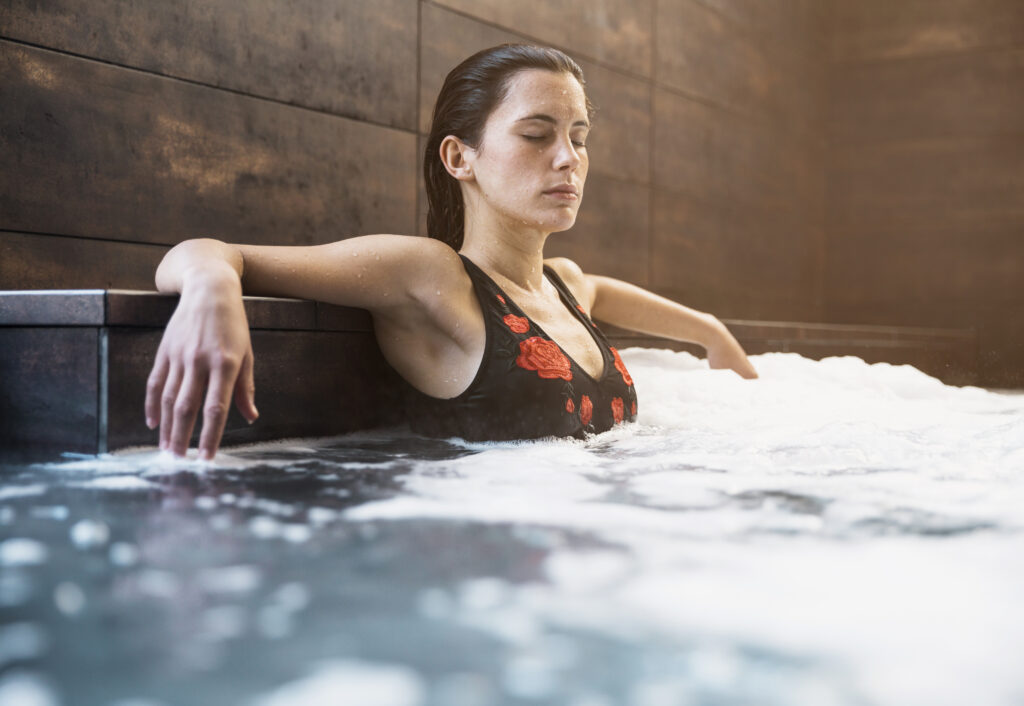
Two of the fastest-rising wellness trends right now are cold plunge therapy and sauna sessions — and they’re appearing everywhere from celebrity routines to local gym amenity lists. Both promise faster recovery, reduced stress, and more energy. But which one is actually right for you?
Let’s break down the science, the real-world benefits, and how to choose the best recovery tool for your body, your schedule, and your life stage as a mom.
What Is Cold Plunge Therapy?
Cold plunge therapy also known as cold water immersion or ice bath therapy involves submerging your body in water between 5059°F (1015°C) for 25 minutes. Once reserved for elite athletes, it’s now a popular recovery ritual for active moms who want faster results with less downtime.
KEY BENEFITS OF COLD PLUNGE FOR MOMS
- Reduces postworkout muscle soreness and inflammation fast
- Triggers a natural dopamine and norepinephrine surge boosting mood and focus for hours
- Improves circulation and supports a healthy metabolic rate
- Builds mental resilience, reducing anxiety and stress reactivity
- Energizes the body ideal as a morning wellness ritual
What Is Sauna Therapy?
Sauna therapy uses dry or infrared heat typically between 150195°F to raise your core body temperature and trigger a deep, cleansing sweat. Infrared saunas have surged in popularity among women’s wellness communities for their gentler heat and deeper tissue penetration at lower temperatures.
KEY BENEFITS OF SAUNA FOR MOMS
- Relieves muscle tension, joint stiffness, and chronic aches
- Deeply activates the parasympathetic nervous system signaling true rest
- Supports cardiovascular health and healthy blood pressure
- Significantly improves sleep quality a gamechanger for tired moms
- Promotes skin health through improved circulation and detox sweating
Cold Plunge vs. Sauna: Head-to-head
FOR MUSCLE RECOVERY
Both methods reduce delayedonset muscle soreness (DOMS), but through different mechanisms. Cold plunge rapidly constricts blood vessels and reduces acute inflammation right after exercise. Sauna increases blood flow and promotes tissue repair over a longer window.
The verdict? Cold plunge wins for postworkout soreness. Sauna wins for restday recovery.
❄️ COLD PLUNGE | 🔥 SAUNA |
Best within 3060 min postworkout. Reduces acute inflammation fast. Great morning energy booster. | Best on rest days or evenings. Promotes deep tissue repair, relaxation, and better sleep. |
FOR STRESS AND MENTAL WELLNESS
Moms carry a uniquely heavy mental load. Sauna therapy deeply activates your parasympathetic nervous system the ‘rest and digest’ state helping you feel genuinely calm and restored. Cold plunges flood your brain with feelgood hormones that sharpen focus, lift mood, and build mental toughness.
Both are proven to reduce cortisol. Your ideal choice depends on whether you need to unwind or energize.
FOR POSTPARTUM RECOVERY
Postpartum bodies deserve the most intentional care. Sauna therapy may gently support muscle recovery and stress relief after birth, but should be approached cautiously in the early weeks always get clearance from your OB or midwife first.
Cold plunges are generally not recommended immediately postpartum. Allow at least 68 weeks of healing and secure medical approval before exploring either modality.
Which Recovery Tool Is Right for You?
There’s no onesizefitsall answer but here’s a simple guide based on your goal and lifestyle:
Choose Cold Plunge if… | You want quick postworkout recovery, morning energy, or a sharp mental reset on a demanding day. |
Choose Sauna if… | You need deep relaxation, stress relief, improved sleep, or a gentle recovery ritual on rest days. |
Do Both (Contrast Therapy) if… | You want maximum recovery. Alternating heat and cold is one of the most powerful protocols used by elite athletes and it works for moms too. |
FitMomApproved Recovery Tips to Get Started
mom life:
- Start simple: A 60second cold shower after your workout counts as cold water therapy and costs nothing.
- Try an infrared sauna blanket: An affordable, spacesaving alternative perfect for use after the kids are in bed.
- Keep sessions short: 35 minutes for cold, 1520 minutes for sauna. Consistency matters more than duration.
- Hydrate well: Both methods can cause dehydration drink 1620 oz of water before and after each session.
- Stack with your routine: Add cold plunge right after workouts; add sauna to your winddown evenings.
The golden rule? Consistency beats intensity. Just like your training, recovery works best as a daily habit, not an occasional treat.
Frequently Asked Questions
Q: Is cold plunge or sauna better for postpartum recovery? |
Sauna therapy is generally the gentler choice for postpartum recovery. However, both should be delayed until at least 68 weeks after delivery and only with healthcare provider clearance. Cold plunge is typically not recommended in the early postpartum period due to physiological demands it places on the body. |
Q: How long should moms spend in a cold plunge or sauna? |
For cold plunge, beginners should aim for 13 minutes and work up to 5 minutes over time. For sauna, 1520 minutes at moderate temperature (150175°F) is a safe starting point. Always listen to your body, exit if you feel dizzy, and hydrate thoroughly before and after each session. |
Q: Can you do cold plunge and sauna on the same day? |
Yes this is called contrast therapy. The standard approach is to alternate between sauna heat and cold immersion in cycles (1015 min sauna, then 23 min cold, repeated 23 times), finishing on cold for antiinflammatory benefit. It is one of the most effective recovery protocols available and is increasingly accessible through modern wellness centers and home setups. |
FAQs
What is the best way to lose weight naturally?
The best natural weight-loss method includes eating whole foods, reducing portion sizes, choosing high-fiber carbs, increasing protein, staying hydrated, and being physically active.
Can I lose weight without dieting?
Yes. Weight loss is possible through mindful eating, portion control, and choosing balanced meals instead of restrictive dieting.
What foods help with weight loss?
High-protein foods (chicken, eggs, yogurt), fiber-rich foods (oats, veggies), fruits, nuts, seeds, and whole grains all support weight loss.
Are carbs bad for weight loss?
No. Carbs are essential. Choose complex carbs like oats, whole grains, and sweet potatoes because they stabilize blood sugar and keep you full longer.
How much water should I drink to lose weight?
Aim for 8–10 glasses a day. Staying hydrated helps prevent overeating, boosts metabolism, and supports digestion.
Do I need to exercise every day to lose weight?
No. Even 30 minutes of walking daily plus strength training 2–3 times a week can significantly improve fat loss.
Is high protein eating good for weight loss?
Yes. High-protein diets reduce cravings, increase satiety, and help maintain muscle while losing fat.
Loved the Post? Share It!
Book your Free Consultation Now
Just fill in the form & our Health Consultant will get in touch with you
❌ Please fill all required fields.
✅ Thank you for submitting the form Our Health Consultant will reach out to you. Please respond to that.