



What Actually Worked for Real Moms in 2026: FitMom Club Community Roundtable
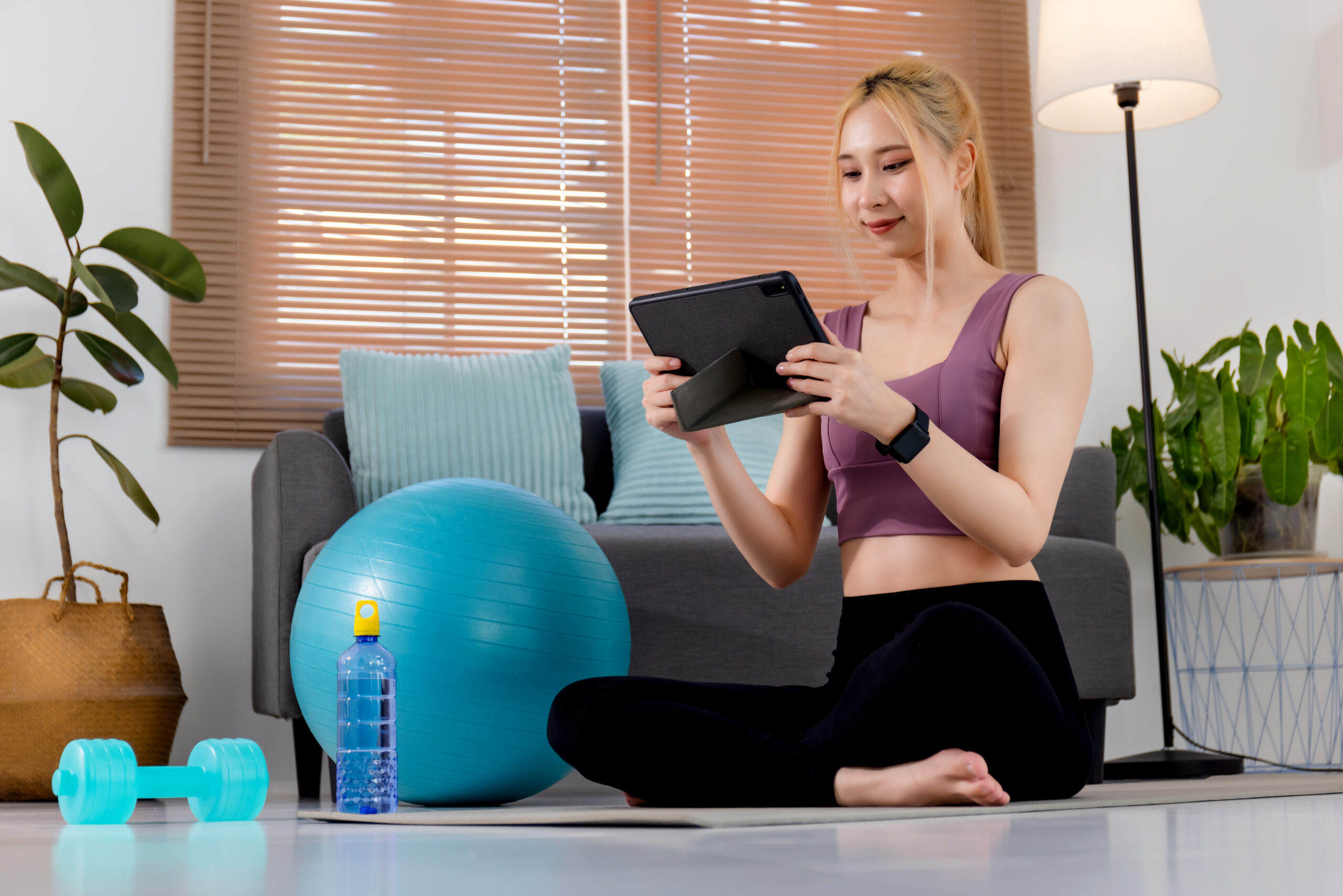
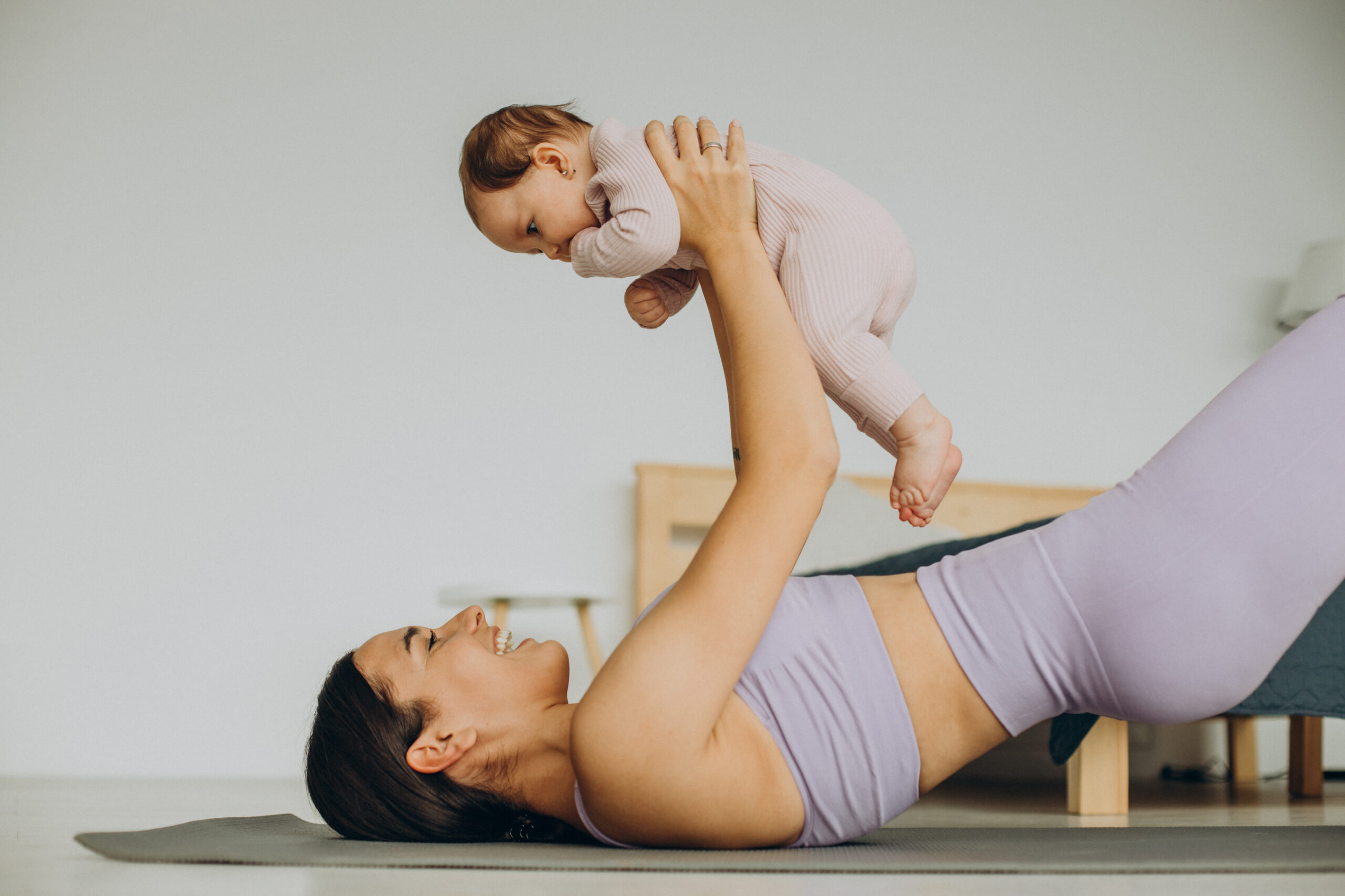
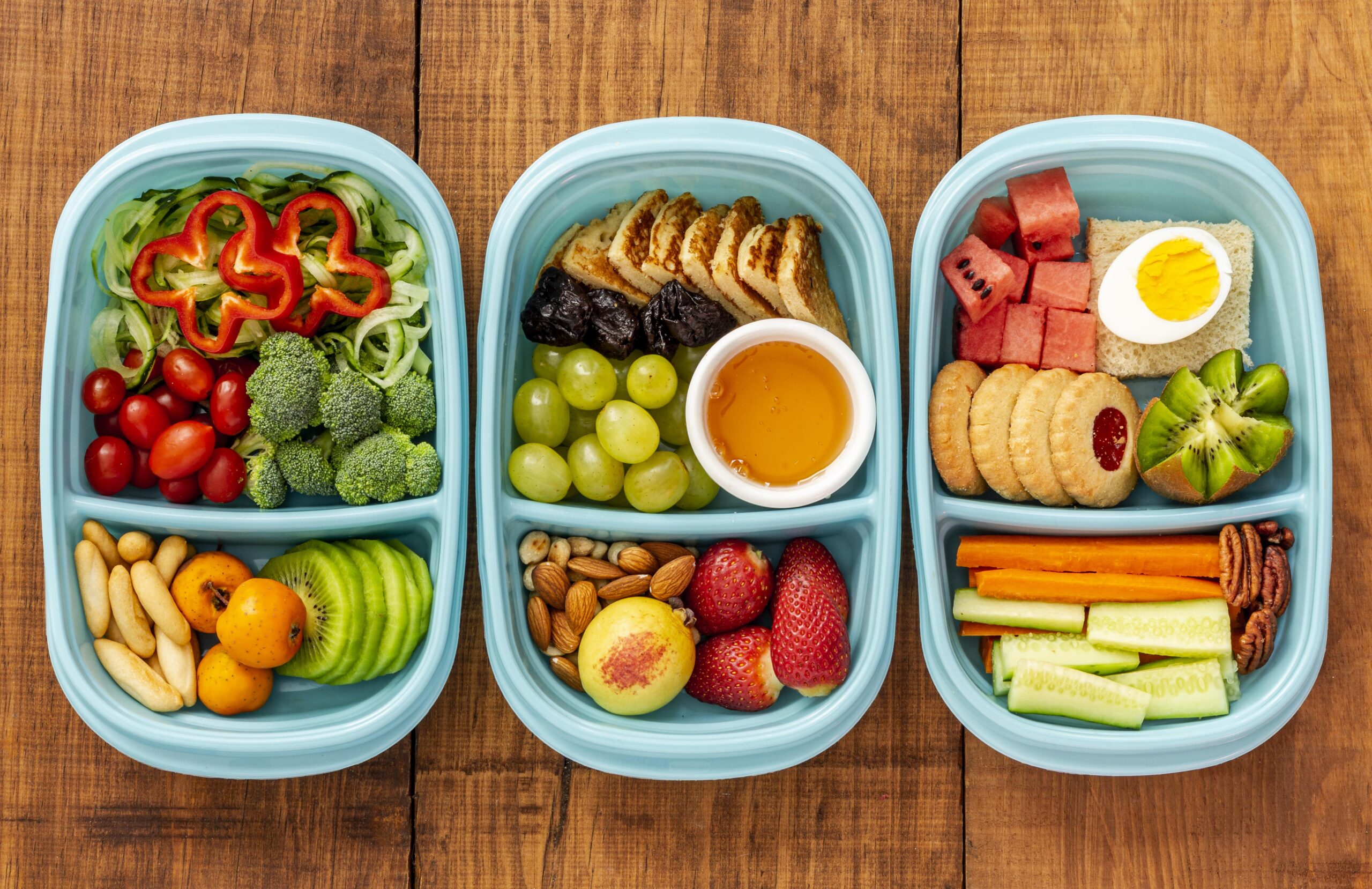
What Actually Worked for Real Moms in 2026: FitMom Club Community Roundtable For moms, getting healthier rarely comes down to finding the “perfect” diet or spending hours in the gym. Between work, children, household responsibilities, and everyday commitments, consistency can be difficult. So, what actually worked for real moms in 2026? At FitMom Club, our community conversations highlighted a simple truth: realistic routines beat extreme plans. From practical home workouts to sustainable nutrition habits, moms found that small changes they could repeat consistently delivered better results than quick fixes. Here are the lessons that stood out. 1. Realistic Weight Loss Starts With Consistency One of the biggest lessons from our community was that sustainable weight loss does not happen overnight. Instead of following restrictive diets, moms focused on habits they could maintain: Eating balanced meals more consistently Controlling portions without eliminating favourite foods Staying active throughout the day Drinking enough water Getting better sleep whenever possible Tracking progress beyond just the weighing scale The goal was not perfection. It was building a routine that could survive busy days. Why sustainable habits matter Extreme approaches can be difficult to maintain. A realistic plan allows moms to make progress while continuing to manage family and work responsibilities. 2. Home Workouts Made Fitness More Practical Finding time for a gym can be challenging for busy mothers. That is why home workouts for moms continued to be a practical option in 2026. Short, structured workouts made it easier to stay active without spending significant time travelling to and from a gym. Moms found value in workouts that could fit around their schedules, whether that meant exercising early in the morning, during a child’s nap, or later in the evening. The key was not necessarily exercising for longer. It was making movement a regular part of the day. 3. Nutrition Became More Realistic Another major takeaway was moving away from the idea that a “healthy diet” has to be complicated. Successful moms focused on simple, repeatable nutrition choices: Include protein and vegetables in regular meals. Choose filling foods that support better portion control. Plan meals when possible instead of relying entirely on last-minute choices. Enjoy occasional treats without turning one meal into an entire “cheat day.” Focus on overall eating patterns rather than one imperfect meal. This approach helped make healthy eating feel like a lifestyle rather than a temporary challenge. 4. Fitness for Busy Moms Requires Flexibility A fitness routine has to work with real life. Some days went according to plan. Other days involved sick children, unexpected work, family commitments, or simply exhaustion. The moms who continued making progress did not treat one missed workout as failure. They simply returned to their routine at the next opportunity. That mindset is important for anyone working toward sustainable weight loss. 5. Progress Is Bigger Than the Scale Weight is useful data, but it is not the only measure of progress. Our community discussions also highlighted improvements such as: Better energy Increased strength Improved confidence Better eating habits Greater consistency Clothes fitting differently Feeling more comfortable being active Looking at multiple indicators can make the fitness journey more realistic and motivating. 6. The Biggest Lesson: Find a Supportive Community Perhaps the strongest takeaway was that moms do better when they do not feel like they are doing everything alone. A supportive community can provide accountability, encouragement, practical ideas, and a place to share challenges honestly. That is the idea behind FitMom Club: helping mothers build healthier routines that fit into their actual lives—not unrealistic routines designed around a perfect schedule. FAQs What is the best way for moms to lose weight sustainably? The best approach is a consistent combination of balanced nutrition, regular physical activity, adequate recovery, and habits that can realistically fit into daily life. Are home workouts effective for busy moms? Yes. Home workouts can be effective when they are structured appropriately and performed consistently. Even shorter workouts can contribute to overall activity and fitness. How can busy moms stay consistent with fitness? Set realistic goals, choose convenient workouts, plan meals when possible, track multiple forms of progress, and avoid treating missed workouts as failure. Consistency over time matters more than perfection. FAQs Loved the Post? Share It!
What Actually Worked for Real Moms in 2026: FitMom Club Community Roundtable Read More »