


The Estrogen Belly Fat Connection Every Woman Over 30 Needs to Understand
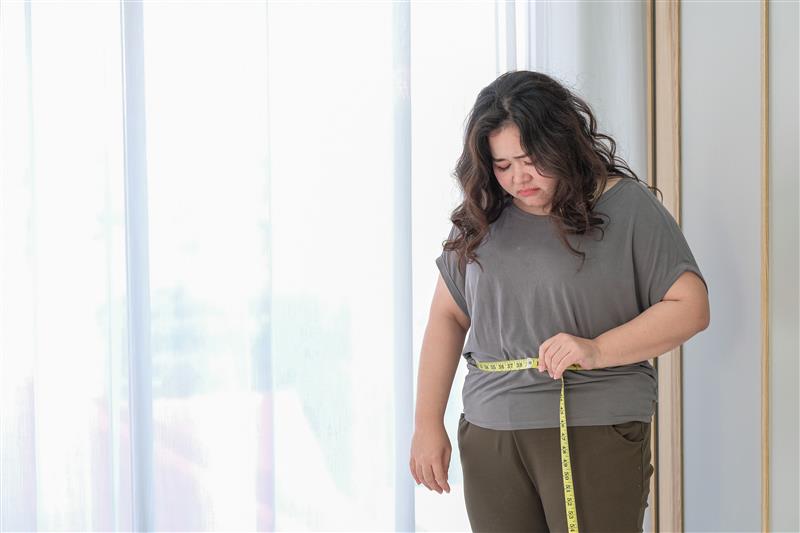
You are eating clean. You are moving your body. But that stubborn belly fat just will not budge. Sound familiar?
If you are a woman over 30, the real culprit might not be your calories or your workout plan it could be your hormones. Specifically, estrogen.
The estrogenbelly fat connection is one of the most overlooked topics in women’s health. Understanding this link is the first step to finally making progress and FitMom Club is here to break it all down for you.
What Happens to Estrogen After 30?
In your 20s, estrogen levels are relatively stable. But as you enter your 30s and beyond, estrogen begins to fluctuate and eventually decline as you approach perimenopause.
This hormonal shift does not just affect your mood or your cycle. It actively changes where and how your body stores fat.
The Two Types of Estrogen Imbalance
- Estrogen Dominance Too much estrogen relative to progesterone, common in your 30s40s
- Low Estrogen Occurs closer to menopause, causing fat to shift from hips to the abdomen
Both states can result in hormonal belly fat the kind that seems impossible to lose with diet and exercise alone.
Why Estrogen Specifically Targets Your Belly
Fat cells are not passive. They are metabolically active and actually produce their own estrogen. When estrogen drops, your body compensates by storing MORE fat especially visceral (abdominal) fat tokeep producing it.
This is why menopause belly fat feels different. It is your body’s survival response, not a personal failure.
How Cortisol Makes It Worse
Hormones do not work in isolation. When estrogen fluctuates, it can raise cortisol (your stress hormone). High cortisol signals your body to store fat right in your midsection creating a double hormonal effect on belly fat.
Signs your belly fat may be hormonedriven:
- You gain weight even when your diet has not changed
- Fat accumulates specifically in your lower abdomen
- You feel puffy or bloated even on good days
- You experience irregular periods, mood swings, or sleep issues
- Traditional diet and exercise are not delivering results
5 Science Backed Ways to Balance Estrogen and Reduce Belly Fat
- Prioritize Fiber Especially Cruciferous Vegetables
- Broccoli, cauliflower, kale, and Brussels sprouts contain DIM (diindolylmethane), a compound that supports healthy estrogen metabolism. Aim for 2530g of fiber daily.
- Strength Training Over Cardio
- Resistance training improves insulin sensitivity and boosts metabolism both critical when hormones are in flux. Even 3 sessions per week makes a measurable difference.
- Reduce Xenoestrogens
- Plastics, pesticides, and synthetic fragrances contain estrogenmimicking chemicals. Switch to glass containers, eat organic where possible, and use natural personal care products.
- Manage Stress Actively
- Lower cortisol through sleep hygiene, mindfulness, and walking in nature. When stress drops, belly fat storage slows too.
- Support Your Liver
- Your liver detoxifies excess estrogen. Support it with lemon water, dandelion tea, and limiting alcohol. A sluggish liver means more estrogen stays in circulation.
Frequently Asked Questions
Q1: Does estrogen cause belly fat?
Yes. When estrogen levels drop especially during perimenopause the body shifts fat storage from the hips and thighs to the abdomen. Additionally, estrogen dominance (too much estrogen) can increase fluid retention and fat accumulation in the midsection. Both hormonal states can contribute to stubborn belly fat after 30.
Q2: How do I know if my belly fat is hormonal?
Hormonal belly fat is typically characterized by unexplained weight gain in the abdomen despite no changes in diet, persistent bloating, fatigue, irregular menstrual cycles, mood changes, and poor sleep. If traditional fatloss efforts are not working, a hormonal imbalance may be the root cause.
Q3: What is the best diet to balance estrogen and lose belly fat?
A diet rich in cruciferous vegetables (broccoli, kale, cauliflower), highfiber foods, flaxseeds, and lean protein supports healthy estrogen metabolism. Reducing processed foods, alcohol, and sugar also helps. Supporting liver health through hydration and whole foods is essential for clearing excess estrogen from the body.
The Bottom Line: Your Belly Fat Has a Hormonal Story
Belly fat after 30 is rarely just about calories. The estrogenbelly fat connection is real, well researched, and deeply personal for millions of women. The good news? Once you understand the hormonal root cause, you can take meaningful action.
Small, consistent shifts in nutrition, movement, stress management, and toxin reduction can absolutely move the needle even when nothing else has worked.
FAQs
What is the best way to lose weight naturally?
The best natural weight-loss method includes eating whole foods, reducing portion sizes, choosing high-fiber carbs, increasing protein, staying hydrated, and being physically active.
Can I lose weight without dieting?
Yes. Weight loss is possible through mindful eating, portion control, and choosing balanced meals instead of restrictive dieting.
What foods help with weight loss?
High-protein foods (chicken, eggs, yogurt), fiber-rich foods (oats, veggies), fruits, nuts, seeds, and whole grains all support weight loss.
Are carbs bad for weight loss?
No. Carbs are essential. Choose complex carbs like oats, whole grains, and sweet potatoes because they stabilize blood sugar and keep you full longer.
How much water should I drink to lose weight?
Aim for 8–10 glasses a day. Staying hydrated helps prevent overeating, boosts metabolism, and supports digestion.
Do I need to exercise every day to lose weight?
No. Even 30 minutes of walking daily plus strength training 2–3 times a week can significantly improve fat loss.
Is high protein eating good for weight loss?
Yes. High-protein diets reduce cravings, increase satiety, and help maintain muscle while losing fat.
Loved the Post? Share It!
Book your Free Consultation Now
Just fill in the form & our Health Consultant will get in touch with you
❌ Please fill all required fields.
✅ Thank you for submitting the form Our Health Consultant will reach out to you. Please respond to that.