


FitMom Club

Weightloss

DUTCH Test for Women: What It Is & Whether You Need One

DUTCH Test for Women: What It Is & Whether You Need One Feeling exhausted no matter how much you sleep? Struggling with mood swings, weight changes, or a libido that has gone missing? Your hormones might be trying to tell you something and the DUTCH test could finally help you listen.  What Is the DUTCH Test? The DUTCH test (Dried Urine Test for Comprehensive Hormones) is one of the most advanced hormone panels available today. Unlike a standard blood draw that captures a single hormonal snapshot, the DUTCH test collects dried urine samples at multiple points throughout the day giving a far more complete picture of how your hormones behave over time.  Developed by Precision Analytical, it measures:  Sex hormones    estrogen, progesterone, testosterone, and their metabolites  Adrenal hormones    cortisol and DHEA patterns across the day  Melatonin levels    linked to sleep quality and circadian rhythm  Organic acids    markers for nutrient deficiencies and neurotransmitter activity    For busy moms juggling careers, children, and everything in between, this level of detail is a gamechanger.  Why the DUTCH Test Goes Deeper Than a Standard Blood Panel Most conventional labs only test total hormone levels they miss how your body processes and eliminates those hormones. The DUTCH test measures hormone metabolites, meaning it shows not just what your body produces, but what it actually does with those hormones.  This matters because:  Two women can have the same estrogen level but very different estrogen metabolism  Poor estrogen clearance is linked to PMS, fibroids, and breast tissue sensitivity  Cortisol patterns (not just single values) reveal whether your adrenals are burned out    Bottom line: The DUTCH test doesn’t just flag a problem it pinpoints where in the hormonal pathway the disruption is happening.  Who Should Consider the DUTCH Test? This panel is especially relevant for women experiencing:  Chronic fatigue that doesn’t improve with rest  Irregular or painful periods  Postpartum hormone imbalance or mood changes after childbirth  Perimenopause symptoms hot flashes, brain fog, disrupted sleep  Unexplained weight gain, especially around the midsection  Low libido or mood instability  Suspected adrenal fatigue or burnout    If you’ve had bloodwork come back “normal” but still feel off, the DUTCH test often uncovers what blood panels miss.  DUTCH Test vs. Blood Test: What’s the Difference? Feature  Blood Test  DUTCH Test  Hormone snapshot  Single point in time  Multiple points across the day  Cortisol pattern  Limited  Full daily rhythm tracked  Hormone metabolites  Not measured  Fully measured  Convenience  Lab visit required  Done at home  Detail level  Basic  Comprehensive  How to Take the DUTCH Test The process is straightforward:  Order the test through a qualified healthcare provider or functional medicine practitioner  Collect urine samples on filter paper strips at four to five specific times over one day  Mail the dried strips to the lab in the prepaid envelope  Receive your report  typically within 710 business days  No needles, no clinic visits, no fasting required. You can test from the comfort of your home which, let’s be honest, is exactly what most moms need. Understanding Your Results DUTCH test reports are detailed, so working with a knowledgeable practitioner is strongly recommended. Key areas they’ll assess include:  Estrogen dominance patterns    excess estrogen relative to progesterone  Cortisol awakening response    how your adrenals activate in the morning  Androgen levels    testosterone and DHEA that affect energy and mood  Methylation markers    how well your body detoxifies used hormones    Results open the door to targeted, personalized strategies  not onesizefitsall advice.  Conclusion: Your Hormones Deserve a Closer Look Hormonal balance isn’t a luxury it’s the foundation of energy, mood, metabolism, and motherhood. The DUTCH test gives you the comprehensive hormone panel you need to stop guessing and start healing with real data.  Frequently Asked Questions   1. What does the DUTCH test measure that a blood test doesn’t?  The DUTCH test measures hormone metabolites and cortisol patterns across the full day  not just a single hormone level. This reveals how your body breaks down and eliminates hormones, which a standard blood panel does not capture. It’s especially useful for identifying estrogen metabolism issues, adrenal burnout patterns, and sleepdisrupting melatonin imbalances.    2. Is the DUTCH test accurate for postpartum hormone testing?  Yes. The DUTCH test is one of the most informative options for postpartum women, as it tracks both sex hormones and adrenal stress hormones simultaneously. Postpartum hormone shifts are complex, and the DUTCH test’s multipoint urine collection gives a fuller, more accurate picture of what’s happening hormonally after birth.    3. How much does the DUTCH test cost, and is it covered by insurance?  The DUTCH test typically ranges from $300 to $500 USD, depending on the panel chosen and the provider. Most health insurance plans do not cover it, as it is considered a functional medicine test. Some Health Savings Accounts (HSA) or Flexible Spending Accounts (FSA) may reimburse the cost check with your provider for details.  FAQs Loved the Post? Share It!

DUTCH Test for Women: What It Is & Whether You Need One Read More »

Insulin Resistance in Women: Why It Looks Different and How to Reverse It

Insulin Resistance in Women: Why It Hits Differently and How to Reverse It You’re eating well. You’re staying active. Yet the scale won’t budge, your energy crashes every afternoon, and your waistline keeps expanding no matter what you try. Sound familiar? For millions of women, the hidden culprit is insulin resistance a hormonal disruption that medicine has historically studied mostly in men, leaving women underdiagnosed and undertreated.  The good news? Once you understand why insulin resistance in women looks different, you have the power to reverse it naturally.  What Is Insulin Resistance and Why Does It Hit Women Harder? Insulin is the hormone that unlocks your cells to absorb blood sugar for energy. When cells stop responding properly, your pancreas compensates by pumping out more insulin. Over time, this creates a cycle of elevated insulin, erratic blood sugar, and widespread inflammation.  Women face unique vulnerabilities that men simply don’t encounter:  Hormonal fluctuations estrogen and progesterone directly influence insulin sensitivity throughout the menstrual cycle, perimenopause, and menopause.  PCOS polycystic ovary syndrome affects up to 1 in 10 women and is strongly linked to insulin resistance.  Pregnancy and postpartum changes gestational diabetes can leave lasting metabolic imprints.  Chronic stress and poor sleep cortisol spikes (common in busy moms!) directly impair insulin function.  The Hidden Signs of Insulin Resistance in Women Unlike high blood pressure or a broken bone, insulin resistance has no obvious alarm. The symptoms are easy to dismiss as ‘just life.’ Watch for these warning signs:  Physical Red Flags  Stubborn belly fat that won’t shift with dieting  Darkened skin patches around the neck, armpits, or groin (acanthosis nigricans)  Unexplained weight gain, especially around the midsection  Skin tags appearing frequently  Energy & Mood Signals  Intense sugar or carb cravings, especially after meals  Energy crashes 12 hours after eating  Brain fog and difficulty concentrating  Feeling ‘hangry’ irritable when meals are delayed  Hormonal & Cycle Disruptions  Irregular or missed periods  Worsening PMS symptoms  Difficulty conceiving  Elevated testosterone markers (acne, excess hair growth)      💡 FitMom Insight: You don’t need a diabetes diagnosis to have insulin resistance. Many women spend years in a prediabetic metabolic state that is completely reversible with the right strategy.  5 Proven Ways to Reverse Insulin Resistance Naturally Medication is sometimes necessary, but lifestyle is your most powerful lever. Here’s what the evidence shows works for women specifically:  Prioritise a LowGlycemic, AntiInflammatory Diet. Fill half your plate with nonstarchy vegetables, add quality protein at every meal, and swap refined carbs for fibrerich whole foods. Avoid ultraprocessed foods that spike blood sugar rapidly.  Incorporate Strength Training (3x per week minimum). Muscle tissue is the body’s primary glucose sink. Building lean muscle dramatically improves how efficiently your cells use insulin more effectively than cardio alone.  Get 79 Hours of Quality Sleep. Just one night of poor sleep can reduce insulin sensitivity by up to 25%. Prioritise sleep as a nonnegotiable health strategy, not a luxury.  Manage Cortisol with Intentional Stress Relief. Chronic stress is a direct driver of insulin resistance. Daily practices like breathwork, walking in nature, or mindful movement can meaningfully lower cortisol levels.  Take a Short Walk After Meals. Even a 10minute postmeal walk has been shown to blunt blood sugar spikes by up to 30%. This simple habit is one of the most underrated tools in metabolic health.  Insulin Resistance & Weight Loss: Breaking the Cycle Here’s what most generic weightloss advice misses: if you have insulin resistance, your body is in fatstorage mode by default. No amount of calorie restriction will create lasting results until the underlying hormonal imbalance is addressed.  The approach that works for women with insulin resistance is metabolic not just caloric. Focus on:  Balancing blood sugar before worrying about calories  Eating proteinforward meals to stabilise hunger hormones  Avoiding long gaps without food that trigger cortisoldriven cravings  Tracking energy and mood patterns, not just the number on the scale  Most women begin noticing meaningful shifts in energy, mood, and body composition within 812 weeks of consistent metabolicfocused changes.  The Bottom Line Insulin resistance in women is real, it’s widespread, and for too long it’s been written off as ‘just stress’ or ‘getting older.’ But it is not inevitable and it is not permanent.  By understanding your body’s unique hormonal landscape and taking targeted, consistent action, you can restore insulin sensitivity, reclaim your energy, and reach a weight that feels natural and sustainable. You deserve a strategy built around how your body actually works.  Frequently Asked Questions Q  What are the early signs of insulin resistance in women?  Early signs of insulin resistance in women include persistent belly fat, intense sugar cravings, energy crashes after meals, irregular periods, darkened skin patches (acanthosis nigricans), difficulty losing weight despite dieting, and brain fog. Women with PCOS are especially susceptible and should be screened proactively.  Q  Can insulin resistance be reversed naturally in women?  Yes. Insulin resistance can often be reversed naturally through consistent lifestyle changes including a lowglycemic diet, regular strength training, quality sleep (79 hours), stress management, and reducing ultraprocessedfoods. Most women notice meaningful improvements within 812 weeks of consistent effort.  Q  How does insulin resistance affect weight loss in women?  Insulin resistance makes weight loss significantly harder because elevated insulin signals the body to store fat rather than burn it  especially around the abdomen. It also promotes constant hunger and cravings, making calorie control very difficult. Addressing the underlying hormonal imbalance through metabolicfocused diet and exercise is essential before sustainable weight loss can occur.  FAQs Loved the Post? Share It!

Insulin Resistance in Women: Why It Looks Different and How to Reverse It Read More »

8 Signs Your Thyroid Is Quietly Underperforming

8 Signs Your Thyroid Is Quietly Underperforming You’re sleeping eight hours and still dragging yourself through the day. The scale keeps creeping up, your hair is thinning, and you feel a kind of brain fog that no amount of coffee fixes. You’ve told yourself, “This is just what motherhood feels like.” But what if it isn’t?  For millions of women, the real culprit is a small, butterflyshaped gland in the neck: the thyroid. When it underperforms  a condition called hypothyroidism  it slows down nearly every system in your body. And because its symptoms overlap so closely with the exhaustion of everyday mom life, it goes undiagnosed for years.  At FitMom Club, we believe moms deserve real answers not just told to “rest more.” Here are 8 warning signs of thyroid problems in moms that you should never ignore.  Why Thyroid Health Matters for Moms Your thyroid produces hormones  T3 and T4  that regulate metabolism, energy, mood, body temperature, and even fertility. When output drops, everything slows down. Women are 58x more likely than men to develop thyroid issues, and the risk spikes after pregnancy, making postpartum thyroid issues a significant concern for new moms.  8 Signs Your Thyroid May Be Underperforming These are the most commonly missed signs of an underactive thyroid in mothers. Check how many sound familiar.    1  Persistent, Crushing Fatigue  Thyroid fatigue in moms is different from regular tiredness. It’s a bonedeep exhaustion that doesn’t improve with rest  and it’s the #1 reported symptom of hypothyroidism.    2  Unexplained Weight Gain  Despite eating well and staying active, the scale keeps rising. Thyroid weight gain in women is caused by a slowed metabolism your body simply burns fewer calories at rest.    3  Hair Thinning or Hair Loss  Thyroid hair loss in women typically appears as diffuse thinning across the scalp, and sometimes even in the eyebrows. This is one of the most distressing  and overlooked  signs.    4  Persistent Brain Fog  Difficulty concentrating, forgetting words midsentence, and mental slowness are classic low thyroid symptoms. Many moms dismiss this as “mom brain” when it’s actually hormonal.    5  Feeling Cold All the Time  An underactive thyroid reduces your body’s ability to regulate temperature. If you’re always reaching for a blanket while everyone else is comfortable, take note.    6  Mood Swings, Anxiety, or Depression  Hormonal imbalance in moms often manifests as unexplained low mood, irritability, or anxiety that feels disproportionate to your circumstances.    7  Constipation and Sluggish Digestion  A slow thyroid means a slow gut. Persistent constipation  especially when diet hasn’t changed  is a frequently overlooked sign of hypothyroidism symptoms in women.    8  Irregular or Heavier Periods  Thyroid hormones interact directly with your menstrual cycle. Heavier, longer, or more irregular periods than usual can signal an underactive thyroid, especially after childbirth.  What to Do If These Signs Sound Familiar STEP 1 TALK TO YOUR DOCTOR  Request a full thyroid panel not just TSH, but also Free T3, Free T4, and thyroid antibodies (TPO). Many underactive thyroid cases are missed when only TSH is tested.  STEP 2 TRACK YOUR SYMPTOMS  Keep a simple log for two weeks. Note your energy levels, sleep quality, digestion, and mood. Patterns matter, and your doctor needs the full picture.  STEP 3 SUPPORT YOUR THYROID NATURALLY  While medical treatment may be necessary, certain lifestyle habits also play a role in thyroid health:  Eat foods rich in iodine, selenium, and zinc (eggs, Brazil nuts, legumes)  Reduce chronic stress cortisol actively suppresses thyroid function  Prioritize 79 hours of sleep; poor sleep disrupts hormonal balance  Avoid highly processed foods and excess soy, which can interfere with thyroid hormones  Discuss with your doctor before taking supplements like kelp or iodine  You Know Your Body Best Trust It If you’ve been quietly wondering whether something is “off,” that gut feeling is worth listening to. Thyroid problems in moms are far more common than most realize and far more treatable when caught early.  You don’t have to accept exhaustion, brain fog, and unexplained weight gain as the price of motherhood. Getting a simple blood test could be the first step toward feeling like yourself again.    FREQUENTLY ASKED QUESTIONS    QUESTION  ANSWER  What are the most common signs of thyroid problems in moms?  The most common signs include persistent fatigue, unexplained weight gain, hair thinning, brain fog, feeling constantly cold, mood swings, constipation, and irregular periods. These are frequentlymistaken for parenting exhaustion, so many cases go undiagnosed.  Can pregnancy or postpartum changes affect thyroid health?  Yes  postpartum thyroiditis affects roughly 1 in 20 women after childbirth. Pregnancy places significant demand on the thyroid, and in some women, this triggers temporary or permanent underactivity within 16 months of delivery.  How is an underactive thyroid diagnosed in women?  Through a blood test measuring TSH, Free T3, Free T4, and thyroid antibodies (TPO). Ask your doctor specifically for a full thyroid panel  not just TSH  for the most complete picture.  FAQs Loved the Post? Share It!

8 Signs Your Thyroid Is Quietly Underperforming Read More »

Track Hormonal Health at Home Without an Expensive Lab Panel

Track Hormonal Health at Home Without an Expensive Lab Panel Track hormonal health at home it’s one of the most powerful things a mom can do for her wellbeing, and it costs far less than you think. If you’ve been waking up exhausted, riding an emotional rollercoaster, or watching the scale climb despite doing everything right, your hormones may be sending you urgent signals.  The good news? You don’t need a $400 blood panel to start listening. With the right tools and a little consistency, you can gather meaningful data about your estrogen, progesterone, cortisol, and more right from your own home Why Hormonal Imbalance Hits Moms Hardest Motherhood is biologically demanding. Pregnancy, postpartum recovery, chronic sleep deprivation, and chronic stress all disrupt your hormonal ecosystem. The key hormones to monitor include estrogen, progesterone, cortisol, thyroid hormones (T3/T4), and insulin.  Common hormonal imbalance symptoms in women include:  Persistent fatigue that sleep doesn’t fix  Irregular, painful, or absent periods  Unexplained belly weight gain  Anxiety, mood swings, or low motivation  Brain fog and poor concentration  Low libido and disrupted sleep cycles  5 Ways to Track Hormonal Health at Home (No Lab Required) 1. Daily Symptom Journal  Start free, start today. Log energy (110), mood, sleep quality, cycle day, skin changes, and cravings every morning. After 6090 days, powerful hormonal patterns become visible  tied to your cycle, stress load, or seasonal shifts.  Pro tip: Use a notes app or a $2 notebook. Consistency beats fancy tools.  2. Basal Body Temperature (BBT) Tracking  BBT tracking reveals your progesterone levels and confirms ovulation. A sustained 0.2°C rise after ovulation means progesterone is active. A flat or low postovulation temperature is a red flag for low progesterone  common during perimenopause.  Tools needed: A basal thermometer (~$12) and a free app like Tempdrop, Kindara, or Natural Cycles.  3. Cortisol Pattern Mapping  You don’t need a blood draw to spot cortisol dysregulation. Watch for these lifestyle signals:  Waking at 24 AM consistently  Afternoon energy crash (24 PM)  Feeling wired but exhausted at bedtime  Craving salty or sugary foods  Belly fat that won’t respond to diet or exercise  Track these patterns alongside your sleep and stress diary for 4 weeks.  4. AtHome Hormone Test Kits  For real data without a clinic, athome hormone test kits are a smart middle ground. Brands like Everlywell, LetsGetChecked, and Mira offer saliva or urinebasedpanels measuring estrogen, progesterone, FSH, LH, DHEA, and cortisol. Cost: $50$150 with results in 25 days.  5. Read Your Body’s Visual Signals  Your skin, hair, and gut are realtime hormone dashboards:  Jawline acne → elevated androgens or insulin resistance  Scalp thinning → low thyroid or high DHT  Dry skin and brittle nails → low estrogen  Bloating and slow digestion → progesterone fluctuations or high cortisol  Best Free Apps to Support Your Hormone Tracking Clue or Flo period & symptom cycle tracking  Natural Cycles BBT and ovulation confirmation  MyFitnessPal nutrition patterns and blood sugar links  Oura Ring / Apple Watch sleep and HRV as cortisol proxies  Google Sheets build your own personal hormone dashboard  FAQ Featured Snippet Optimized Q1: Can I track hormonal health at home accurately without a blood test?  Yes. While blood tests give clinical precision, consistent symptom journaling, BBT tracking, athome urine or saliva kits, and visible body signals (skin, hair, digestion) provide highly actionable hormonal data. Tracking these daily for 6090 days produces trend data your doctor can also use.  Q2: What are the first signs of hormonal imbalance in moms?  The most common early signs include unexplained fatigue, irregular periods, mood swings, belly weight gain, poor sleep quality, low libido, brain fog, and skin or hair changes. They often appear gradually  which is exactly why regular selftracking is so valuable.  Q3: How long before I can see hormonal patterns at home?  Most women identify reliable hormonal patterns within 23 full menstrual cycles (6090 days). The more consistent your daily entries and sametime BBT readings, the faster and clearer your patterns will become.  Your Hormones Are Talking Start Listening Today  You don’t need a white coat or a big lab bill to understand what your body is telling you. The five methods above let you track hormonal health at home with nothing more than a $12 thermometer, a journal, and 10 minutes a day.  Start with one method this week. Add another next month. The data you collect will not only empower your own wellbeing it will make every future conversation with your healthcare provider more informed and productive.  FAQs Loved the Post? Share It!

Track Hormonal Health at Home Without an Expensive Lab Panel Read More »

Progesterone Deficiency: The Hidden Cause of Mom Exhaustion and Anxiety

Progesterone Deficiency: The Hidden Cause of Mom Exhaustion and Anxiety You love your family. But lately, you’re bonetired before noon, anxious about everything, and struggling to remember why you walked into the kitchen. Sound familiar? You may be quick to chalk it up to “just being a mom”  but your body might be sending you a very different message.  One of the most overlooked causes of mom exhaustion and anxiety is progesterone deficiency. This critical hormone does far more than manage your menstrual cycle it is your body’s natural calming agent, sleep regulator, and energy supporter. When levels drop, everything falls apart.  Here’s everything you need to know about low progesterone symptoms in women, why it hits moms especially hard, and what you can do about it.  What Is Progesterone and Why Does It Matter for Moms? Progesterone is a steroid hormone produced primarily in the ovaries after ovulation. It plays a central role in the menstrual cycle and pregnancy but its influence extends well beyond reproduction.  Here is what progesterone does for your body every day:  Promotes deep, restorative sleep  Calms the nervous system by supporting GABA receptors in the brain  Balances the effects of estrogen  Regulates metabolism and supports thyroid function  Reduces inflammation and bloating  When progesterone levels fall  due to stress, age, postpartum changes, or hormonal imbalance  moms are among the first to feel the effects.  Signs You May Have a Progesterone Deficiency Many moms dismiss these warning signs as “just stress” or “getting older.” But these are real, hormonedriven symptoms worth paying attention to:  Physical Symptoms  Chronic fatigue that doesn’t improve with rest  Weight gain, especially around the abdomen  Headaches or migraines before your period  Irregular or heavy periods  Breast tenderness and bloating  Mental and Emotional Symptoms  Anxiety, panic, or a constant sense of dread  Irritability and mood swings  Brain fog and poor concentration (“mom brain”)  Depression or low motivation  Sleep disturbances and insomnia  If several of these resonate with you, hormonal imbalance anxiety driven by low progesterone may be the root cause not your willpower or mental strength.  Why Are Moms So Vulnerable to Low Progesterone? Motherhood itself creates the perfect storm for progesterone deficiency. Here’s why:  Chronic stress raises cortisol, which directly competes with and suppresses progesterone production.  Postpartum hormone imbalance causes progesterone to plummet after delivery, often triggering postpartum anxiety and depression.  Sleep deprivation disrupts the hormonal rhythms that regulate progesterone release.  Poor nutrition  a common reality for busy moms  depletes the zinc, magnesium, and B vitamins needed for hormone synthesis.  Perimenopause begins earlier than most women expect, with progesterone being the first hormone to decline significantly.  Natural Ways to Support Healthy Progesterone Levels The good news: there is a lot you can do to support your hormonal health naturally. Here are evidencebased strategies to help restore balance:  1. Prioritize Stress Management  Since cortisol is progesterone’s biggest enemy, managing your stress response is nonnegotiable. Try mindfulness meditation, gentle yoga, journaling, or even 10 minutes of quiet breathing daily.  2. Eat for Hormonal Health  Focus on foods that support progesterone production:  Pumpkin seeds and shellfish (rich in zinc)  Leafy greens and legumes (magnesium and B6)  Healthy fats like avocado and olive oil  Cruciferous vegetables to support estrogen detoxification  3. Protect Your Sleep  Progesterone helps you sleep, but you also need sleep to make progesterone. Aim for 79 hours, and establish a consistent bedtime routine to support your circadian rhythm.  4. Limit Xenoestrogen Exposure  Plastics, pesticides, and synthetic fragrances mimic estrogen in the body and further suppress progesterone. Swap plastic containers for glass, choose organic produce where possible, and use natural personal care products.  5. Talk to a Healthcare Provider  If symptoms are severe, ask your doctor about hormone testing. Natural progesterone therapy or targeted supplementation may be appropriate depending on your levels. Never selfdiagnose or selftreat hormonal conditions.  You Are Not “Just Tired” Your Body Is Asking for Help Mom exhaustion is real, but it is not inevitable. If you have been running on empty, snapping at your kids, lying awake at 3 a.m. with racing thoughts, or simply not feeling like yourself your hormones deserve a closer look.  Progesterone deficiency is one of the most underdiagnosed conditions in mothers today, and it is entirely addressable with the right support. You deserve to feel calm, energized, and present not just for your family, but for yourself.  FAQ Featured Snippet Optimized Q1: What are the signs of progesterone deficiency in moms?  Common signs include chronic fatigue, mood swings, anxiety, insomnia, irregular periods, low libido, and difficulty concentrating (mom brain fog). These symptoms often intensify during perimenopause or postpartum recovery.  Q2: Can low progesterone cause anxiety and depression in mothers?  Yes. Progesterone has a calming effect on the brain by supporting GABA receptors. When levels drop, many moms experience increased anxiety, irritability, and even postpartum depression. Balancing progesterone can significantly improve mood stability.  Q3: How can moms naturally boost progesterone levels?  Moms can support progesterone naturally through stress reduction (cortisol suppresses progesterone), adequate sleep, a nutrientrich diet (zinc, magnesium, vitamin B6), regular moderate exercise, and avoiding xenoestrogens. Always consult a healthcare provider before starting any hormonerelatedsupplements.  FAQs Loved the Post? Share It!

Progesterone Deficiency: The Hidden Cause of Mom Exhaustion and Anxiety Read More »

The Estrogen Belly Fat Connection Every Woman Over 30 Needs to Understand

The Estrogen Belly Fat Connection Every Woman Over 30 Needs to Understand You are eating clean. You are moving your body. But that stubborn belly fat just will not budge. Sound familiar?  If you are a woman over 30, the real culprit might not be your calories or your workout plan  it could be your hormones. Specifically, estrogen.  The estrogenbelly fat connection is one of the most overlooked topics in women’s health. Understanding this link is the first step to finally making progress  and FitMom Club is here to break it all down for you.  What Happens to Estrogen After 30? In your 20s, estrogen levels are relatively stable. But as you enter your 30s and beyond, estrogen begins to fluctuate  and eventually decline as you approach perimenopause.  This hormonal shift does not just affect your mood or your cycle. It actively changes where and how your body stores fat.  The Two Types of Estrogen Imbalance  Estrogen Dominance  Too much estrogen relative to progesterone, common in your 30s40s  Low Estrogen  Occurs closer to menopause, causing fat to shift from hips to the abdomen  Both states can result in hormonal belly fat  the kind that seems impossible to lose with diet and exercise alone.  Why Estrogen Specifically Targets Your Belly Fat cells are not passive. They are metabolically active and actually produce their own estrogen. When estrogen drops, your body compensates by storing MORE fat  especially visceral (abdominal) fat  tokeep producing it.  This is why menopause belly fat feels different. It is your body’s survival response, not a personal failure.  How Cortisol Makes It Worse  Hormones do not work in isolation. When estrogen fluctuates, it can raise cortisol (your stress hormone). High cortisol signals your body to store fat right in your midsection  creating a double hormonal effect on belly fat.  Signs your belly fat may be hormonedriven:  You gain weight even when your diet has not changed  Fat accumulates specifically in your lower abdomen  You feel puffy or bloated even on good days  You experience irregular periods, mood swings, or sleep issues  Traditional diet and exercise are not delivering results  5 Science Backed Ways to Balance Estrogen and Reduce Belly Fat Prioritize Fiber  Especially Cruciferous Vegetables  Broccoli, cauliflower, kale, and Brussels sprouts contain DIM (diindolylmethane), a compound that supports healthy estrogen metabolism. Aim for 2530g of fiber daily.  Strength Training Over Cardio  Resistance training improves insulin sensitivity and boosts metabolism  both critical when hormones are in flux. Even 3 sessions per week makes a measurable difference.  Reduce Xenoestrogens  Plastics, pesticides, and synthetic fragrances contain estrogenmimicking chemicals. Switch to glass containers, eat organic where possible, and use natural personal care products.  Manage Stress Actively  Lower cortisol through sleep hygiene, mindfulness, and walking in nature. When stress drops, belly fat storage slows too.  Support Your Liver  Your liver detoxifies excess estrogen. Support it with lemon water, dandelion tea, and limiting alcohol. A sluggish liver means more estrogen stays in circulation.  Frequently Asked Questions Q1: Does estrogen cause belly fat?  Yes. When estrogen levels drop  especially during perimenopause  the body shifts fat storage from the hips and thighs to the abdomen. Additionally, estrogen dominance (too much estrogen) can increase fluid retention and fat accumulation in the midsection. Both hormonal states can contribute to stubborn belly fat after 30.  Q2: How do I know if my belly fat is hormonal?  Hormonal belly fat is typically characterized by unexplained weight gain in the abdomen despite no changes in diet, persistent bloating, fatigue, irregular menstrual cycles, mood changes, and poor sleep. If traditional fatloss efforts are not working, a hormonal imbalance may be the root cause.  Q3: What is the best diet to balance estrogen and lose belly fat?  A diet rich in cruciferous vegetables (broccoli, kale, cauliflower), highfiber foods, flaxseeds, and lean protein supports healthy estrogen metabolism. Reducing processed foods, alcohol, and sugar also helps. Supporting liver health through hydration and whole foods is essential for clearing excess estrogen from the body.  The Bottom Line: Your Belly Fat Has a Hormonal Story Belly fat after 30 is rarely just about calories. The estrogenbelly fat connection is real, well researched, and deeply personal for millions of women. The good news? Once you understand the hormonal root cause, you can take meaningful action.  Small, consistent shifts in nutrition, movement, stress management, and toxin reduction can absolutely move the needle  even when nothing else has worked.  FAQs Loved the Post? Share It!

The Estrogen Belly Fat Connection Every Woman Over 30 Needs to Understand Read More »

Perimenopause at 35? Why It’s Starting Earlier and What to Do About It

Perimenopause Before 40: Why It’s Starting Earlier and What Every Mom Can Do Now You’re 35, juggling school runs and work deadlines and suddenly your body feels like it’s rewriting its own rulebook. Your periods are irregular, you’re waking at 3 a.m. drenched in sweat, and the brain fog is real. Sound familiar?  You’re not imagining it. You could be experiencing early perimenopause symptoms and you’re far from alone.  What Is Perimenopause, Exactly? Perimenopause is the transitional phase before menopause, when your ovaries gradually begin producing less estrogen. Menopause is officially confirmed after 12 consecutive months without a period — but perimenopause can start years, even a decade, earlier.  Traditionally associated with women in their late 40s, perimenopause is now showing up far sooner. Research confirms that perimenopause in your 30s is a growing reality for many women.  Why Is Perimenopause Starting Earlier? Several modern lifestyle and biological factors are driving this shift:  Chronic stress — Elevated cortisol directly disrupts estrogen and progesterone balance  Poor sleep patterns — Hormonal regulation depends heavily on quality sleep cycles  Processed diets — Ultra-processed foods accelerate hormonal disruption  Environmental toxins — Endocrine disruptors in plastics and cosmetics interfere with ovarian function  Autoimmune conditions — Thyroid disorders can trigger early hormonal changes  Genetics — If your mother entered perimenopause early, your risk increases significantly    For busy moms, the combination of stress, sleep deprivation, and nutritional gaps creates a perfect storm for hormonal changes in women over 35.  6 Signs of Early Perimenopause You Shouldn’t Ignore 1. Irregular or Heavier Periods  Your cycle may shorten, lengthen, or become unpredictable. Spotting between periods is common.  2. Sleep Disruptions and Night Sweats  Falling estrogen triggers hot flashes and night sweats — even in your mid-30s.  3. Mood Swings and Anxiety  Hormonal fluctuations directly impact serotonin and dopamine, making you feel emotionally volatile for no obvious reason.  4. Brain Fog and Memory Lapses  Forgetting words mid-sentence or losing your train of thought? Estrogen plays a key role in cognitive function.  5. Unexplained Perimenopause Weight Gain  Especially around the abdomen — even if your diet hasn’t changed. Shifting hormones alter how your body stores fat.  6. Low Libido and Vaginal Dryness  Declining estrogen affects sexual health and comfort, often before women realize what’s happening.  What You Can Do Right Now The good news? There are practical, evidence-backed steps to manage early perimenopause symptoms and reclaim your energy.  Get Your Hormones Tested — Ask your doctor for a full panel: FSH, LH, estradiol, progesterone, and thyroid hormones. Knowledge is power.  Prioritize Anti-Inflammatory Nutrition — Focus on phytoestrogen-rich foods like flaxseeds, soy, and legumes. Cut processed sugars that spike cortisol.  Move Your Body — Smartly — Strength training 3x per week preserves muscle mass, bone density, and metabolic rate during hormonal shifts.  Make Sleep Non-Negotiable — Aim for 7–9 hours. Magnesium glycinate before bed can help reduce night sweats and improve sleep quality.  Manage Stress Actively — Breathwork, yoga, journaling, or even 10 minutes of daily walking can shift your cortisol levels meaningfully.  Explore Natural Remedies for Perimenopause — Adaptogenic herbs like ashwagandha and maca root are gaining research support. Always consult your doctor first.   Frequently Asked Questions Q1: Can perimenopause really start at 35?  Yes. While the average age of perimenopause onset is the mid-to-late 40s, it can begin as early as the mid-30s. This is known as early perimenopause and is increasingly common due to chronic stress, poor nutrition, environmental toxins, and genetic predisposition. A hormone panel from your doctor can confirm whether hormonal shifts are occurring.    Q2: What are the first signs of perimenopause in your 30s?  The earliest signs of perimenopause in your 30s typically include irregular menstrual cycles, increased PMS symptoms, mood swings, disrupted sleep or night sweats, persistent fatigue, and brain fog. These symptoms can be subtle at first but tend to increase in frequency as estrogen levels continue to fluctuate.    Q3: How can I manage perimenopause symptoms naturally?  You can manage perimenopause symptoms naturally by focusing on strength training, eating an anti-inflammatory diet rich in phytoestrogens, reducing processed sugar, prioritizing 7–9 hours of sleep, managing stress through breathwork or yoga, and considering evidence-backed supplements like magnesium and adaptogenic herbs. Always consult a healthcare provider before starting any supplement.  FAQs Loved the Post? Share It!

Perimenopause at 35? Why It’s Starting Earlier and What to Do About It Read More »

Anti-Inflammatory Meal Prep: 7-Day Plan to Beat Fatigue for Good

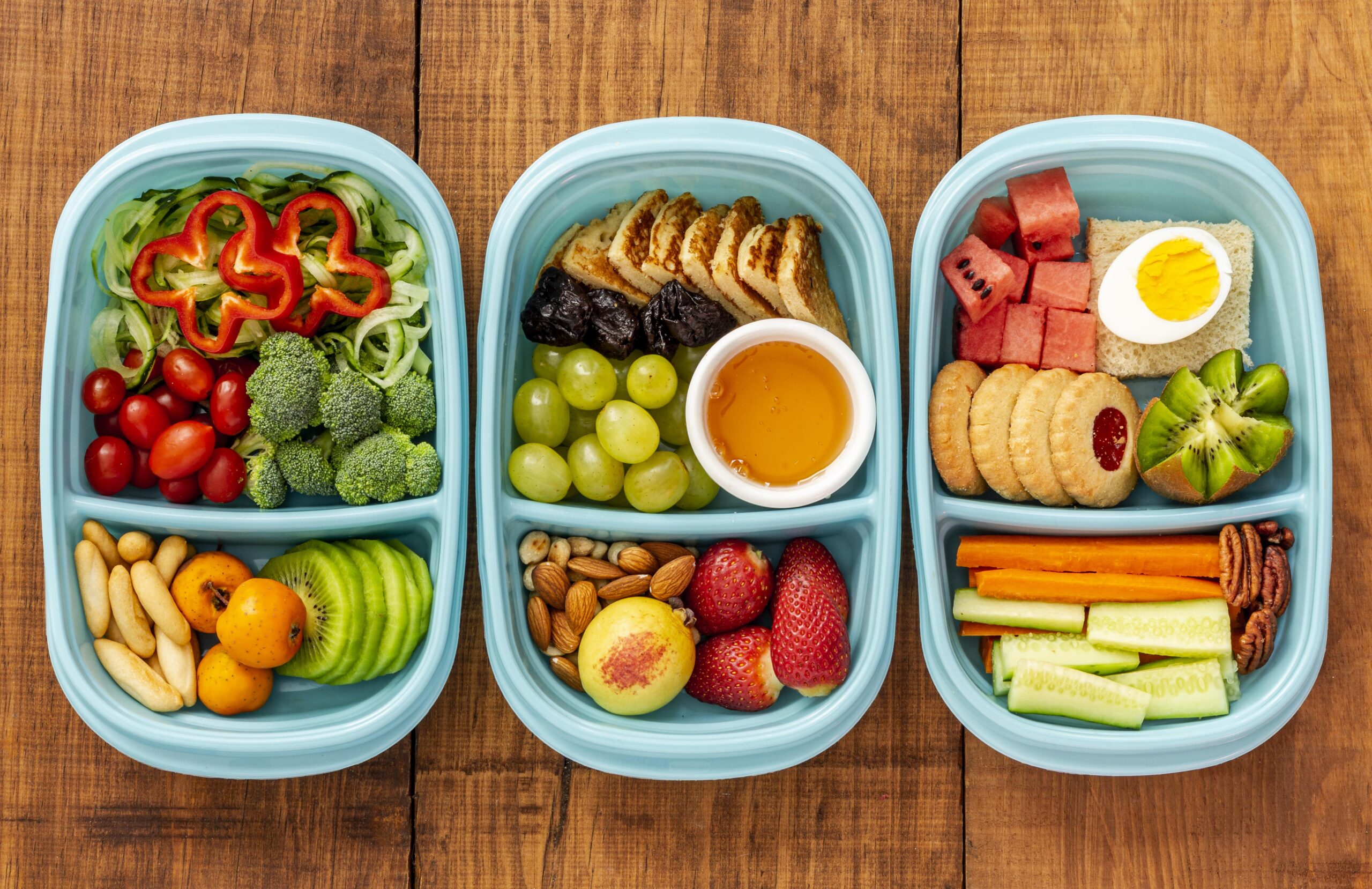
Anti-Inflammatory Meal Prep: 7-Day Plan to Beat Fatigue for Good Tired of dragging yourself through the day even after a full night’s sleep? You’re not imagining it. For millions of moms, persistent fatigue isn’t a willpower problem. It’s an inflammation problem. The good news? What you eat this week can change how you feel next week. This 7-day anti-inflammatory meal prepplan is designed specifically for busy moms who want more energy, less brain fog, and real food that actually works. What Is Inflammation and Why Should Moms Care? Inflammation is your immune system’s natural response to stress, toxins, and injury. Short-term inflammation is protective. But when it becomes chronic triggered by processed foods, poor sleep, and constant stress it quietly drains your energy and impacts your mood, joints, and gut health. The right anti-inflammatory diet for moms doesn’t mean restriction. It means upgrading what’s already on your plate. The Core Anti-Inflammatory Foods to Prep This Week Before diving into the recipes, stock your kitchen with these powerhouse ingredients. These are the anti-inflammatory foods that will carry your entire week: 🫐 Berries — blueberries, strawberries (high in antioxidants) 🐟 Fatty fish — salmon, sardines (rich in omega-3s) 🥬 Leafy greens — spinach, kale, arugula 🫚 Extra virgin olive oil — a staple healthy fat 🌿 Turmeric & ginger — nature’s most potent anti-inflammatory spices 🥜 Nuts & seeds — walnuts, chia, flaxseed 🫘 Legumes — lentils, chickpeas (gut-health heroes) 🍫 Dark chocolate (70%+) — yes, really! Your 7-Day Anti-Inflammatory Meal Prep Plan Day 1–2: Energizing Foundations Turmeric Lentil Soup A one-pot wonder loaded with turmeric, ginger, red lentils, and coconut milk. Make a big batch — it reheats beautifully and feeds your gut microbiome all week long. Prep tip: Cook a double portion of lentils and store half plain for Day 4’s grain bowl. Day 3–4: Omega-3 Power Meals Baked Lemon Herb Salmon with Quinoa & Roasted Greens Salmon is one of the most effective foods that reduce inflammation thanks to its high EPA and DHA content. Pair with fiber-rich quinoa and oven-roasted spinach for a complete, energizing plate. Prep tip: Bake 4 salmon fillets at once. Refrigerate and use in grain bowls, wraps, or salads through Day 5. Day 5–6: Plant-Powered Reset Chickpea & Sweet Potato Buddha Bowls A fiber-forward bowl with roasted sweet potato, spiced chickpeas, shredded kale, and a tahini-lemon drizzle. This combo supports blood sugar stability — a key factor in reducing chronic fatigue naturally. Prep tip: Roast sweet potatoes and chickpeas in one pan to save time and dishes. Day 7: Nourish & Restore Berry Chia Overnight Oats + Ginger-Turmeric Smoothie End the week with an antioxidant reset. The chia seeds and berries support cellular repair, while the ginger-turmeric smoothie acts as a natural anti-inflammatory tonic to prepare your body for the week ahead. Smart Meal Prep Tips for Busy Moms Consistency beats perfection. Here’s how to make weekly meal prep for women actually work: Batch-cook grains on Sunday — quinoa, brown rice, or farro last 5 days in the fridge. Pre-wash and chop all greens so they’re grab-and-go ready. Use mason jars for layered salads and overnight oats. Label everything with the day it was prepped. Double your anti-inflammatory spice blends — store in small jars for the month. The Bottom Line: Food Is Your Fastest Fix You don’t need to overhaul your entire life to fight fatigue. You need a plan — and a refrigerator stocked with the right fuel. This anti-inflammatory meal prep approach gives you exactly that: real food, real energy, and a real break from running on empty. 💪 Ready to Take It Further? At FitMom Club, we believe nourished moms raise thriving families. Explore our full [Meal Planning for Moms Program] and download your free weekly template inside the FitMom Club community. Your energy comeback starts in the kitchen and we’ll be right there with you. Frequently Asked Questions Q1: What is the best anti-inflammatory meal prep for fatigue? A: The best anti-inflammatory meal prep for fatigue focuses on omega-3-rich foods (like salmon), leafy greens, berries, turmeric, and fiber-rich legumes. Batch-cooking these ingredients at the start of the week ensures you have ready-to-eat, energy-supporting meals every day. Avoiding processed foods, refined sugar, and seed oils is equally important for reducing chronic inflammation that causes fatigue. Q2: How long does it take to feel better on an anti-inflammatory diet? A: Most women report noticeable improvements in energy, digestion, and mental clarity within 7 to 14 days of following a consistent anti-inflammatory diet. Results vary based on individual health status, gut microbiome health, sleep, and stress levels. Sticking with the plan for at least 3–4 weeks yields the most sustainable and measurable changes. Q3: What foods should I avoid on an anti-inflammatory diet? A: To maximize the benefits of an anti-inflammatory diet, avoid or limit: refined sugars and sweeteners, processed snack foods and fast food, vegetable/seed oils high in omega-6 (canola, soybean), refined white flour products, alcohol, and artificial additives. Replacing these with whole, nutrient-dense foods is the foundation of reducing inflammation naturally. FAQs Loved the Post? Share It!

Anti-Inflammatory Meal Prep: 7-Day Plan to Beat Fatigue for Good Read More »

The Protein Absorption Myth: How Much Your Body Can Actually Use in One Meal

The Protein Absorption Myth: How Much Your Body Can Actually Use in One Meal You’ve probably heard it before  “Your body can only absorb 30 grams of protein per meal.” It’s been repeated in gyms, fitness blogs, and supplement ads for decades. But here’s the truth: this claim is a massive oversimplification  and believing it could be quietly undermining your nutrition goals.  If you’re a mom trying to build lean muscle, lose the baby weight, or simply keep up with your family without running on empty, understanding how protein absorption actually works is one of the most powerful things you can do for your health.  What Is the Protein Absorption Myth? The “30 grams” rule originated from early research on muscle protein synthesis  the process by which your body builds and repairs muscle tissue. Scientists observed that consuming roughly 2040g of protein after exercise maximized muscle protein synthesis in young men. Somewhere along the way, that data got distorted into a hard ceiling applied to everyone, at every meal.  The problem? Absorption and utilization are not the same thing. Your body absorbs virtually all the protein you eat what varies is how quickly and where it gets used.  What the Science Actually Says Your digestive system is remarkably efficient. Depending on the protein source, it can absorb between 1.3g to 10g per hour. That means a larger protein meal simply takes longer to digest notthat the excess gets wasted.  97%  PROTEIN ABSORBED FROM WHOLE EGGS  ~57h  TO DIGEST A 50G PROTEIN MEAL  0g  PROTEIN WASTED IF YOU’RE HEALTHY  Where Did the ’30 Gram’ Claim Come From?  The 30g figure was never meant to be a universal rule. Early broscience took muscle protein synthesis studies out of context and applied them broadly. In reality, those studies measured a specific anabolic response window  not a digestive ceiling. Newer research involving intermittent fasting, singlemeal eating patterns, and Ramadan studies consistently shows that the body efficiently uses large amounts of protein consumed in fewer sittings.  How Much Protein Should You Eat Per Meal? Rather than a rigid limit, think about your total daily protein target and distribute it in whatever way fits your lifestyle. Current evidence based recommendations for active women suggest:  0.71g of protein per pound of body weight daily for muscle building and maintenance  2550g per meal is a practical, comfortable range for most women  Higher amounts per meal (60g+) are used effectively just digested more slowly  Spacing meals 35 hours apart can support muscle protein synthesis throughout the day  Factors That Affect How You Use Protein  Not all protein is processed the same way. Several key factors influence how efficiently your body utilizes dietary protein:  Protein quality Complete proteins (eggs, chicken, Greek yogurt, whey) contain all essential amino acids and are prioritized for muscle repair  Activity level  Active moms and postworkout bodies use protein more rapidly than sedentary states  Age Women over 35 may need slightly more protein to counteract muscle loss (sarcopenia)  Gut health A healthy microbiome supports efficient amino acid absorption  Meal composition Pairing protein with fiber and fat slows digestion, extending the absorption window  Protein Timing: Does It Still Matter for Moms? Yes  but not as rigid as once believed. Eating protein within 12 hours of exercise can support muscle recovery, but the “anabolic window” is much wider than 30 minutes. If you’re a busy mom who can’t eat the moment you step off the treadmill, don’t stress. Your total daily protein intake matters far more than precise timing.  🥗 FITMOM TIP  Aim to include a quality protein source  chicken, lentils, tofu, eggs, or Greek yogurt  at every main meal. This naturally spreads your intake and keeps energy and hunger in check all day.  How to Maximize Protein Utilization as a Busy Mom You don’t need a complicated supplement stack. Simple, consistent habits make the biggest difference:  Highprotein breakfast: Start your morning with eggs, cottage cheese, or a protein smoothie to kickstart muscle protein synthesis early  Whole food proteins: Prioritize whole sources over processed options they digest better and come with micronutrients  Postworkout snack: Add a Greek yogurt or proteinrich snack after exercise to support recovery  Don’t fear larger meals: Your body handles highprotein meals better than you’ve been told  Stay hydrated: Water is essential for efficient protein digestion and amino acid transport  The Bottom Line The idea that your body “wastes” protein beyond 30 grams per meal is a myth that has lingered far too long in fitness culture. Your body is far more adaptable and efficient than that.  What truly matters is hitting your daily protein target through foods you enjoy, spaced in a way that fits your real life as a mom. Stop letting outdated broscience dictate your plate. Eat enough protein, choose quality sources, and trust your body to do the rest.  Frequently Asked Questions Q: How much protein can the body absorb per meal?  There is no hard limit to how much protein the body absorbs per meal. Your digestive system absorbs virtually all ingested protein  larger amounts simply take longer to process. What varies is the rate of muscle protein synthesis, which peaks at roughly 2040g per meal in most adults, but excess protein is still used for energy, immune function, and other metabolic processes.  Q: Is it better to spread protein throughout the day or eat it all at once?  Spreading protein across 34 meals is generally optimal for sustaining muscle protein synthesis throughout the day. However, research shows that eating protein in fewer, larger meals (as in intermittent fasting protocols) still results in effective absorption and utilization. Consistency in meeting your daily total is more important than rigid timing.  Q: How much daily protein do active moms need?  Most nutrition experts and sports dietitians recommend active women consume between 0.71g of protein per pound of body weight per day. For a 140pound active mom, that is roughly 98140g daily. Needs may increase slightly postpartum, during breastfeeding, or with age to support muscle maintenance and recovery.  FAQs Loved the Post?

The Protein Absorption Myth: How Much Your Body Can Actually Use in One Meal Read More »

fermented foods vs probiotic supplements

Fermented Foods vs. Probiotic Supplements: What’s Actually Worth Your Money? You’ve heard it a thousand times “take care of your gut and your gut will take care of you.” But standing in the supplement aisle or scrolling past another ad for kombucha, one question keeps nagging: should I be eating fermented foods, popping probiotic capsules, or somehow doing both?  As a mom juggling meals, schedules, and your own health goals, you deserve a straight answer not a sales pitch. Let’s break down the science in plain English so you can make the smartest choice for your body and your budget.  What Are Probiotics And Why Do They Matter? Probiotics are live beneficial bacteria that support your digestive health, immune system, hormonal balance, and even mental wellbeing. A thriving gut microbiome has been linked to:  Better digestion and reduced bloating  Stronger immune function  Improved mood and reduced anxiety  Healthier weight management  Clearer skin and reduced inflammation    For moms especially, gut health plays a massive role in energy levels, postpartum recovery, and overall vitality. The real question is where should those probiotics come from?  Fermented Foods: Nature’s Original Probiotic What Counts as a Fermented Food?  Fermented foods have been eaten across cultures for thousands of years. These naturally probioticrich foods include:  Yogurt and kefir (dairy or plantbased)  Kimchi and sauerkraut  Miso, tempeh, and natto  Kombucha and water kefir  Pickles (naturally fermented, not vinegarbrined)    The Advantages of Fermented Foods  Diverse bacterial strains different foods deliver different strains for a richer microbiome.  Wholefood nutrition  you get vitamins, minerals, enzymes, and fiber alongside probiotics.  No label confusion what you see is what you get.  Budgetfriendly  a container of plain yogurt costs a fraction of a monthly supplement.    The catch? Bacterial counts in fermented foods vary widely and can be reduced by heat, pasteurization, or improper storage. They also require consistency you need to eat them regularly to feel lasting results.  Probiotic Supplements: Convenience in a Capsule When Do Supplements Make Sense?  Probiotic supplements deliver a guaranteed, measurable dose of specific bacterial strains usually between 1 billion and 100 billion CFUs (Colony Forming Units). They’re ideal when:  You’ve recently taken antibiotics and need to restore gut flora fast. You have a diagnosed condition like IBS, SIBO, or Crohn’s disease.  You’re postpartum and need targeted support for hormonal and digestive balance.  You simply can’t stomach fermented foods due to dietary restrictions or taste preferences.    What to Look for in a Probiotic Supplement  Not all supplements are created equal. When shopping, look for:  Multiple strains (Lactobacillus and Bifidobacterium families)  At least 1030 billion CFUs per serving  Thirdparty tested and shelfstable formulas  Delayedrelease capsules that survive stomach acid    The downside? Quality supplements are expensive, and cheap options often don’t survive your digestive tract long enough to do any good.    The Verdict: Do You Need Both? Here’s the truth that most wellness brands won’t tell you: for generally healthy moms, a daily serving of quality fermented foods is often enough to support a thriving gut microbiome. A bowl of yogurt with breakfast, a side of kimchi at lunch, or a glass of kefir in the afternoon can do wonders.  Probiotic supplements shine when you have a specific health goal, a digestive condition, or are recovering from antibiotics. Think of them as targeted tools not daily necessities for everyone.  The smartest (and most budgetfriendly) approach? Build your routine around whole fermented foods and supplement strategically when your body needs extra support.  Frequently Asked Questions Q1: Are fermented foods better than probiotic supplements?  For most healthy individuals, fermented foods provide a diverse range of beneficial bacteria alongside wholefood nutrients, making them a costeffective first choice for daily gut health maintenance. Probiotic supplements are better suited for targeted, therapeutic use  such as after antibiotic treatment or for managing specific digestive conditions.  Q2: How many CFUs should a good probiotic supplement have?  A quality probiotic supplement should contain at least 10 to 30 billion CFUs per serving and feature multiple strains, including Lactobacillus acidophilus and Bifidobacterium longum. Always choose thirdparty tested brands to ensure the labeled CFU count is accurate and the bacteria are viable.  Q3: Can I take probiotic supplements and eat fermented foods at the same time?  Yes combining fermented foods with a probiotic supplement is generally safe and may offer additional gut health benefits. However, for most healthy moms, consistently eating fermented foods daily is sufficient. Consult your healthcare provider before starting any supplement, especially if you are pregnant, breastfeeding, or managing a health condition.  Your Gut Health Journey Starts Here Whether you choose to stock your fridge with kefir and kimchi, add a targeted probiotic capsule to your morning routine, or do a little of both the most important step is simply starting.  At FitMom Club, we believe that real wellness for moms doesn’t have to be complicated or expensive. It starts with small, informed choices made consistently and we’re here to guide you every step of the way.  Ready to build your best gut health routine? Join the FitMom Club community today and get sciencebacked wellness tips delivered straight to your inbox  made for real moms, by real moms.    FAQs Loved the Post? Share It!

fermented foods vs probiotic supplements Read More »

Scroll to Top