


Rucking for Moms: The Weighted Walking Workout That Builds Bone Density & Strength
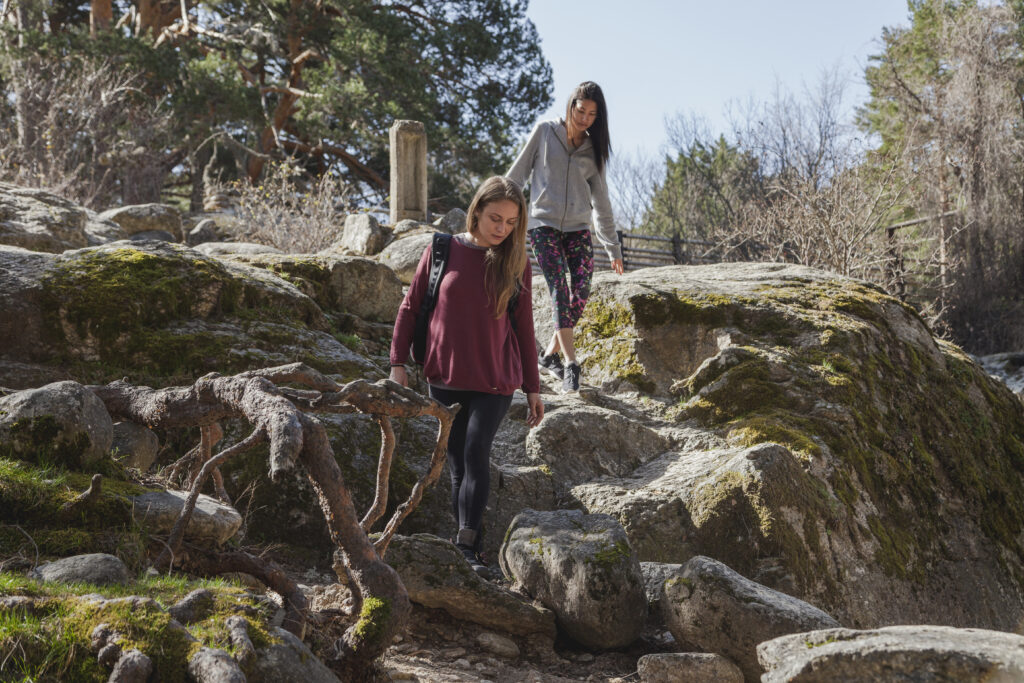
You already walk. To school dropoffs, through parking lots, around the neighborhood after dinner. What if that exact same walk could build stronger bones, burn significantly more calories, and add real functional strength without a gym, a babysitter, or an extra hour in your day?
That’s the promise of rucking and moms across the country are making it their goto fitness habit.
What Is Rucking? (And Why Moms Are Obsessed With It)
Rucking is simply walking with a weighted backpack called a “ruck.” Originally a military training staple, it has exploded into mainstream fitness circles as one of the most timeefficient, lowimpact workouts available.
No complicated moves. No gym membership. No equipment beyond a sturdy backpack and some weight plates or household items.
For moms, the appeal is immediate: it layers intensity onto something you’re already doing, turning an ordinary walk into a fullbody conditioning session.
The Science Behind Rucking and Bone Density
This is where rucking really shines for women especially moms in their 30s and 40s.
Bone density naturally begins to decline after age 30, and the drop accelerates significantly around perimenopause and menopause. Weightbearing exercise is the single most evidencebacked strategy to slowthat decline and rucking delivers it in spades.
Here’s what happens in your body when you ruck:
- Mechanical load on bones The added weight increases the force your skeleton must handle with each step, signaling your body to build denser, stronger bone tissue.
- Muscle activation Your glutes, core, shoulders, and upper back work harder than in regular walking, increasing lean muscle mass.
- Hormonal response Resistancebased activity supports healthy levels of estrogen and growth hormone, both critical for bone maintenance in women.
A 2023 study published in the Journal of Strength and Conditioning Research found that weighted walking significantly improved lumbar spine and hip bone mineral density in premenopausal women over 16 weeksexactly the areas most vulnerable to osteoporosis later in life.
Rucking Benefits for Moms: More Than Just Bone Health
Bone density is the headline, but the benefits don’t stop there.
- Burns Up to 4050% More Calories Than Regular Walking
The added load increases your metabolic output without requiring you to run or push to a higher heart rate zone. Perfect for moms who want results without the recovery penalty of highintensity workouts.
- Builds RealWorld Functional Strength
Carrying kids, groceries, diaper bags motherhood is already loaded (literally). Rucking trains the exact muscle groups you use every single day: posterior chain, core, and grip.
- Dramatically Improves Posture
The weight on your back naturally encourages you to stand tall and engage your core. Over weeks of rucking, many women report reduced lower back pain and noticeably better posture.
- Low Impact on Joints
Unlike running, rucking keeps impact forces manageable making it ideal for postpartum moms, those returning from injury, or anyone with knee and hip sensitivities.
- Zero Childcare Required
Stroller compatible. Toddleronthetrail compatible. School pickup compatible. Rucking works inside your existing life, not against it.
How to Start Rucking: A Beginner's Guide for Moms
Getting started takes less than five minutes of setup.
Step 1 Choose Your Pack Any comfortable backpack works. Ideally, one with padded shoulder straps and a hip belt.
Step 2 Start Light Begin with 10% of your body weight around 1015 lbs for most women. This is nonnegotiable for beginners; going too heavy too soon leads to injury, not gains.
Step 3 Pack It Right Place the weight high and close to your back. Poor weight distribution causes back strain.
Step 4 Walk Tall Shoulders back, core gently engaged, chin level. Let the weight do the work don’t hunch into it.
Step 5 Start with 20 Minutes Three times per week. As it feels easy, add weight in 5 lb increments or extend your duration before both.
What to Look for in a Ruck Pack
You don’t need anything fancy to start, but a few features make a difference:
- Padded, adjustable shoulder straps distributes load evenly
- Hip belt or sternum strap takes pressure off your shoulders
- Load capacity of 2040L enough room to grow as you progress
- Durable, waterresistant material for allweather use
Weight plates designed for rucking (like those from GORUCK) are ideal, but a bag of rice, textbooks, or water bottles work just as well when you’re starting out.
Conclusion: Lace Up, Load Up, Show Up
Rucking meets moms exactly where they are busy, capable, and ready for a fitness habit that actually fits their life. It’s not about intensity for intensity’s sake. It’s about making every step count, building a body that carries you through decades of motherhood with strength and confidence.
Ready to ruck? Join the FitMom Club community for weekly workout plans, realmom progress stories, and expert guidance designed for every stage of motherhood.
Frequently Asked Questions (FAQ)
❓ Is rucking safe for postpartum moms?
Yes rucking is generally safe for postpartum moms once cleared by their healthcare provider for exercise (typically 612 weeks after delivery, longer for Csections). Start with very light loads (58 lbs) and prioritize core engagement. Always consult your OB or pelvic floor physical therapist before beginning any new exercise program postpartum.
❓ How much weight should a beginner mom use for rucking?
Most fitness experts recommend starting at 10% of your body weight typically 1015 lbs for the average woman. This provides enough load to stimulate bone and muscle adaptation without overloading joints. Progress gradually: add 5 lbs only when your current weight feels comfortable across your full session.
❓ How often should I ruck to see results?
Three times per week is the sweet spot for most beginners. Research suggests that consistent weightbearing activity three to four days per week is sufficient to stimulate meaningful bone density improvements over a 1216 week period. Pair rucking with adequate protein intake and sleep for best results.
FAQs
What is the best way to lose weight naturally?
The best natural weight-loss method includes eating whole foods, reducing portion sizes, choosing high-fiber carbs, increasing protein, staying hydrated, and being physically active.
Can I lose weight without dieting?
Yes. Weight loss is possible through mindful eating, portion control, and choosing balanced meals instead of restrictive dieting.
What foods help with weight loss?
High-protein foods (chicken, eggs, yogurt), fiber-rich foods (oats, veggies), fruits, nuts, seeds, and whole grains all support weight loss.
Are carbs bad for weight loss?
No. Carbs are essential. Choose complex carbs like oats, whole grains, and sweet potatoes because they stabilize blood sugar and keep you full longer.
How much water should I drink to lose weight?
Aim for 8–10 glasses a day. Staying hydrated helps prevent overeating, boosts metabolism, and supports digestion.
Do I need to exercise every day to lose weight?
No. Even 30 minutes of walking daily plus strength training 2–3 times a week can significantly improve fat loss.
Is high protein eating good for weight loss?
Yes. High-protein diets reduce cravings, increase satiety, and help maintain muscle while losing fat.
Loved the Post? Share It!
Book your Free Consultation Now
Just fill in the form & our Health Consultant will get in touch with you
❌ Please fill all required fields.
✅ Thank you for submitting the form Our Health Consultant will reach out to you. Please respond to that.