


Stop Lifting Light: Why Strength Training for Moms Is the Key to Real Results
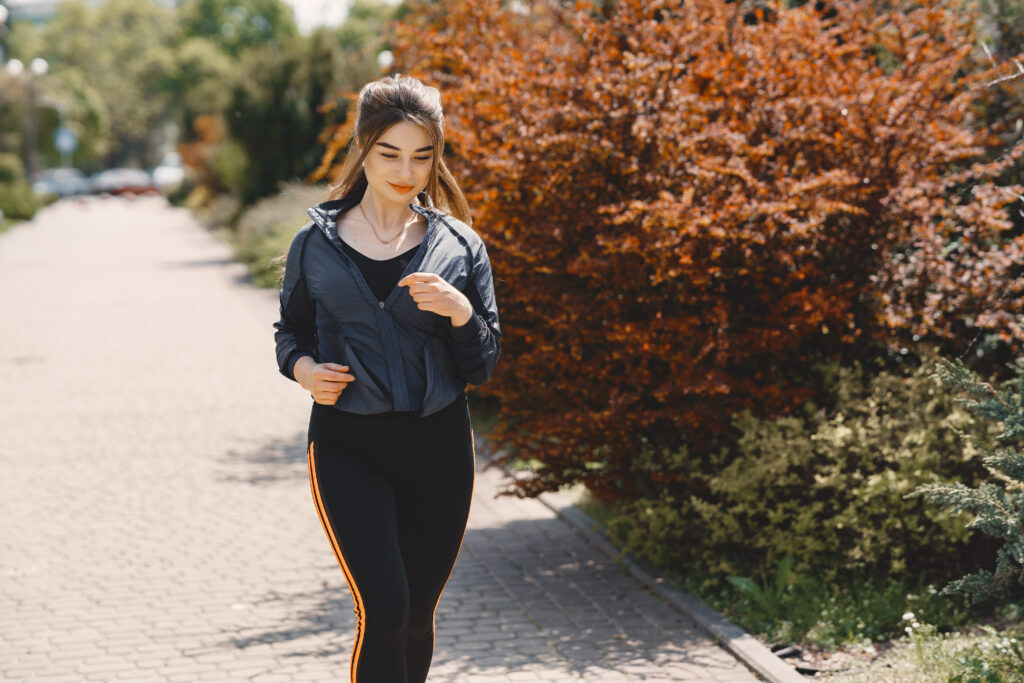
You’ve probably seen it on your morning walk route someone strolling by wearing what looks like a tactical vest loaded with weight. Weighted vest walking, also called rucking, has officially gone mainstream. But is it actually worth adding to your fitness routine? And more importantly, is it safe?
Here at FitMom Club, we dug into the latest 2026 research so you don’t have to. Here’s everything you need to know about walking with a weighted vest the real benefits, the science, and how to get started safely.
What Is Weighted Vest Walking (Rucking)?
Weighted vest walking often called rucking simply means walking while wearing a vest filled with additional weight. It started in military training but has exploded in popularity among everyday fitness enthusiasts, especially women looking for lowimpact cardio that actually challenges the body.
Unlike running, it’s gentle on the joints. Unlike regular walking, it dramatically increases calorie burn and muscle engagement. Think of it as the sweet spot between a casual stroll and an intense workout.
What the 2026 Research Actually Says
The science backing weighted vest walking has grown significantly. Here’s what the most current research highlights:
1. Significantly Higher Calorie Burn
Studies consistently show that walking with added weight increases calorie expenditure by 1015% compared to regular walking at the same pace. For a 30minute walk, that can mean an extra 4060 calories burned without moving any faster.
2. Improved Bone Density Especially Important for Women
This is arguably the most exciting finding for women over 30. Weightbearing exercise is one of the most effective ways to maintain and improve bone density. 2026 research reinforces that loadbearing walking specifically targets the hips and spine areas most vulnerable to osteoporosis as we age.
3. Better Posture and Core Activation
Wearing a weighted vest encourages an upright walking posture and activates the core, glutes, and upper back more than standard walking. For moms carrying kids, bags, and the mental load of everything stronger postural muscles are a gamechanger.
4. Cardiovascular Improvements Without High Impact
Research from 20252026 confirms that rucking elevates heart rate into an aerobic zone comparable to jogging, but with far less stress on the knees and ankles. It’s a genuinely brilliant option for anyone recovering postpartum or managing joint sensitivity.
How to Get Started: A Beginner's Guide for Moms
Getting started is simpler than you think. Follow these steps:
- Start light begin with 510% of your body weight
- Walk on flat terrain for your first 23 weeks
- Aim for 2030 minutes, 3x per week to start
- Gradually increase weight or duration, not both at once
- Always wear supportive footwear with good arch support
Safety Tips: What to Watch Out For
Weighted vest walking is safe for most healthy adults, but there are a few things to keep in mind:
- Avoid if you have lower back injuries or unresolved postpartum diastasis recti
- Don’t start too heavy the most common mistake is going too fast, too soon
- Check with your doctor if you’re postpartum (especially within 12 months)
- Stay hydrated the extra exertion increases your fluid needs
Frequently Asked Questions
Q: Does walking with a weighted vest actually burn more calories?
A: Yes. Research shows that wearing a weighted vest while walking can increase calorie burn by 1015% compared to regular walking. The added resistance forces your muscles and cardiovascular system to work harder, even at the same pace. For a 30minute walk, this can translate to an extra 4060 calories burned.
Q: How heavy should a weighted vest be for walking?
A: For beginners, start with a vest that is 510% of your total body weight. For a 150 lb person, this means starting at 7.515 lbs. As your strength and endurance improve over 46 weeks, you can gradually add more weight. Never increase weight and duration at the same time.
Q: Is weighted vest walking safe for postpartum women?
A: It can be, but caution is needed. Most postpartum fitness experts recommend waiting until at least 12 weeks after a vaginal birth (and longer after a Csection) before adding external load to any exercise. You should also ensure that any diastasis recti (abdominal separation) has been assessed and properly rehabilitated before starting. Always consult your healthcare provider before starting weighted vest training postpartum.
The Bottom Line
Walking with a weighted vest is one of the most researchbacked, timeefficient, and lowimpact ways to level up your fitness routine in 2026. It burns more calories, strengthens your bones, improves posture, and elevates your heart rate all without pounding the pavement.
For busy moms who want maximum results from a minimum time investment, it doesn’t get much smarter than this.
FAQs
What is the best way to lose weight naturally?
The best natural weight-loss method includes eating whole foods, reducing portion sizes, choosing high-fiber carbs, increasing protein, staying hydrated, and being physically active.
Can I lose weight without dieting?
Yes. Weight loss is possible through mindful eating, portion control, and choosing balanced meals instead of restrictive dieting.
What foods help with weight loss?
High-protein foods (chicken, eggs, yogurt), fiber-rich foods (oats, veggies), fruits, nuts, seeds, and whole grains all support weight loss.
Are carbs bad for weight loss?
No. Carbs are essential. Choose complex carbs like oats, whole grains, and sweet potatoes because they stabilize blood sugar and keep you full longer.
How much water should I drink to lose weight?
Aim for 8–10 glasses a day. Staying hydrated helps prevent overeating, boosts metabolism, and supports digestion.
Do I need to exercise every day to lose weight?
No. Even 30 minutes of walking daily plus strength training 2–3 times a week can significantly improve fat loss.
Is high protein eating good for weight loss?
Yes. High-protein diets reduce cravings, increase satiety, and help maintain muscle while losing fat.
Loved the Post? Share It!
Book your Free Consultation Now
Just fill in the form & our Health Consultant will get in touch with you
❌ Please fill all required fields.
✅ Thank you for submitting the form Our Health Consultant will reach out to you. Please respond to that.