

FitMom Club

VMax_Admin

7 Healthy Foods For Weight Gain

7 Healthy Foods For Weight Gain Introduction Isn’t cardio enjoyable? However, determining whether or not cardio is excellent for weight loss might be difficult. If you’ve ever worked out at a gym or at home, you know that cardio is the most beginner-friendly workout routine. It’s simple, entertaining, and it may assist a newcomer in getting started with a weight-loss program. Cardio exercise may be done at your own speed. It doesn’t matter if it’s quick or slow. As a result, it is an excellent kind of exercise for people of all ages. People suffering from any metabolic disorder tend to gain a lot of weight, which typically leads to obesity. This may happen to anybody, from a young kid to an elderly person. So, to avoid any potential issues, we’ve compiled a list of 7 healthy foods for weight gain that you can try at home right now. Roots and tubers Roots And Tubers- 7 Healthy Foods For Weight Gain Although roots and tubers are classified as vegetables, they contain a significant amount of calories due to their high starch content. In our list of 7 healthy foods to gain weight, this group of veggies ranks first. Potatoes, tapioca, sweet potato, and other root vegetables are popular survival foods in many parts of India. These foods may be consumed more frequently by workers who earn daily salaries and whose jobs require heavy lifting and long, difficult hours. They require a dense supply of food items that will keep them going throughout the day, but they also check for shelf life and cost per dozen in these types of vegetables. This is an important factor since, unlike other vegetables, roots and tubers do not decompose for a long time. The number of carbs and calories they contain make them perfect as the best foods for weight gain. Potatoes provide 77 calories per 100 gm, 26 grams of carbs, and other vitamins and minerals such as B6, calcium, iron, and many others. They’re high in fiber and low in fat. This also includes the absence of cholesterol. Combining potatoes with any leafy vegetables, roasting sweet potatoes over an open fire, or making baked sweet potato or tapioca chips are all simple dishes that might help you gain weight. Rice Increases Metabolic Rate – 4 Reasons Why Cardio Is Excellent For Weight Loss China is the world’s largest rice producer, followed by India. The unifying factor in each of these countries is that they are still developing due to their big populations. Rice is widely consumed as the primary cereal in many nations because it can be produced on any platform, including mountainous places or slopes. It is a staple meal in India. It is inexpensive, tasty, and provides more satisfaction. It’s all due to the starchy foundation Rice is heavy in starch and has a glycemic index of 73, which puts it in the high glycemic index category. However, this is beneficial to people who are trying to lose weight, making it a good option for a weight gain diet plan. Rice has about 206 calories per 158gm, with the majority of the calories coming from simple carbs. Rice, when included in your weight-growth diet plan, provides a quick source of simple carbs that help you gain muscle mass. It is inexpensive and may be prepared in a variety of delectable recipes to suit your preferences. Rice crispies are a tasty morning cereal for underweight children. Other dishes include veggie rice, rice puffs, rice flakes, rice chips, and a variety of snacking and main course meal options. This sums up the 2nd spot on our list of 7 healthy weight-gain foods. Also read: The crucial role of rest and recovery in your fitness routine The Key to Success: Rest and Recovery in Achieving Fitness Goals with FitMom Club Protein-Powered Weight Loss Made Easy The Power of Group Workout: Unlock Your Full Potential  Sweet Tooth Cravings? Here’s How to Maintain a Healthy Diet Without Giving Up Sweets Stay Fit and Energized This Summer: Best Home Workout Tips for Women  Dry fruits and Nuts Dry Fruits And Nuts-7 healthy foods for weight gain Dates, raisins, and prunes are examples of high-density calorie-rich dry fruits that are also abundant in other essential elements. Fruits include sugar in the form of fructose, but when they are dried, the water content evaporates completely, leaving just the nutrients in a concentrated form. The sugars account for two-thirds of the dried fruits. In our list of 7 healthy foods to gain weight, this comes in third. If you incorporate them into your diet plan on a regular basis, they can help you gain weight. Along with dried fruits, nuts such as macadamia, almonds, and walnuts can be consumed. Nut consumption is determined by the availability and cost of nuts in your region. Because nuts are high in fiber, healthy fats, antioxidants, proteins, and minerals, they are a fantastic source of these nutrients. They can assist you in gaining weight in a healthy manner without adding to your body’s excess fat cells. You can use almonds to garnish your meals, add almond powder to your daily milk, or make your own almond granola bars at home by substituting any nut. Cashews and pistachios can be included in your diet because they have a high carb content and can cause you to gain weight quickly. These nuts are an excellent supplement to any weight-gain diet plan Dairy Products Dairy Products-7 healthy foods for weight gain There has been no scientific analysis or study done on dairy and how it leads to weight gain. Many health fads say that dairy causes weight gain, hence many health practitioners have devised dairy-free weight loss diet programs. Does it, however, lead to weight gain? If this is the case, it should be incorporated into weight-gain strategies in a big way. However, any weight-gain or weight-loss strategy should not be based solely on one type of food. Aside from the contentious debate, dairy contains a wealth

7 Healthy Foods For Weight Gain Read More »

4 Reasons Why Cardio is Excellent for weight loss

4 Reasons Why Cardio is Excellent for weight loss Introduction Isn’t cardio enjoyable? However, determining whether or not cardio is excellent for weight loss might be difficult. If you’ve ever worked out at a gym or at home, you know that cardio is the most beginner-friendly workout routine. It’s simple, entertaining, and it may assist a newcomer in getting started with a weight-loss program. Cardio exercise may be done at your own speed. It doesn’t matter if it’s quick or slow. As a result, it is an excellent kind of exercise for people of all ages. People suffering from any metabolic disorder tend to gain a lot of weight, which typically leads to obesity. This may happen to anybody, from a young kid to an elderly person. Not all types of activities are useful for age classification. Because of their reduced bone strength, senior citizens cannot conduct weight training or rigorous cord anaerobic exercises, although weight loss can help manage metabolic illnesses. In such circumstances, cardio is the best weight-loss activity. Cardio does not have to be of a single kind. If Zumba is your thing, go ahead and start losing weight with it; if not, try Bollywood fitness or something easier. Even going for a daily stroll counts as cardio exercise. The question is what reasons do make Cardio best for weight loss?  Though there are many of them out there, we’ve come up with four that debunk myths and focus on scientific evidence to assist you to incorporate exercise into your weight-loss routine. During the Covid era, medical doctors could not emphasize enough the significance of physical and mental exercise in improving immunity and combating Corona. According to cdc.gov, working exercise for at least 30 minutes five days a week is suggested. This will provide your body with much-needed exercise while also providing you with energizing sensations during these otherwise dull periods. Let’s dive straight into the 4 reasons Why Cardio is excellent for weight loss 1st Reason why cardio is excellent for fat loss: – It helps Burn Calories faster! It Helps Burn Calories – 4 Reasons Why Cardio Is Excellent for Weight loss Isn’t it true that the most basic argument is also the most effective? How many of you would agree? Most people, I believe, would agree! Obesity and overweight difficulties are the most common reasons for starting an exercise routine. The primary factor driving weight reduction in each of these instances is calorie intake. Calorie balance is essential for a good weight loss plan. However, it is also dependent on the body type of the individual. For some body types, simply walking can aid weight reduction, but for others, it must be supplemented with additional weight-loss aerobic activities such as HIIT, burpees, and so on. If you’re new to weight reduction and want to get started, simply walking may be a terrific supplement to any sedentary lifestyle. This will release your muscles and get your body ready for the procedure. Depending on your preferences and the availability of training equipment, you may increase your exercise program by adding a new workout routine. Cycling, swimming, and fast-paced walking are some of the simplest workouts that anyone of any age may begin. These can also help you enhance your motor skills and flexibility. You can begin with little high-intensity workouts after your stamina has been built up. If even one of these workout exercises is followed religiously, Cardio is good for fat loss. If you’re new to weight reduction and want to get started, simply walking may be a terrific supplement to any sedentary lifestyle. This will release your muscles and get your body ready for the procedure. Depending on your preferences and the availability of training equipment, you may increase your exercise program by adding a new workout routine. Cycling, swimming, and fast-paced walking are some of the simplest workouts that anyone of any age may begin. These can also help you enhance your motor skills and flexibility. You can begin with little high-intensity workouts after your stamina has been built up. But calculations also prove that cardio is a good way for weight loss. The crucial role of rest and recovery in your fitness routine The Key to Success: Rest and Recovery in Achieving Fitness Goals with FitMom Club Protein-Powered Weight Loss Made Easy The Power of Group Workout: Unlock Your Full Potential  Sweet Tooth Cravings? Here’s How to Maintain a Healthy Diet Without Giving Up Sweets Stay Fit and Energized This Summer: Best Home Workout Tips for Women  2nd Reason why cardio is excellent for fat loss: – Increases Metabolic Rate Increases Metabolic Rate – 4 Reasons Why Cardio Is Excellent For Weight Loss The Basal Metabolic Rate (BMR) is the rate of energy expenditure or the amount of energy required by the human body to keep it working even while it is at rest; it varies by individual. The body’s internal temperature is critical for breaking down meals and using up energy, as well as storing fat for future energy needs. The pace of metabolism of our body is the most influenced when a body experiences any metabolic impairment owing to numerous processes. Obesity is caused by an increase in fat cell deposition, which, in most cases, also affects other body functions. Brain functioning, breathing, managing body temperature, and many other critical biological activities are all dependent on metabolism. Cardio’s capacity to raise your metabolic rate makes cardio best for fat loss. An average man’s BMR is approximately 7100kj per day, whereas an average woman’s BMR is around 5900kj per day, according to Better Health Channel. This indicates that a man’s BMR is higher than a woman’s. It has a lot to do with both genders’ body composition. In comparison to females, males have more muscular mass. Women have a larger fat proportion than men. For novices, begin with 30 minutes of walking every day for a week, then add 10 minutes per day for a month, accumulating to one and a half hours by the end

4 Reasons Why Cardio is Excellent for weight loss Read More »

10 Delicious and Quick Immunity-Boosting Breakfast Recipes You Must Try!

10 Delicious and Quick Immunity-Boosting Breakfast Recipes You Must Try! Are you tired of feeling sluggish? Boost your immunity and jumpstart your day with a delicious and nutritious breakfast recipe!  Breakfast is considered an important meal of the day that one must not avoid skipping. It gives you energy and boosts your metabolism throughout the day. Having a nutritious meal will give added benefits to your health and can kick-start the day in a healthy way. Here are 10 tasty breakfast ideas that will power up your morning and boost your immune system. 1. Oatmeal Smoothie Smoothies are one of the healthy breakfast recipes. Adding oats to your meal aids in several health benefits. Oatmeal is rich in fibre and it keeps you full. Almonds and dates boost your body’s metabolism. Ingredients: Oats – 2 tablespoons Almonds – 5 to 6 Dates- 4 to 5 Yoghurt – Half cup Low-fat milk – Half cup Cinnamon powder – Half tablespoon Method of Preparation: Add all of the ingredients in a blender. Pulse until the right consistency. Serve it in a glass or bowl. 2. Dalia Porridge Dalia porridge is a traditional Indian breakfast dish made from broken wheat which is a good source of protein and fibre. It is a wholesome and nutritious meal that is easy to make and can be customized to suit individual tastes. Ingredients: Ghee – 1 Teaspoon Dalia – Half cup Cinnamon Cardamom Nuts Milk or water – 2 cups Honey Method of Preparation:  In a pan, heat the ghee. Add Dalia and roast it.  Once Dalia turns golden brown add milk to the pan. Flavour it with cinnamon and cardamom powder. Let it cook until the Dalia is soft and the water or milk is completely absorbed.  Finally, decorate with honey and chopped nuts. 3. Mushroom Uttapam Mushrooms are said to support the immune system and are a good source of vitamin D and vitamin B. This is a simple morning breakfast recipe.  Method of Preparation: For the toppings, saute the mushroom & onion and keep them aside. Heat the pan and add oil. Pour the Dosa batter in a circular motion.  Then place the sliced mushroom and onions.  Flip the dosa to the other side. Serve hot and enjoy with your favourite chutney! 4. Poha Poha is a light and quick breakfast recipe made from flattened rice flakes. It is a light, easy-to-prepare meal that is enjoyed by people of all ages Ingredients: Poha – 1 cup Mustard seeds – ¾ cup Cumin seeds- ¾ cup Oil Turmeric Onions – 1 medium-sized Green Chillies – 2 Curry leaves Coriander leaves Peanuts Lemon juice Method of Preparation: Take a bowl and clean the Poha with water and strain them. Roast the peanuts till it becomes crunchy and keep them aside.  Heat the oil in a pan and add the mustard and cumin seeds. Then add chopped onions, green chillies, and curry leaves and saute. Once the onion is well cooked, add Poha, salt and turmeric and mix well.  At last, add lemon juice and garnish it with coriander leaves. Serve hot!  5. Avocado Toast with Eggs Avocado toast is a popular breakfast choice, but adding eggs takes it to the next level. It is not only delicious, but it is also a nutritious meal that provides healthy fats, protein, fiber and a range of vitamins and minerals. It is an excellent choice of food to begin the day with. Ingredients: Avocado Eggs Bread Method of Preparation: Prepare the egg in the way you like to have them (Fried, scrambled or half-boiled). Toast the bread Mash the avocado on the whole-grain toast Sprinkle some salt and pepper Finally, place the egg and enjoy the delicious toast. 7. Methi Paratha This recipe is for all paratha lovers. Methi or fenugreek leaves are a rich source of iron and vitamin C, which can help boost your immunity. Ingredients: Wheat flour Methi leaves Onion Green chillies Method of Preparation: In a bowl, mix 1 cup of whole wheat flour, chopped methi leaves, chopped onions, green chillies, and salt.  Add water to make a soft dough.  Roll the dough into small circles. Cook on a non-stick pan until both sides are golden brown.  Serve hot with curd or pickle. 8. Ragi Dosa Ragi or finger millet is a gluten-free grain that’s a great source of protein and calcium. It also serves as a healthy meal for diabetic patients. Ingredients: Ragi flour Onions Green Chillies Coriander leaves Method of Preparation: Soak 1 cup of ragi flour in water for 4-5 hours. Finely chop onions, green chillies, and coriander leaves and add them to the batter.  Add salt and water to make a smooth batter.  Heat a non-stick pan, pour the batter, and spread it in a circular motion. Cook until both sides are golden brown. Serve hot with coconut chutney. 9. Broccoli Idli Upma This broccoli idly upma recipe is not only tasty but also packed with nutrients such as fiber, vitamins, and minerals. Broccoli is very low in calories and rich in antioxidants. Ingredients: Idly batter Mustard seeds Urad dal Chana dal Onion Green Chillies Tomatoes Broccoli Turmeric powder Chilly Powder Method of Preparation: In a pan, heat oil and add mustard seeds, urad dal, and chana dal. Once the mustard seeds start spluttering, add finely chopped onion and green chilli. Saute until onions turn translucent. Add finely chopped tomatoes and saute. Add finely chopped broccoli florets, turmeric powder, and red chilli powder. Saute for a minute. Add salt to taste and mix well. Add idly batter and mix well. The batter will absorb the moisture from the broccoli and become thicker. Cook on low flame for 3-4 minutes, stirring occasionally. Once the batter is cooked and the broccoli is soft, turn off the flame. 10. Sprouts Salad Sprouts are a powerhouse of nutrients and can be a great addition to your breakfast. It is also low in calories and filled with fibre. Adding this to your breakfast will

10 Delicious and Quick Immunity-Boosting Breakfast Recipes You Must Try! Read More »

Is infertility becoming more common?

Is infertility becoming more common? Nowadays, Infertility is becoming more common among young individuals across nations. This is not a taboo topic anymore because it’s the need of the hour. The number of individuals who are becoming infertile is increasing day by day and it urges us to talk right now. In this article, we are going to discuss its causes both in men and women. Before going any further, there is a need for understanding the term infertility. What is infertility? When a couple cannot conceive after having regular unprotected sex is called infertility. It may be that one partner cannot contribute to conception, or that a woman is unable to carry a pregnancy full time. It is often defined as not conceiving after 12 months of regular sexual intercourse without preventive measures. Infertility can affect both males and females and can result from many different causes. About 1 in every 10 couples is infertile, or somewhere between 10 and 15 per cent of the population. Normal fertility depends on the production of a good number of healthy, motile sperm by the male and the delivery of those cells into the vagina. It also depends upon the successful passage of the sperm through the uterus and into the fallopian tubes, and penetration of a normal egg by one of the sperm. A successful pregnancy also requires that the fertilized ovum subsequently become implanted in the lining of the female uterus. If there is any problem in any one of the processes, it causes infertility in couples. Factors that can have many effects on reproductive capacity in both men and women include alcohol consumption and drug use, a history of sexually transmitted diseases (STDs), and a number of general medical problems including obesity, and diabetes. The impact of smoking on reproduction is considerable. Cigarette smoke contains hundreds of toxic substances, the negative health effects of which have been well documented. By interfering with the production of sperm, smoking can adversely affect male fertility. In women, smoking can affect different stages in the reproductive process, from the pickup of the egg by the fallopian tube to the growth and development of the fetus. Here there are many other factors that are directly affecting the fertility of both women and men. Let us understand the factors that are making a woman infertile. Female infertility Female infertility may be caused by ovulatory, endometriosis, cervical, and uterine factors, as well as by advanced age. The presence of adhesions (rubbery or filmy bands of scar tissue) in and around the fallopian tubes interferes with the ability of the tube to take up the egg after it has been released from an ovary; it can also affect the movement of the sperm through the tube. Causes of female infertility Female infertility can be caused by: 1. Endometriosis 2. Problems with the fallopian tubes 3. Problems with the uterus 4. Ovulation problems 5. Polycystic ovary syndrome (PCOS / PCOD ) 1. Endometriosis Endometriosis is a condition in which cells from the lining of the uterus (the endometrium) migrate to other parts of the pelvis. It can damage the fallopian tubes and the ovaries, and affect the movement of the egg and sperm. Even if the fallopian tubes and ovaries are not damaged, endometriosis can affect fertilisation, embryo growth and implantation 2. Problems with the fallopian tubes The sperm fertilises the egg on its journey down the fallopian tube. A blocked or scarred fallopian tube may impede the egg’s progress, preventing it from meeting up with sperm. 3. Problems with the uterus The fertilised egg lodges (implants) in the lining of the uterus. Some uterine problems that can hamper implantation include: fibroids – non-malignant tumours inside the womb polyps – overgrowths of the endometrium, which can be prompted by the presence of fibroids. 4. Ovulation problems  The menstrual cycle functions by several glands and their hormones work in harmony. For ovulation to occur, a part of the brain called the hypothalamus prompts the nearby pituitary gland to secrete hormones that trigger the ovaries to ripen eggs. Irregular or absent periods indicate that ovulation may be irregular or absent too. The age of the woman is a significant fertility factor. The chance of pregnancy for a woman aged 40 years is only 5% per menstrual cycle. Ageing eggs are thought to be the cause. A woman is born with her entire egg supply and, as time passes, these eggs become less viable. Other difficulties for women over 40 include an increased risk of miscarriage and genetic abnormalities in the unborn baby. 5. Polycystic ovary syndrome ( PCOS / PCOD ) At ovulation, the ovaries produce small cysts or blisters called follicles. Typically, one follicle ripens to release an egg. In polycystic ovary syndrome (PCOS), the follicles fail to ripen, instead of forming little cysts at the periphery of the ovaries which often release male sex hormones. This means that the woman’s ovulation and periods are irregular or don’t happen at all. These are the major causes which are affecting the fertility of women. One cannot say this is the exact reason for the cause of infertility because there are many other minor reasons which can also be potential reasons. In the next blog, male infertility causes and treatment will be discussed. In addition to that, You can fill out the form to get our exclusive Ebooks https://docs.google.com/forms/d/1ph_oxZLapsfJYyy3xCuh2iOgt-V6NjaKLGb76TxsFPo/edit?ts=628df80f Thanks for Reading!!!

Is infertility becoming more common? Read More »

How Does PCOS Affect Your Life?

How Does PCOS Affect Your Life? PCOS – Polycystic ovary syndrome is a health problem that affects one out of every ten women of childbearing age and is caused by an excess of the male hormone androgens in a woman’s ovaries. Nowadays poor eating habits, poor nutritional choices, lack of physical activity, and a sedentary way of life have paved the way for numerous health concerns like PCOS, PCOD, thyroid, and diabetes. Women with this health disorder have infrequent or prolonged menstrual periods, hormonal imbalances, and metabolism problems that may affect their overall health and brings up fertility issues. What can be the symptoms of PCOS? PCOS’s actual cause is undisclosed. However, understanding the effects is important for the betterment and improving the quality of your life. Controlling your symptoms can help you live a healthy life. Infertility caused by PCOS is also a frequent and curable condition. Early detection and treatment, as well as weight loss, may lower the risk of long-term consequences, including type 2 diabetes and heart disease. And it is distinguished by six major traits. They are… irregular periods, abnormal hair development, acne breakouts, unhealthy weight gain, difficulties in pregnancy, and mental health implications Irregular periods: PCOS affects your menstruation because it causes a hormonal imbalance in your ovaries. This implies you’d either miss multiple periods in a row or have them too regularly.  Abnormal Facial Hair: Women with PCOS have abnormal hair development in odd areas, including the chin, sides of the face, chest, nipples, abdomen, and inner thighs. This is generally caused by an increase in the levels of the male hormone androgen. It also affects your hair, making it thinner or more prone to falling out. Acne Breakouts: Increased male hormones cause a rise in adult acne in many parts of the body, including the face, chest, and back. This type of acne cannot be treated with typical acne medications. Unhealthy weight gain Around 80% of women with PCOS have weight swings, with most of them gaining. The weight gain is usually concentrated in the abdomen and is caused by insulin resistance in the body.  Difficulties in Pregnancy PCOS makes becoming pregnant difficult since it disrupts your period cycle through irregular periods or a lack of ovulation and is frequently associated with infertility. Related post: Is infertility becoming more common among young individuals? Mental health implications Women with PCOS are more likely to suffer from mood disorders such as anxiety and depression  An excess of androgens may create mental health problems. Women are frequently distressed by these hormones due to the weight gain, hair growth, and infertility they cause. What happens if PCOS is not treated? Fat accumulation in the liver High blood pressure High blood sugar levels Abnormal cholesterol levels Diabetes type 2 Bleeding in the uterus But it can be effectively managed only by lifestyle changes. Sustain a Healthy Weight Obesity is a problem for the majority of PCOS women. In order to bring it under control, you should maintain a healthy body weight. Adopt a Healthy Diet Avoiding carbs can help you lower your insulin levels. Instead, consume healthful carbs that slowly and steadily build your blood sugar levels. Physically active Engage in physical activity every day to lower your blood sugar levels. Aim for at least 30–40 minutes of exercise every day. Follow VMax.fit to know more about our fitness programs to manage and control your PCOS, PCOD, or thyroid health concerns. Thanks for Reading!!!

How Does PCOS Affect Your Life? Read More »

PMS

PMS IS NOT A JOKE? PMS SYMPTOMS

PMS IS NOT A JOKE? PMS SYMPTOMS What is PMS? You will most likely notice signs that your menstrual cycle is approaching. For most women, it’s nothing to worry about—maybe sensitive breasts or a sweet tooth. But on the other hand, some find these last few days before their period are harder. You may have PMS (premenstrual syndrome) if it interferes with your regular life. PMS is a pretty common condition. Around 48 percent of women of reproductive age experience PMS, with about 20 percent experiencing symptoms severe enough to disrupt their daily routine. Menstruation is a normal part of life. There are methods to control PMS symptoms if that is a problem for you. PMS is a collection of changes that can harm you on several levels. PMS symptoms can be physical, emotional, or behavioural in nature. Changes occur one to two weeks before your menstruation. It will go away once your period begins, or shortly thereafter. What does PMS do to a woman? There are many different signs and premenstrual symptoms of PMS, including mood swings during the period, sensitive breasts, food cravings, exhaustion, irritability, and depression. Premenstrual syndrome is thought to have affected up to three out of every four menstruating women. PMS symptoms may be reduced by lifestyle modifications and medication. Physical signs Bloated tummy Cramps Tender breasts Hunger Headache Muscle aches Joint pain Swollen hands and feet Pimples Weight gain Constipation or diarrhoea Emotional signs Tense or anxious Depressed Crying Mood swings Can’t sleep Don’t want to be with people Feel overwhelmed or out of control Angry outbursts Behavioural signs Forget things Loss of mental focus Tired Self-diagnosable Mood swings during the period, tender breasts, food cravings, exhaustion, irritability, and depression are all premenstrual symptoms that are self-treatable. Women may also experience  Areas of pain: the breast, belly, back, joints, muscles, and pelvis Gastrointestinal symptoms: constipation, diarrhoea, nausea, passing large volumes of gas, or water retention. Whole body: changes in appetite, extreme hunger, weariness, or loss of appetite. Mood: anxiety or overall discontent. Is PMS just a period? Premenstrual syndrome (PMS) is more than just a premenstrual condition; it is a collection of premenstrual symptoms that many women experience a week or two before their period. Women experience PMS symptoms such as bloating, headaches, and moodiness. It is usually at its worst 4 days before menstruation. PMS normally resolves 2 to 3 days after the start of menstruation. Cause of PMS Despite the fact that PMS is common, experts don’t know what causes it. It’s most likely due to changes in your body chemistry around the time of your menstruation. Some factors have an impact on PMS but do not cause it. Premenstrual symptoms can be triggered or worsened if you: Smoking  Lack of physical activity. Lack of sleep. Too much alcohol, salt, red meat, or sugar. Depression Women who have various health issues may notice that they worsen before their menstruation. Migraine headaches, asthma, and allergies are a few examples. What Can I Do to Deal with PMS? There are several methods for dealing with PMS. Even if you can’t completely solve things, it’s comforting to know you have the ability to help yourself. These suggestions may be useful: Keep track of your feelings and symptoms. Exercise for 30 minutes every day. Consume nutritious foods such as whole grains, fruits, and vegetables. Make an effort to obtain adequate calcium from meals (think dairy, green leafy vegetables, and canned salmon). Stay away from salt, coffee, and alcohol. Don’t smoke. Get enough sleep. Work to reduce stress. Would you like to take a consultation call from us? Kindly fill out the below form Use this healthy treat as a sweetnesshttps://docs.google.com/forms/u/1/d/1ph_oxZLapsfJYyy3xCuh2iOgt-V6NjaKLGb76TxsFPo/edit?ts=628df80f#responses in your diet.

PMS IS NOT A JOKE? PMS SYMPTOMS Read More »

Diabetes isn’t a sweet tooth

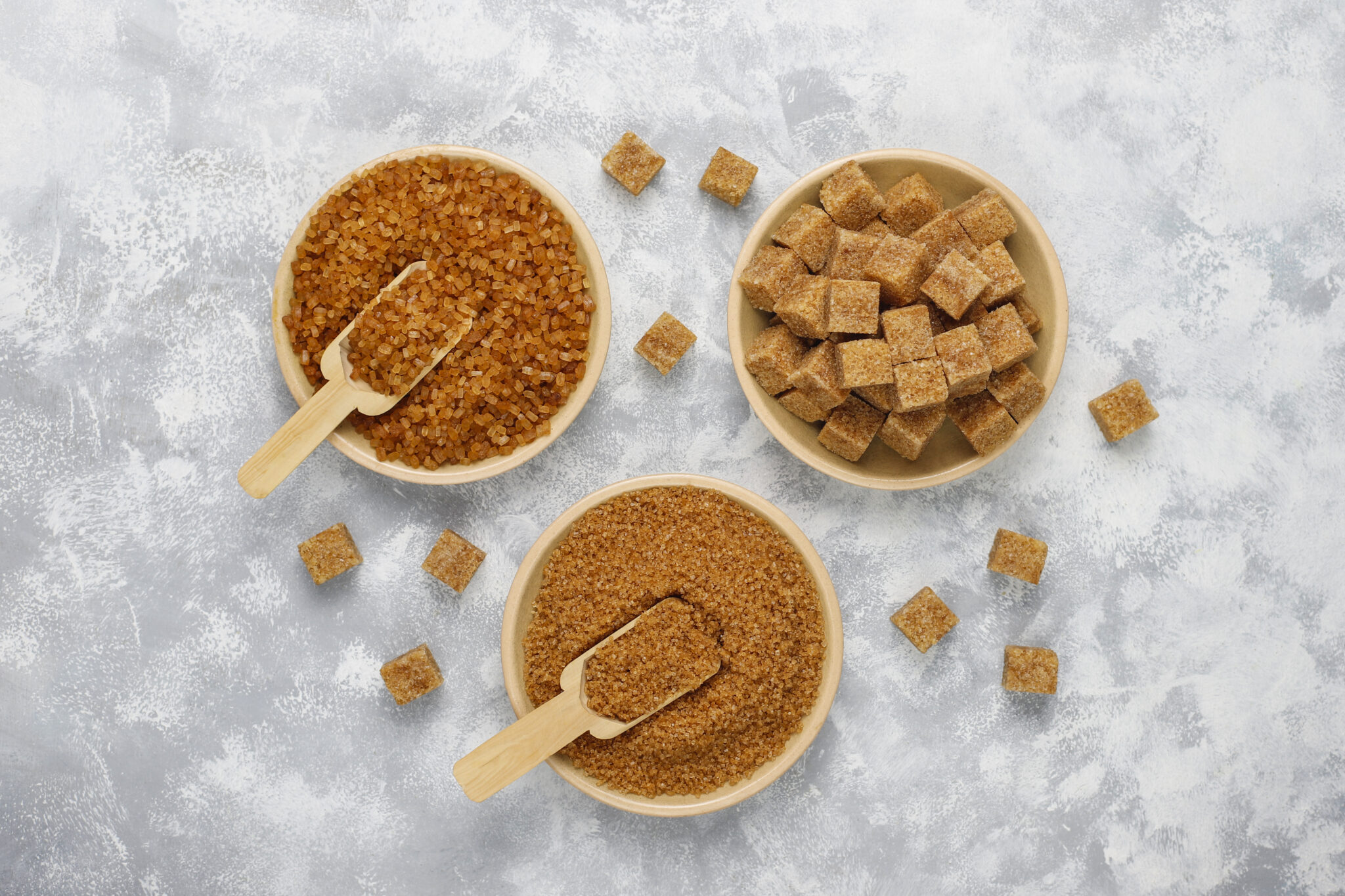
Diabetes isn’t a sweet tooth A metabolic disorder termed “diabetes” affects how your body uses sugar as fuel. Increased hunger and thirst, weight loss, frequent urination, exhaustion, and blurred vision are all signs of diabetes. Maintaining a balanced diet while you have diabetes is essential for addressing the condition. You do not need to fully avoid anything containing sugar, though. The secret to controlling your blood sugar levels is good meal planning (Meal Prep) and maintaining a balance of nutrients such as fibre and protein.0 Why do people have sugar cravings? It is very normal to prefer sweet meals. We developed from a time when food was scarce and high-calorie meals were both tasty and necessary for existence. Some people say that they are “addicted” to sugar and that liberation comes only when they entirely abstain from it. Sweet food undoubtedly engages our brain’s reward systems, and for the majority of us, sweet food has a favourable influence on our mood, at least in the short term. The notion of a “sweet tooth” is appealing. Craving sweet food has become a socially acceptable cover for a need for “sweetness” in other forms, such as stress relief, comfort, and reward, overcoming exhaustion, or extending a celebration. It is crucial to emphasise that desiring sugar is not ‘evil’ and should not be something you feel guilty about—cravings are natural and most of us experience them at some time. Mind triumphs over matter. But what exactly does your “inner world” have to do with sugar? If you’re concerned, the first step is to act like a detective and observe what happens when a sugar craving emerges. You might begin by learning about the three basic forms of hunger- Mouth hunger arises when one of your senses, such as smelling or seeing food or pictures of food, or hearing food-related sounds, such as a packet being opened, generates a desire for eating. Heart hunger is a need for food that arises as a result of an emotion, memory, or idea, or as a result of your feeling of self. It appears unexpectedly and occurs in your imagination. Rather than the delight that comes from eating to fulfil stomach hunger, eating leads to guilt. Stomach hunger is an indication that your body requires food, such as an empty or gnawing feeling in your stomach, irritation, headache, or exhaustion. Suggestions for curbing your sweet tooth when you have diabetes Eat fresh fruit:  Naturally sweet fruits like apples, pears, and papaya do include complex carbohydrates and soluble fibre. They can satisfy your sweet tooth without affecting your blood sugar levels. Use sugar substitutes:  As long as you use them moderately, low-calorie artificial sweeteners like neotame or sucralose can be used as a substitute for sugar. Additionally, you can use sugar beverages as natural sweeteners. Total your carbs: The Diabetes Association advises eating a meal with 45 to 60 grams of carbs. If you enjoy the odd sweet treat, make an effort to keep your carbohydrate intake within this range. Use sugar substitutes:  As long as you use them moderately, low-calorie artificial sweeteners like neotame or sucralose can be used as a substitute for sugar. Additionally, you can use sugar beverages as natural sweeteners. Choose sugar-free treats: With sugar-free versions of your favourite snacks, you should satisfy your sweet cravings. Eat dark chocolate: Dark chocolate is high in flavanols, which can help manage blood sugar levels and enhance insulin resistance. However, since white chocolate usually includes extra sugar and milk, it should be avoided. Choose sugar-free treats: With sugar-free versions of your favourite snacks, you should satisfy your sweet cravings. Eat more fibre and protein: Plant-based fibre and protein sources include legumes such as lentils, beans, and chickpeas. Legumes make you feel fuller for longer periods of time and reduce sugar cravings triggered by hunger. Try a health bar: These snacks are often created with natural ingredients and sweetened with fresh or dried frui  Remember, not all health bars are made equal, and some may include hidden fats and carbohydrates. Check the labels for ingredients and avoid any added sweeteners. Practice mindful eating: Mindful eating entails avoiding watching TV or reading while eating in order to be completely aware of what you are eating and putting into your body. This can reduce your chances of overeating and strengthen your capacity to resist sweet cravings. Eat chia seeds: Chia seeds are rich in nutrients such as omega-3 fatty acids, soluble dietary fibre, and plant compounds.  Soluble fibre quickly absorbs water and swells in your stomach to produce a jelly-like substance, which may help you feel fuller for longer and reduce sugar cravings. Maintain your energy levels throughout the day: By eating consistent meals and snacks throughout the day, you may avoid low blood sugar and extreme hunger.  Sugar cravings are more likely to appear when you are starving. Low blood glucose levels increase calorie intake, whereas high blood glucose levels cause satiety. You may avoid sugar cravings by not going hungry for lengthy periods of time. Retrain your taste buds: When you consistently reduce the amount of sugar in your diet, you retrain your taste buds and brain receptors so that you don’t need as much sugar as you used to. One simple approach to achieving this is to lower the quantity of sugar in your coffee from three to two packets, then to one packet from two. You may realise that sugary foods or drinks you used to like suddenly taste too sweet to your freshly educated taste receptors. Use this healthy treat as a sweetness in your diet.

Diabetes isn’t a sweet tooth Read More »

7 Budget-Friendly Approaches That Make You Lose Weight

7 Budget-Friendly Approaches That Make You Lose Weight  Weight loss journey looks expensive deal?  Are you on the lookout for an economical approach to lose weight? Then you are at the right place! Losing weight does not need a high budget. There are numerous cost-effective methods for achieving your weight loss goal. Here are some ideas that will help you to follow a weight-loss diet without breaking the bank. 1. Exercise At Home The first expensive aspect that pops in mind while thinking about weight loss is an expensive gym membership. You do not necessarily need a gym to keep you in shape.  There are plenty of weight loss exercise videos available on YouTube done by fitness trainers that you can perform at home. VMax provides personalised and effective online sessions with experienced trainers, guiding you to reach your fitness goals from the comfort of your own home. You can also add variety to your workouts by purchasing inexpensive equipment such as resistance bands or a jump rope. 2. Plan Your Meal A home-cooked meal is the best way to eat healthily and save money. Plan your meal ahead and try to buy most of the groceries at the farmer’s market which will cost you less. Try and make healthier versions of your favourite restaurant foods to reduce your desire to eat out. By cooking meals at home, you can control your portion and also have a fair idea of how many calories you are consuming. Another important tip is to buy seasonal foods which will be cheaper. You can also make a chart of a diet plan for weight loss and adhere to it. Here at  VMax, we support our clients with personalized nutritional diets according to their preferences that are easy to cook at home.  In addition to this, we ensure that they stay on track with their nutritional goals. 3. Consume Water Hydration plays a vital role in weight loss. Water is a natural appetite suppressant. Drinking water before every meal will reduce hunger pangs and help to intake less quantity of food regularly. 4. Eat Whole Foods Spending money on weight loss supplements may be effective, but it is not a healthy way to lose weight. Also, it is extremely expensive. Likewise, processed foods can also be costly and often contain hidden calories. The solution is to focus on consuming whole foods like fruits, vegetables, whole grains, and protein. These foods are often cheaper and keeps you full. 5. Get Enough Sleep Does sleeping help with weight loss?  Of course, it does! Getting sufficient sleep is really significant for your overall well-being. Many studies suggest that poor and restricted sleep is one of the factors for obesity and other metabolic disorders. Not getting enough sleep will lead to hormonal imbalances and increased appetite. So it is necessary to sleep at least 7 hours. 6. Practice Mindful Eating Mindful eating is the technique of paying attention to your food and how you feel while eating. By practising mindful eating one can reduce binge eating habits. This will help you avoid over-eating. 7. Opt for Alternatives There are healthier alternative choices that will boost your weight loss goal like preparing healthy snacks that help in weight loss. If you are craving desserts, homemade smoothies can be your go-to option. Similarly, there are a lot more other possible options that you can swap your unhealthy food choices with. Losing weight doesn’t have to be expensive. Making small changes to your diet and exercise program can help you reach your weight loss goals. VMax offers a wide range of programs to help clients meet their fitness goals. Our professional trainers and nutritionists work with clients to create personalised fitness and diet plans that aid in healthy and effective weight loss. Always remember to be patient and consistent. These are the two mantras that make a person achieve their desired goal.  To know more budget-friendly fitness-related guidance and tips, Follow Vmax Fitness. To get a FREE health consultation call & Sign up for a weight loss program.

7 Budget-Friendly Approaches That Make You Lose Weight Read More »

Still a chocoholic with a high blood sugar level? Dark chocolate is preferred over sugary sweets.

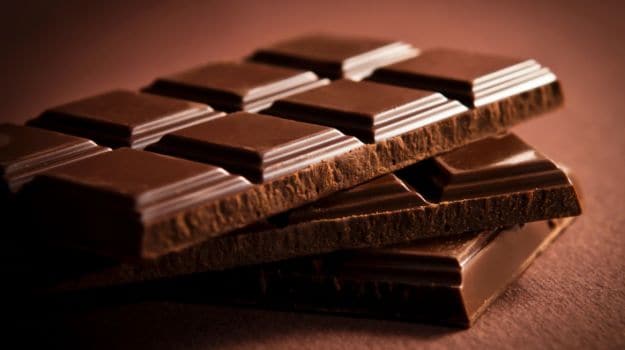
Still a chocoholic with a high blood sugar level? To Dark chocolate is preferred over sugary sweets. If you have diabetes and still love chocolate, don’t worry about your blood sugar levels. Introductions are not necessary for this immensely valuable food, which dates back to 2000 BC. In contrast to the milk or butter in milk chocolate, dark chocolate only contains cocoa solids and cocoa butte  “Bitter chocolate,” or unsweetened chocolate, is the term for dark chocolate without artificial flavouring. Milk chocolate contains 10-50 per cent cocoa solids, cocoa butter, milk in some form, and sugar, whereas dark chocolate contains 50-90 per cent cocoa solids, cocoa butter, and sugar Lower-quality chocolates may also include butter fat, vegetable oils, or artificial colours or flavours. White chocolate has no cocoa solids and is produced entirely from cocoa butter, sugar, and milk. Nutritional value A 100-gram (g) bar of dark chocolate with 70-85 per cent cocoa solids has   Energy: 604 kcal.   Protein: 7.87 g   Fat: 43.06    Carbs: 46.36 g   Dietary fibre: 11.00 g   Sugar: 24.23 g   Iron: 12.02 mg   Magnesium: 230.00 mg   Zinc: 3.34 mg   Sodium: 20 mg   Caffeine: 80 mg   Vitamin A: (39 IU)   Dark chocolate’s health advantages The proportion of cocoa specified on the chocolate refers to the percentage of all components that are derived from the cacao plant. That implies a dark chocolate product with a greater cocoa % may have a higher concentration of the nutrients that provide the perks. These beneficial components may include: Flavanols   Spolyphenols   Theobromine It is vital to remember that cocoa loses part of its polyphenol components throughout the production process of cocoa butter, cocoa powder, and chocolate. Cocoa processing not only removes some of its most beneficial components, but may also include sugar, milk, and cocoa butter, a refined version of the cocoa bean. An important mineral source Dark chocolate is high in minerals such as iron, magnesium, zinc, copper, and phosphorus. These minerals are used in your body to support factors such as immunity (zinc), bone and tooth health (phosphorus), and contribute to better sleep quality (magnesium). High fibre content Dark chocolate has high fibre content when compared to other sweet treats. “A small amount of dark chocolate (about an ounce) contains about four grams of fibre. Non-dairy Milk chocolate, as the name suggests, contains milk or milk solids. However, dark chocolate is generally considered dairy-free. That means it’s a good choice if you’re lactose intolerant (allergic to milk) or follow a dairy-free diet If you’ve ever wanted to eat chocolate every day, you now have an excuse — or eight Dark chocolate may aid in the prevention of heart disease and lower the risk of stroke. The treatment may boost your mood, improve your intelligence, and prevent memory loss. Dark chocolate may help to lower blood sugar levels and lower the risk of developing diabetes. Chocolate is beneficial to the digestive system and may aid in weight loss. It combats free radicals and may help prevent cancer. It’s Beneficial for Your Skin (in More Ways Than One). Dark chocolate may raise good cholesterol while decreasing bad cholesterol. Dark chocolate is healthy and delicious!

Still a chocoholic with a high blood sugar level? Dark chocolate is preferred over sugary sweets. Read More »

10 Best Fibre-rich foods To Add In The Meal

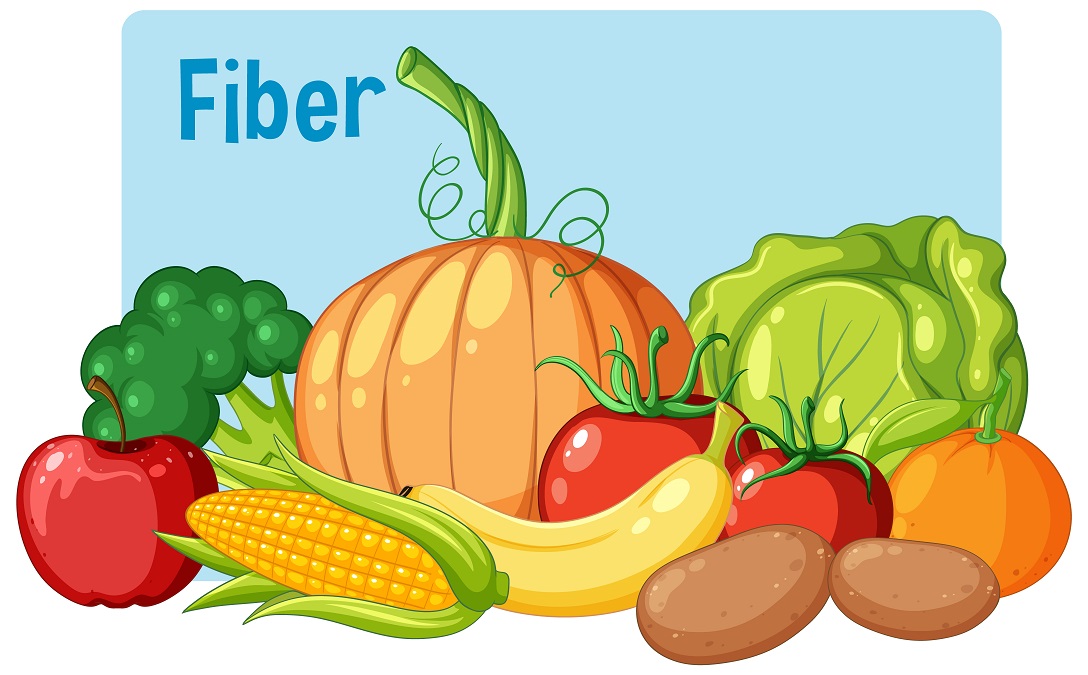
10 Best Fibre-rich foods To Add In The Meal Fibre is a type of carbohydrate that cannot get digested and leaves the stomach undigested due to a lack of an enzyme in the human body. But if it doesn’t get absorbed, why is it so important to have a fibre-rich diet? Because fibre-rich foods provide numerous health benefits and gut-friendly bacteria in your body feed on them. Fibres are found in many varieties of food including fruits, vegetables, whole grains, and legumes. But most people are not intaking enough fibre despite its benefits. Here are some reasons why fibre is important in our diet, Maintains healthy weight Manages cholesterol levels  Cures constipation Promotes healthy blood sugar levels Reduces risk of colon cancer Supports gut microbiome The daily requirement of dietary fibre is approximately 25 – 30 g/day which seems like a small quantity, but not many people can meet even half of the recommended amount.   Want to add some improvements to your health? Adding high-fibre-rich foods is the key! Fibre-rich foods are easy to incorporate as well as always available. So, here are the top 10 fibre-rich foods you need to add to your diet right away!  1. Lentils Lentils such as green gram, horse gram, and red lentils are cheap and nutritious food as it is a good source of proteins for vegetarians and rich in carbohydrates. Additionally, the fibre content in such lentils is 7- 17 g per 100 grams, making them the best fibre-rich food. Free lentils in wooden spoon, three colors image, public domain CC0 beans photo. 2. Oats Undoubtedly oats are high in vitamins, minerals, and antioxidants, not just that the fibre content is 10.1 g per 100 grams. They also contain a specific type of soluble fibre called beta-glucan that helps to control hunger, blood sugar and cholesterol levels.  So think before missing out on this healthy breakfast option that may work wonders for your health. Free public domain CC0 photo. 3. Guava Guava is one of the fibre-rich fruit containing about 5.4 g of fibre per 100 g. It is also rich in antioxidants, vitamin C, potassium, and fibre which is about 5.4 g per 100 g. Additionally, it helps boost heart health, relieve menstrual pain, aids in healthy bowel movements, and cures constipation. 4. Popcorn Popcorn can be your go-to snack if you want something filling and tasty, but always prefer air-popped popcorn as adding excess fat can significantly decrease the fibre proportion.  The fibre content in Popcorn is 14.4 g of fibre per 100 g. It promotes good digestive health and regular bowel movements. Free popcorn background image, public domain CC0 photo. 5. Chia Seeds Chia Seeds are not just rich in minerals such as calcium, phosphorus, and magnesium but are also the best source of fibre containing 34.4 grams per 100 grams. It’s added to drinks, puddings, or fruit salads. It plays a vital role in maintaining the gut microbiome and helps lower cholesterol. 6. Carrot Carrot, a fibre-rich vegetable, has about 2.8 g of fibre in 100 g of carrot. This crunchy and sweet vegetable is rich in vitamin K, Vitamin B-6, beta-carotene (Pigment that converts to Vitamin A), and magnesium. They help to ease constipation and are good for people with diabetes. 7. Green Peas Green peas are a high-fibre-containing food. As it is rich in protein and fibre, it keeps you full for a long time and contains almost every vitamin and mineral along with significant amounts of fibre, which is about 4 g/100 g. They are also packed with antioxidants and help in easier digestion. Free lentils in wooden spoon, three colors image, public domain CC0 beans photo. 8. Barley The fibre content is about 15.6 g /100g of barley. It consists of soluble fibre that binds with water and various other molecules while passing through the digestive tract, which reduces the pace of sugar absorption in the bloodstream; and the risk of colon cancer. Free lentils in wooden spoon, three colors image, public domain CC0 beans photo. 9. Pear This sweet bell-shaped fruit is rich in folate, vitamin C, and potassium. It has about 4.5 g/100 g of fibre, most of which is present in the skin; hence it’s advisable to eat without peeling it. Free lentils in wooden spoon, three colors image, public domain CC0 beans photo. 10. Kidney beans About 6.9 g of fibre is present in about 100 g of cooked kidney beans and has adequate amounts of resistant starch, which plays a crucial role in weight loss. They are also a good source of iron, potassium and phosphorus. Free lentils in wooden spoon, three colors image, public domain CC0 beans photo. Conclusion Fibre plays an essential role to maintain good health and prevents us from various chronic diseases. So incorporating fibre-rich food into your meal regularly will greatly improve your health and well-being. Now you are aware of the various health benefits fibre offers. Try adding these fibre-rich foods to your diet and get supplemented with adequate fibre each day. Follow VMax Wellness for a more regular diet and fitness-related updates! Free lentils in wooden spoon, three colors image, public domain CC0 beans photo.

10 Best Fibre-rich foods To Add In The Meal Read More »

Scroll to Top