

FitMom Club

Weightloss

Protein-First Meal Prep the Secret to Sustained Energy in 2026 

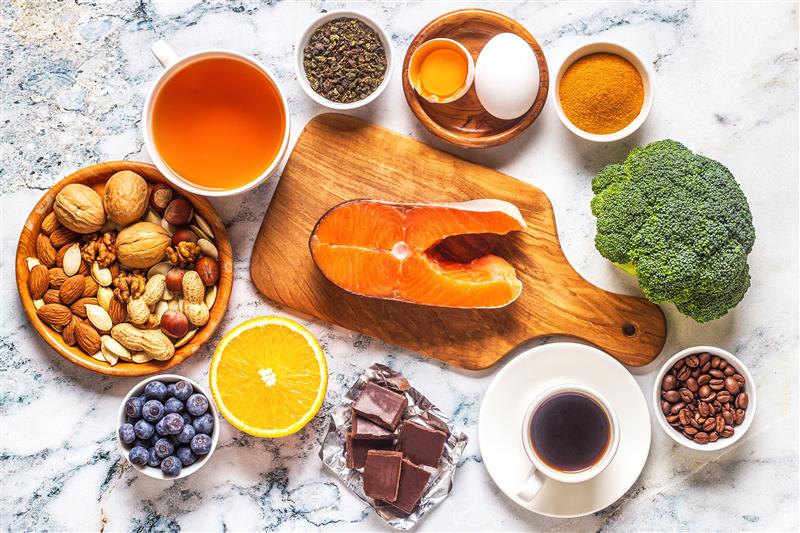
Protein-First Meal Prep the Secret to Sustained Energy in 2026 In 2026, nutrition is no longer about eating less it’s about fueling better. For modern moms juggling careers, workouts, kids, and personal goals, restrictive diets simply don’t work anymore. Enter protein-first meal prep, a functional nutrition approach that prioritizes high-quality protein as the foundation of every meal.  This shift isn’t just another wellness trend it’s a science-backed strategy for sustained energy, improved metabolism, balanced hormones, and realistic weight management. Inside the FITMOMCLUB community, protein-first meal prep has become a cornerstone habit because it supports real life, not perfection.  If you’ve ever felt exhausted by 3 p.m., stuck in snack cycles, or frustrated by diets that leave you hungry, this guide is for you. Let’s break down why protein-first meal prep works, how to do it efficiently, and how it supports functional nutrition for moms in 2026 and beyond.  What Is Protein-First Meal Prep? Protein-first meal prep means planning and preparing meals by prioritizing protein before anything else before carbs, fats, or calories. Instead of asking, “What should I eat less of?” you start with:  “Where is my protein coming from in this meal?”  Once protein is in place, the rest of the meal naturally falls into balance.  Key Principles of Protein-First Meal Prep Every meal and snack contains a clear protein source  Protein portions are adequate, not minimal  Meals are designed to support energy, not restriction  Prep focuses on simplicity and sustainability  This approach works especially well for moms because it:  Reduces constant hunger  Stabilizes blood sugar  Prevents energy crashes  Makes meal decisions easier  Why Protein Is the Foundation of Functional Nutrition Functional nutrition focuses on how food supports your body’s systems, not just calories or macros. Protein plays a central role because it affects nearly every function in the body.  Protein Supports:  Muscle maintenance and metabolism  Hormone production  Neurotransmitters for focus and mood  Immune health  Blood sugar stability  When protein intake is too low something extremely common among women fatigue, cravings, and stalled weight loss follow.  In 2026, functional nutrition experts agree: adequate protein is non-negotiable, especially for active and busy moms.    The Energy Crisis Moms Are Facing (And How Protein Fixes It) Many moms assume their exhaustion is just part of life. In reality, it’s often a fueling problem, not a motivation problem.  Common Causes of Low Energy in Moms  Skipping meals  Carb-heavy breakfasts with little protein  Grazing on low-protein snacks  Undereating due to diet culture habits  Protein-first meal prep directly addresses these issues.  How Protein Sustains Energy  Slows digestion, preventing crashes  Reduces cortisol spikes  Keeps blood sugar steady  Improves satiety between meals  Instead of relying on caffeine and willpower, protein provides real, lasting energy.    Protein-First Meal Prep for Weight Loss (Without Restriction) One of the biggest myths about weight loss is that eating less equals results. Functional nutrition flips that script.  Why Protein Supports Healthy Weight Loss  Preserves lean muscle mass  Increases thermic effect (you burn more calories digesting it)  Reduces overeating naturally  Improves insulin sensitivity  Protein-first meal prep helps moms lose weight without tracking every calorie or cutting entire food groups.  Inside FITMOMCLUB, members often report:  Less snacking  Fewer cravings  More consistency  Better results with less stress    How Much Protein Do Moms Really Need in 2026? Forget outdated guidelines. Active and busy moms need more protein than previous generations were told.  General Functional Nutrition Guidelines  20–35g protein per meal  10–20g protein per snack  Spread evenly throughout the day  This isn’t about bulking up it’s about supporting your metabolism, hormones, and recovery.    Best High-Quality Protein Sources for Meal Prep Not all protein is created equal. Protein-first meal prep focuses on quality and digestibility.  Animal-Based Protein Options  Chicken breast or thighs  Turkey  Eggs and egg whites  Greek yogurt  Cottage cheese  Salmon and tuna  Lean beef  Plant-Based Protein Options  Lentils  Chickpeas  Tofu and tempeh  Edamame  Quinoa  High-quality protein powders  For many moms, a blend of animal and plant proteins works best.    Protein-Rich Meal Prep Ideas for Busy Moms Protein-first doesn’t mean complicated. In fact, simplicity is the secret.  High-Protein Breakfast Prep  Egg muffin cups with veggies  Greek yogurt + protein powder + berries  Cottage cheese bowls with nuts  Protein pancakes prepped in batches  Protein-Packed Lunches  Grilled chicken bowls  Turkey lettuce wraps  Salmon quinoa bowls  Lentil and roasted veggie salads  Easy High-Protein Dinners  Sheet-pan chicken and vegetables  Stir-fry with tofu or shrimp  Slow cooker shredded beef  Protein pasta with lean meat sauce  Healthy Mom Snacks That Actually Keep You Full Snacking isn’t the problem low-protein snacks are.  Protein-First Snack Ideas  Hard-boiled eggs  Greek yogurt cups  Protein bars (minimal ingredients)  Cottage cheese with fruit  Protein smoothies  Turkey roll-ups  These snacks stabilize blood sugar and prevent the late-afternoon crash so many moms experience.  How to Meal Prep Protein Without Burning Out Consistency beats perfection. Protein-first meal prep should feel supportive, not overwhelming.  Simple Weekly Protein Prep System  Choose 2–3 protein sources  Batch cook once or twice per week  Store in portioned containers  Build meals around those proteins  Even prepping just protein (and not full meals) saves time and decision fatigue Functional Nutrition vs Diet Culture: The 2026 Shift Diet culture focuses on:  Restriction  Control  “Good” vs “bad” foods  Functional nutrition focuses on:  Fueling  Nourishment  Sustainability  Protein-first meal prep sits at the center of this shift because it:  Encourages eating enough  Builds trust with food  Supports long-term health  This is why FITMOMCLUB emphasizes fueling for life, not shrinking for a season.  Common Protein-First Meal Prep Mistakes to Avoid Even good strategies can fail when misunderstood.  Mistakes to Watch For  Relying only on protein shakes  Eating protein only at dinner  Undereating total calories  Ignoring Fiber and micronutrients  Protein comes first but balance still matters.  Why Protein-First Meal Prep Is Perfect for FITMOMCLUB Moms FITMOMCLUB moms don’t have time for extremes. They need:  Energy for workouts  Focus for work  Patience for parenting  Confidence in their bodies  Protein-first meal prep delivers all of that by:  Simplifying nutrition  Supporting metabolism  Reducing mental load  Creating consistency  It’s not about being perfect it’s about being prepared.  The Future of Nutrition: Why Protein-First Is Here to Stay As we move further into 2026, nutrition trends are becoming more practical, personalized, and science-based. Protein-first meal prep aligns perfectly with this evolution.  We’re moving away from:  Starvation-based diets  Endless tracking  All-or-nothing thinking  And toward:  Functional fueling  Sustainable habits  Strong, energized bodies  Protein-first meal prep isn’t just a strategy it’s a lifestyle foundation.  Conclusion: Fuel First, Thrive Always Protein-first meal

Protein-First Meal Prep the Secret to Sustained Energy in 2026  Read More »

Cycle-Syncing Your Workouts: Training with Your Hormones, Not Against Them

Cycle-Syncing Your Workouts: Training with Your Hormones, Not Against Them Introduction: Why Women’s Fitness Needs a New Framework For decades, fitness advice has been largely one-size-fits-all, built around male physiology. Yet women’s bodies operate on a monthly hormonal rhythm, not a 24-hour cycle. Ignoring this reality has led many women to feel frustrated, exhausted, or even injured while following traditional workout programs.  This is where cycle-syncing workouts come in. Instead of pushing your body to perform the same way every day, cycle syncing encourages you to train in harmony with your hormones, not against them. The result? Better energy, improved strength gains, faster recovery, and a healthier relationship with exercise.  Welcome to Women’s Performance Health 2.0a smarter, physiology-specific approach to training that finally works with your body instead of fighting it.  What Is Cycle-Syncing Workouts? Cycle syncing is a fitness and lifestyle approach that aligns workouts with the four phases of the menstrual cycle:  Menstrual Phase  Follicular Phase  Ovulatory Phase  Luteal Phase  Each phase is driven by fluctuations in estrogen, progesterone, and testosterone, which directly influence energy levels, muscle recovery, coordination, metabolism, and motivation.  By adjusting your workout type, intensity, and recovery based on these phases, you create a hormone-based fitness plan that supports female hormone health and sustainable performance.    The Science Behind Hormone-Based Fitness Hormones are not just about reproduction they regulate nearly every system involved in exercise performance.  Estrogen supports muscle repair, insulin sensitivity, and endurance  Progesterone influences body temperature, recovery, and fatigue  Testosterone (yes, women have it too) impacts strength and power  Traditional training programs ignore these cyclical changes. Cycle-syncing workouts embrace them, allowing women to:  Train harder when the body is primed for it  Rest more when recovery is biologically needed  Reduce burnout and overtraining  Improve consistency and long-term results  This approach represents a major shift toward female-specific training science.  Understanding the Four Phases of the Menstrual Cycle Before diving into workouts, it’s essential to understand what’s happening hormonally in each phase.  Menstrual Phase (Days 1–5) This phase begins on the first day of your period. Both estrogen and progesterone are at their lowest levels.  How you may feel:  Lower energy  Increased need for rest  Reduced motivation  Heightened sensitivity  This is not a time to “push through pain.” Instead, it’s a time for gentle movement and recovery.    Menstrual Phase Workout Plan: Rest Is Productive  During your period, your body is shedding the uterine lining and conserving energy. Exercise should support circulation, not depletion.  Best workouts for this phase:  Walking  Gentle yoga  Stretching  Mobility work  Light Pilates  What to avoid:  HIIT  Heavy lifting  Long endurance sessions  Key focus: Rest, recovery, and nervous system regulation  Remember, rest during this phase sets the foundation for stronger performance later in the cycle.    Follicular Phase: Energy and Motivation Rise The follicular phase starts after your period ends and lasts until ovulation. Estrogen begins to rise, boosting energy, mood, and mental clarity.  This is when many women feel inspired to start new projects and new workout routines.    Follicular Phase Workouts: Build and Explore  Your body is primed for learning, skill-building, and moderate intensity training.  Best workouts:  Strength training (moderate weights)  Cardio intervals  Dance workouts  Trying new fitness classes  Why it works: Rising estrogen improves muscle recovery and coordination, making this an ideal phase for progression.  Key focus: Building momentum without overdoing it    Ovulatory Phase: Peak Performance Window Ovulation is the shortest but most powerful phase. Estrogen and testosterone peak, creating a natural performance high.  How you may feel:  Confident  Strong  Social and motivated  Explosive energy  This is when your body can handle the highest training intensity.    Ovulatory Phase Workouts: Go All In  If there’s a time to push yourself, this is it.  Best workouts:  Heavy strength training  HIIT  Sprinting  Cross-training  Personal best attempts  Benefits:  Increased power output  Faster muscle gains  Improved athletic performance  Important note: Because ligaments may be slightly more relaxed during ovulation, prioritize proper warm-ups and form.    Luteal Phase: Slow Down to Sustain After ovulation, progesterone rises and estrogen declines. This phase is often misunderstood and unfairly labelled as “unproductive.”  In reality, the luteal phase is about sustainability and strength maintenance.    Luteal Phase Workout Plan: Support, Don’t Deplete  Energy may feel steady at first and then gradually decline as the phase progresses.  Best workouts:  Steady-state cardio  Low-impact strength training  Barre  Pilates  Yoga  Late luteal phase adjustments:  Reduce intensity  Increase rest days  Focus on consistency over performance  Key focus: Stress management and recovery  Supporting your nervous system here can significantly reduce PMS symptoms.    Cycle-Syncing Workouts and Female Hormone Health One of the most powerful benefits of cycle syncing is its impact on female hormone health.  When women train against their cycle constant HIIT, calorie restriction, no rest it can lead to:  Hormonal imbalances  Missed or painful periods  Chronic fatigue  Elevated cortisol levels  Cycle syncing helps regulate hormones by respecting the body’s natural rhythm, which is especially important for:  Postpartum women  Busy moms  Women in perimenopause  Women recovering from burnout    Why FITMOMCLUB Supports Cycle-Syncing Fitness At FITMOMCLUB, the goal isn’t just weight loss or aestheticist’s sustainable performance and long-term health.  Cycle-syncing workouts align perfectly with real women’s lives because they:  Adapt to fluctuating energy levels  Support busy schedules  Reduce guilt around rest days  Encourage body awareness  This approach empowers women to train smarter, not harder.  Common Myths About Cycle-Syncing Workouts “I’ll lose progress if I rest more”  Rest is where adaptation and muscle growth happen. Strategic rest improves results.  “This only works if you have a regular cycle”  Even women with irregular cycles can benefit by tuning into energy patterns and symptoms.  “It’s too complicated”  Once you understand the phases, cycle syncing becomes intuitive not restrictive.  How to Start Cycle-Syncing Your Workouts Today You don’t need a perfect plan to begin. Start with awareness.  Step-by-step approach:  Track your cycle for 1–2 months. Notice energy, strength, and mood patterns  Adjust intensity not consistency  Prioritize recovery without guilt  Small changes can make a massive difference in how you feel and perform. Nutrition and Recovery: The Missing Piece Cycle-syncing workouts work best when paired with supportive nutrition and recovery.  Examples:  Increase iron-rich foods during menstruation  Prioritize protein in follicular and ovulatory phases  Support blood sugar and magnesium intake in the luteal phase  Exercise is just one piece of women’s performance health 2.0recovery completes the puzzle.    Cycle Syncing for Busy Moms and Real Life Life isn’t predictable and neither are hormones.  Cycle syncing isn’t about perfection. It’s about flexibility and compassion. Some days you’ll push. Other days you’ll pause. Both are productive.  This mindset shift alone can transform your fitness journey.  The

Cycle-Syncing Your Workouts: Training with Your Hormones, Not Against Them Read More »

Quiet Morning Ritual: 5 Somatic Practices for Nervous System Regulation 

Quiet Morning Ritual: 5 Somatic Practices for Nervous System Regulation FITMOMCLUB: The “Quiet Morning” Ritual 5 Somatic Practices to Regulate Your Nervous System In today’s fast-paced world, calm has become a performance tool, especially for mothers juggling multiple roles. From managing households and careers to nurturing emotional well-being for their families, moms are under constant pressure. The result? Chronic stress, nervous system overload, and emotional burnout that often go unnoticed until exhaustion takes over.  That’s where FITMOMCLUB’s “Quiet Morning” Ritual comes Ina gentle yet powerful approach rooted in somatic practices that help regulate your nervous system before the day even begins. This is not another rigid morning routine that demands perfection. Instead, it’s a restorative, body-based ritual designed to help mothers reconnect with themselves, cultivate calm, and move through the day with clarity and resilience.  In this in-depth guide, we’ll explore why nervous system regulation matters, how somatic practices work, and how you can implement five simple, science-backed techniques to create a quiet, grounding morning ritual no matter how busy your life feels.  Why Mothers Need Nervous System Regulation More Than Ever Motherhood is beautiful, but it’s also neurologically demanding. Constant decision-making, emotional labour, lack of sleep, and sensory overload keep many moms stuck in a chronic stress response.  When your nervous system is dysregulated, you may experience:  Persistent fatigue even after sleep  Irritability or emotional reactivity  Anxiety, brain fog, or overwhelm  Difficulty focusing or feeling present  A sense of being “on edge” all day  Your body isn’t broken it’s responding exactly as it was designed to under prolonged stress. The key is learning how to signal safety to your nervous system, and that’s where somatic practices shine.  Understanding the Nervous System: A Simple Explanation Your nervous system has two primary modes:  Sympathetic (Fight or Flight): Activated during stress, urgency, or perceived danger  Parasympathetic (Rest and Digest): Activated during safety, calm, and restoration  Many moms wake up already in fight-or-flight mode, checking phones, rushing kids, and mentally racing through to-do lists. Over time, this becomes the default state.  Somatic practices work directly with the body to gently guide your system back into balance without forcing relaxation or suppressing emotions.  What Are Somatic Practices and Why Do They Work? Somatic practices are body-based techniques that focus on internal sensations rather than thoughts alone. Instead of “thinking your way calm,” you feel your way into regulation.  They work because:  The nervous system responds faster to physical cues than logic  Gentle movement and breath activate the vague nerve  Awareness of sensation builds emotional resilience  The body releases stored stress gradually and safely  For mothers, somatic rituals are especially effective because they are simple, intuitive, and adaptable no special equipment or long sessions required.  The Power of a Quiet Morning Ritual A quiet morning ritual sets the tone for your entire day. Rather than reacting to stress, you begin from a place of grounded presence.  Benefits include:  Improved emotional regulation  Greater patience with children  Enhanced focus and productivity  Reduced anxiety and overwhelm  A deeper sense of self-connection  Even 10–15 minutes can create a noticeable shift when practiced consistently.  The FITMOMCLUB Quiet Morning Ritual: 5 Somatic Practices Let’s dive into the heart of the ritual five gentle practices designed specifically for mothers seeking calm, clarity, and nervous system balance.    Grounded Breathing:SignallingSafety to the Body  Breath is one of the fastest ways to influence your nervous system.  How to Practice:  Sit or stand comfortably with feet on the floor  Place one hand on your chest, one on your belly  Inhale slowly through your nose for 4 counts  Exhale through your mouth for 6 counts  Repeat for 2–3 minutes  Why It Works: Longer exhales activate the parasympathetic nervous system, signalling safety and slowing the stress response.  Pro Tip: Whisper the word “safe” or “calm” on each exhale to reinforce the signal.    Gentle Morning Movement: Releasing Stored Tension You don’t need an intense workout first thing in the morning. In fact, slow, intuitive movement is often more regulating.  Try This:  Shoulder rolls  Neck circles  Gentle spinal twists  Slow forward folds  Move with your breath, not against it.  Why It Works: Stress is stored in the muscles and fascia. Gentle movement releases tension without triggering cortisol spikes.    Body Scanning: Reconnecting with Yourself Many moms spend the day disconnected from their own needs. A body scan brings awareness back home.  How to Practice:  Close your eyes or soften your gaze  Start at the top of your head  Slowly scan down your body  Notice sensations without judgment  Breathe into any area that feels tight  Why It Works: Awareness alone can reduce nervous system activation and increase emotional regulation.    Orienting to Safety: Training the Brain to Relax This practice teaches your nervous system that you are safe right now.  How to Practice:  Look around the room slowly  Name 3 things you can see  Listen for 2 soothing sounds  Notice 1 physical sensation that feels neutral or pleasant  Why It Works: Orienting interrupts anxiety loops and anchors you in the present moment.    Self-Soothing Touch: The Language of Comfort Touch is a powerful regulator, especially for overstimulated nervous systems.  Simple Options:  Hand over heart  Gentle arm stroking  Light pressure on shoulders  Holding a warm mug  Why It Works: Self-touch releases oxytocin, the hormone associated with safety, bonding, and calm.  How Long Should the Quiet Morning Ritual Take? This ritual is flexible by design.  5 minutes: Choose 1–2 practices  10 minutes: Combine breath + movement  15 minutes: Full ritual experience  Consistency matters more than duration. Even small moments of regulation compound over time.  Why Calm Is the New Performance Tool for Moms In a culture that glorifies hustle, calm is often misunderstood as weakness. In reality, regulated nervous systems perform better.  Calm allows for:  Better decision-making  Emotional intelligence  Increased creativity  Sustainable energy  Healthier relationships  When mothers are regulated, families thrive.    How FITMOMCLUB Supports Holistic Mental Wellness for Mothers FITMOMCLUB is rooted in the belief that mental wellness is embodied wellness. By integrating somatic practices into daily routines, mothers can reclaim their energy, confidence, and sense of self.  This quiet morning ritual aligns perfectly with FITMOMCLUB’s philosophy:  Strength without burnout  Calm without guilt  Presence without pressure  Adapting the Ritual for Real-Life Motherhood Some mornings will be loud, rushed, and unpredictable and that’s okay.  Try adapting by:  Practicing while kids eat breakfast  Breathing in the car before school drop-off  Doing one movement while brushing teeth  Placing a hand on your heart during transitions  Regulation doesn’t require silence just intention.  The Long-Term

Quiet Morning Ritual: 5 Somatic Practices for Nervous System Regulation  Read More »

The Ageless Athlete Blueprint 5 Mobility Pillars Every Mom Needs for Long Term Vitality 

New Year Health Kick-Start: The Smart Way to Understand Your Body and Transform Your Wellness in 2026 Introduction: Why 2026 Should Be the Year You Truly Understand Your Health Every New Year arrives with hope, motivation, and a fresh set of promises to ourselves. We pledge to eat better, move more, lose weight, gain strength, or simply feel healthier. Yet, despite the best intentions, many New Year fitness resolutions fade within weeks. Why? Because most people are still guessing what their body needs, instead of making informed, data-backed decisions. That’s where a New Year health kick-start becomes more than a slogan it becomes a strategy. In 2026, health is no longer about following generic advice or trending diets on social media. It’s about understanding your body at a deeper level, identifying what works specifically for you, and building habits that last. A full body health check-up, combined with expert health consultation and a customized diet plan, provides the clarity most people are missing. This article explores how you can kick-start your health journey in 2026 the smart way through personalized insights, professional guidance, and realistic nutrition planning designed for real life. — The Problem with Generic Health Advice Why “One-Size-Fits-All” Diets Don’t Work You’ve seen them everywhere diet plans promising fast results, detox teas claiming miracles, and workout routines guaranteed to “burn fat in 10 days.” While these approaches may work temporarily for some, they fail for most because they ignore individual differences. Everybody is unique. Factors like: Age Gender Hormonal balance Metabolism Lifestyle Stress levels Medical history all influence how your body responds to food, exercise, and recovery. A customized diet plan built on your health data is far more effective than copying what worked for someone else. What Does a New Year Health Kick-Start Really Mean? A true New Year health kick-start is not about extremes. It’s about starting with awareness. Instead of asking: · “Which diet should I follow?” · “Which workout burns the most calories?” You begin by asking: · “What does my body need right now?” · “What are my nutritional gaps?” · “Are there hidden health markers I should address?” This shift from guessing to knowing is what transforms your wellness journey. — Understanding the Role of a Full Body Health Check-Up in 2026 What Is a Full Body Health Check-Up? A full body health check-up 2026 is a comprehensive assessment of your internal health markers. It typically includes: Blood tests Vitamin and mineral levels Metabolic markers Thyroid function Blood sugar and cholesterol Liver and kidney health These tests reveal insights you cannot see or feel yet they play a massive role in energy levels, weight management, immunity, and long-term health. Why You Need Health Data Before Making Resolutions Many people start January with intense workouts or restrictive diets, unaware that: They may have iron or vitamin D deficiencies Their metabolism might be under stress Hormonal imbalances could be affecting weight loss A health check-up and diet plan based on real data prevents burnout and disappointment. It allows you to build a plan that supports your body instead of fighting it. Expert Health Consultation: Turning Reports into Real Understanding Why Test Results Alone Are Not Enough Receiving a health report without guidance can feel overwhelming. Numbers, abbreviations, and ranges don’t always explain what actions you should take. That’s where expert health consultation becomes essential. A one-on-one consultation helps you: Understand what each marker means Identify priority areas for improvement Avoid unnecessary panic or misinterpretation Create realistic, achievable health goals This human element is what bridges the gap between information and transformation. How Expert Guidance Improves Long-Term Results When an expert reviews your health data, they consider: Your lifestyle and daily routine Your food preferences and cultural habits Your fitness level and time availability This results in advice that is practical, sustainable, and aligned with your life not an idealized version of it. How Expert Guidance Improves Long-Term Results When an expert reviews your health data, they consider: Your lifestyle and daily routine Your food preferences and cultural habits Your fitness level and time availability This results in advice that is practical, sustainable, and aligned with your life not an idealized version of it. The Power of a Customized Diet Plan What Makes a Diet Truly Personalized? A customized diet plan is not just a calorie chart. It is a nutrition roadmap designed specifically for you. A truly personalized plan considers: Your health report findings Your weight and body composition goals Food preferences (vegetarian, non-vegetarian, etc.) Work schedule and family commitments Local food availability (especially important in India) This is why personalized nutrition plan India searches are rising people want solutions that fit their culture and lifestyle. Why Customized Nutrition Beats Trend Diets Trend diets often fail because they: Are hard to maintain Ignore nutrient deficiencies Create guilt around food Don’t adapt as your body changes A personalized plan evolves with you. As your health improves, your diet adjusts accordingly making it a long-term solution, not a temporary fix. Why Personalization Matters Across Life Stages Your health needs at 25 are different from your needs at 35 or 45. Pregnancy, parenthood, career stress, and aging all influence your body’s requirements. A New Year health kick-start based on real insights ensures your plan matches your current life stage not an outdated goal. Kick-Start Your Health Without Extreme Measures Small Changes, Big Impact Health transformation doesn’t require drastic steps. With the right guidance, small consistent actions can deliver powerful results. Examples include: Correcting vitamin deficiencies Adjusting meal timing Improving protein intake Supporting gut health These targeted changes often deliver more results than extreme dieting or overtraining. Kick-Start Your Health Without Extreme Measures Small Changes, Big Impact Health transformation doesn’t require drastic steps. With the right guidance, small consistent actions can deliver powerful results. Examples include: Correcting vitamin deficiencies Adjusting meal timing Improving protein intake Supporting gut health These targeted changes often deliver more results than extreme dieting or overtraining. Sustainable Habits vs Short-Term Motivation Motivation fades.

The Ageless Athlete Blueprint 5 Mobility Pillars Every Mom Needs for Long Term Vitality  Read More »

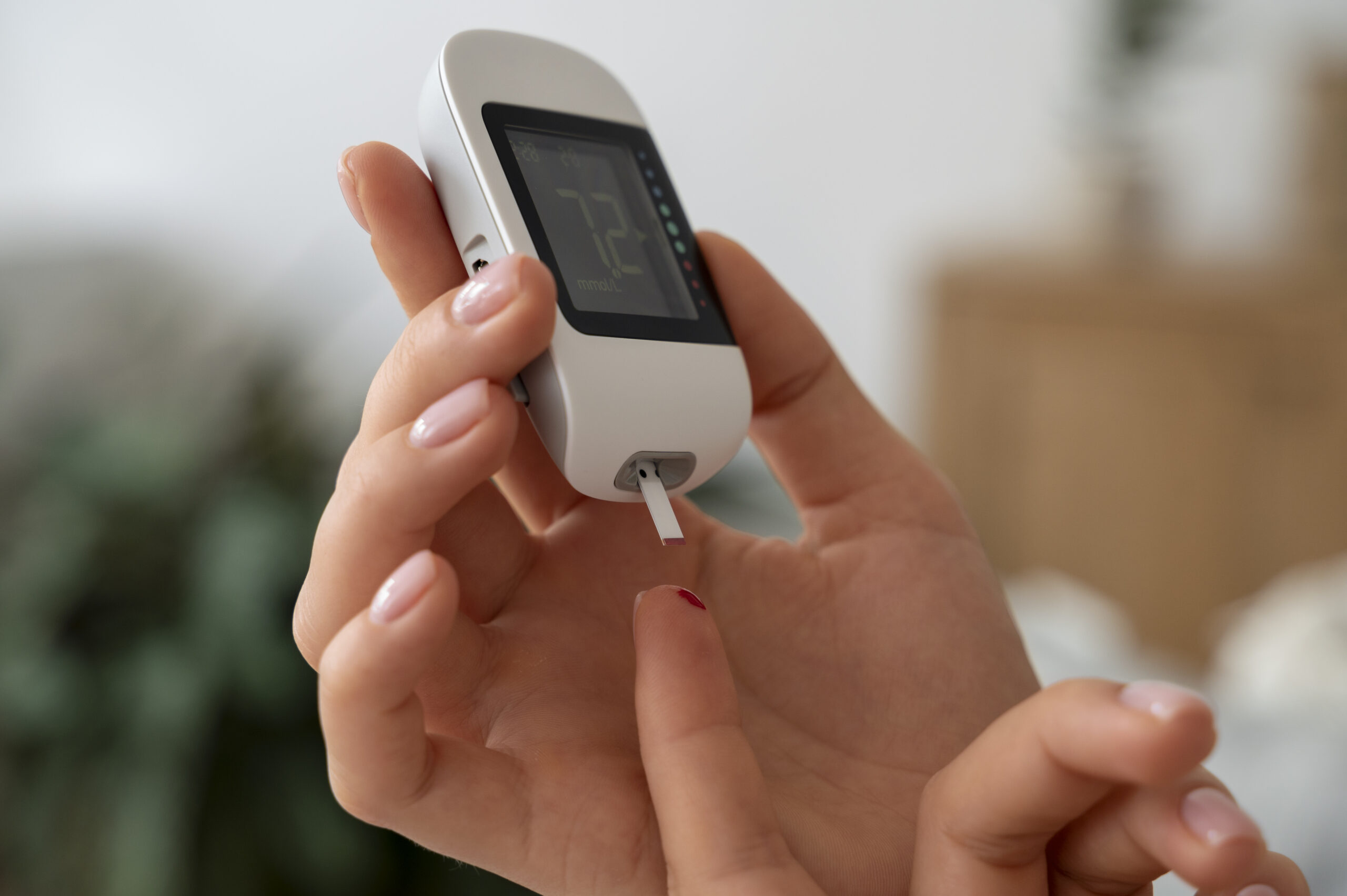
New Year Health Kick-Start full body health check-up program

New Year Health Kick-Start: The Smart Way to Understand Your Body and Transform Your Wellness in 2026

New Year Health Kick-Start: The Smart Way to Understand Your Body and Transform Your Wellness in 2026 Introduction: Why 2026 Should Be the Year You Truly Understand Your Health Every New Year arrives with hope, motivation, and a fresh set of promises to ourselves. We pledge to eat better, move more, lose weight, gain strength, or simply feel healthier. Yet, despite the best intentions, many New Year fitness resolutions fade within weeks. Why? Because most people are still guessing what their body needs, instead of making informed, data-backed decisions. That’s where a New Year health kick-start becomes more than a slogan it becomes a strategy. In 2026, health is no longer about following generic advice or trending diets on social media. It’s about understanding your body at a deeper level, identifying what works specifically for you, and building habits that last. A full body health check-up, combined with expert health consultation and a customized diet plan, provides the clarity most people are missing. This article explores how you can kick-start your health journey in 2026 the smart way through personalized insights, professional guidance, and realistic nutrition planning designed for real life. — The Problem with Generic Health Advice Why “One-Size-Fits-All” Diets Don’t Work You’ve seen them everywhere diet plans promising fast results, detox teas claiming miracles, and workout routines guaranteed to “burn fat in 10 days.” While these approaches may work temporarily for some, they fail for most because they ignore individual differences. Everybody is unique. Factors like: Age Gender Hormonal balance Metabolism Lifestyle Stress levels Medical history all influence how your body responds to food, exercise, and recovery. A customized diet plan built on your health data is far more effective than copying what worked for someone else. What Does a New Year Health Kick-Start Really Mean? A true New Year health kick-start is not about extremes. It’s about starting with awareness. Instead of asking: · “Which diet should I follow?” · “Which workout burns the most calories?” You begin by asking: · “What does my body need right now?” · “What are my nutritional gaps?” · “Are there hidden health markers I should address?” This shift from guessing to knowing is what transforms your wellness journey. — Understanding the Role of a Full Body Health Check-Up in 2026 What Is a Full Body Health Check-Up? A full body health check-up 2026 is a comprehensive assessment of your internal health markers. It typically includes: Blood tests Vitamin and mineral levels Metabolic markers Thyroid function Blood sugar and cholesterol Liver and kidney health These tests reveal insights you cannot see or feel yet they play a massive role in energy levels, weight management, immunity, and long-term health. Why You Need Health Data Before Making Resolutions Many people start January with intense workouts or restrictive diets, unaware that: They may have iron or vitamin D deficiencies Their metabolism might be under stress Hormonal imbalances could be affecting weight loss A health check-up and diet plan based on real data prevents burnout and disappointment. It allows you to build a plan that supports your body instead of fighting it. Expert Health Consultation: Turning Reports into Real Understanding Why Test Results Alone Are Not Enough Receiving a health report without guidance can feel overwhelming. Numbers, abbreviations, and ranges don’t always explain what actions you should take. That’s where expert health consultation becomes essential. A one-on-one consultation helps you: Understand what each marker means Identify priority areas for improvement Avoid unnecessary panic or misinterpretation Create realistic, achievable health goals This human element is what bridges the gap between information and transformation. How Expert Guidance Improves Long-Term Results When an expert reviews your health data, they consider: Your lifestyle and daily routine Your food preferences and cultural habits Your fitness level and time availability This results in advice that is practical, sustainable, and aligned with your life not an idealized version of it. How Expert Guidance Improves Long-Term Results When an expert reviews your health data, they consider: Your lifestyle and daily routine Your food preferences and cultural habits Your fitness level and time availability This results in advice that is practical, sustainable, and aligned with your life not an idealized version of it. The Power of a Customized Diet Plan What Makes a Diet Truly Personalized? A customized diet plan is not just a calorie chart. It is a nutrition roadmap designed specifically for you. A truly personalized plan considers: Your health report findings Your weight and body composition goals Food preferences (vegetarian, non-vegetarian, etc.) Work schedule and family commitments Local food availability (especially important in India) This is why personalized nutrition plan India searches are rising people want solutions that fit their culture and lifestyle. Why Customized Nutrition Beats Trend Diets Trend diets often fail because they: Are hard to maintain Ignore nutrient deficiencies Create guilt around food Don’t adapt as your body changes A personalized plan evolves with you. As your health improves, your diet adjusts accordingly making it a long-term solution, not a temporary fix. Why Personalization Matters Across Life Stages Your health needs at 25 are different from your needs at 35 or 45. Pregnancy, parenthood, career stress, and aging all influence your body’s requirements. A New Year health kick-start based on real insights ensures your plan matches your current life stage not an outdated goal. Kick-Start Your Health Without Extreme Measures Small Changes, Big Impact Health transformation doesn’t require drastic steps. With the right guidance, small consistent actions can deliver powerful results. Examples include: Correcting vitamin deficiencies Adjusting meal timing Improving protein intake Supporting gut health These targeted changes often deliver more results than extreme dieting or overtraining. Kick-Start Your Health Without Extreme Measures Small Changes, Big Impact Health transformation doesn’t require drastic steps. With the right guidance, small consistent actions can deliver powerful results. Examples include: Correcting vitamin deficiencies Adjusting meal timing Improving protein intake Supporting gut health These targeted changes often deliver more results than extreme dieting or overtraining. Sustainable Habits vs Short-Term Motivation Motivation fades.

New Year Health Kick-Start: The Smart Way to Understand Your Body and Transform Your Wellness in 2026 Read More »

Mom practicing somatic breathing for stress relief

Somatic Healing 101 How Moms Can Release Stress Stored in the Body 

Somatic Healing 101: Why Your Body Holds Stress and How to Release It Motherhood is beautiful but let’s be honest, it’s also intense. From interrupted sleep to mental overload, many moms feel stressed even when their mind knows everything is okay. That’s because stress doesn’t just live in your thoughts it lives in your body.  Welcome to somatic healing, one of the biggest wellness trends of 2026, and a powerful tool every mom should know about.  What Is Somatic Healing? Somatic healing focuses on the connection between the body and the nervous system, rather than relying only on mindset work or talk therapy. The word somatic comes from the Greek word soma, meaning body.  Instead of asking:  “Why do I feel stressed?”  Somatic wellness asks:  “Where does my body feel unsafe, tense, or overloaded?”  For moms, this approach is life-changing because much of our stress is stored physically, not mentally.  Why Your Body Holds Stress (Especially as a mom) Your nervous system’s job is to keep you safe. When it senses danger emotional or physicality activates the fight, flight, or freeze response.  As a mom, your body may interpret these as “threats”:  Chronic lack of sleep  Emotional labour and mental load  Postpartum changes  Constant multitasking  Never fully “resting”  Even when the moment passes, your body may stay stuck in survival mode, holding tension in places like:  Jaw and neck  Shoulders and upper back  Hips and pelvic floor  Stomach and chest  This is why relaxing your mind alone doesn’t always work.  Why Somatic Wellness Is a 2026 Trend In 2026, wellness is shifting from “think positive” to “feel safe in your body.”  Research-backed somatic practices are gaining popularity because they:  Support nervous system regulation  Improve emotional resilience  Reduce burnout and anxiety  Help moms feel grounded faster than traditional methods  For busy moms, somatic exercises work because they’re simple, quick, and body-based no extra mental effort required.  Somatic Exercises for Stress Relief (Mom-Friendly & Simple) You don’t need an hour or special equipment. Try these gentle somatic practices anywhere.    Physiological Sigh (Instant Calm) Best for: Overwhelm, anxiety, irritability  How to do it:  Inhale through your nose  Take a second short sip of air  Slowly exhale through the mouth  Repeat 2–3 times  This signals safety to your nervous system within seconds.    Body Scanning for Nervous System Health Best for: Feeling disconnected or numb  How to do it:  Close your eyes  Slowly scan your body from head to toe  Notice sensations without judgment  Gently breathe into tense areas  Awareness alone helps release stored stress.    Gentle Shaking (Somatic Release) Best for: Built-up tension and fatigue  How to do it:  Stand and lightly shake your arms, legs, and shoulders  Breathe freely  Continue for 30–60 seconds  This mimics how animals release stress naturally.    Grounding Through Touch Best for: Emotional regulation  How to do it:  Place one hand on your chest and one on your belly  Apply gentle pressure  Breathe slowly for 1–2 minutes  This is especially helpful for overstimulated moms.    Somatic Healing for Moms: Why It Works  Unlike forcing calm, somatic healing:  Works with your body, not against it  Helps release stress you didn’t know you were holding  Builds long-term nervous system resilience  Fits into real mom life  You don’t need to be perfectly calm you just need to feel safe enough.    How to Start a Somatic Wellness Routine (Even with Kids Around) Start with 1–2 minutes a day  Pair exercises with daily habits (after brushing teeth, before bed)  Choose feeling better, not doing it “right”  Remember: consistency beats intensity  Your body has been protecting you it just needs permission to rest.  Final Thoughts: Healing Doesn’t Have to Be Mental As moms, we often push through stress instead of releasing it. Somatic healing reminds us that our bodies are wise and when we listen, real healing happens.  In 2026 and beyond, wellness isn’t about doing more. It’s about coming back into your body.  Your nervous system deserves that care. 💛  FAQs Loved the Post? Share It!
Somatic Healing 101 How Moms Can Release Stress Stored in the Body  Read More »

Gentle postpartum yoga for new moms at home

Postpartum Fitness Guide: Safe Exercises for New Moms

Postpartum Fitness Guide: Safe Exercises for New Moms Postpartum Fitness Guide: Safe Exercises for New Moms Bringing a baby into the world is an incredible journey but it also places significant demands on your body. Whether you’re weeks or months postpartum, easing back into movement safely is essential for long-term health, strength, and confidence. This postpartum fitness guide is designed to support your post-baby fitness journey with gentle, effective exercises that promote healing, strength, and sustainable mom fitness recovery. Understanding Postpartum Recovery Before You Exercise Your body needs time to heal after pregnancy and delivery. Hormonal shifts, stretched abdominal muscles, pelvic floor changes, and fatigue all play a role in how and when you should exercise. Before starting any postpartum fitness routine, always: Get clearance from your healthcare provider Listen closely to your body Avoid pain, pressure, or leaking during movement Recovery isn’t about rushingit’s about rebuilding safely. Safe Exercises After Pregnancy: Where to Start Low-impact movement is the foundation of safe exercises after pregnancy. These activities improve circulation, reduce stiffness, and gently reintroduce strength. Best beginner-friendly options include: Walking (short, steady walks with or without a stroller) Gentle postpartum yoga for flexibility and stress relief Postnatal stretching to reduce back and hip tension Breathing-based mobility exercises These movements support healing without overwhelming your recovering body. Postpartum Core Strengthening & Diastasis Recti Exercises Your core isn’t just about absit includes deep muscles that support posture and stability. Postpartum core strengthening should focus on rebuilding from the inside out, especially if you’re dealing with abdominal separation. Effective diastasis recti exercises include: Deep diaphragmatic breathing Heel slides and bent-knee marches Modified dead bugs Standing core engagement exercises Avoid crunches and planks early on, as they can worsen separation. Pelvic Floor Exercises for Moms The pelvic floor plays a critical role in bladder control, posture, and overall strength. Targeted pelvic floor exercises for moms help prevent leaks and improve core stability.   Key pelvic floor movements: Proper Kegels (lifting, not squeezing) Pelvic tilts Coordinated breath + pelvic floor engagement Functional exercises like sit-to-stand Consistency matters more than intensity. Belly Tightening After Pregnancy & Postpartum Weight Loss Postpartum weight loss and belly tightening after pregnancy happen gradually. There’s no quick fix but there is a healthy, sustainable path. Focus on: Gentle strength training Core and pelvic floor engagement Daily movement (even short sessions count) Adequate nutrition and hydration Remember: healing comes first, and weight loss follows when your body is ready. Staying Motivated on Your Post-Baby Fitness Journey Your post-baby fitness journey isn’t about “bouncing back “it’s about moving forward with strength and compassion. Tips for long-term success: Set realistic, flexible goals Celebrate small wins Choose workouts you enjoy Rest when your body asks for it Progress looks different for every mom and that’s perfectly okay. Final Thoughts on Mom Fitness Recovery A safe and effective postpartum fitness routine supports healing, confidence, and long-term well-being. By prioritizing proper core work, pelvic floor health, and gentle movement, you’re building a strong foundation for life beyond postpartum. Your body has done something extraordinary now it deserves patience, care, and support. 💖 FAQs Loved the Post? Share It!

Postpartum Fitness Guide: Safe Exercises for New Moms Read More »

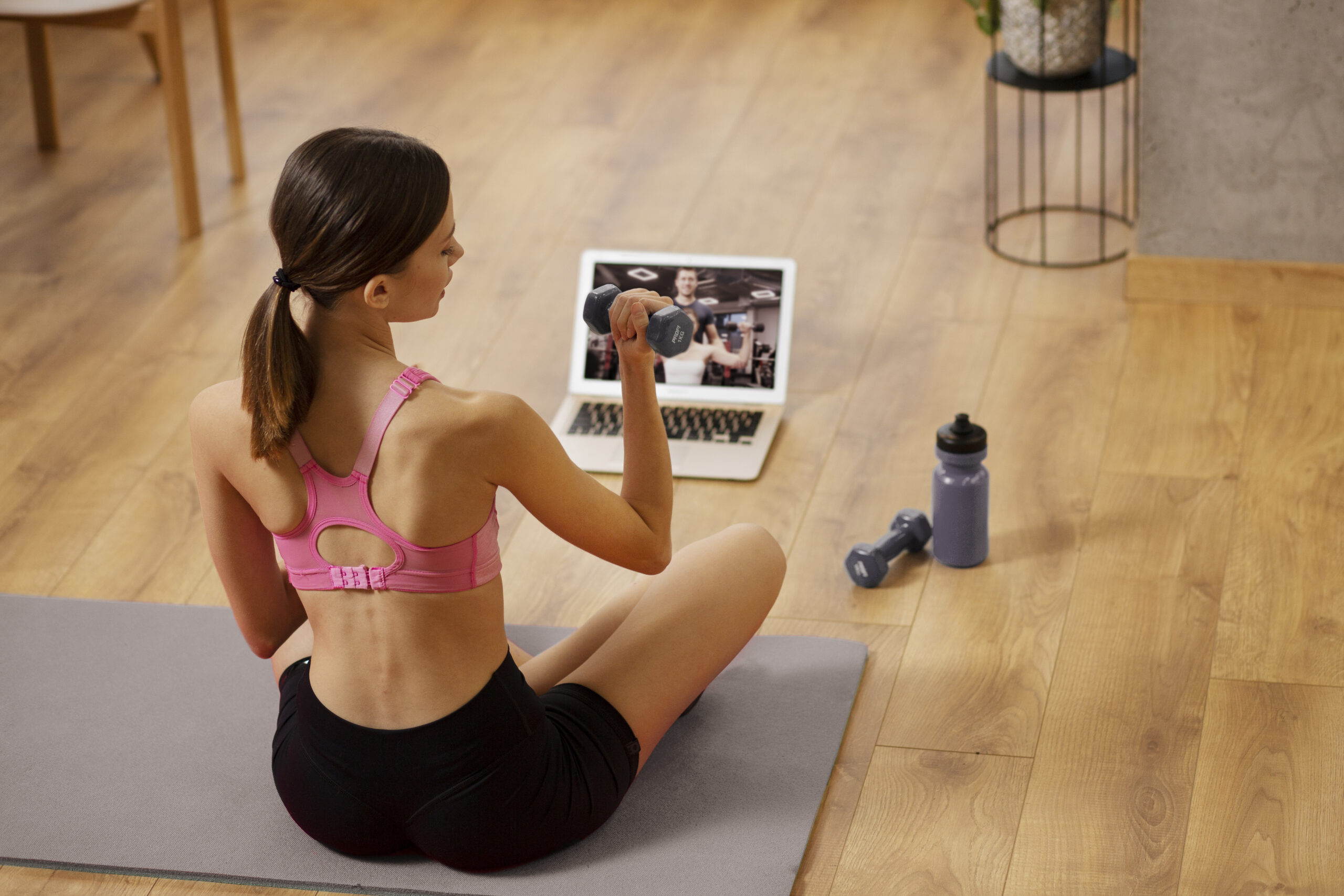
10 min workout for woman

10-Minute Home Workouts for Busy Moms

10-Minute Home Workouts for Busy Moms Between feeding schedules, household chores, and family responsibilities, finding time to work out can feel impossible for moms. But here’s the good news: you don’t need an hour at the gym to stay fit. Just 10 minutes a day can boost your energy, improve mood, and keep you healthy.  This guide will show you quick, equipment-free 10-minute workouts perfect for busy moms, plus how Fitmom Club, makes fitness easier, fun, and more sustainable for mothers everywhere.  Why 10-Minute Workouts Work for Moms Time-efficient: Fits into nap times or before school runs  Boosts energy: A quick sweat can refresh you more than coffee  Reduces stress: Endorphins help balance mood swings  Consistency-friendly: Easier to commit to daily than long sessions  Studies show that short, consistent workouts are just as effective for long-term fitness as longer, infrequent ones.  10-Minute Home Workout Routine for Moms No fancy equipment needed, just a yoga mat and some space!  Warm-Up (2 minutes)  Arm circles  Neck rolls  March in place  Circuit (6 minutes) – Do each move for 40 seconds, rest 20 seconds, then  move on.  Squats: Strengthen legs & glutes  Modified Push-ups: Build upper body strength  Glute Bridges: Great for core & lower back  Mountain Climbers (Low-Impact Option: Step Climbers): Cardio boost  Standing Side Crunches: Strengthen obliques & waistline  Plank (Knee or Elbow Modification): Builds core stability  Cool Down (2 minutes)  Forward fold stretch  Cat-cow pose  Deep breathing  If you have more time, repeat the circuit once more for a 20-minute burn!  Quick Fitness Hacks for Busy Moms Sneak workouts into your day (squats while brushing teeth, lunges while cooking)  Involve kids, turn playtime into active time  Schedule workouts like appointments, non-negotiable self-care  Choose consistency over intensity, 10 minutes daily beats 1 hour once a week  How Fitmom Club Helps Busy Moms Stay Fit At Fitmom Club, we know time is a luxury for moms. That’s why our platform is designed to make fitness simple and achievable:  Quick Workout Plans: 10-minute guided routines you can follow at home  Video Demonstrations: Easy-to-follow moves with modifications for beginners  Flexible Scheduling: Workouts you can do anytime, anywhere, with zero equipment  Mom Community Support: Motivation and accountability from other moms who “get it”  Progress Tracking: Celebrate milestones, no matter how small  With Fitmom Club, fitness isn’t overwhelming, it’s manageable, mom-friendly, and fun.  FAQs

10-Minute Home Workouts for Busy Moms Read More »

postpartum fitness- safe workout for new moms

Postpartum Fitness: Safe Workouts for New Moms 

Postpartum Fitness: Safe Workouts for New Moms Motherhood is a beautiful journey, but it also brings major physical and emotional changes. After childbirth, many moms want to feel strong and fit again, but jumping into intense workouts too soon can do more harm than good. Postpartum fitness is about healing, rebuilding strength, and regaining confidence safely.  This guide explains when to start postpartum workouts, safe exercises to try, what to avoid, and how Fitmom Club supports moms in their fitness journey.  When Can You Start Exercising After Pregnancy? Every woman’s recovery is different. Some may feel ready in weeks, while others need more time. Always listen to your body and consult your doctor.  Vaginal Delivery: Gentle walking and pelvic floor exercises can usually start after a few weeks. C-Section Delivery: Recovery may take 6–8 weeks or more. Wait for medical clearance before exercising.  Remember: Your postpartum journey is unique, there’s no rush.  Benefits of Postpartum Fitness Boosts energy levels  Strengthens pelvic floor & core muscles  Supports weight management naturally  Reduces stress and improves mood  Enhances overall confidence & body positivity  Safe Postpartum Workouts for New Moms  Walking : Gentle, low-impact, and stroller-friendly. Start with 10–15 minutes daily. Pelvic Floor Exercises (Kegels) : Helps rebuild pelvic strength and prevents leakage. Deep Core Breathing : Activates deep abdominal muscles, aiding recovery from diastasis recti. Glute Bridges : Strengthens the back, core, and glutes. Resistance Band Workouts : Safe and effective for toning arms and improving posture. Exercises to Avoid in Early Stages High-impact cardio (running, jumping, HIIT)  Crunches, sit-ups, or planks  Heavy lifting too soon  Deep abdominal stretches  How Fitmom Club Helps in Safe Postpartum Workouts At Fitmom Club, we understand the challenges new moms face in balancing recovery, fitness, and motherhood. Our platform offers:  Expert-Guided Programs: Safe, science-backed workout plans designed specifically for postpartum recovery.  Nutrition Guidance: Easy, healthy meal plans tailored to support healing and energy.  Flexible Home Workouts: Short, effective routines that fit into a mom’s busy schedule.  Supportive Community: Connect with other moms who are on the same journey, sharing motivation and encouragement.  Progress Tracking: Tools to help you set realistic goals and celebrate small wins.  With Fitmom Club, you don’t just get a fitness plan, you get a complete support system that helps you heal, grow stronger, and feel confident again after childbirth.  Tips for Moms Starting Fitness Again Get medical clearance before exercising  Start slow & stay consistent  Stay hydrated & eat nutrient-rich foods  Involve your baby in workouts  Celebrate small progress instead of chasing perfection  FAQs

Postpartum Fitness: Safe Workouts for New Moms  Read More »

13 Low-Calorie Snack Recipes for Weight Loss

13 Low-Calorie Snack Recipes for Weight Loss Hey, your weight loss process becomes longer when you have no idea how to curb your low-calorie snacks or you are low on time to prepare such snack recipes and are extremely hungry. During such times you end up eating any food available at your home. Most of the time it is store-bought or high-calorie foods. Today we are listing a few snack recipes you can make at home for weight loss. What are those snack recipes? You can make a variety of these recipes at your home and store them for weeks. This will make your weight loss journey easier and avoid your junk food and processed food intake. Let’s jump in to know more about it. Fruit Parfait Fruit Parfait – 13 low-calorie snack recipes you can make at home for weight loss Fruit parfait is the simplest and most delicious dish to make. It is high in fiber and contains 84 calories per 100 grams. It is one of the best snacks for weight loss because it is simple to prepare and takes very little time. Because it contains naturally occurring sugars from fruits, it can also be used to satisfy a sweet tooth. Ingredients    Yogurt – 1 Cup Fruits – 1 Cup (Mixed) Granola – 1 Cup Honey – Optional Method  In a bowl, spread yogurt on the bottom. Layer the fruits and yogurt over top. Sprinkle granola on top. Serve with a squirt of honey (Optional). Banana Smoothie Banana Smoothie – 13 low-calorie snack recipes you can make at home for weight loss What one doesn’t enjoy a banana smoothie? Everyone wants a taste of the delicious fruity beverage. Bananas are widely available and require little preparation time. Despite its moderate carbohydrate content, it is the best snack for weight loss when consumed at the right time. Because it is abundant in fiber, it suppresses hunger sensations, allowing you to consume fewer calories. Ingredients    Banana – 1 Pc Milk- 100 ml Yogurt –100 gm. Vanilla essence – 1/4tsp Ice cubes Method  Combine all of the ingredients in a blender and blend until smooth. To thicken the smoothie, add ice cubes. Almonds or any other dry fruit can be added. Peanut Butter Peanut Butter – 13 low-calorie snack recipes you can make at home for weight loss Yes, definitely peanut butter comes on the list of healthy snacks to make at home. You don’t have to buy it next time you want to eat peanut butter. You can make it at home easily. All you need is a handful of peanuts to eat this delicious and nutritious spread. 1TBSP contains 4gm of protein. They are good in fiber and high in protein with an abundant amount of good fats.  Ingredients    Grind the roasted peanuts in a food processor. Grind till they are extremely soft and creamy. You can store it at room temperature for a week. Method  In a bowl, spread yogurt on the bottom. Layer the fruits and yogurt over top. Sprinkle granola on top. Serve with a squirt of honey (Optional). Overnight Oatmeal Overnight Oatmeal – 13 low-calorie snack recipes you can make at home for weight loss Oatmeal is not only easiest to make but it is extremely healthy and an ideal snack for weight loss. 1 Cup of oatmeal contains 308kcal, 5.3gm of fat, 55gm of carbohydrate, and 11gm of protein. This can fill up your stomach and keep your hunger pangs away for hours long. This can help you avoid eating junk foods and keep your weight under check. Ingredients    Oats – 1 Cup Milk – 300ml Honey – 1TBSP Chia Seeds – 1TBSP Cinnamon – a pinch Method  Take a jar and fill it with milk and add one cup of oats. Add honey, a pinch of cinnamon, and chia seeds. Soak it overnight and eat it the next day. Baked Banana Chips Baked Banana Chips – 13 low-calorie snack recipes you can make at home for weight loss When we hear chips the one thing that pops up in our mind is calories. Lots of it. But what if we switch the deep frying to baking? It completely reduces the calorie content when oil is removed from the picture. Chips can be stored for weeks and remain fresh making them the best snack to make at home. Banana-baked chips are easy to exchange for fried chips.  Ingredients    Raw Banana – 2 Pc Black pepper – ¼ TSP Olive Oil – 1TBSP Salt – As per taste Method  Slice raw banana in a bowl and fill it with cold water. Add salt, Black pepper powder, and mix well. Bake the chips for 20min – 25min. Vegetable Salad Vegetable Salad – 13 low-calorie snack recipes you can make at home for weight loss It is an easy way to add vegetables to your meal plan. As vegetable salad requires no time to make, and you can also make the salad with any vegetable stocked up in your fridge. This makes it on the list of healthy snacks to make at home. Ingredients    Cucumber – 1 Pc Tomato- 1 Pc Iceberg lettuce – ½ flower Parsley – a few twigs Olive Oil – 1 TSP Vinaigrette – 1 TSP Salt – a pinc Method  Wash all the vegetables and cut them into small pieces. Add the cut vegetables to a bowl and add Olive oil, salt, and vinaigrette. Relish your low-calorie tasty snack at home. Roasted Bengal Gram Roasted Bengal Gram -13 low-calorie snack recipes you can make at home for weight loss Bengal grams are rich in protein and fiber, making them the best snack for weight loss. They are high in calories, protein, healthy fats, carbs, minerals, and vitamins, among other things. They can be cooked in a variety of ways, but the simplest is to roast Bengal gram, which can be stored in an airtight container for weeks. Ingredients    Bengal Gram – 1 Cup Salt – 1 Cup Method  Rinse a cup of Bengal gram

13 Low-Calorie Snack Recipes for Weight Loss Read More »

Scroll to Top