

FitMom Club

Women Health

seasonal-eating-guide-for-families

Seasonal Eating Guide for Families: Spring, Summer, Autumn & Winter Nutrition 

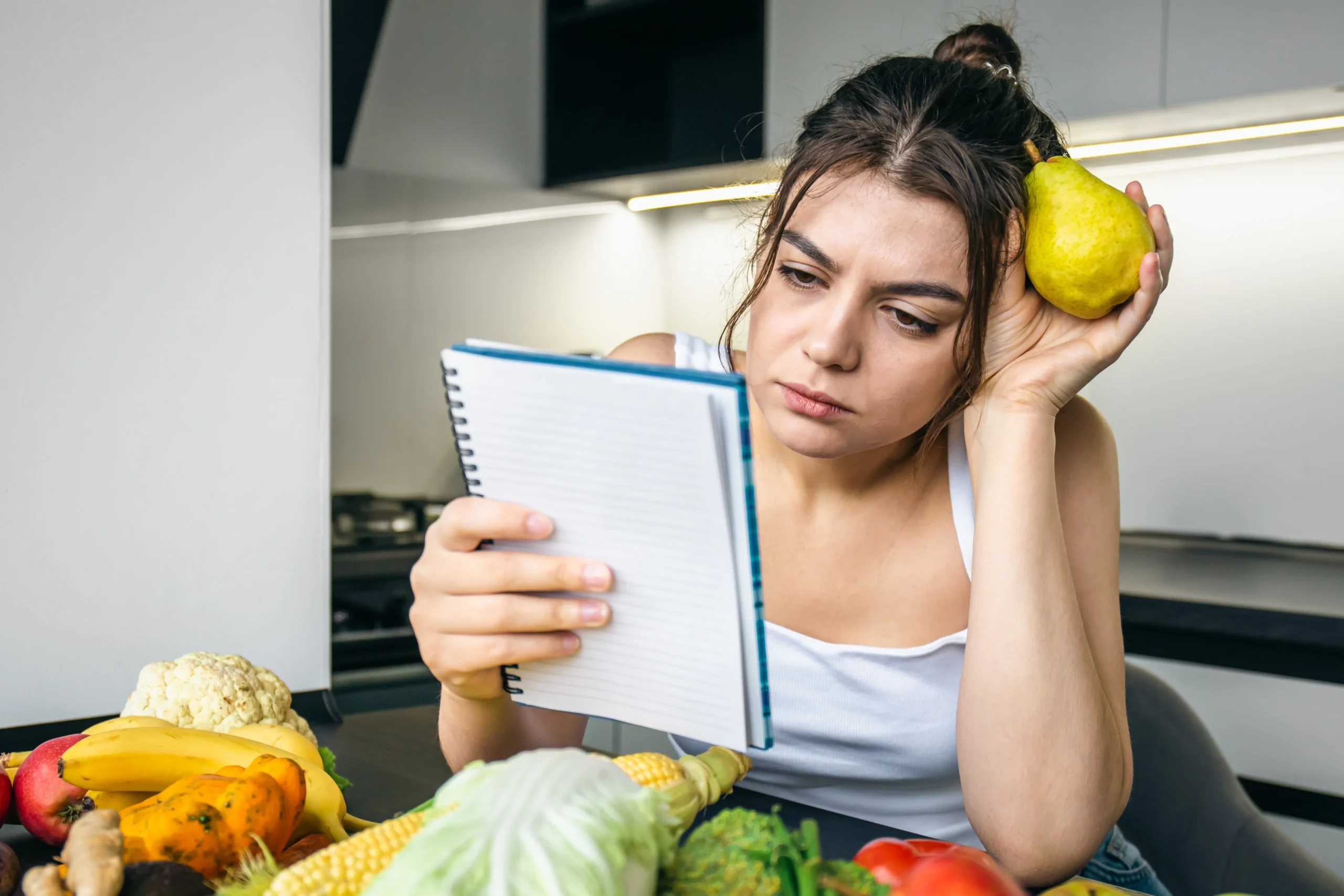
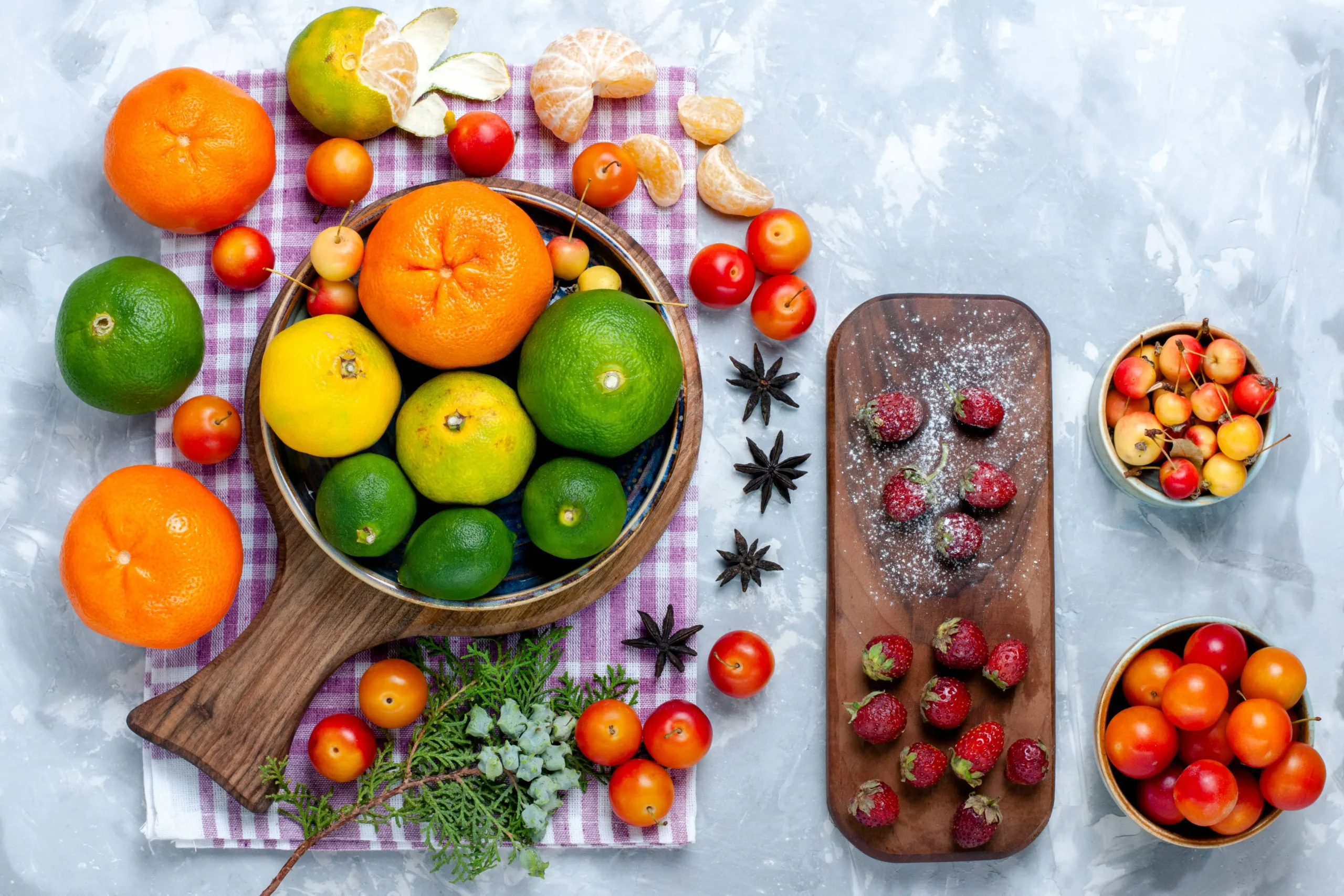
Seasonal Eating for Families: A Complete Year-Round Nutrition Guide Eating with the seasons isn’t a trendy wellness buzzword it’s how humans have thrived for centuries. Long before supermarkets stocked strawberries in December, families naturally aligned their meals with what grew locally and seasonally. And guess what? Modern science is catching up.  Seasonal eating supports better digestion, stronger immunity, balanced metabolism, and simpler meal planning especially for busy moms juggling work, kids, and life. When you eat foods grown in their natural season, they’re often more nutrient-dense, more affordable, and more flavourful.  According to the World Health Organization, freshly harvested produce can retain significantly higher vitamin and antioxidant levels compared to foods stored or transported long distances. Translation? More nutrition with less effort.  This long-form guide walks you through spring, summer, autumn, and winter seasonal eating, explaining:  What foods shine in each season  Why your body craves them  Science-backed health benefits  Practical meal-prep strategies  Simple calls to action for real life  Let’s dive in season by season.  Why Seasonal Eating Matters More Than You Think Seasonal eating works with your body instead of against it.  Here’s why it’s so powerful:  Higher nutrient density: Produce harvested at peak ripeness contains more vitamins and antioxidants  Improved digestion: Seasonal foods match your body’s digestive capacity in that climate  Hormonal balance: Nature provides warming foods in cold months and cooling foods in hot months  Budget-friendly: In-season foods cost less and taste better  Environmental win: Less transport, less storage, lower carbon footprint  In short, your body already knows what it needs seasonal food just listens.  Spring – Seasonal Eating: Fresh, Light & Rejuvenating Spring is nature’s reset button. After winter’s heavier meals, your body naturally craves foods that are lighter, water-rich, and cleansing.  Spring produce helps:  Reduce bloating  Support liver detox pathways  Replenish micronutrients depleted over winter  Research cited by the World Health Organization shows that locally harvested spring vegetables may retain up to 30% more vitamin C compared to long-stored produce.  Best Spring Foods & Why They Matter Asparagus  Signals the body to shed winter heaviness  Supports detox and digestion  Rich in folate, vitamin K, and iron  Peas  Sweet, crisp, and high in soluble fiber  Help “reset” gut motility  Provide plant protein and vitamin C  Radishes  Peppery compounds stimulate digestion  Natural diuretic great for bloating  High in vitamin C and potassium  Strawberries  Early antioxidant powerhouse  Help counter winter oxidative stress  Rich in anthocyanins and manganese  Spinach & Leafy Greens  Replenish iron and folate stores  Support energy and blood health  Scientific Insight: A 2023 review indexed on PubMed found that early-season leafy greens can contain up to 40% more folate than later harvests.    Spring Meal-Prep Tips for Busy Moms Quick stir-fry: Asparagus + peas + radish, cooked 3–4 minutes  Overnight oats: Greek yogurt, chia seeds, oats, strawberries  Batch-blanch greens: Freeze for smoothies and soups  Herb-infused water: Mint + cucumber for gentle detox  Freezer pesto cubes: Instant flavor, zero stress  These strategies save time while preserving nutrients win-win.  Spring Health Benefits Backed by Science Metabolism boost: Protein-rich starts increase calorie burn during digestion  Gut-brain support: Fiber feeds beneficial bacteria producing mood-supporting butyrate  Immune resilience: Vitamin C enhances white blood cell function  Hydration: Spring vegetables deliver up to 90% water by weight    Summer – Seasonal Eating: Hydration & Cooling Summer nutrition is all about hydration, cooling, and simplicity. When temperatures rise, digestion weakens slightly, and the body prioritizes fluid balance.  According to the American Dietetic Association, water-rich fruits and vegetables can provide up to 90% hydration by weight.  Top Summer Foods That Beat the Heat Watermelon  Natural electrolyte replenisher  Rich in citrulline and lycopene  Cucumber  Mild diuretic, reduces bloating  High in silica and potassium  Tomatoes  Lycopene becomes more bioavailable when cooked  Supports heart and skin health  Bell Peppers  Vitamin C powerhouse  Supports collagen and immunity  Berries  Fight oxidative stress  Feed gut-friendly bacteria  Fresh Herbs (Mint, Basil)  Aid digestion  Provide cooling effect without calories    Summer-Friendly Meal Prep Ideas Hydrating smoothie: Watermelon + berries + mint  Salad-in-a-jar: Cucumber, peppers, tomatoes, protein  Grilled veggie packets: Minimal prep, maximum flavor  Citrus herb water: Helps curb sugary drink cravings  Frozen yogurt berry bites: Kid-approved, probiotic-rich  Science-Backed Summer Benefits Electrolyte balance: Potassium prevents cramps  Gut health: Berry fiber improves microbiome diversity  Skin protection: Lycopene + beta-carotene reduce UV damage  Metabolism: Mild spices increase calorie burn without overheating    Autumn – Seasonal Eating: Warmth & Grounding As days shorten, your body naturally seeks warm, grounding foods. Autumn produce supports steady energy, immune resilience, and blood sugar balance.  The National Institute of Nutrition reports that fall-harvested produce often contains higher levels of fat-soluble vitamins like beta-carotene.  Best Autumn Foods for Comfort & Health Sweet potatoes: Complex carbs + vitamin A  Butternut squash: Creamy, fiber-rich  Carrots: Satisfy sweet cravings naturally  Beets: Improve circulation  Apples & pears: Stabilize blood sugar  Kale & Swiss chard: Bone-strengthening vitamin K  Warm spices: Cinnamon, nutmeg, clove boost metabolism  Autumn Meal-Prep Made Easy Roasted veggie trays: Cook once, eat all week  Apple-cinnamon overnight oats: Comfort without sugar crashes  Soup batches: Freeze for busy nights  Spiced nuts: Metabolism-friendly snacks  Freezer stir-fry mixes: Instant nutrition  Autumn Science Highlights Blood sugar control: Cinnamon improves insulin sensitivity  Gut immunity: Fiber fuels beneficial bacteria  Anti-inflammatory effects: Eugenol in spices eases joint discomfort  Circulation: Beets increase nitric oxide production  Winter – Seasonal Eating: Nourishment & Comfort Winter calls for deep nourishment. Cold weather increases calorie needs and immune demands.  The World Health Organization notes that regular vitamin C intake can reduce cold duration by up to 20%. Frequently Asked Questions Busy Moms Ask Do I need supplements? No. Whole foods work beautifully. Supplements are optional, not required. What if I work out first thing in the morning? A small snack (banana, yogurt, or smoothie) helps but post-workout nutrition becomes even more important. Is it okay to eat late at night after workouts? Yes. Recovery matters more than the clock. Best Winter Foods for Immunity & Energy Brassicas: Cabbage, broccoli, cauliflower  Citrus fruits: Mood-lifting vitamin C  Pomegranate: Antioxidant-rich  Nuts & seeds: Hormone-supporting fats  Whole grains: Steady energy  Warming spices: Ginger, cinnamon, clove  Winter Comfort Cooking Tips One-pot stews: Minimal cleanup  Citrus-glazed salmon: Immune + omega-3 boost  Overnight oats with pomegranate: Fiber-rich breakfast  Warm spiced milk: Supports sleep  Energy balls: Easy snacks for kids  Winter Health Benefits Explained Immune defense: Vitamin C boosts white blood cells  Mood support: Polyphenols support serotonin production  Hormonal balance: Magnesium regulates stress hormones  Thermogenesis: Spices increase warmth naturally  Sleep quality: Tryptophan supports melatonin synthesis  Conclusion: Eat With the Seasons, Live with More Ease Seasonal eating isn’t restrictive it’s liberating. When you let nature guide your plate, meals become simpler, tastier, and more nourishing.  By aligning your family’s diet with the seasons:  Digestion improves  Immunity strengthens  Energy stabilizes  Cooking stress decreases  Start small. Pick one seasonal vegetable this week. Try one new recipe. Notice how your body responds.  Nature already knows

Seasonal Eating Guide for Families: Spring, Summer, Autumn & Winter Nutrition  Read More »

· Simple pre-workout food ideas at home

Why You Need Pre- and Post-Workout Food: The Busy Mom’s Complete, Science-Backed Guide

You Need Pre- and Post-Workout Food: Why The Busy Mom’s Complete, Science-Backed Guide Introduction: Fitness Fuel for Real Life (Yes, Mom Life Counts) Hey there, busy mom! Whether you’re squeezing in a 20-minute HIIT session before school drop-off or lifting weights after the kids finally fall asleep, your workouts matter and so does what you eat around them. Think of food as both fuel and repair. Pre-workout nutrition is the gas in your tank, while post-workout food is the pit crew that fixes the wear and tear. Skipping either one is like driving cross-country without stopping for gas or maintenance. You might make it, but the ride will be rough and eventually, you’ll stall. In this long-form, mom-friendly guide, we’ll break down: Why pre- and post-workout food is essential What science actually says (without the jargon) Exactly what to eat before and after workouts Fast, realistic meal ideas for busy schedules Common mistakes that sabotage results How to fuel workouts for fat loss, strength, and energy This is not about perfection. It’s about simple, smart nutrition that fits your real life. Why Pre-Workout Nutrition Matters More Than You Think 1. Glycogen Top-Up: Your Body’s Preferred Fuel Your muscles store carbohydrates as glycogen, which is the main fuel source during exercise. When glycogen levels are low, your body struggles to keep up with demands, and workouts feel harder than they should. According to the World Health Organization, starting exercise with depleted glycogen can reduce performance and increase fatigue. Translation for moms: If you haven’t eaten in hours and jump into a workout, your body is running on fumes.   2. Stable Blood Sugar = Better Energy and Focus Low blood sugar during workouts can lead to: Dizziness Shakiness Brain fog Sudden energy crashes A small carb-protein snack 30–60 minutes before exercise helps stabilize glucose levels, keeping your energy steady. The American Dietetic Association emphasizes that balanced pre-exercise nutrition supports endurance and mental focus.   3. Muscle-Protein Priming for Better Results Even a modest dose of protein before exercise (around 5–10 grams) can kick-start muscle-protein synthesis. Research published on PubMed shows that protein intake before resistance training enhances muscle repair and growth. Bottom line: A light pre-workout snack: Fuels muscles Protects lean mass Improves workout quality What to Eat Before Your Workout (Simple & Mom-Approved) Here’s a quick, realistic breakdown of what works bestno fancy supplements required.   Goal Example (30–60 min before) Why It Works Quick carbs + protein ½ banana + 1 Tbsp peanut butter Fast glucose + protein slows digestion Sustained energy Small bowl of oatmeal with chia seeds Slow-release carbs, gut-friendly Light protein boost ½ cup Greek yogurt + granola Protein primes muscles Plant-based option Whole-grain toast + avocado Complex carbs + healthy fats Time-pressed tip: Prepare grab-and-go snacks the night before so you’re never tempted to skip fueling. Common Pre-Workout Nutrition Mistakes Moms Make Let’s clear these upon judgment here. ❌ Skipping food to “burn more fat” This often backfires, leading to weaker workouts and muscle loss. ❌ Eating too much too close to exercise Heavy meals right before training can cause bloating and discomfort. ❌ Relying only on caffeine Coffee alone won’t fuel muscles. Energy drinks without nutrients = crash city. Why Post-Workout Nutrition Is Non-Negotiable 1. Replenishing Glycogen Stores After exercise, muscles are primed to absorb carbohydrates. Research shows glycogen replenishment is fastest within 30–60 minutes post-workout, often called the anabolic window. A systematic review on PubMed confirms that timely carb intake speeds recovery and improves performance in subsequent workouts.     2. Repairing and Rebuilding Muscle Tissue Strength training creates tiny micro-tears in muscle fibers (this is normal and good). Protein provides the amino acids your body needs to repair and strengthen those fibers. The National Institute of Nutrition recommends 15–25 grams of protein after exercise for active adults.   3. Rehydration and Electrolyte Balance Sweat doesn’t just remove water it also depletes: · Sodium · Potassium · Magnesium The American Dietetic Association highlights that replacing fluids and electrolytes post-workout reduces fatigue and soreness. What to Eat After Your Workout for Maximum Recovery The Ideal Post-Workout Formula Protein: 15–25 g Carbohydrates: Aim for a 3:1 carb-to-protein ratio Healthy fats: Small amounts for nutrient absorption Micronutrients: Veggies and fruits for antioxidants Great Protein Options Grilled chicken or turkey Eggs or egg whites Tofu or tempeh Lentils or chickpeas Whey or plant-based protein powder Smart Carb Choices Quinoa Brown rice Sweet potatoes Oats Fruit Sample Post-Workout Plate Chicken tandoori (1 cup) + quinoa (½ cup) + roasted broccoli (1 cup) + lemon drizzle Simple. Balanced. Effective. Pre- vs Post-Workout Nutrition: A Quick Comparison Timing Primary Purpose Focus Nutrients Pre-workout Fuel & performance Carbs + light protein Post-workout Recovery & repair Protein + carbs + fluids Both matters. Skipping one limits the other. Fueling for Different Fitness Goals For Fat Loss Eat enough carbs to train well Keep protein high to preserve muscle Avoid under-fueling (it stalls progress) For Strength & Muscle Prioritize protein before and after workouts Don’t fear carbsthey support heavy lifting For Energy & Stress Management Balanced meals reduce cortisol spikes Consistent fueling improves mood and sleep Practical Nutrition Tips for Busy Moms ✔ Batch-Cook Proteins Cook chicken, tofu, or lentils on weekends. Store portions for quick meals. ✔ Overnight Oats or Chia Pudding Perfect pre-workout fuel ready when you are. ✔ Smoothie Hack Protein powder + frozen banana + spinach + coconut water = recovery in under 2 minutes. ✔ One-Pan Veggie Roasts Sweet potato, zucchini, bell peppers + olive oil = instant carb side. ✔ Hydration Reminder Keep a water bottle nearby. Add cucumber or mint for flavor. How Consistent Fueling Improves Long-Term Health Regular pre- and post-workout nutrition supports: Hormonal balance Bone density Lean muscle mass Metabolic health Sustainable energy This isn’t just about workouts it’s about aging strong and feeling capable. Frequently Asked Questions Busy Moms Ask Do I need supplements? No. Whole foods work beautifully. Supplements are optional, not required. What if I work out first thing in

Why You Need Pre- and Post-Workout Food: The Busy Mom’s Complete, Science-Backed Guide Read More »

10 min workout for woman

10-Minute Home Workouts for Busy Moms

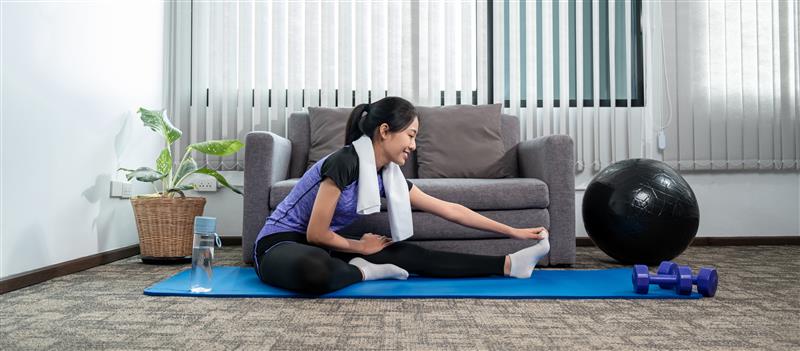
10-Minute Home Workouts for Busy Moms Between feeding schedules, household chores, and family responsibilities, finding time to work out can feel impossible for moms. But here’s the good news: you don’t need an hour at the gym to stay fit. Just 10 minutes a day can boost your energy, improve mood, and keep you healthy.  This guide will show you quick, equipment-free 10-minute workouts perfect for busy moms, plus how Fitmom Club, makes fitness easier, fun, and more sustainable for mothers everywhere.  Why 10-Minute Workouts Work for Moms Time-efficient: Fits into nap times or before school runs  Boosts energy: A quick sweat can refresh you more than coffee  Reduces stress: Endorphins help balance mood swings  Consistency-friendly: Easier to commit to daily than long sessions  Studies show that short, consistent workouts are just as effective for long-term fitness as longer, infrequent ones.  10-Minute Home Workout Routine for Moms No fancy equipment needed, just a yoga mat and some space!  Warm-Up (2 minutes)  Arm circles  Neck rolls  March in place  Circuit (6 minutes) – Do each move for 40 seconds, rest 20 seconds, then  move on.  Squats: Strengthen legs & glutes  Modified Push-ups: Build upper body strength  Glute Bridges: Great for core & lower back  Mountain Climbers (Low-Impact Option: Step Climbers): Cardio boost  Standing Side Crunches: Strengthen obliques & waistline  Plank (Knee or Elbow Modification): Builds core stability  Cool Down (2 minutes)  Forward fold stretch  Cat-cow pose  Deep breathing  If you have more time, repeat the circuit once more for a 20-minute burn!  Quick Fitness Hacks for Busy Moms Sneak workouts into your day (squats while brushing teeth, lunges while cooking)  Involve kids, turn playtime into active time  Schedule workouts like appointments, non-negotiable self-care  Choose consistency over intensity, 10 minutes daily beats 1 hour once a week  How Fitmom Club Helps Busy Moms Stay Fit At Fitmom Club, we know time is a luxury for moms. That’s why our platform is designed to make fitness simple and achievable:  Quick Workout Plans: 10-minute guided routines you can follow at home  Video Demonstrations: Easy-to-follow moves with modifications for beginners  Flexible Scheduling: Workouts you can do anytime, anywhere, with zero equipment  Mom Community Support: Motivation and accountability from other moms who “get it”  Progress Tracking: Celebrate milestones, no matter how small  With Fitmom Club, fitness isn’t overwhelming, it’s manageable, mom-friendly, and fun.  FAQs

10-Minute Home Workouts for Busy Moms Read More »

postpartum fitness- safe workout for new moms

Postpartum Fitness: Safe Workouts for New Moms 

Postpartum Fitness: Safe Workouts for New Moms Motherhood is a beautiful journey, but it also brings major physical and emotional changes. After childbirth, many moms want to feel strong and fit again, but jumping into intense workouts too soon can do more harm than good. Postpartum fitness is about healing, rebuilding strength, and regaining confidence safely.  This guide explains when to start postpartum workouts, safe exercises to try, what to avoid, and how Fitmom Club supports moms in their fitness journey.  When Can You Start Exercising After Pregnancy? Every woman’s recovery is different. Some may feel ready in weeks, while others need more time. Always listen to your body and consult your doctor.  Vaginal Delivery: Gentle walking and pelvic floor exercises can usually start after a few weeks. C-Section Delivery: Recovery may take 6–8 weeks or more. Wait for medical clearance before exercising.  Remember: Your postpartum journey is unique, there’s no rush.  Benefits of Postpartum Fitness Boosts energy levels  Strengthens pelvic floor & core muscles  Supports weight management naturally  Reduces stress and improves mood  Enhances overall confidence & body positivity  Safe Postpartum Workouts for New Moms  Walking : Gentle, low-impact, and stroller-friendly. Start with 10–15 minutes daily. Pelvic Floor Exercises (Kegels) : Helps rebuild pelvic strength and prevents leakage. Deep Core Breathing : Activates deep abdominal muscles, aiding recovery from diastasis recti. Glute Bridges : Strengthens the back, core, and glutes. Resistance Band Workouts : Safe and effective for toning arms and improving posture. Exercises to Avoid in Early Stages High-impact cardio (running, jumping, HIIT)  Crunches, sit-ups, or planks  Heavy lifting too soon  Deep abdominal stretches  How Fitmom Club Helps in Safe Postpartum Workouts At Fitmom Club, we understand the challenges new moms face in balancing recovery, fitness, and motherhood. Our platform offers:  Expert-Guided Programs: Safe, science-backed workout plans designed specifically for postpartum recovery.  Nutrition Guidance: Easy, healthy meal plans tailored to support healing and energy.  Flexible Home Workouts: Short, effective routines that fit into a mom’s busy schedule.  Supportive Community: Connect with other moms who are on the same journey, sharing motivation and encouragement.  Progress Tracking: Tools to help you set realistic goals and celebrate small wins.  With Fitmom Club, you don’t just get a fitness plan, you get a complete support system that helps you heal, grow stronger, and feel confident again after childbirth.  Tips for Moms Starting Fitness Again Get medical clearance before exercising  Start slow & stay consistent  Stay hydrated & eat nutrient-rich foods  Involve your baby in workouts  Celebrate small progress instead of chasing perfection  FAQs

Postpartum Fitness: Safe Workouts for New Moms  Read More »

How Does PCOS Affect Your Life?

How Does PCOS Affect Your Life? PCOS – Polycystic ovary syndrome is a health problem that affects one out of every ten women of childbearing age and is caused by an excess of the male hormone androgens in a woman’s ovaries. Nowadays poor eating habits, poor nutritional choices, lack of physical activity, and a sedentary way of life have paved the way for numerous health concerns like PCOS, PCOD, thyroid, and diabetes. Women with this health disorder have infrequent or prolonged menstrual periods, hormonal imbalances, and metabolism problems that may affect their overall health and brings up fertility issues. What can be the symptoms of PCOS? PCOS’s actual cause is undisclosed. However, understanding the effects is important for the betterment and improving the quality of your life. Controlling your symptoms can help you live a healthy life. Infertility caused by PCOS is also a frequent and curable condition. Early detection and treatment, as well as weight loss, may lower the risk of long-term consequences, including type 2 diabetes and heart disease. And it is distinguished by six major traits. They are… irregular periods, abnormal hair development, acne breakouts, unhealthy weight gain, difficulties in pregnancy, and mental health implications Irregular periods: PCOS affects your menstruation because it causes a hormonal imbalance in your ovaries. This implies you’d either miss multiple periods in a row or have them too regularly.  Abnormal Facial Hair: Women with PCOS have abnormal hair development in odd areas, including the chin, sides of the face, chest, nipples, abdomen, and inner thighs. This is generally caused by an increase in the levels of the male hormone androgen. It also affects your hair, making it thinner or more prone to falling out. Acne Breakouts: Increased male hormones cause a rise in adult acne in many parts of the body, including the face, chest, and back. This type of acne cannot be treated with typical acne medications. Unhealthy weight gain Around 80% of women with PCOS have weight swings, with most of them gaining. The weight gain is usually concentrated in the abdomen and is caused by insulin resistance in the body.  Difficulties in Pregnancy PCOS makes becoming pregnant difficult since it disrupts your period cycle through irregular periods or a lack of ovulation and is frequently associated with infertility. Related post: Is infertility becoming more common among young individuals? Mental health implications Women with PCOS are more likely to suffer from mood disorders such as anxiety and depression  An excess of androgens may create mental health problems. Women are frequently distressed by these hormones due to the weight gain, hair growth, and infertility they cause. What happens if PCOS is not treated? Fat accumulation in the liver High blood pressure High blood sugar levels Abnormal cholesterol levels Diabetes type 2 Bleeding in the uterus But it can be effectively managed only by lifestyle changes. Sustain a Healthy Weight Obesity is a problem for the majority of PCOS women. In order to bring it under control, you should maintain a healthy body weight. Adopt a Healthy Diet Avoiding carbs can help you lower your insulin levels. Instead, consume healthful carbs that slowly and steadily build your blood sugar levels. Physically active Engage in physical activity every day to lower your blood sugar levels. Aim for at least 30–40 minutes of exercise every day. Follow VMax.fit to know more about our fitness programs to manage and control your PCOS, PCOD, or thyroid health concerns. Thanks for Reading!!!

How Does PCOS Affect Your Life? Read More »

PMS

PMS IS NOT A JOKE? PMS SYMPTOMS

PMS IS NOT A JOKE? PMS SYMPTOMS What is PMS? You will most likely notice signs that your menstrual cycle is approaching. For most women, it’s nothing to worry about—maybe sensitive breasts or a sweet tooth. But on the other hand, some find these last few days before their period are harder. You may have PMS (premenstrual syndrome) if it interferes with your regular life. PMS is a pretty common condition. Around 48 percent of women of reproductive age experience PMS, with about 20 percent experiencing symptoms severe enough to disrupt their daily routine. Menstruation is a normal part of life. There are methods to control PMS symptoms if that is a problem for you. PMS is a collection of changes that can harm you on several levels. PMS symptoms can be physical, emotional, or behavioural in nature. Changes occur one to two weeks before your menstruation. It will go away once your period begins, or shortly thereafter. What does PMS do to a woman? There are many different signs and premenstrual symptoms of PMS, including mood swings during the period, sensitive breasts, food cravings, exhaustion, irritability, and depression. Premenstrual syndrome is thought to have affected up to three out of every four menstruating women. PMS symptoms may be reduced by lifestyle modifications and medication. Physical signs Bloated tummy Cramps Tender breasts Hunger Headache Muscle aches Joint pain Swollen hands and feet Pimples Weight gain Constipation or diarrhoea Emotional signs Tense or anxious Depressed Crying Mood swings Can’t sleep Don’t want to be with people Feel overwhelmed or out of control Angry outbursts Behavioural signs Forget things Loss of mental focus Tired Self-diagnosable Mood swings during the period, tender breasts, food cravings, exhaustion, irritability, and depression are all premenstrual symptoms that are self-treatable. Women may also experience  Areas of pain: the breast, belly, back, joints, muscles, and pelvis Gastrointestinal symptoms: constipation, diarrhoea, nausea, passing large volumes of gas, or water retention. Whole body: changes in appetite, extreme hunger, weariness, or loss of appetite. Mood: anxiety or overall discontent. Is PMS just a period? Premenstrual syndrome (PMS) is more than just a premenstrual condition; it is a collection of premenstrual symptoms that many women experience a week or two before their period. Women experience PMS symptoms such as bloating, headaches, and moodiness. It is usually at its worst 4 days before menstruation. PMS normally resolves 2 to 3 days after the start of menstruation. Cause of PMS Despite the fact that PMS is common, experts don’t know what causes it. It’s most likely due to changes in your body chemistry around the time of your menstruation. Some factors have an impact on PMS but do not cause it. Premenstrual symptoms can be triggered or worsened if you: Smoking  Lack of physical activity. Lack of sleep. Too much alcohol, salt, red meat, or sugar. Depression Women who have various health issues may notice that they worsen before their menstruation. Migraine headaches, asthma, and allergies are a few examples. What Can I Do to Deal with PMS? There are several methods for dealing with PMS. Even if you can’t completely solve things, it’s comforting to know you have the ability to help yourself. These suggestions may be useful: Keep track of your feelings and symptoms. Exercise for 30 minutes every day. Consume nutritious foods such as whole grains, fruits, and vegetables. Make an effort to obtain adequate calcium from meals (think dairy, green leafy vegetables, and canned salmon). Stay away from salt, coffee, and alcohol. Don’t smoke. Get enough sleep. Work to reduce stress. Would you like to take a consultation call from us? Kindly fill out the below form Use this healthy treat as a sweetnesshttps://docs.google.com/forms/u/1/d/1ph_oxZLapsfJYyy3xCuh2iOgt-V6NjaKLGb76TxsFPo/edit?ts=628df80f#responses in your diet.

PMS IS NOT A JOKE? PMS SYMPTOMS Read More »

infertitility

Is infertility just a woman’s problem?

Is infertility just a woman’s problem? No, infertility is not always a female issue. Infertility can affect both men and women. Infertility in men: One in seven couples is infertile. Male infertility can be caused by poor sperm production, defective sperm function, or sperm delivery clogs. Male infertility can be caused by illnesses, injuries, chronic health issues, lifestyle choices, and other conditions.     Inability to have a child can be stressful and depressing, but a variety of natural lifestyle solutions for male infertility are available. Even if you are undergoing IUI therapy, you must follow this natural lifestyle routine.  Symptoms: Change in hair growth Sexual desire varies Testicular pain, bulge, or swelling Erection and ejaculation problems Testicles are small and solid A lack of smell Causes of male infertility: In general, male infertility is related to the following issues: Efficient sperm production. Sperm count, is often known as the quantity of sperm. The shape of the sperm Sperm movement These issues are exacerbated by stress, alcohol consumption, smoking, junk foods, and a lack of exercise and meditation. Although it only takes one sperm to fertilize an egg but the journey there might be difficult. The greater your sperm count, the higher your chances. You must release healthy sperm: Initially, this includes the development of male reproductive organs throughout puberty. At least one of your testicles must be working correctly, and your body must create testosterone and other hormones to initiate and sustain sperm production.  Sperm must be transported into the semis: Once sperm are formed in the testicles, it is transported through delicate tubes until it combines with semen and is ejaculated out of the penis.  There must be enough sperm in the semen: If the amount of sperm in your semen is low, the chances of fertilizing your partner’s egg are reduced. A low sperm count is defined as less than 15 million sperm per mL of semen or less than 39 million sperm per ejaculate.  Sperm must be functional and active: If your sperm’s motility or function is poor, it may be unable to reach or enter your partner’s egg.  Risk factors: Drug use Anabolic drugs used to increase muscle strength and development might shrink the testicles and reduce sperm production. Cocaine and marijuana use may temporarily lower the number and quality of your sperm.  Smoking Men who smoke may have lower sperm counts than nonsmokers. Secondhand smoking may potentially have an impact on male fertility.  Use of alcohol Alcohol use can diminish testosterone levels, promote erectile dysfunction, and reduce sperm production, which leads to infertility. Excessive drinking can cause liver damage, which can affect fertility.  Being overweight or obese Obesity can affect fertility in a multitude of ways, including directly affecting sperm and generating hormone changes that lower male fertility.  So, how about masturbation? You’ve probably heard that excessive masturbation can lower the sperm count. However, no research has found this to be true. You can ejaculate every day and, with a good diet & workout, you will still have good sperm quality.  How Obesity Affects IUI Success: Being overweight causes mild male factor infertility. Obese couples are experiencing unexplained infertility. Insufficient sperm production. Poor sperm count. In addition to that, You can fill out the form to get our exclusive Ebooks https://docs.google.com/forms/d/1ph_oxZLapsfJYyy3xCuh2iOgt-V6NjaKLGb76TxsFPo/edit?ts=628df80f

Is infertility just a woman’s problem? Read More »

Scroll to Top