


Leaking, Pain, or Weak Core? Every Mom Needs to Read This
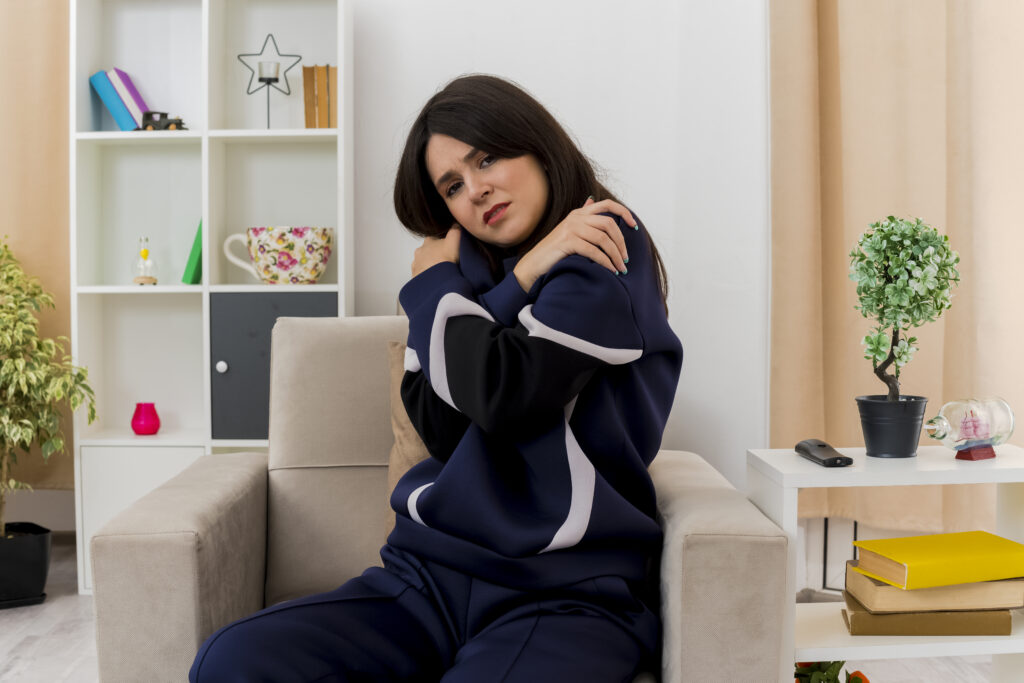
Introduction: Pelvic floor health for moms is often ignored, even though it affects daily comfort, confidence, and strength.
Leaking when you laugh. Pain during workouts. A core that feels disconnected. These symptoms are common but they are not normal.
Your body deserves support, not silence.
Why So Many Moms Experience These Symptoms
Pregnancy and childbirth place significant pressure on the pelvic floor muscles. These muscles support:
The bladder
The uterus
The bowel
Core stability
After delivery, especially without proper rehabilitation, weakness or imbalance can develop.
This may lead to:
Urinary leakage
Lower back pain
Pelvic discomfort
Abdominal separation (diastasis recti)
Feeling unstable during exercise
Pelvic floor health for moms is foundational not optional.
The Core Is More Than Abs
Many moms try to “fix” weakness by doing crunches or intense ab workouts.
But the core includes:
Deep abdominal muscles
Diaphragm
Pelvic floor
Lower back stabilizers
If the pelvic floor is weak or over-tight, traditional ab exercises can worsen symptoms.
True core strength starts deeper.
Why Leaking Is a Red Flag
Urinary leakage during sneezing, jumping, or running is often brushed off as “just part of motherhood.”
It is not.
It is a signal that pelvic floor muscles need support.
Ignoring it can lead to:
Increased dysfunction over time
Avoidance of exercise
Reduced confidence
Pelvic floor health for moms improves both physical and emotional wellbeing.
Pain During Workouts Is Not Normal
Pelvic or lower abdominal pain during exercise may indicate:
Muscle imbalance
Poor breathing mechanics
Excessive intra-abdominal pressure
Before increasing intensity, restoring pelvic floor function is essential.
The Role of Breathing
Most moms overlook breathing.
Proper diaphragmatic breathing helps:
Activate deep core muscles
Reduce pressure on the pelvic floor
Improve stability
Try this simple reset:
Inhale deeply through the nose.
Allow ribs and belly to expand.
Exhale slowly while gently lifting pelvic floor muscles.
Small changes create powerful results.
Safe Ways to Rebuild Strength
Pelvic floor health for moms improves with:
Controlled core exercises
Glute strengthening
Posture correction
Gradual load progression
Examples include:
Dead bugs
Glute bridges
Side-lying leg lifts
Modified planks
Avoid jumping or high-impact workouts until stability improves.
When to Seek Professional Support
If symptoms persist, consult:
Pelvic floor physical therapists
Women’s health specialists
Professional guidance accelerates recovery and prevents long-term issues.
Early support makes a difference.
Long-Term Benefits of Prioritizing Pelvic Floor Health
When moms rebuild properly, they experience:
Stronger core stability
Reduced back pain
Improved posture
Greater confidence during workouts
Better long-term resilience
Healing does not mean weakness. It means rebuilding intelligently.
Conclusion
Pelvic floor health for moms deserves attention, compassion, and proper guidance. Leaking, pain, and weak core symptoms are common but they are treatable.
At FitMom Club, we believe strength starts from the inside out. When you restore your foundation, everything above it becomes stronger.
FAQs
What is the best way to lose weight naturally?
The best natural weight-loss method includes eating whole foods, reducing portion sizes, choosing high-fiber carbs, increasing protein, staying hydrated, and being physically active.
Can I lose weight without dieting?
Yes. Weight loss is possible through mindful eating, portion control, and choosing balanced meals instead of restrictive dieting.
What foods help with weight loss?
High-protein foods (chicken, eggs, yogurt), fiber-rich foods (oats, veggies), fruits, nuts, seeds, and whole grains all support weight loss.
Are carbs bad for weight loss?
No. Carbs are essential. Choose complex carbs like oats, whole grains, and sweet potatoes because they stabilize blood sugar and keep you full longer.
How much water should I drink to lose weight?
Aim for 8–10 glasses a day. Staying hydrated helps prevent overeating, boosts metabolism, and supports digestion.
Do I need to exercise every day to lose weight?
No. Even 30 minutes of walking daily plus strength training 2–3 times a week can significantly improve fat loss.
Is high protein eating good for weight loss?
Yes. High-protein diets reduce cravings, increase satiety, and help maintain muscle while losing fat.
Loved the Post? Share It!
Book your Free Consultation Now
Just fill in the form & our Health Consultant will get in touch with you
❌ Please fill all required fields.
✅ Thank you for submitting the form Our Health Consultant will reach out to you. Please respond to that.