


Upcycled Superfoods 2026: The NextGen Ingredients Busy Moms Need Now
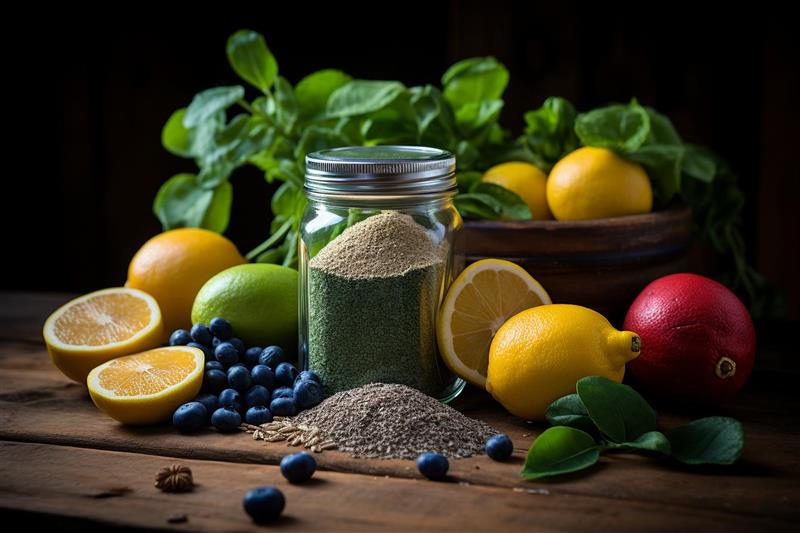
What if the most powerful superfoods of 2026 came from ingredients that once ended up in the trash? Upcycled superfoods are taking the wellness world by storm and for good reason. These nutrientdense, sustainable ingredients are not just a trend. They are a smarter way to eat for your health and the planet.
For busy moms juggling family nutrition, fitness goals, and a cleaner lifestyle, upcycled superfoods offer an exciting and practical upgrade to everyday meals. In this guide, FitMom Club breaks down what upcycled superfoods are, which ones are trending in 2026, and exactly how to start using them.
What Are Upcycled Superfoods? (And Why 2026 Is Their Moment)
Upcycled foods are made from ingredients that would otherwise go to waste during food production fruit peels, seed pulp, vegetable stems, grain husks, and more. Rather than discarding these nutrientrich byproducts, innovative food brands are transforming them into highquality, nutrientdense products.
Here is why upcycled superfoods in 2026 are getting so much attention:
- They reduce food waste by up to 40% compared to conventional ingredient sourcing
- They pack more fiber, antioxidants, and micronutrients than many conventional superfoods
- They are increasingly accessible in mainstream grocery stores and online
- They align perfectly with clean eating, zerowaste, and plantbased nutrition goals
Top Upcycled Superfoods Trending in 2026
The following are six standout upcycled ingredients that nutrition experts and wellness brands are spotlighting this year. Each one delivers remarkable health benefits andmost are easier to find than you think.
1. Watermelon Seed Protein
Coldpressed from seeds usually discarded in juice production, watermelon seed protein is a complete plantbased protein with all essential amino acids. It is rich in magnesium, zinc, and iron key nutrients often lacking in busy moms’ diets. Look for it in protein powders and seed butters.
2. Aquafaba (Chickpea Brine)
The liquid left over from canned chickpeas is a powerhouse emulsifier and protein source. Used in everything from eggfree baking to creamy sauces, aquafaba is naturally rich in saponins and soluble fiber that support gut health and cholesterol balance.
3. Cacao Fruit Pulp
Chocolate comes from the cacao bean but the surrounding fruit pulp is usually discarded. This tropical superfood is high in vitamin C, prebiotic fiber, and natural antioxidants. In 2026, expect to see cacao pulp in smoothie powders, functional juices, and wellness snack bars.
4. Spent Grain Flour
Left over from the beer and breadmaking process, spent grain flour is extraordinarily high in protein and dietary fiber. It has a nutty, wholesome flavor and works beautifully in pancakes, muffins, and homemade energy bars perfect for moms who want to boost family nutrition effortlessly.
5. Citrus Peel Extract
Coldpressed from lemon, orange, and grapefruit peel usually discarded in juicing citrus peel extracts are loaded with flavonoids, hesperidin, and vitamin C. These compounds support immune function, reduce inflammation, and promote skin health. They show up in supplements, herbal teas, and natural energy drinks.
6. Upcycled Avocado Seed Powder
The avocado seed, long thrown away, contains more antioxidants than the flesh itself. Ground into fine powder, it delivers powerful antiinflammatory compounds, soluble fiber, and natural phenolic acids. Add it to smoothies, oatmeal, or yogurt bowls for a serious nutritional boost.
How to Easily Add Upcycled Superfoods to Your Daily Routine
How to Easily Add Upcycled Superfoods to Your Daily Routine
You do not need a complete kitchen overhaul to start benefiting from these trending health ingredients. Here are four simple, momapproved ways to incorporate upcycled superfoods into everyday life:
- Swap your protein powder. Choose a blend that contains watermelon seed or spent grain protein for a sustainable, complete amino acid profile.
- Upgrade your smoothie. Add a teaspoon of upcycled avocado seed powder or cacao fruit pulp to your morning blend for an antioxidant boost.
- Bake smarter. Replace up to 30% of allpurpose flour with spent grain flour in your family’s favorite muffin or pancake recipe.
- Try functional drinks. Look for beverages featuring citrus peel extract or cacao pulp for a cleanenergy alternative to coffee.
Why FitMom Club Recommends a Sustainable Superfood Approach
At FitMom Club, we believe that what is good for your body should also be good for the planet. Choosing upcycled superfoods is one of the most impactful nutritional decisions a modern mom can make in 2026 reducing food waste while dramatically boosting the nutritional density of everyday meals.
These ingredients are not gimmicks. They are backed by food science, embraced by leading registered dietitians, and increasingly certified by the Upcycled Food Association a growing industry standard you can look for on product labels.
Internal Resource: Read our guide on “Top PlantBased Protein Sources for Active Moms in 2026” for complementary nutrition strategies.
Internal Resource: Explore our “FitMom Club 7Day Clean Eating Meal Plan” to see how to build sustainable superfood habits week by week.
Start Your Upcycled Superfood Journey Today
The best nutrition decisions are the ones that work for your life, your family, and your values. Upcycled superfoods offer all three: exceptional health benefits, environmental impact, and genuine versatility for real, busy mom life.
2026 is the year to move beyond the same old kale and chia seeds. These nextgeneration ingredients are ready to transform your wellness routine one sustainable bite at a time.
Ready to take the next step? Join the FitMom Club community today and get access to exclusive cleaneating guides, expertcurated meal plans, and the latest sustainable superfood recommendations all designed specifically for moms who want to feel their best.
Frequently Asked Questions (FAQs)
Optimized for Google featured snippets and voice search.
Q1. What are upcycled superfoods and are they safe to eat?
Upcycled superfoods are nutrientrich ingredients made from food production byproducts such as fruit peels, seed pulp, or grain husks that would otherwise be discarded. They are completely safe to eat and are increasingly certified by the Upcycled Food Association. Many are rich in fiber, antioxidants, and essential minerals, making them a healthy and sustainable addition to any diet.
Q2. What are the best upcycled superfoods for moms in 2026?
The top upcycled superfoods for moms in 2026 include watermelon seed protein (a complete plant protein), cacao fruit pulp (rich in vitamin C and antioxidants), spent grain flour (high in fiber and protein), citrus peel extract (for immune support), aquafaba (a gutfriendly egg alternative), and upcycled avocado seed powder (packed with antiinflammatory compounds).
Q3. How do upcycled foods support sustainable eating habits?
Upcycled foods help reduce food waste by utilizing ingredients that are typically discarded during food production. By choosing upcycled superfoods, consumers directly support a zerowaste food system, lower their carbon footprint, and benefit from highly nutrientdense ingredients making sustainable eating both environmentally responsible and nutritionally rewarding.
FAQs
What is the best way to lose weight naturally?
The best natural weight-loss method includes eating whole foods, reducing portion sizes, choosing high-fiber carbs, increasing protein, staying hydrated, and being physically active.
Can I lose weight without dieting?
Yes. Weight loss is possible through mindful eating, portion control, and choosing balanced meals instead of restrictive dieting.
What foods help with weight loss?
High-protein foods (chicken, eggs, yogurt), fiber-rich foods (oats, veggies), fruits, nuts, seeds, and whole grains all support weight loss.
Are carbs bad for weight loss?
No. Carbs are essential. Choose complex carbs like oats, whole grains, and sweet potatoes because they stabilize blood sugar and keep you full longer.
How much water should I drink to lose weight?
Aim for 8–10 glasses a day. Staying hydrated helps prevent overeating, boosts metabolism, and supports digestion.
Do I need to exercise every day to lose weight?
No. Even 30 minutes of walking daily plus strength training 2–3 times a week can significantly improve fat loss.
Is high protein eating good for weight loss?
Yes. High-protein diets reduce cravings, increase satiety, and help maintain muscle while losing fat.
Loved the Post? Share It!
Book your Free Consultation Now
Just fill in the form & our Health Consultant will get in touch with you
❌ Please fill all required fields.
✅ Thank you for submitting the form Our Health Consultant will reach out to you. Please respond to that.