


Collagen Loss After 35: Why Moms Are Aging Faster And How to Fight Back
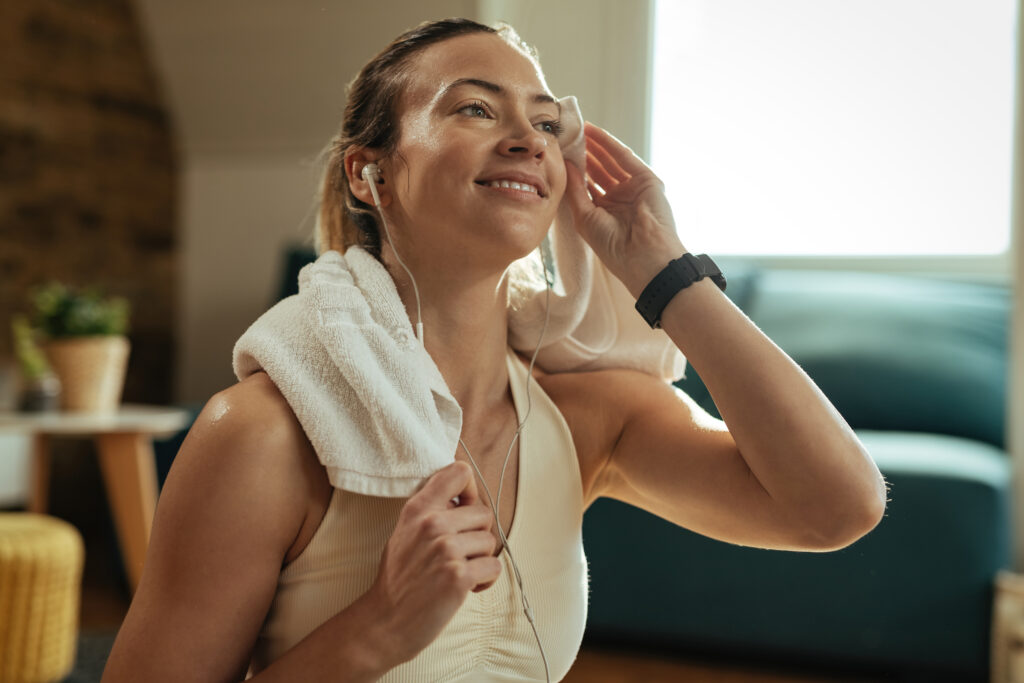
You look in the mirror and something feels… different. The fine lines around your eyes weren’t there last year. Your knees ache after a morning run that never used to bother you. Your skin doesn’t “snap back” the way it once did.
You’re not imagining it. After 35, your body begins a quiet, accelerating process called collagen collapse and for moms, it happens faster than most women realize.
What Is Collagen And Why Does It Matter So Much?
Collagen is the most abundant protein in your body. Think of it as the structural scaffolding that holds everything together your skin, joints, hair, gut lining, and even your bones.
It’s what keeps your skin firm and plump, your joints cushioned, and your body feeling resilient. And it’s disappearing faster than you think.
Here’s the hard truth:
- Your body produces 1% less collagen every year starting in your mid-20s
- After 35, that decline accelerates sharply
- By menopause, women can lose up to 30% of their skin collagen in the first 5 years
Why Moms Over 35 Are Hit Harder
Being a mom doesn’t just add to your to-do list — it actively depletes your collagen reserves. Here’s how:
1. Chronic Stress and Cortisol Spikes
Stress is a collagen killer. When cortisol stays chronically elevated (hello, school runs, sleepless nights, and career juggling), it directly breaks down collagen fibers in the skin and joints.
2. Postpartum Hormonal Shifts
Pregnancy and breastfeeding cause major drops in estrogen — the hormone that signals your body to produce more collagen. Many moms don’t realize their skin and joint changes are tied to hormonal shifts that began during pregnancy.
3. Nutritional Gaps From Busy Lifestyles
Vitamin C, zinc, glycine, and amino acids are all essential for collagen synthesis. When you’re grabbing meals on the go or skipping breakfast for the third day in a row, these critical building blocks go missing.
4. Poor Sleep Quality
Deep sleep is when your body repairs and rebuilds — including collagen production. The broken, interrupted sleep that comes with young children directly reduces your body’s overnight recovery window.
5. Sun Exposure Without Protection
UV rays break down collagen at the surface level. Active moms spending time outdoors — at the park, on school runs, at weekend sports — accumulate significant UV damage that accelerates visible aging.
The Signs You're Losing Collagen Faster Than Normal
Watch for these early signals:
Skin: Fine lines deepening, loss of firmness under the chin or around the eyes, dull complexion
Joints: Clicking, aching, or stiffness especially in the knees and hips
Hair & Nails: Increased brittleness, breakage, or slower growth
Gut Health: Leaky gut symptoms, bloating, or digestive sensitivity
Recovery Time: Longer muscle soreness after workouts than you remember
How to Rebuild Collagen Naturally Starting Today
The good news? Collagen loss is not a sentence. You can slow it, stop it, and in many cases reverse it with the right habits.
Nutrition first:
- Eat collagen-boosting foods: bone broth, eggs, leafy greens, citrus fruits, berries
- Prioritize Vitamin C daily it’s essential for collagen synthesis
Include quality protein at every meal to supply the amino acids your body needs
Supplement smartly:
- Hydrolyzed collagen peptides are the most bioavailable form
- Look for Type I and Type III collagen for skin and joints
- Combine with Vitamin C for maximum absorption
Lifestyle shifts:
- Protect your skin from UV with SPF daily — even on cloudy days
- Prioritize sleep: even one extra hour makes a measurable difference
- Manage stress actively: yoga, breathwork, or a short walk can lower cortisol levels significantly
Move your body:
- Resistance training stimulates collagen production in joints and skin
- Low-impact exercise like swimming or Pilates supports connective tissue health
You Deserve to Feel Like Yourself Again
Collagen loss after 35 is real but it doesn’t have to define how you look or feel. Moms who take proactive steps to rebuild their collagen from the inside out see meaningful differences in their skin, energy, and joint comfort.
At FitMom Club, we’re here to help you build habits that work with your life — not against it.
Ready to take the first step? Join the FitMom Club community today and access our curated wellness programs designed specifically for moms over 35.
👉 [Join FitMom Club Start Your Wellness Reset]
Internal Linking Suggestions
- “The Postpartum Hormone Reset: What No One Told You” → Links naturally from the “Hormonal Shifts” section, driving readers deeper into hormone and recovery content.
- “The FitMom 7-Day Anti-Inflammatory Meal Plan” → Links from the Nutrition section, supporting readers who want an actionable food strategy to boost collagen.
FAQ
Q1: At what age does collagen production start to decline significantly?
Collagen production begins declining gradually from your mid-20s, but the most significant drop occurs after age 35. Women can lose up to 30% of their skin collagen in the five years around menopause, making the mid-30s a critical window to start supporting collagen health proactively.
Q2: What are the best natural ways to boost collagen after 35?
The most effective natural strategies include eating collagen-supporting foods (bone broth, eggs, citrus, berries), supplementing with hydrolyzed collagen peptides, ensuring adequate Vitamin C intake, getting consistent sleep, managing stress to lower cortisol, and doing regular resistance training. Avoiding excessive sun exposure and smoking also protects existing collagen.
Q3: Can moms rebuild collagen lost during pregnancy and breastfeeding?
Yes. The collagen depletion associated with postpartum hormonal shifts is reversible with targeted nutrition, quality sleep, and consistent supplementation. Hydrolyzed collagen peptides combined with Vitamin C have been shown to support skin elasticity and joint health. Lifestyle habits that lower cortisol — like mindful movement and stress management — also support natural collagen synthesis.
FAQs
What is the best way to lose weight naturally?
The best natural weight-loss method includes eating whole foods, reducing portion sizes, choosing high-fiber carbs, increasing protein, staying hydrated, and being physically active.
Can I lose weight without dieting?
Yes. Weight loss is possible through mindful eating, portion control, and choosing balanced meals instead of restrictive dieting.
What foods help with weight loss?
High-protein foods (chicken, eggs, yogurt), fiber-rich foods (oats, veggies), fruits, nuts, seeds, and whole grains all support weight loss.
Are carbs bad for weight loss?
No. Carbs are essential. Choose complex carbs like oats, whole grains, and sweet potatoes because they stabilize blood sugar and keep you full longer.
How much water should I drink to lose weight?
Aim for 8–10 glasses a day. Staying hydrated helps prevent overeating, boosts metabolism, and supports digestion.
Do I need to exercise every day to lose weight?
No. Even 30 minutes of walking daily plus strength training 2–3 times a week can significantly improve fat loss.
Is high protein eating good for weight loss?
Yes. High-protein diets reduce cravings, increase satiety, and help maintain muscle while losing fat.
Loved the Post? Share It!
Book your Free Consultation Now
Just fill in the form & our Health Consultant will get in touch with you
❌ Please fill all required fields.
✅ Thank you for submitting the form Our Health Consultant will reach out to you. Please respond to that.