


Anti-Inflammatory Meal Prep: 7-Day Plan to Beat Fatigue for Good
Tired of dragging yourself through the day even after a full night’s sleep? You’re not imagining it. For millions of moms, persistent fatigue isn’t a willpower problem. It’s an inflammation problem.
The good news? What you eat this week can change how you feel next week. This 7-day anti-inflammatory meal prepplan is designed specifically for busy moms who want more energy, less brain fog, and real food that actually works.
What Is Inflammation and Why Should Moms Care?
Inflammation is your immune system’s natural response to stress, toxins, and injury. Short-term inflammation is protective. But when it becomes chronic triggered by processed foods, poor sleep, and constant stress it quietly drains your energy and impacts your mood, joints, and gut health.
The right anti-inflammatory diet for moms doesn’t mean restriction. It means upgrading what’s already on your plate.
The Core Anti-Inflammatory Foods to Prep This Week
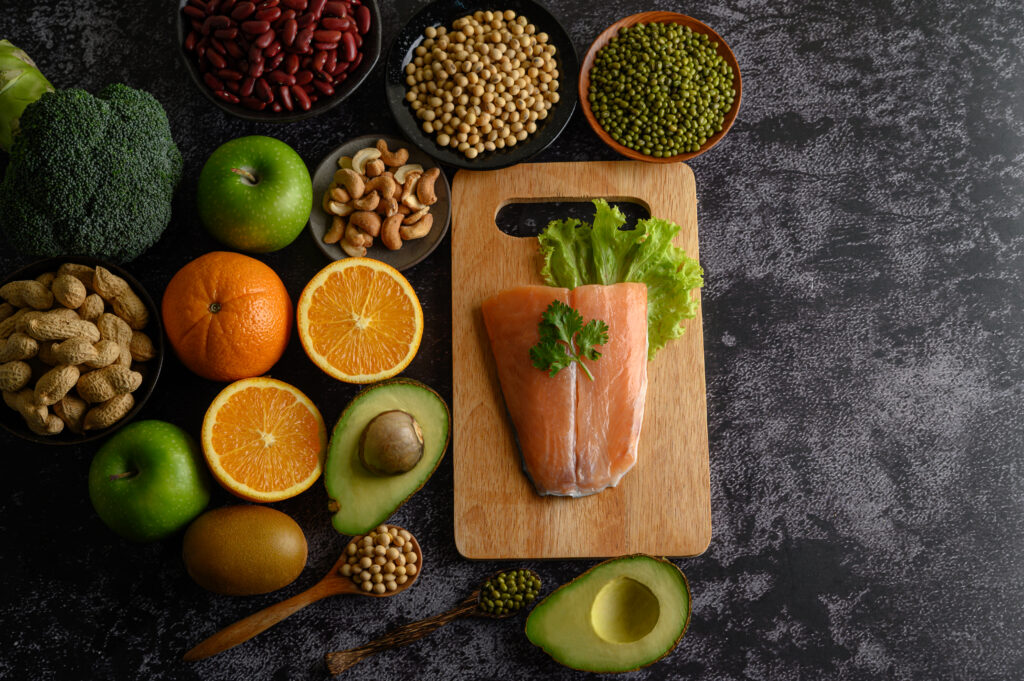
Before diving into the recipes, stock your kitchen with these powerhouse ingredients. These are the anti-inflammatory foods that will carry your entire week:
- 🫐 Berries — blueberries, strawberries (high in antioxidants)
- 🐟 Fatty fish — salmon, sardines (rich in omega-3s)
- 🥬 Leafy greens — spinach, kale, arugula
- 🫚 Extra virgin olive oil — a staple healthy fat
- 🌿 Turmeric & ginger — nature’s most potent anti-inflammatory spices
- 🥜 Nuts & seeds — walnuts, chia, flaxseed
- 🫘 Legumes — lentils, chickpeas (gut-health heroes)
- 🍫 Dark chocolate (70%+) — yes, really!
Your 7-Day Anti-Inflammatory Meal Prep Plan
Day 1–2: Energizing Foundations
Turmeric Lentil Soup A one-pot wonder loaded with turmeric, ginger, red lentils, and coconut milk. Make a big batch — it reheats beautifully and feeds your gut microbiome all week long.
Prep tip: Cook a double portion of lentils and store half plain for Day 4’s grain bowl.
Day 3–4: Omega-3 Power Meals
Baked Lemon Herb Salmon with Quinoa & Roasted Greens Salmon is one of the most effective foods that reduce inflammation thanks to its high EPA and DHA content. Pair with fiber-rich quinoa and oven-roasted spinach for a complete, energizing plate.
Prep tip: Bake 4 salmon fillets at once. Refrigerate and use in grain bowls, wraps, or salads through Day 5.
Day 5–6: Plant-Powered Reset
Chickpea & Sweet Potato Buddha Bowls A fiber-forward bowl with roasted sweet potato, spiced chickpeas, shredded kale, and a tahini-lemon drizzle. This combo supports blood sugar stability — a key factor in reducing chronic fatigue naturally.
Prep tip: Roast sweet potatoes and chickpeas in one pan to save time and dishes.
Day 7: Nourish & Restore
Berry Chia Overnight Oats + Ginger-Turmeric Smoothie End the week with an antioxidant reset. The chia seeds and berries support cellular repair, while the ginger-turmeric smoothie acts as a natural anti-inflammatory tonic to prepare your body for the week ahead.
Smart Meal Prep Tips for Busy Moms
Consistency beats perfection. Here’s how to make weekly meal prep for women actually work:
Batch-cook grains on Sunday — quinoa, brown rice, or farro last 5 days in the fridge.
Pre-wash and chop all greens so they’re grab-and-go ready.
Use mason jars for layered salads and overnight oats.
Label everything with the day it was prepped.
Double your anti-inflammatory spice blends — store in small jars for the month.
The Bottom Line: Food Is Your Fastest Fix
You don’t need to overhaul your entire life to fight fatigue. You need a plan — and a refrigerator stocked with the right fuel. This anti-inflammatory meal prep approach gives you exactly that: real food, real energy, and a real break from running on empty.
💪 Ready to Take It Further?
At FitMom Club, we believe nourished moms raise thriving families. Explore our full [Meal Planning for Moms Program] and download your free weekly template inside the FitMom Club community. Your energy comeback starts in the kitchen and we’ll be right there with you.
Frequently Asked Questions
Q1: What is the best anti-inflammatory meal prep for fatigue?
A: The best anti-inflammatory meal prep for fatigue focuses on omega-3-rich foods (like salmon), leafy greens, berries, turmeric, and fiber-rich legumes. Batch-cooking these ingredients at the start of the week ensures you have ready-to-eat, energy-supporting meals every day. Avoiding processed foods, refined sugar, and seed oils is equally important for reducing chronic inflammation that causes fatigue.
Q2: How long does it take to feel better on an anti-inflammatory diet?
A: Most women report noticeable improvements in energy, digestion, and mental clarity within 7 to 14 days of following a consistent anti-inflammatory diet. Results vary based on individual health status, gut microbiome health, sleep, and stress levels. Sticking with the plan for at least 3–4 weeks yields the most sustainable and measurable changes.
Q3: What foods should I avoid on an anti-inflammatory diet?
A: To maximize the benefits of an anti-inflammatory diet, avoid or limit: refined sugars and sweeteners, processed snack foods and fast food, vegetable/seed oils high in omega-6 (canola, soybean), refined white flour products, alcohol, and artificial additives. Replacing these with whole, nutrient-dense foods is the foundation of reducing inflammation naturally.
FAQs
What is the best way to lose weight naturally?
The best natural weight-loss method includes eating whole foods, reducing portion sizes, choosing high-fiber carbs, increasing protein, staying hydrated, and being physically active.
Can I lose weight without dieting?
Yes. Weight loss is possible through mindful eating, portion control, and choosing balanced meals instead of restrictive dieting.
What foods help with weight loss?
High-protein foods (chicken, eggs, yogurt), fiber-rich foods (oats, veggies), fruits, nuts, seeds, and whole grains all support weight loss.
Are carbs bad for weight loss?
No. Carbs are essential. Choose complex carbs like oats, whole grains, and sweet potatoes because they stabilize blood sugar and keep you full longer.
How much water should I drink to lose weight?
Aim for 8–10 glasses a day. Staying hydrated helps prevent overeating, boosts metabolism, and supports digestion.
Do I need to exercise every day to lose weight?
No. Even 30 minutes of walking daily plus strength training 2–3 times a week can significantly improve fat loss.
Is high protein eating good for weight loss?
Yes. High-protein diets reduce cravings, increase satiety, and help maintain muscle while losing fat.
Loved the Post? Share It!
Book your Free Consultation Now
Just fill in the form & our Health Consultant will get in touch with you
❌ Please fill all required fields.
✅ Thank you for submitting the form Our Health Consultant will reach out to you. Please respond to that.