


Track Hormonal Health at Home Without an Expensive Lab Panel
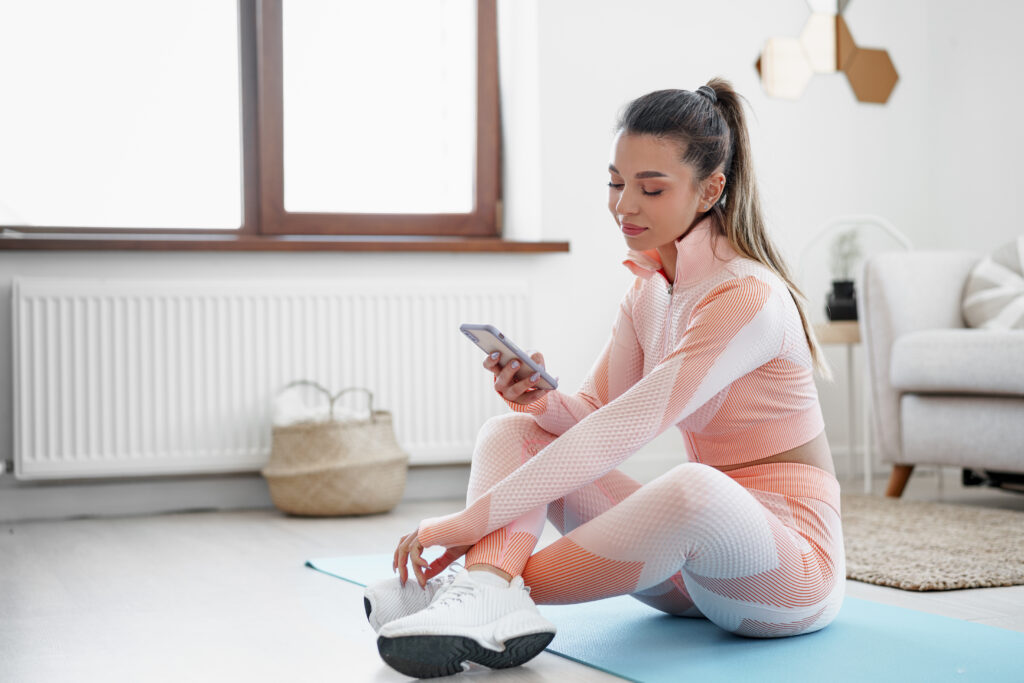
Track hormonal health at home it’s one of the most powerful things a mom can do for her wellbeing, and it costs far less than you think. If you’ve been waking up exhausted, riding an emotional rollercoaster, or watching the scale climb despite doing everything right, your hormones may be sending you urgent signals.
The good news? You don’t need a $400 blood panel to start listening. With the right tools and a little consistency, you can gather meaningful data about your estrogen, progesterone, cortisol, and more right from your own home
Why Hormonal Imbalance Hits Moms Hardest
Motherhood is biologically demanding. Pregnancy, postpartum recovery, chronic sleep deprivation, and chronic stress all disrupt your hormonal ecosystem. The key hormones to monitor include estrogen, progesterone, cortisol, thyroid hormones (T3/T4), and insulin.
Common hormonal imbalance symptoms in women include:
- Persistent fatigue that sleep doesn’t fix
- Irregular, painful, or absent periods
- Unexplained belly weight gain
- Anxiety, mood swings, or low motivation
- Brain fog and poor concentration
- Low libido and disrupted sleep cycles
5 Ways to Track Hormonal Health at Home (No Lab Required)
1. Daily Symptom Journal
Start free, start today. Log energy (110), mood, sleep quality, cycle day, skin changes, and cravings every morning. After 6090 days, powerful hormonal patterns become visible tied to your cycle, stress load, or seasonal shifts.
Pro tip: Use a notes app or a $2 notebook. Consistency beats fancy tools.
2. Basal Body Temperature (BBT) Tracking
BBT tracking reveals your progesterone levels and confirms ovulation. A sustained 0.2°C rise after ovulation means progesterone is active. A flat or low postovulation temperature is a red flag for low progesterone common during perimenopause.
Tools needed: A basal thermometer (~$12) and a free app like Tempdrop, Kindara, or Natural Cycles.
3. Cortisol Pattern Mapping
You don’t need a blood draw to spot cortisol dysregulation. Watch for these lifestyle signals:
- Waking at 24 AM consistently
- Afternoon energy crash (24 PM)
- Feeling wired but exhausted at bedtime
- Craving salty or sugary foods
- Belly fat that won’t respond to diet or exercise
Track these patterns alongside your sleep and stress diary for 4 weeks.
4. AtHome Hormone Test Kits
For real data without a clinic, athome hormone test kits are a smart middle ground. Brands like Everlywell, LetsGetChecked, and Mira offer saliva or urinebasedpanels measuring estrogen, progesterone, FSH, LH, DHEA, and cortisol. Cost: $50$150 with results in 25 days.
5. Read Your Body’s Visual Signals
Your skin, hair, and gut are realtime hormone dashboards:
- Jawline acne → elevated androgens or insulin resistance
- Scalp thinning → low thyroid or high DHT
- Dry skin and brittle nails → low estrogen
- Bloating and slow digestion → progesterone fluctuations or high cortisol
Best Free Apps to Support Your Hormone Tracking
- Clue or Flo period & symptom cycle tracking
- Natural Cycles BBT and ovulation confirmation
- MyFitnessPal nutrition patterns and blood sugar links
- Oura Ring / Apple Watch sleep and HRV as cortisol proxies
- Google Sheets build your own personal hormone dashboard
FAQ Featured Snippet Optimized
Q1: Can I track hormonal health at home accurately without a blood test?
Yes. While blood tests give clinical precision, consistent symptom journaling, BBT tracking, athome urine or saliva kits, and visible body signals (skin, hair, digestion) provide highly actionable hormonal data. Tracking these daily for 6090 days produces trend data your doctor can also use.
Q2: What are the first signs of hormonal imbalance in moms?
The most common early signs include unexplained fatigue, irregular periods, mood swings, belly weight gain, poor sleep quality, low libido, brain fog, and skin or hair changes. They often appear gradually which is exactly why regular selftracking is so valuable.
Q3: How long before I can see hormonal patterns at home?
Most women identify reliable hormonal patterns within 23 full menstrual cycles (6090 days). The more consistent your daily entries and sametime BBT readings, the faster and clearer your patterns will become.
Your Hormones Are Talking Start Listening Today
You don’t need a white coat or a big lab bill to understand what your body is telling you. The five methods above let you track hormonal health at home with nothing more than a $12 thermometer, a journal, and 10 minutes a day.
Start with one method this week. Add another next month. The data you collect will not only empower your own wellbeing it will make every future conversation with your healthcare provider more informed and productive.
FAQs
What is the best way to lose weight naturally?
The best natural weight-loss method includes eating whole foods, reducing portion sizes, choosing high-fiber carbs, increasing protein, staying hydrated, and being physically active.
Can I lose weight without dieting?
Yes. Weight loss is possible through mindful eating, portion control, and choosing balanced meals instead of restrictive dieting.
What foods help with weight loss?
High-protein foods (chicken, eggs, yogurt), fiber-rich foods (oats, veggies), fruits, nuts, seeds, and whole grains all support weight loss.
Are carbs bad for weight loss?
No. Carbs are essential. Choose complex carbs like oats, whole grains, and sweet potatoes because they stabilize blood sugar and keep you full longer.
How much water should I drink to lose weight?
Aim for 8–10 glasses a day. Staying hydrated helps prevent overeating, boosts metabolism, and supports digestion.
Do I need to exercise every day to lose weight?
No. Even 30 minutes of walking daily plus strength training 2–3 times a week can significantly improve fat loss.
Is high protein eating good for weight loss?
Yes. High-protein diets reduce cravings, increase satiety, and help maintain muscle while losing fat.
Loved the Post? Share It!
Book your Free Consultation Now
Just fill in the form & our Health Consultant will get in touch with you
❌ Please fill all required fields.
✅ Thank you for submitting the form Our Health Consultant will reach out to you. Please respond to that.