


Zone Zero Training: Why Ultra-Low Intensity Movement Is the Missing Link in Recovery
Most people think recovery means doing nothing.
That’s wrong.
If you’re constantly sore, fatigued, or stuck in a fitness plateau, the problem isn’t your workouts—it’s your lack of smart recovery.
Enter Zone Zero training: ultra-low intensity movement designed to reset your nervous system, improve circulation, and accelerate recovery.
This isn’t laziness. It’s strategy
What Is “Zone Zero” Training?
Zone Zero refers to movement below traditional heart rate zones even lower than Zone 1.
Think:
-
Slow walking
-
Light mobility work
-
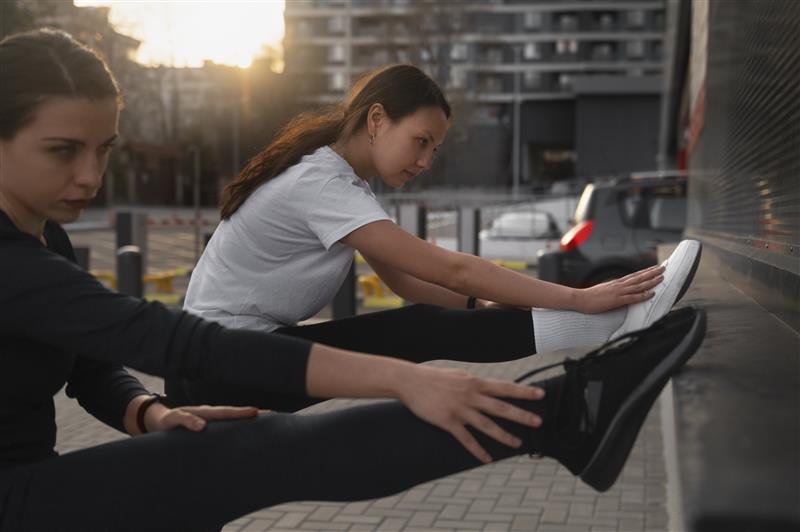
Gentle stretching
-
Breathing-focused movement
Key Characteristics
-
No strain
-
No fatigue
-
No sweating required
-
Fully conversational pace
👉 The goal is recovery, not performance.
Why Most People Recover Wrong
Here’s the harsh truth:
You’re either:
-
Training hard every day, or
-
Completely inactive on rest days
Both are inefficient.
The Problem
-
Total rest → slows circulation
-
Overtraining → increases cortisol
-
Poor recovery → leads to burnout & fat loss plateau
👉 You don’t need more workouts. You need better recovery systems.
Science Behind Ultra-Low Intensity Movement
Zone Zero works because it supports your body without stressing it.
Key Benefits
1. Improves Blood Flow
Gentle movement increases circulation, helping deliver:
-
Oxygen
-
Nutrients
-
Muscle repair signals
Reduces Cortisol (Stress Hormone)
High-intensity workouts spike stress.
Low-intensity movement helps bring your body back to baseline.
Supports Nervous System Recovery
Your body has two modes:
-
Fight or flight (stress mode)
-
Rest and digest (recovery mode)
Zone Zero shifts you into recovery mode faster.
Enhances Fat Loss Efficiency
Sounds counterintuitive but better recovery = better fat loss.
👉 When your body is less stressed:
-
Hormones balance
-
Sleep improves
-
Fat burning becomes more efficient
Best Zone Zero Activities (That Actually Work)
Slow Walking (Most Underrated Tool)
-
15–30 minutes
-
No phone distractions
-
Relaxed breathing
👉 Simple, but extremely effective.
Mobility Flow Sessions
Focus on:
-
Hips
-
Spine
-
Shoulders
👉 Improves movement quality and reduces stiffness.
Deep Breathing Exercises
Try:
-
Nasal breathing
-
Box breathing
👉 Directly calms your nervous system.
Light Household Movement
Yes, this counts:
-
Cleaning
-
Gardening
-
Playing with kids
👉 Movement without pressure = recovery gold.
How to Add Zone Zero Into Your Routine
Stop overcomplicating.
Simple Plan
-
After intense workouts: 10–15 min slow walk
-
On rest days: 20–40 min light activity
-
Daily: 5–10 min breathing + mobility
👉 Consistency beats intensity here.
Who Needs Zone Zero the Most?
If this sounds like you, you’re ignoring recovery:
-
Constant fatigue
-
Poor sleep
-
No progress despite effort
-
High stress lifestyle
Especially for busy moms, this is critical.
You’re already dealing with stress—adding more intensity without recovery is a losing strategy.
FAQs
What is the best way to lose weight naturally?
The best natural weight-loss method includes eating whole foods, reducing portion sizes, choosing high-fiber carbs, increasing protein, staying hydrated, and being physically active.
Can I lose weight without dieting?
Yes. Weight loss is possible through mindful eating, portion control, and choosing balanced meals instead of restrictive dieting.
What foods help with weight loss?
High-protein foods (chicken, eggs, yogurt), fiber-rich foods (oats, veggies), fruits, nuts, seeds, and whole grains all support weight loss.
Are carbs bad for weight loss?
No. Carbs are essential. Choose complex carbs like oats, whole grains, and sweet potatoes because they stabilize blood sugar and keep you full longer.
How much water should I drink to lose weight?
Aim for 8–10 glasses a day. Staying hydrated helps prevent overeating, boosts metabolism, and supports digestion.
Do I need to exercise every day to lose weight?
No. Even 30 minutes of walking daily plus strength training 2–3 times a week can significantly improve fat loss.
Is high protein eating good for weight loss?
Yes. High-protein diets reduce cravings, increase satiety, and help maintain muscle while losing fat.
Loved the Post? Share It!
Book your Free Consultation Now
Just fill in the form & our Health Consultant will get in touch with you
❌ Please fill all required fields.
✅ Thank you for submitting the form Our Health Consultant will reach out to you. Please respond to that.