



Beyond Calories: How Continuous Glucose Monitors (CGMs) Reveal Your Personal Energy Foods
For years, weight loss advice focused on a simple rule: calories in versus calories out. While calorie balance still matters, modern nutrition science is revealing something deeper, how your body processes food matters just as much as how much you eat.
This is where Continuous Glucose Monitors (CGMs) are transforming the way we understand nutrition. Instead of guessing which foods fuel your body best, CGMs help you discover your personal energy foods by tracking real-time blood sugar responses.
What is a Continuous Glucose Monitor (CGM)?
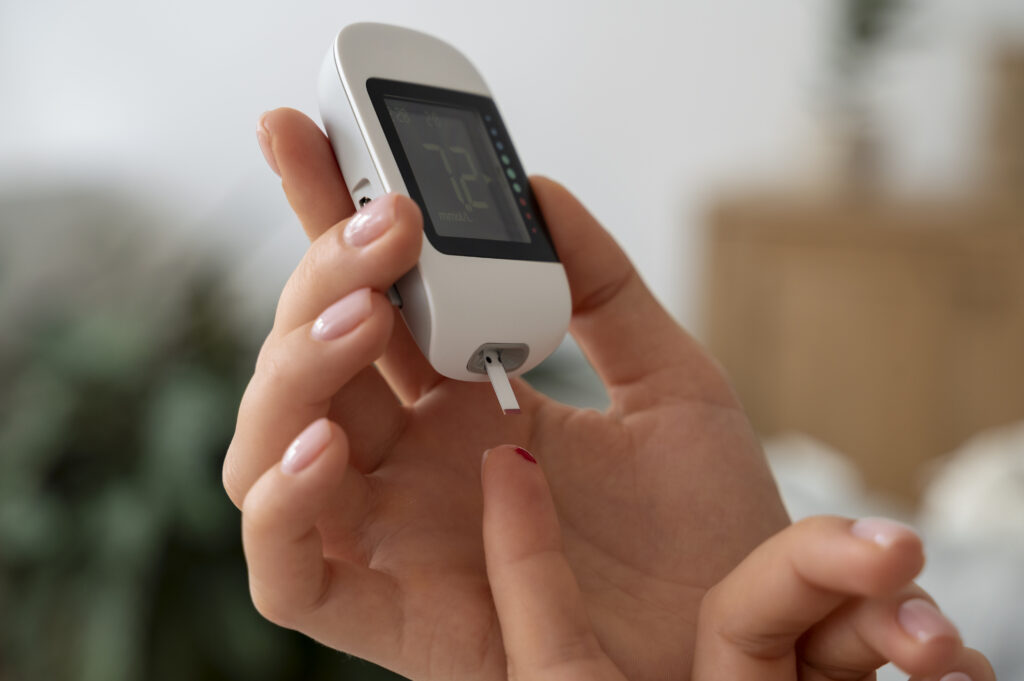
A Continuous Glucose Monitor (CGM) is a small wearable device that tracks your blood glucose levels throughout the day. It sends data directly to a smartphone app, allowing you to see how your body responds to different foods, stress levels, sleep, and physical activity.
Originally designed for people managing diabetes, CGMs are now gaining popularity in the metabolic health and personalized nutrition space.
They provide valuable insights into:
- Blood sugar spikes after meals
- Energy crashes during the day
- Food sensitivity and metabolic response
- Impact of sleep, stress, and exercise
Why Calories Alone Don’t Tell the Full Story
Two people can eat the same meal with identical calories but experience completely different blood sugar responses.
For example:
One person may feel energized and satisfied
Another may experience a glucose spike followed by fatigue and hunger
These fluctuations can influence:
Fat storage
Hunger hormones
Energy levels
Cravings
Long-term metabolic health
Tracking glucose helps identify which foods support stable energy instead of spikes and crashes.
Discovering Your Personal “Energy Foods”
Your energy foods are meals that keep your blood sugar stable while providing long-lasting energy.
Using CGM data, you may notice patterns like:
Foods That Stabilize Energy
These foods typically create gentle glucose responses:
High-fiber vegetables
Lean proteins
Healthy fats
Whole grains with protein
Balanced meals combining protein + fiber
These foods support metabolic flexibility and sustained energy.
Foods That Trigger Spikes
Some foods may cause rapid glucose increases, followed by energy crashes.
Common examples include:
Refined carbohydrates
Sugary snacks and beverages
Highly processed foods
Carb-heavy meals without protein or fiber
For some individuals, even foods considered healthy—like oatmeal or fruit smoothies—may trigger spikes depending on their unique metabolism.
The Rise of Personalized Nutrition
The growing popularity of glucose tracking and CGM diets highlights a larger shift in the health industry: personalized nutrition.
Instead of following generic diet plans, people are now using data to understand their individual metabolic responses.
Benefits include:
Better energy levels throughout the day
Reduced cravings and emotional eating
Improved metabolic health
More effective weight management
Smarter meal planning
This approach aligns with emerging research showing that nutrition should be personalized rather than one-size-fits-all.
Practical Ways to Use CGM Insights
If you’re using a CGM, here are simple strategies to maximize its benefits:
1. Test Meals Individually
Try eating meals separately to observe your body’s response clearly.
2. Pair Carbs with Protein or Fat
This can slow glucose absorption and reduce spikes.
3. Track Energy and Mood
Notice how glucose patterns align with energy levels and focus.
4. Observe Lifestyle Factors
Sleep, stress, and exercise significantly influence blood sugar responses.
Over time, you’ll build a personal blueprint of foods that fuel your body best
The Future of Smarter Nutrition
As wearable health technology continues to evolve, tools like Continuous Glucose Monitors are helping people move beyond calorie counting toward metabolic awareness and smarter nutrition decisions.
Understanding your body’s response to food empowers you to choose meals that support stable energy, sustainable weight management, and long-term health.
Because ultimately, the goal isn’t just eating fewer calories, it’s eating the right foods for your unique metabolism.
FAQs
What is the best way to lose weight naturally?
The best natural weight-loss method includes eating whole foods, reducing portion sizes, choosing high-fiber carbs, increasing protein, staying hydrated, and being physically active.
Can I lose weight without dieting?
Yes. Weight loss is possible through mindful eating, portion control, and choosing balanced meals instead of restrictive dieting.
What foods help with weight loss?
High-protein foods (chicken, eggs, yogurt), fiber-rich foods (oats, veggies), fruits, nuts, seeds, and whole grains all support weight loss.
Are carbs bad for weight loss?
No. Carbs are essential. Choose complex carbs like oats, whole grains, and sweet potatoes because they stabilize blood sugar and keep you full longer.
How much water should I drink to lose weight?
Aim for 8–10 glasses a day. Staying hydrated helps prevent overeating, boosts metabolism, and supports digestion.
Do I need to exercise every day to lose weight?
No. Even 30 minutes of walking daily plus strength training 2–3 times a week can significantly improve fat loss.
Is high protein eating good for weight loss?
Yes. High-protein diets reduce cravings, increase satiety, and help maintain muscle while losing fat.
Loved the Post? Share It!
Book your Free Consultation Now
Just fill in the form & our Health Consultant will get in touch with you
❌ Please fill all required fields.
✅ Thank you for submitting the form Our Health Consultant will reach out to you. Please respond to that.