


Too Busy to Work Out? How Moms Build a Fitness Schedule That Sticks
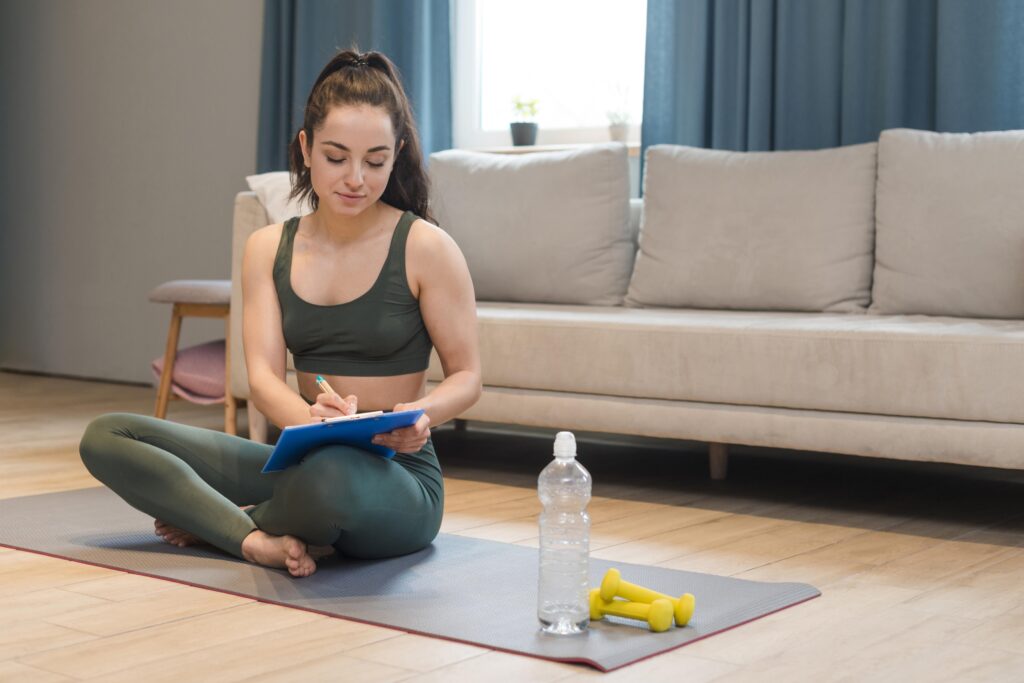
Introduction: Busy moms workout routines often fail not because of lack of effort, but because most plans don’t fit real life. When fitness adapts to a mom’s schedule, energy levels, responsibilities, and routines, consistency finally becomes possible.
For many moms, the idea of following a fitness schedule feels unrealistic. Between family responsibilities, work, mental load, and exhaustion, exercise often falls to the bottom of the list. It’s not a lack of motivation it’s a lack of a system that fits real life.
The good news is that moms who stay consistent don’t have more time. They use smarter, more flexible fitness schedules that work with their lifestyle instead of against it.
Why Traditional Fitness Schedules Fail Moms
Most workout plans are designed for people with predictable schedules and uninterrupted time. Moms rarely have either.
Common reasons fitness plans fail include:
Rigid workout times
Long, exhausting sessions
All-or-nothing thinking
Guilt-driven motivation
When workouts feel like another obligation, consistency disappears. Sustainable fitness starts with removing pressure.
What a Fitness Schedule That “Sticks” Actually Looks Like
Successful moms don’t aim for perfection. They aim for consistency with flexibility.
A realistic fitness schedule:
Allows short workouts
Adjusts week to week
Prioritizes energy, not intensity
Fits around family life
Even 15–20 minutes of movement counts when done consistently.
The 3 Rules Moms Use to Stay Consistent
1. Time-Block Movement, Not Workouts
Instead of scheduling a specific workout, moms block time for movement. This creates freedom to choose what feels doable that day.
Examples:
Stretching on low-energy days
Walking or bodyweight workouts on busier days
Strength training when energy is high
2. Attach Fitness to Existing Habits
Habit stacking makes consistency easier. Linking exercise to something you already do removes decision fatigue.
Simple habit stacks:
Morning mobility after brushing teeth
Walking after school drop-off
Strength exercises while dinner cooks
3. Plan for Imperfect Weeks
Life happens. Moms who stay consistent plan for disruption instead of quitting.
This means:
Having backup “minimum” workouts
Accepting shorter sessions
Letting go of missed days
Progress comes from showing up repeatedly, not perfectly.
Weekly Fitness Structure for Busy Moms
A simple structure works best:
2 days strength training (20–30 minutes)
2–3 days light movement (walking, mobility, stretching)
Daily movement breaks (5–10 minutes)
This approach supports fat loss, energy, and mental health without burnout.
Why Consistency Beats Intensity for Moms
High-intensity workouts may deliver quick results, but they often increase fatigue and stress for busy moms.
Consistent, moderate movement:
Supports hormonal balance
Improves mood and energy
Reduces injury risk
Builds long-term habits
Fitness should support motherhood, not compete with it.
Mindset Shifts That Make Fitness Sustainable
The most important change happens mentally.
Helpful mindset shifts:
“Something is better than nothing”
“My body needs movement, not punishment”
“Consistency builds results”
When fitness becomes supportive instead of demanding, it naturally sticks.
Conclusion
Being too busy to work out doesn’t mean fitness is impossible. It means the plan needs to change. Moms who succeed build flexible schedules that adapt to real life, energy levels, and responsibilities.
At FitMom Club, we believe fitness should feel achievable, empowering, and sustainable. With the right structure, even the busiest moms can build a fitness routine that truly sticks.
FAQs
What is the best way to lose weight naturally?
The best natural weight-loss method includes eating whole foods, reducing portion sizes, choosing high-fiber carbs, increasing protein, staying hydrated, and being physically active.
Can I lose weight without dieting?
Yes. Weight loss is possible through mindful eating, portion control, and choosing balanced meals instead of restrictive dieting.
What foods help with weight loss?
High-protein foods (chicken, eggs, yogurt), fiber-rich foods (oats, veggies), fruits, nuts, seeds, and whole grains all support weight loss.
Are carbs bad for weight loss?
No. Carbs are essential. Choose complex carbs like oats, whole grains, and sweet potatoes because they stabilize blood sugar and keep you full longer.
How much water should I drink to lose weight?
Aim for 8–10 glasses a day. Staying hydrated helps prevent overeating, boosts metabolism, and supports digestion.
Do I need to exercise every day to lose weight?
No. Even 30 minutes of walking daily plus strength training 2–3 times a week can significantly improve fat loss.
Is high protein eating good for weight loss?
Yes. High-protein diets reduce cravings, increase satiety, and help maintain muscle while losing fat.
Loved the Post? Share It!
Book your Free Consultation Now
Just fill in the form & our Health Consultant will get in touch with you
❌ Please fill all required fields.
✅ Thank you for submitting the form Our Health Consultant will reach out to you. Please respond to that.