



Healthy Diwali Eating: How to Enjoy Festive Sweets Without Overindulging
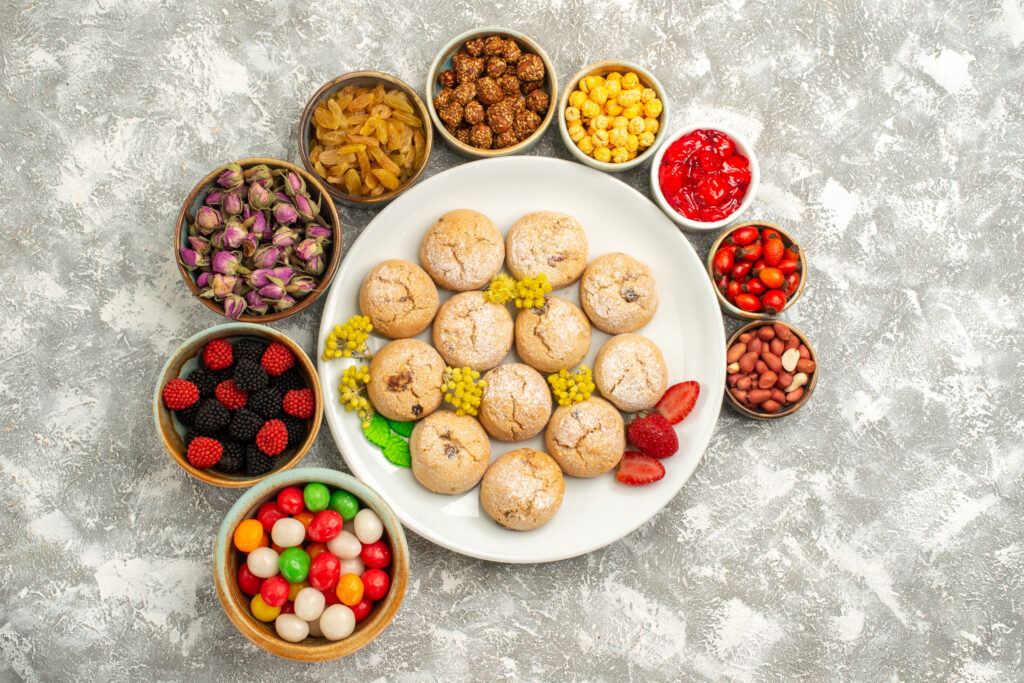
Diwali is a time for celebrations, family gatherings, delicious traditional sweets, and unforgettable moments. From laddoos and kaju katli to gulab jamun and homemade snacks, festive treats are an important part of the celebration. However, enjoying these delicacies can sometimes lead to overeating, digestive discomfort, and disrupted healthy eating routines.
Does celebrating Diwali mean giving up your fitness goals? Absolutely not!
With mindful eating habits and a few simple nutritional choices, you can enjoy your favourite festive foods without overindulging. Here are some practical healthy Diwali eating tips to help you celebrate the festival while maintaining a balanced lifestyle.
1. Why Is Healthy Eating Important During Diwali?
During Diwali, regular eating schedules often change because of parties, family visits, late-night celebrations, and frequent snacking. Consuming excessive sweets and fried foods may increase overall calorie intake and leave you feeling uncomfortable.
Maintaining balanced eating habits during the festive season can help you:
Support healthy digestion.
Maintain consistent energy levels.
Avoid unnecessary overeating.
Support your fitness and wellness goals.
Enjoy festive foods without feeling restricted.
Remember, healthy eating is about balance, not completely avoiding your favourite foods.
2. Choose Your Favourite Diwali Sweets Mindfully
Indian festivals are incomplete without traditional sweets. Instead of avoiding them completely, enjoy your favourites in sensible portions.
Healthier Ways to Enjoy Festive Sweets
Laddoos: Enjoy a small portion instead of eating several at once.
Kaju Katli: Choose a small serving and eat slowly.
Gulab Jamun: Enjoy one piece rather than repeatedly reaching for more.
Mysore Pak: Have a small portion and balance it with nutritious meals.
Homemade sweets: Try recipes with reduced added sugar where appropriate.
You don’t have to label traditional sweets as unhealthy. Focus on portion sizes and how frequently you consume them.
3. Follow a Simple Healthy Diwali Meal Plan
Maintaining regular meals can prevent excessive hunger and help you make better food choices throughout the day.
Morning Breakfast
Start your day with a nutritious breakfast instead of skipping meals to save calories for evening celebrations.
Options include:
Vegetable oats.
Idli with sambar.
Vegetable dosa.
Boiled eggs with whole-wheat toast.
Fruit with plain yoghurt.
Healthy Lunch
Include a balanced combination of carbohydrates, protein, and vegetables.
Try:
Rice or chapati.
Dal or sambar.
Vegetable poriyal.
Curd.
Paneer, eggs, fish, or chicken.
Evening Festive Snacks
Enjoy traditional snacks in moderate portions. You can also include roasted chana, sundal, fresh fruits, or homemade snacks.
Dinner
Choose a satisfying dinner with vegetables and protein. Avoid skipping dinner simply because you enjoyed sweets earlier.
4. Five Smart Tips to Avoid Overeating During Diwali
Small changes can make a meaningful difference to your festive eating habits.
Never skip meals: Skipping breakfast or lunch can make you excessively hungry later.
Control portion sizes: Serve sweets on a small plate instead of eating directly from a large box.
Stay hydrated: Drink enough water throughout the day.
Eat slowly: Give yourself time to recognise when you feel comfortably full.
Balance your plate: Include vegetables, protein, and fibre-rich foods alongside your favourite festive treats.
5. Stay Active During the Festive Season
Diwali celebrations can make regular workout schedules difficult. However, you don’t need an intensive exercise routine every day to remain active.
Try these simple activities:
Take a 20–30-minute walk.
Practise gentle yoga or stretching.
Include short home workouts.
Stay physically active during household preparations.
Return to your regular fitness routine after celebrations.
If you are pregnant or recovering after childbirth, choose activities suitable for your stage of recovery with professional guidance.
6. Celebrate a Healthier Diwali with FitMom Club
Your health journey doesn’t need to stop during festivals. The key is to develop habits that allow you to enjoy celebrations while taking care of your body.
At FitMom Club, we believe every mother deserves the right support to achieve her health and fitness goals. Our personalised nutrition and fitness programmes help women build sustainable routines with expert guidance.
This Diwali, enjoy your favourite sweets, spend quality time with your family, and remember to make your well-being a priority.
Celebrate happiness, enjoy every bite, and make wellness part of your Diwali!
Explore FitMom Club and take your next step towards a healthier lifestyle.
Frequently Asked Questions (FAQs)
1. How can I eat sweets during Diwali without gaining weight?
Enjoy sweets in moderate portions, maintain regular meals, stay physically active, and avoid excessive snacking. Your overall eating habits over time matter more than one festive meal.
2. Which Indian sweets are better choices during Diwali?
Homemade sweets with controlled added sugar and moderate portions can be practical choices. Traditional sweets such as laddoos, kaju katli, and Mysore Pak can also be enjoyed occasionally as part of a balanced diet.
3. How can I maintain my fitness routine during Diwali?
Stay active with walking, yoga, stretching, or short home workouts. Maintain regular eating habits and return to your usual exercise schedule after festive celebrations.
FAQs
What is the best way to lose weight naturally?
The best natural weight-loss method includes eating whole foods, reducing portion sizes, choosing high-fiber carbs, increasing protein, staying hydrated, and being physically active.
Can I lose weight without dieting?
Yes. Weight loss is possible through mindful eating, portion control, and choosing balanced meals instead of restrictive dieting.
What foods help with weight loss?
High-protein foods (chicken, eggs, yogurt), fiber-rich foods (oats, veggies), fruits, nuts, seeds, and whole grains all support weight loss.
Are carbs bad for weight loss?
No. Carbs are essential. Choose complex carbs like oats, whole grains, and sweet potatoes because they stabilize blood sugar and keep you full longer.
How much water should I drink to lose weight?
Aim for 8–10 glasses a day. Staying hydrated helps prevent overeating, boosts metabolism, and supports digestion.
Do I need to exercise every day to lose weight?
No. Even 30 minutes of walking daily plus strength training 2–3 times a week can significantly improve fat loss.
Is high protein eating good for weight loss?
Yes. High-protein diets reduce cravings, increase satiety, and help maintain muscle while losing fat.
Loved the Post? Share It!
Book your Free Consultation Now
Just fill in the form & our Health Consultant will get in touch with you
❌ Please fill all required fields.
✅ Thank you for submitting the form Our Health Consultant will reach out to you. Please respond to that.