


The Low-Carbon Kitchen: High-Protein Meals That Are Good for You and the Planet
Introduction
High-protein diets are everywhere but here’s the problem:
Most of them rely heavily on high-carbon foods like red meat and processed protein sources.
If you care about:
- Your health
- Your energy levels
- And the planet
You need a smarter approach.
Welcome to the low-carbon kitchen—where you build high-protein meals that fuel your body without increasing your environmental footprint.
What Is a Low-Carbon Kitchen?
A low-carbon kitchen focuses on foods that:
- Require fewer resources to produce
- Generate lower greenhouse gas emissions
- Still deliver strong nutritional value
This doesn’t mean giving up protein it means choosing better protein sources.
Why Traditional High-Protein Diets Fall Short
Let’s be blunt.
Heavy reliance on:
- Red meat
- Processed protein products
Leads to:
- Higher carbon footprint
- Poor long-term sustainability
- Often unnecessary overconsumption
You don’t need excessive animal protein to stay fit.
Best Low-Carbon High-Protein Foods
1. Plant-Based Protein Sources
These are your foundation.
- Lentils
- Chickpeas
- Beans
- Tofu and tempeh
✔ High protein
✔ Low environmental impact
2. Sustainable Animal Proteins
If you include animal foods, choose smarter:
- Eggs
- Chicken (in moderation)
- Yogurt
✔ Lower carbon footprint than red meat
3. Whole Grains with Protein
Don’t ignore these:
- Quinoa
- Oats
- Brown rice
✔ Adds both energy and protein
4. Nuts and Seeds
- Almonds
- Chia seeds
- Flaxseeds
✔ Healthy fats + protein boost
3 Easy Low-Carbon High-Protein Meals
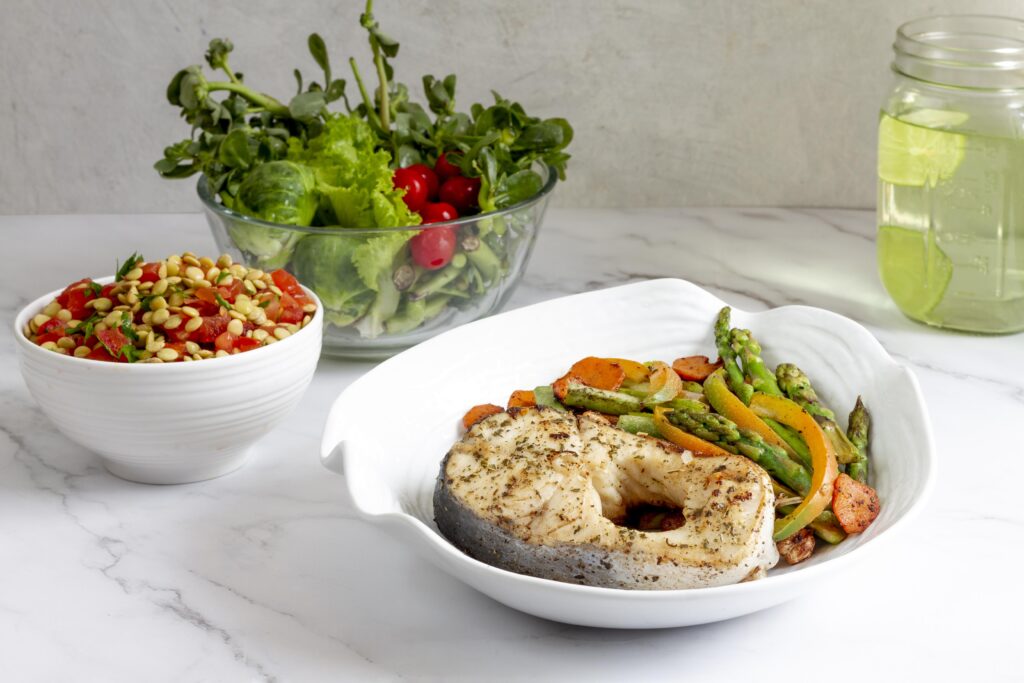
1. Lentil Power Bowl
- Cooked lentils
- Vegetables
- Olive oil dressing
✔ High protein + fiber
2. Chickpea Salad Wrap
- Chickpeas
- Whole grain wrap
- Fresh veggies
✔ Quick and filling
3. Egg & Veggie Scramble
- Eggs
- Spinach
- Tomatoes
✔ Balanced and simple
How to Build a Low-Carbon Meal (Simple Formula)
Follow this structure:
- Protein base (lentils, eggs, tofu)
- Fiber source (vegetables, whole grains)
- Healthy fats (nuts, seeds, oils)
That’s it. Keep it simple.
Benefits of a Low-Carbon High-Protein Diet
- Ignoring app insights
- Tracking inconsistently
- Over-relying without understanding your body
- Not adjusting routines based on data
AI is a tool not a replacement for awareness.
Common Mistakes to Avoid
- Relying only on protein powders
- Overconsuming meat
- Ignoring plant-based options
- Making meals overly complicated
Keep it practical.
Conclusion: Eat Smart, Not Extreme
You don’t need extreme diets to get results.
A low-carbon kitchen gives you:
- Enough protein
- Better health
- Lower environmental impact
It’s a win across the board.
FAQs
What is the best way to lose weight naturally?
The best natural weight-loss method includes eating whole foods, reducing portion sizes, choosing high-fiber carbs, increasing protein, staying hydrated, and being physically active.
Can I lose weight without dieting?
Yes. Weight loss is possible through mindful eating, portion control, and choosing balanced meals instead of restrictive dieting.
What foods help with weight loss?
High-protein foods (chicken, eggs, yogurt), fiber-rich foods (oats, veggies), fruits, nuts, seeds, and whole grains all support weight loss.
Are carbs bad for weight loss?
No. Carbs are essential. Choose complex carbs like oats, whole grains, and sweet potatoes because they stabilize blood sugar and keep you full longer.
How much water should I drink to lose weight?
Aim for 8–10 glasses a day. Staying hydrated helps prevent overeating, boosts metabolism, and supports digestion.
Do I need to exercise every day to lose weight?
No. Even 30 minutes of walking daily plus strength training 2–3 times a week can significantly improve fat loss.
Is high protein eating good for weight loss?
Yes. High-protein diets reduce cravings, increase satiety, and help maintain muscle while losing fat.
Loved the Post? Share It!
Book your Free Consultation Now
Just fill in the form & our Health Consultant will get in touch with you
❌ Please fill all required fields.
✅ Thank you for submitting the form Our Health Consultant will reach out to you. Please respond to that.