


Neuro-Fitness for Headache Relief: Visual & Vestibular Drills That Actually Work
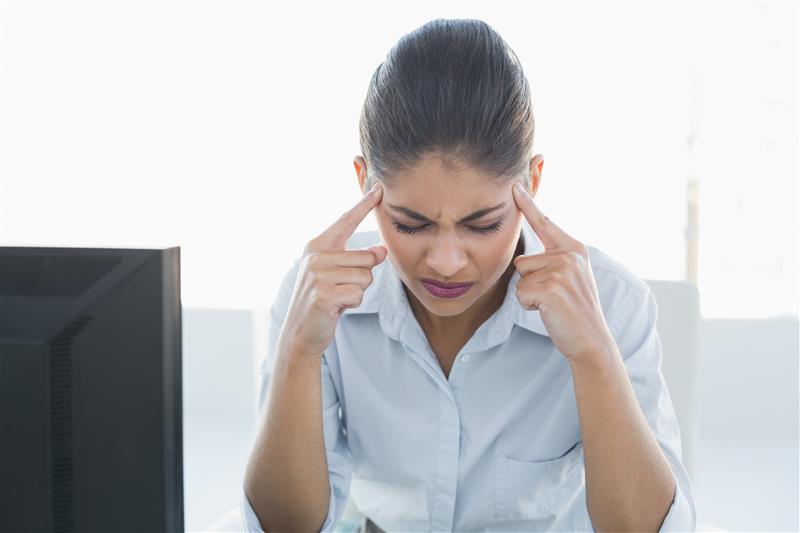
If you’re getting headaches after work, your problem isn’t just stress—it’s neurological overload.
Hours of screen time, poor posture, and lack of movement disrupt your brain’s visual and vestibular systems, leading to tension headaches, eye strain, and fatigue.
The fix isn’t another painkiller.
It’s neuro-fitness training.
What Is Neuro-Fitness?
Neuro-fitness focuses on training your brain—not just your muscles.
It improves how your brain processes:
- Visual input (eyes)
- Balance and spatial awareness (vestibular system)
- Body positioning (proprioception)
When these systems are out of sync, your brain compensates by creating tension—especially in the neck, shoulders, and head.
Why You Get Post-Work Headaches
Let’s be blunt—your daily routine is the problem.
Common triggers:
- 6–10 hours of screen exposure
- Minimal head movement
- Poor eye tracking habits
- Slouched posture
This leads to:
- Eye muscle fatigue
- Neck stiffness
- Reduced blood flow to the brain
And eventually: recurring headaches
The Role of Visual & Vestibular Systems
Visual System (Your Eyes)
Controls focus, tracking, and coordination.
When overworked:
- Blurred vision
- Eye strain
- Headaches behind the eyes
Vestibular System (Your Inner Balance System)
Located in your inner ear, it controls balance and head movement.
When under-stimulated:
- Dizziness
- Brain fog
- Neck tension
Most people train neither big mistake.
5 Neuro-Fitness Drills to Stop Headaches
1. Eye Tracking Drill
Hold your thumb in front of you and slowly move it side to side.
Focus:
- Keep your head still
- Track only with your eyes
Benefit: Improves visual coordination and reduces eye strain
2. Near-Far Focus Drill
Shift your focus between your thumb (near) and an object far away.
Do this for: 1–2 minutes
Benefit: Resets eye muscles strained from screens
3. Head Nods with Fixed Gaze
Pick a point on the wall and nod your head up and down slowly while keeping your eyes locked.
Benefit: Activates vestibular system and reduces tension
4. Horizontal Head Rotations
Turn your head side to side while focusing on a fixed point.
Key: Move slowly—speed kills the benefit
5. Balance + Eye Focus Drill
Stand on one leg and focus on a stationary object.
Advanced: Close one eye
Benefit: Integrates visual + vestibular systems
How to Use These Drills (Without Wasting Time)
Most people overcomplicate this.
Do this instead:
- 5–10 minutes total
- After work or during breaks
- Perform drills slowly and consciously
Weekly structure:
- Daily: 2–3 drills
- Rotate exercises to avoid adaptation
Consistency beats intensity. Every time.
Benefits You’ll Notice Quickly
If you do this right, results come fast.
Within 1–2 weeks:
- Fewer headaches
- Reduced eye strain
- Better focus
- Less neck and shoulder tension
- Improved energy levels
If you feel nothing, you’re either rushing or doing it wrong.
Common Mistakes (That Kill Results)
Let’s call this out clearly:
- Moving too fast
- Not focusing your eyes properly
- Treating it like a workout instead of brain training
- Being inconsistent
This isn’t gym training it’s neurological retraining.
Conclusion: Fix the Root, Not the Symptom
Painkillers mask the issue.
Neuro-fitness solves it.
If your daily life revolves around screens, you must train your brain systems or headaches will keep coming back.
FAQs
What is the best way to lose weight naturally?
The best natural weight-loss method includes eating whole foods, reducing portion sizes, choosing high-fiber carbs, increasing protein, staying hydrated, and being physically active.
Can I lose weight without dieting?
Yes. Weight loss is possible through mindful eating, portion control, and choosing balanced meals instead of restrictive dieting.
What foods help with weight loss?
High-protein foods (chicken, eggs, yogurt), fiber-rich foods (oats, veggies), fruits, nuts, seeds, and whole grains all support weight loss.
Are carbs bad for weight loss?
No. Carbs are essential. Choose complex carbs like oats, whole grains, and sweet potatoes because they stabilize blood sugar and keep you full longer.
How much water should I drink to lose weight?
Aim for 8–10 glasses a day. Staying hydrated helps prevent overeating, boosts metabolism, and supports digestion.
Do I need to exercise every day to lose weight?
No. Even 30 minutes of walking daily plus strength training 2–3 times a week can significantly improve fat loss.
Is high protein eating good for weight loss?
Yes. High-protein diets reduce cravings, increase satiety, and help maintain muscle while losing fat.
Loved the Post? Share It!
Book your Free Consultation Now
Just fill in the form & our Health Consultant will get in touch with you
❌ Please fill all required fields.
✅ Thank you for submitting the form Our Health Consultant will reach out to you. Please respond to that.