


The Ovary-Span Revolution: Why Protecting Your Hormonal Reserve Is the New Longevity Goal for Moms
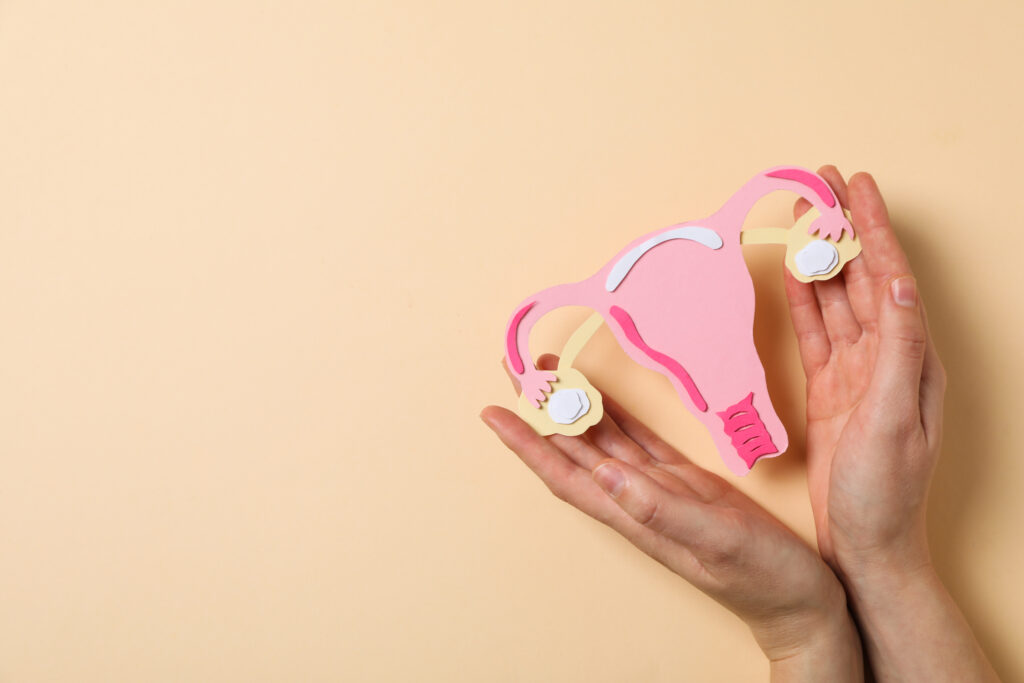
Motherhood transforms your life, and your hormones.
For years, women were told to focus on weight loss, anti-aging creams, and cardio workouts. But a new conversation in women’s health is changing everything: ovary-span.
Ovary-span refers to the length of time your ovaries function optimally, producing hormones like estrogen and progesterone that regulate metabolism, mood, brain health, bone density, and heart health. Just like lifespan and healthspan, ovary-span is now considered a key predictor of long-term vitality.
For modern moms balancing children, career, stress, and sleepless nights, protecting hormonal reserve may be the most powerful longevity strategy.
Why Ovary-Span Matters
Ovarian hormones do far more than control your menstrual cycle.
Estrogen supports:
Cardiovascular health
Strong bones
Cognitive function
Insulin sensitivity
Collagen production
Emotional stability
As ovarian function declines, often beginning in the mid-to-late 30s, women may notice stubborn weight gain, irregular cycles, anxiety, poor sleep, and fatigue. These changes are frequently dismissed as “normal aging,” but they often signal early perimenopause.
Protecting ovary-span means protecting the hormones that shield your body from chronic disease later in life
The Hidden Hormone Drains in Modern Motherhood
Many moms unknowingly accelerate hormonal depletion due to lifestyle stressors:
- Chronic stress: Elevated cortisol suppresses progesterone and disrupts ovulation.
- Sleep deprivation: Poor sleep impacts insulin balance and estrogen regulation.
- Crash dieting: Severe calorie restriction signals the body to reduce reproductive hormone output.
- Sedentary habits: Lack of resistance training weakens metabolic health.
- Ultra-processed foods: Blood sugar spikes increase inflammation and hormonal imbalance.
These factors don’t just affect energy; they shorten your hormonal resilience window.
From Weight Loss to Hormone Optimization
The traditional approach for moms has been “lose the baby weight.” But the ovary-span revolution shifts the goal toward hormone optimization and metabolic strength.
Instead of asking, “How do I get smaller?”
The better question is: “How do I stay hormonally strong?”
Longevity experts emphasize that women must think about hormonal health years before menopause begins. Similarly, menopause educators highlight how many women in their late 30s and early 40s experience symptoms without realizing hormones are shifting.
Education and prevention are powerful tools.
How Moms Can Protect Their Hormonal Reserve
Supporting ovary-span doesn’t require extreme measures. Small, consistent habits make a big difference.
1. Strength train regularly. Resistance training improves insulin sensitivity and supports estrogen balance.
2. Eat balanced meals. Prioritize protein, fiber, and healthy fats to stabilize blood sugar.
3. Manage stress daily. Walking, breathwork, journaling, or quiet time can reduce cortisol load.
4. Protect sleep. Aim for 7–8 hours to regulate hormonal rhythms.
5. Support key nutrients. Vitamin D, magnesium, omega-3s, and iron play critical roles in ovarian health.
These practices not only support fertility years, but they also protect heart, bone, and brain health decades later.
The Bigger Picture: Aging Powerfully
Ovary-span isn’t about delaying menopause forever. It’s about strengthening your body before hormonal decline accelerates.
When moms protect their hormonal reserve, they gain:
Sustainable energy
Better metabolic health
Reduced chronic disease risk
Stronger bones
Emotional resilience
Longevity is no longer just about living longer; it’s about living stronger.
The Ovary-Span Revolution invites mothers to move beyond quick fixes and focus on hormonal longevity. Because when a mom’s hormones are supported, everything else becomes more sustainable, from weight management to mental clarity.
Healthy moms don’t just raise strong families.
They age strongly, too.
FAQs
What is the best way to lose weight naturally?
The best natural weight-loss method includes eating whole foods, reducing portion sizes, choosing high-fiber carbs, increasing protein, staying hydrated, and being physically active.
Can I lose weight without dieting?
Yes. Weight loss is possible through mindful eating, portion control, and choosing balanced meals instead of restrictive dieting.
What foods help with weight loss?
High-protein foods (chicken, eggs, yogurt), fiber-rich foods (oats, veggies), fruits, nuts, seeds, and whole grains all support weight loss.
Are carbs bad for weight loss?
No. Carbs are essential. Choose complex carbs like oats, whole grains, and sweet potatoes because they stabilize blood sugar and keep you full longer.
How much water should I drink to lose weight?
Aim for 8–10 glasses a day. Staying hydrated helps prevent overeating, boosts metabolism, and supports digestion.
Do I need to exercise every day to lose weight?
No. Even 30 minutes of walking daily plus strength training 2–3 times a week can significantly improve fat loss.
Is high protein eating good for weight loss?
Yes. High-protein diets reduce cravings, increase satiety, and help maintain muscle while losing fat.
Loved the Post? Share It!
Book your Free Consultation Now
Just fill in the form & our Health Consultant will get in touch with you
❌ Please fill all required fields.
✅ Thank you for submitting the form Our Health Consultant will reach out to you. Please respond to that.