


Seed Cycling for Hormone Balance: What the Science Really Says
If you’ve been scrolling wellness Instagram or TikTok lately, chances are you’ve stumbled across seed cycling. Fans claim it can ease PMS symptoms, regulate periods, improve fertility, and even reduce menopause symptoms all by eating specific seeds at specific times of the month. But does the science actually back it up?
At FitMom Club, we’re all about empowering moms and women to make informed choices about their bodies. So let’s dig into what seed cycling is, what the evidence says, and whether it’s worth adding to your hormone health routine.
What Is Seed Cycling?
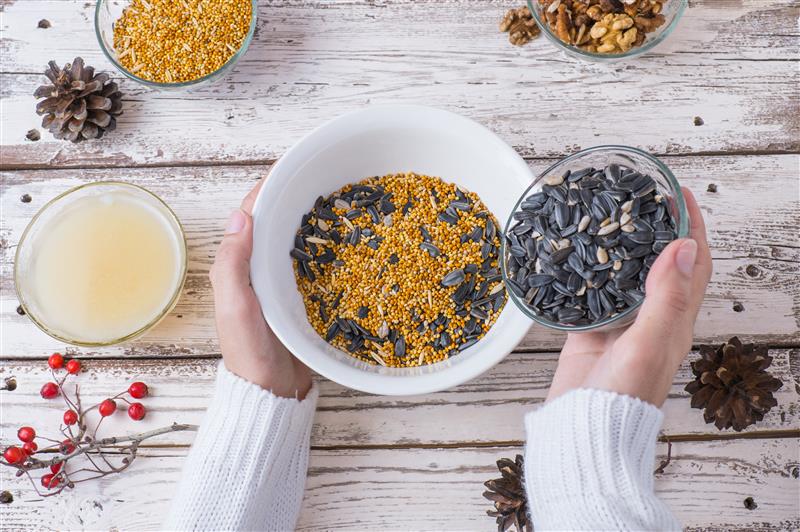
Seed cycling is a naturopathic practice that involves eating specific seeds during two phases of the menstrual cycle to support estrogen and progesterone production:
Phase 1 Follicular Phase (Days 114):
- 1 tablespoon flaxseeds
- 1 tablespoon pumpkin seeds
Phase 2 Luteal Phase (Days 1528):
- 1 tablespoon sesame seeds
- 1 tablespoon sunflower seeds
The theory is that these seeds contain lignans and fatty acids that either mimic or support the body’s natural hormone production at the right time.
The Nutritional Case for Seed Cycling
While dedicated clinical trials are limited, the nutritional profiles of these seeds give seed cycling a plausible foundation:
Flaxseeds & Pumpkin Seeds (Follicular Phase)
- Flaxseeds are rich in phytoestrogens called lignans, which may help modulate estrogen levels during the first half of your cycle.
- Pumpkin seeds are loaded with zinc, a mineral that supports progesterone production later in the cycle.
- Both are excellent sources of omega3 fatty acids, which play a key role in reducing inflammation and supporting hormonal signalling.
Sesame & Sunflower Seeds (Luteal Phase)
- Sesame seeds are also high in lignans and zinc, promoting healthy progesterone levels as you approach menstruation.
- Sunflower seeds are packed with vitamin E and selenium, both linked to progesterone support and reduced PMS symptoms.
- Their omega6 content supports prostaglandin production, helping regulate the uterine lining.
What Does the Science Actually Say?
Here’s the honest truth: there are no largescale randomised controlled trials specifically on seed cycling. However, research does support the individual components:
- Flaxseed lignans: A 2019 review in the
- Flaxseed lignans: A 2019 review in Nutrients found flaxseed consumption was associated with improved estrogen metabolism in women.
- Zinc & progesterone: Studies confirm zinc deficiency is linked to lower progesterone, supporting the inclusion of pumpkin and sesame seeds.
- Vitamin E: Research suggests vitamin E supplementation may help reduce PMS symptoms, supporting the use of sunflower seeds in the luteal phase.
Bottom line: the practice is grounded in solid nutritional science, even if direct seed cycling studies are still lacking.
Who Might Benefit Most from Seed Cycling?
Seed cycling may be worth trying if you experience:
- Irregular or painful periods
- PMS symptoms such as bloating, mood swings, or breast tenderness
- Hormonal acne
- Symptoms of low estrogen or progesterone
- Perimenopause or menopauserelated hormonal fluctuations
It is generally safe for most women, but always consult your healthcare provider before making dietary changes, especially if you have a hormonesensitive condition.
How to Start Seed Cycling: A Simple Guide
Getting started is surprisingly easy:
- Track your cycle using an app or journal to identify your phases.
- Grind your seeds fresh for maximum nutrient absorption.
- Add them to smoothies, yoghurt, oatmeal, or salads.
- Be consistent allow at least 23 months to notice results.
- Combine with a balanced antiinflammatory diet for best results.
FAQ: Seed Cycling for Hormone Balance
Q1: Does seed cycling actually work for hormone balance?
Seed cycling is not yet supported by dedicated clinical trials, but the individual nutrients in these seeds lignans, zinc, selenium, and vitamin E are scientifically linked to hormone regulation. Many women report improvements in PMS, cycle regularity, and energy levels after 23 months of consistent practice. It is best used as part of a broader hormonehealth lifestyle rather than a standalone cure.
Q2: How long does seed cycling take to work?
Most women need to practise seed cycling consistently for at least 2 to 3 full menstrual cycles (roughly 23 months) before noticing significant changes. Hormonal shifts are gradual, and the impact of dietary changes on hormone levels builds over time. Track your symptoms monthly to monitor progress.
Q3: Can seed cycling help with PCOS or irregular periods?
Seed cycling may offer supportive benefits for women with PCOS or irregular periods, primarily through its antiinflammatory omega fatty acids and phytoestrogenic lignans. While it is not a medical treatment for PCOS, integrating seed cycling into a nutrientrich diet may help support more regular hormone patterns. Always work with your gynaecologist or endocrinologist for a comprehensive PCOS management plan.
FAQs
What is the best way to lose weight naturally?
The best natural weight-loss method includes eating whole foods, reducing portion sizes, choosing high-fiber carbs, increasing protein, staying hydrated, and being physically active.
Can I lose weight without dieting?
Yes. Weight loss is possible through mindful eating, portion control, and choosing balanced meals instead of restrictive dieting.
What foods help with weight loss?
High-protein foods (chicken, eggs, yogurt), fiber-rich foods (oats, veggies), fruits, nuts, seeds, and whole grains all support weight loss.
Are carbs bad for weight loss?
No. Carbs are essential. Choose complex carbs like oats, whole grains, and sweet potatoes because they stabilize blood sugar and keep you full longer.
How much water should I drink to lose weight?
Aim for 8–10 glasses a day. Staying hydrated helps prevent overeating, boosts metabolism, and supports digestion.
Do I need to exercise every day to lose weight?
No. Even 30 minutes of walking daily plus strength training 2–3 times a week can significantly improve fat loss.
Is high protein eating good for weight loss?
Yes. High-protein diets reduce cravings, increase satiety, and help maintain muscle while losing fat.
Loved the Post? Share It!
Book your Free Consultation Now
Just fill in the form & our Health Consultant will get in touch with you
❌ Please fill all required fields.
✅ Thank you for submitting the form Our Health Consultant will reach out to you. Please respond to that.