



Sleep Divorce: Is Sleeping in Separate Rooms Actually Good for Your Health?
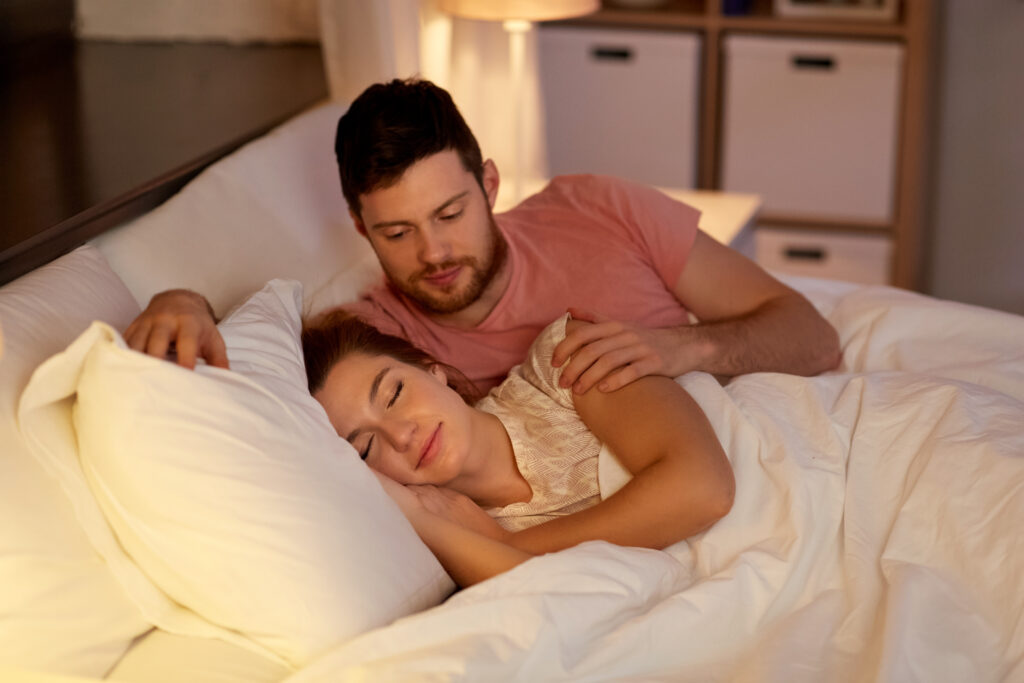
You’ve probably heard the term and thought: that sounds like a relationship red flag. But sleep divorce the practice of couples sleeping in separate rooms isquietly becoming one of the most talkedabout wellness trends among modern moms and couples. And the research behind it might just surprise you.
At FitMom Club, we believe that taking care of your health is never selfish and quality sleep is nonnegotiable. So let’s break down the sleep divorce trend: what it means, what science says, and whether it could actually be the key to better sleep and a happier relationship.
What Is Sleep Divorce?
Sleep divorce refers to the decision by couples to sleep in separate beds or separate rooms in order to improve their quality of sleep. Despite the dramatic name, it has nothing to do with emotional distance or relationship trouble.
A 2023 survey by the American Academy of Sleep Medicine found that nearly 1 in 3 couples occasionally or regularly sleep separately and many report feeling better for it.
Common reasons couples choose separate sleeping include:
- Snoring or sleep apnea
- Different sleep schedules (night owls vs. early risers)
- Restless leg syndrome or frequent tossing and turning
- Temperature preferences (one partner runs hot, one cold)
- A newborn or young child disrupting shared sleep
The Surprising Sleep Divorce Benefits for Your Health
When both partners sleep better, everyone wins. Here is what research and sleep experts say about the health benefits of sleeping in separate rooms:
1. Dramatically Improved Sleep Quality
Sleep disruptions caused by a partner’s snoring, movement, or schedule are among the leading causes of sleep deprivation in relationships. Sleeping separately removes these disturbances entirely, allowing both partners to reach deeper, more restorative sleep cycles.
2. Better Mood and Mental Health
Chronic sleep deprivation is closely linked to anxiety, depression, and irritability. For busy moms juggling work, family, and selfcare, getting a full night’s rest is essential not a luxury. Better sleep means a calmer, more present version of you.
3. Hormonal Balance and Physical Recovery
Deep sleep is when your body produces growth hormone, repairs muscle tissue, and regulates cortisol levels. Disrupted sleep throws all of this off balance. A sleep divorce can restore your body’s natural recovery rhythm which is especially vital during postpartum recovery or perimenopause.
Does Sleep Divorce Hurt Your Relationship?
This is the question every couple asks and the answer often surprises people.
Many sleep experts and relationship therapists argue that sleeping separately can actually strengthen a relationship. When both people are wellrested, they communicate better, argue less, and feel more emotionally available to each other.
Tips to protect intimacy during a sleep divorce:
- Create intentional connection time before bed
- Keep date nights and physical intimacy a priority
- Be open and honest frame it as a health decision, not rejection
- Check in regularly to see if the arrangement is still working
Is a Sleep Divorce Right for You?
A sleep divorce is not a onesizefitsall solution, but it may be worth considering if:
- You or your partner regularly wakes the other up
- You are consistently getting fewer than 7 hours of sleep
- Sleep deprivation is affecting your mood, energy, or parenting
- You’ve tried other solutions (earplugs, white noise, separate blankets) without success
The most important thing is to have an honest, nonjudgmental conversation with your partner. Many couples find a middle ground such as starting the night together and one person moving to a separate space if sleep becomes disrupted.
Frequently Asked Questions About Sleep Divorce
Is sleep divorce bad for your marriage?
No in fact, many couples report that sleeping separately improves their relationship. When both partners are wellrested, they tend to be more patient, emotionally available, and connected. Sleep divorce is a health and wellness decision, not a sign of a troubled marriage.
How does sleeping in separate rooms affect health?
Sleeping in separate rooms can significantly improve sleep quality by eliminating disruptions from snoring, movement, or different schedules. Better sleep supports hormonal balance, immune function, mental health, and physical recovery all critical areas of wellness for moms and women.
What percentage of couples sleep in separate rooms?
According to the American Academy of Sleep Medicine, approximately 1 in 3 American adults report sleeping separately from their partner at least occasionally. The trend is growing as awareness of sleep’s impact on overall health continues to rise.
Final Thoughts: Sleep Is SelfCare
Sleep divorce isn’t about giving up on closeness it’s about protecting your health so you can show up fully for yourself, your partner, and your family. In a world that glorifies the “supermom” who does it all on zero sleep, choosing rest is a radical and powerful act.
You deserve deep, uninterrupted sleep and so does your partner.
FAQs
What is the best way to lose weight naturally?
The best natural weight-loss method includes eating whole foods, reducing portion sizes, choosing high-fiber carbs, increasing protein, staying hydrated, and being physically active.
Can I lose weight without dieting?
Yes. Weight loss is possible through mindful eating, portion control, and choosing balanced meals instead of restrictive dieting.
What foods help with weight loss?
High-protein foods (chicken, eggs, yogurt), fiber-rich foods (oats, veggies), fruits, nuts, seeds, and whole grains all support weight loss.
Are carbs bad for weight loss?
No. Carbs are essential. Choose complex carbs like oats, whole grains, and sweet potatoes because they stabilize blood sugar and keep you full longer.
How much water should I drink to lose weight?
Aim for 8–10 glasses a day. Staying hydrated helps prevent overeating, boosts metabolism, and supports digestion.
Do I need to exercise every day to lose weight?
No. Even 30 minutes of walking daily plus strength training 2–3 times a week can significantly improve fat loss.
Is high protein eating good for weight loss?
Yes. High-protein diets reduce cravings, increase satiety, and help maintain muscle while losing fat.
Loved the Post? Share It!
Book your Free Consultation Now
Just fill in the form & our Health Consultant will get in touch with you
❌ Please fill all required fields.
✅ Thank you for submitting the form Our Health Consultant will reach out to you. Please respond to that.