


Sleep Tracking for Moms: What Your Smart Ring or Fitness Watch Is Really Telling You
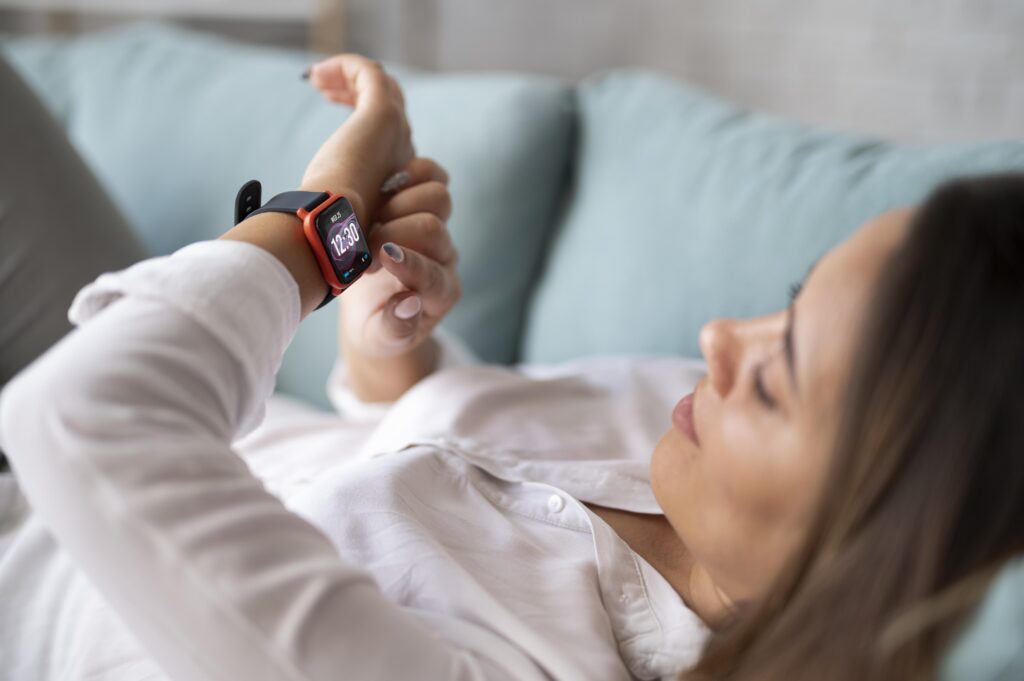
Modern moms are busier than ever. Between managing family responsibilities, work commitments, and personal goals, quality sleep often becomes an afterthought. Fortunately, wearable health technology like smart rings and fitness watches has made sleep tracking more accessible than ever.
But what do all those numbers actually mean?
If you’ve ever checked your sleep score and wondered whether it matters, this guide will help you understand how sleep tracking for moms can provide valuable insights into your overall health, recovery, and daily energy levels.
Why Sleep Tracking Matters for Moms
Sleep affects nearly every aspect of physical and mental well-being. Poor sleep can impact:
- Energy levels
- Mood and stress management
- Weight management
- Hormonal balance
- Recovery from exercise
- Immune system function
For moms juggling multiple responsibilities, understanding sleep quality can be the first step toward improving overall wellness.
What Your Sleep Tracker Is Measuring
Most smart rings and fitness watches monitor several key sleep metrics. Understanding these metrics helps you make informed health decisions.
1. Total Sleep Duration
This measures how many hours you sleep each night.
While the commonly recommended range is 7–9 hours for adults, quality matters just as much as quantity. Regularly getting less than 6 hours of sleep may affect recovery, focus, and metabolism.
2. Sleep Stages
Wearable devices typically track:
Deep Sleep
Deep sleep supports:
- Physical recovery
- Muscle repair
- Immune health
Low deep sleep levels may indicate stress, poor sleep habits, or inadequate recovery.
REM Sleep
REM sleep is associated with:
- Memory consolidation
- Learning
- Emotional regulation
Moms experiencing frequent interruptions during the night may see reduced REM sleep.
Light Sleep
Light sleep serves as the transition between wakefulness and deeper sleep stages. It typically represents the largest portion of total sleep time.
3. Sleep Efficiency
Sleep efficiency measures the percentage of time spent asleep while in bed.
A sleep efficiency score above 85% is generally considered good. Lower scores may indicate frequent awakenings or difficulty falling asleep.
Understanding Recovery Metrics
Many fitness watches and smart rings now provide recovery scores.
These scores often combine:
- Sleep quality tracking
- Heart rate variability (HRV)
- Resting heart rate
- Body temperature trends
A lower recovery score doesn’t necessarily mean something is wrong. It may simply indicate that your body needs more rest, hydration, or stress management.
Key Tip for Moms
Many women misinterpret wearable sleep data. Avoid these common mistakes:
1. Obsessing Over Sleep Scores
A lower score occasionally is normal. Focus on consistency rather than perfection.
2. Ignoring Lifestyle Factors
Sleep data should be viewed alongside:
- Nutrition habits
- Exercise levels
- Stress management
- Daily routines
3. Comparing Your Data to Others
Every woman has unique sleep patterns. What matters most is improving your own baseline over time.
How Moms Can Improve Sleep Quality
f your wearable consistently shows poor sleep quality, try these evidence-based strategies:
- Maintain a consistent bedtime schedule.
- Reduce screen exposure before bed.
- Limit caffeine late in the day.
- Create a cool, dark sleeping environment.
- Prioritize regular movement and exercise.
- Practice stress-reduction techniques like breathing exercises or meditation.
Small improvements can significantly impact sleep recovery metrics and overall wellness.
Conclusion
Your smart ring or fitness watch is more than a gadget it’s a powerful tool for understanding your health. By learning how to interpret sleep tracking data, moms can make smarter lifestyle decisions, improve recovery, and feel more energized throughout the day.
At FitMom Club, we believe that sustainable health starts with understanding your body. Better sleep leads to better energy, better workouts, and better long-term results.
Ready to take control of your health journey? Join FitMom Club today and discover personalized wellness strategies designed specifically for busy moms.
FAQs
What is the best way to lose weight naturally?
The best natural weight-loss method includes eating whole foods, reducing portion sizes, choosing high-fiber carbs, increasing protein, staying hydrated, and being physically active.
Can I lose weight without dieting?
Yes. Weight loss is possible through mindful eating, portion control, and choosing balanced meals instead of restrictive dieting.
What foods help with weight loss?
High-protein foods (chicken, eggs, yogurt), fiber-rich foods (oats, veggies), fruits, nuts, seeds, and whole grains all support weight loss.
Are carbs bad for weight loss?
No. Carbs are essential. Choose complex carbs like oats, whole grains, and sweet potatoes because they stabilize blood sugar and keep you full longer.
How much water should I drink to lose weight?
Aim for 8–10 glasses a day. Staying hydrated helps prevent overeating, boosts metabolism, and supports digestion.
Do I need to exercise every day to lose weight?
No. Even 30 minutes of walking daily plus strength training 2–3 times a week can significantly improve fat loss.
Is high protein eating good for weight loss?
Yes. High-protein diets reduce cravings, increase satiety, and help maintain muscle while losing fat.
Loved the Post? Share It!
Book your Free Consultation Now
Just fill in the form & our Health Consultant will get in touch with you
❌ Please fill all required fields.
✅ Thank you for submitting the form Our Health Consultant will reach out to you. Please respond to that.