


Feeding Your Teenager: Smart Nutrition for Healthy Hormones Without Mealtime Battles
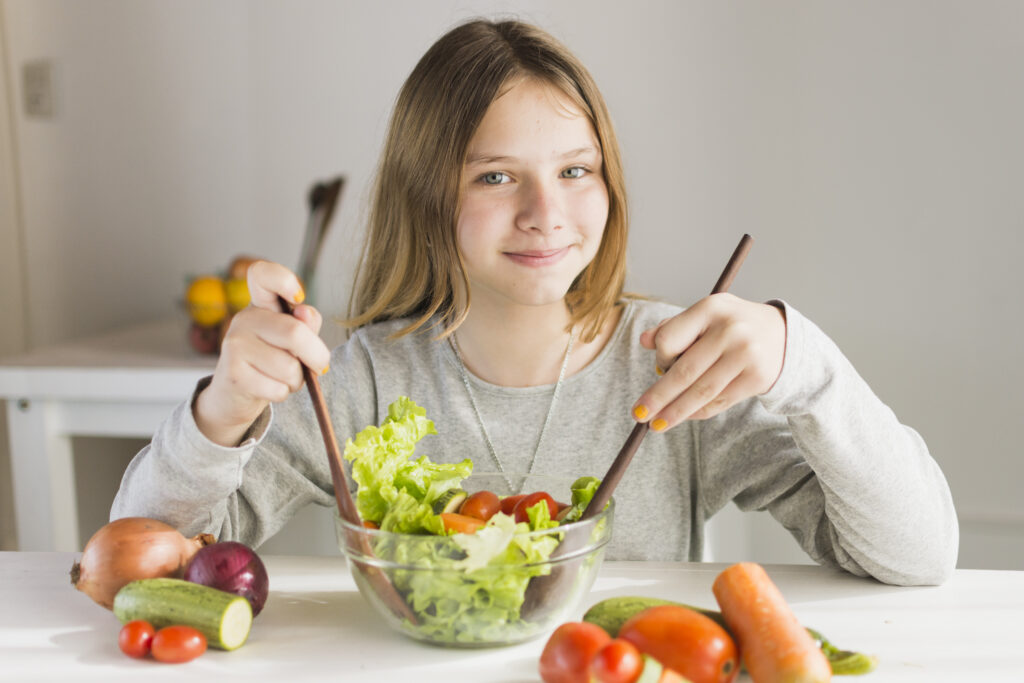
The teenage years bring rapid physical growth, emotional changes, and significant hormonal shifts. During this phase, nutrition plays a critical role in supporting healthy development, mood stability, energy levels, and long-term wellness. Yet many parents struggle with picky eating, junk food cravings, and resistance at the dinner table.
The good news? Supporting your teenager’s hormonal health doesn’t have to turn into a daily battle. By understanding their nutritional needs and creating a positive food environment, you can help them build healthy eating habits that last a lifetime.
Why Nutrition Matters During the Hormonal Teen Years
Puberty is one of the most demanding growth periods after infancy. Teenagers need increased amounts of nutrients to support:
- Hormone production and regulation
- Brain development
- Bone growth and strength
- Muscle development
- Immune system function
- Healthy skin and metabolism
Poor dietary habits during adolescence can contribute to fatigue, mood swings, nutrient deficiencies, weight issues, and reduced concentration.
Key Nutrients Every Teenager Needs
1. Protein for Growth and Repair
Protein supports muscle growth, tissue repair, and hormone production.
Healthy protein sources include:
- Eggs
- Chicken and fish
- Greek yogurt
- Lentils and beans
- Paneer and tofu
- Nuts and seeds
Aim to include a protein source in every meal.
2. Healthy Fats for Hormonal Balance
Many hormones are made from dietary fats. Avoiding all fats can negatively affect hormone health.
Best sources include:
- Avocados
- Nuts
- Seeds
- Olive oil
- Fatty fish such as salmon
3. Iron for Energy and Focus
Iron requirements increase significantly during adolescence, especially for girls.
Iron-rich foods include:
- Lean meats
- Spinach
- Lentils
- Beans
- Fortified cereals
Pair iron-rich foods with vitamin C sources like oranges or bell peppers for better absorption.
4. Calcium and Vitamin D for Strong Bones
Nearly half of adult bone mass develops during the teenage years.
Include:
- Milk and dairy products
- Yogurt
- Cheese
- Fortified plant-based milk
- Leafy greens
How to Reduce Food Battles at Home
Many parents focus on controlling what their teen eats. Unfortunately, this often creates resistance.
Shift From Control to Guidance
Instead of forcing healthy foods, encourage better choices through education and availability.
Try these strategies:
- Keep nutritious snacks visible and accessible.
- Involve teens in meal planning.
- Allow occasional treats without guilt.
- Eat meals together whenever possible.
- Model healthy eating habits yourself.
Focus on What to Add, Not What to Remove
Rather than banning favorite foods, encourage adding nutrient-rich options.
For example:
- Add fruit alongside snacks.
- Include vegetables in favorite dishes.
- Pair chips with a protein-rich dip.
- Add nuts or seeds to breakfast.
This approach feels less restrictive and more sustainable.
Common Nutrition Mistakes Parents Should Avoid
Skipping Breakfast
Breakfast helps support concentration, energy, and appetite regulation throughout the day.
Excessive Processed Foods
Highly processed foods are often high in sugar, sodium, and unhealthy fats, which may worsen mood fluctuations and energy crashes.
Overemphasizing Weight
Focus discussions on strength, energy, performance, and health rather than appearance or weight.
Creating a positive relationship with food is just as important as nutritional quality.
Sample Balanced Teen Plate
A simple formula for healthy meals:
- ½ plate vegetables and fruits
- ¼ plate lean protein
- ¼ plate whole grains
- Healthy fat source on the side
This balance supports growth, energy, and hormonal health without requiring strict dieting.
Conclusion
Navigating the hormonal teen years can be challenging, but nutrition remains one of the most powerful tools parents have to support their child’s physical and emotional well-being. By focusing on balanced meals, nutrient-dense foods, and positive food habits, you can reduce mealtime conflicts and help your teenager thrive.
At FitMom Club, we believe healthy families start with informed choices. Explore our expert wellness resources and personalized nutrition guidance to support every stage of your family’s health journey.
FAQs
What is the best way to lose weight naturally?
The best natural weight-loss method includes eating whole foods, reducing portion sizes, choosing high-fiber carbs, increasing protein, staying hydrated, and being physically active.
Can I lose weight without dieting?
Yes. Weight loss is possible through mindful eating, portion control, and choosing balanced meals instead of restrictive dieting.
What foods help with weight loss?
High-protein foods (chicken, eggs, yogurt), fiber-rich foods (oats, veggies), fruits, nuts, seeds, and whole grains all support weight loss.
Are carbs bad for weight loss?
No. Carbs are essential. Choose complex carbs like oats, whole grains, and sweet potatoes because they stabilize blood sugar and keep you full longer.
How much water should I drink to lose weight?
Aim for 8–10 glasses a day. Staying hydrated helps prevent overeating, boosts metabolism, and supports digestion.
Do I need to exercise every day to lose weight?
No. Even 30 minutes of walking daily plus strength training 2–3 times a week can significantly improve fat loss.
Is high protein eating good for weight loss?
Yes. High-protein diets reduce cravings, increase satiety, and help maintain muscle while losing fat.
Loved the Post? Share It!
Book your Free Consultation Now
Just fill in the form & our Health Consultant will get in touch with you
❌ Please fill all required fields.
✅ Thank you for submitting the form Our Health Consultant will reach out to you. Please respond to that.