


Mom Loneliness Epidemic: The Hidden Health Crisis and How to Break Free
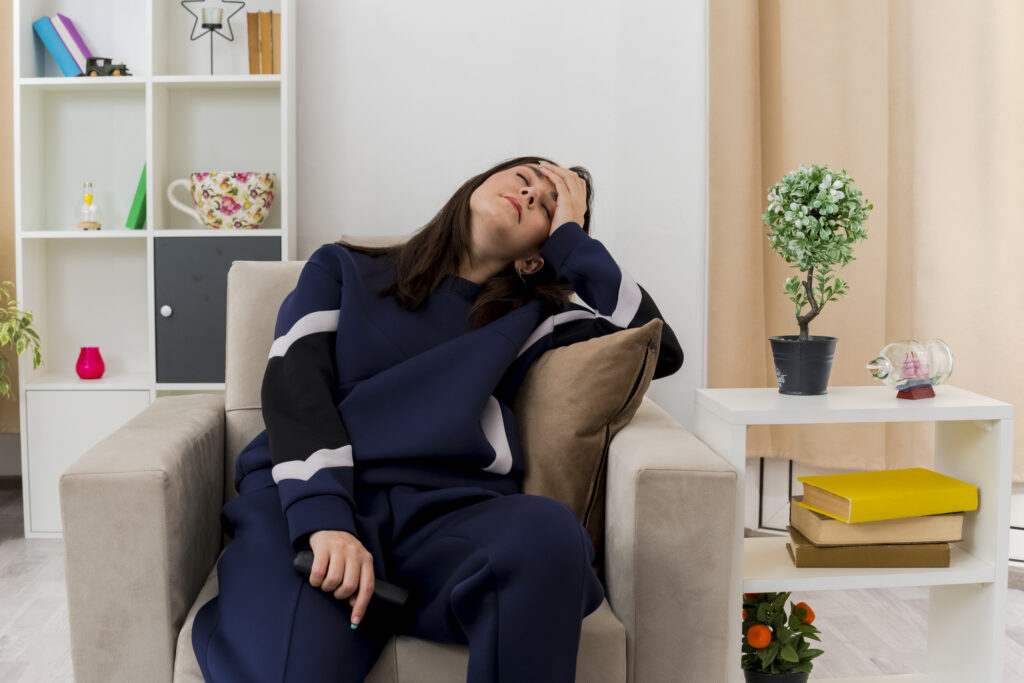
You’ve fed, bathed, and tucked the kids in but as the house goes quiet, an alltoofamiliar hollow feeling creeps in. You’re surrounded by people, yet deeply alone. If that resonates, you’re not imagining it. The mom loneliness epidemic is real, it’s rising, and it’s quietly threatening the health of millions of mothers worldwide.
In this post, FitMom Club breaks down why maternal isolation is more dangerous than most people realise and, more importantly, how you can break free from it.
Why the Mom Loneliness Epidemic Is Growing
Modern motherhood is a paradox. Social media keeps us “connected” 24/7, yet nearly 1 in 3 mothers reports feeling lonely most or all of the time. Several forces are driving this trend:
- Remote work and digital life have replaced neighbourhood communities and inperson support networks.
- The rise of nuclear families means fewer grandparents, aunts, or close friends living nearby.
- Cultural pressure to appear joyful and grateful leaves moms feeling guilty for admitting loneliness.
- Postpartum loneliness often goes undiagnosed, dismissed as “just the baby blues.”
The result? Millions of moms feel isolated, unseen, and emotionally exhausted in silence.
The Real Health Risks of Social Isolation for Mothers
Loneliness is not a mood. It is a medical condition. Research consistently shows that chronic social isolation among mothers carries serious physical and mental health consequences.
Mental Health Impacts
- Significantly higher risk of postpartum depression and anxiety.
- Increased rates of chronic stress, emotional burnout, and low selfesteem.
- Greater likelihood of developing longterm depression if isolation persists.
Physical Health Impacts
The body responds to loneliness as a threat, triggering the same stress pathways as physical danger. Prolonged social isolation in mothers is linked to:
- Weakened immune system function.
- Elevated cortisol and inflammation markers.
- Higher risk of cardiovascular disease and disrupted sleep.
- Poor nutrition and exercise habits due to low motivation.
Simply put: loneliness is as harmful to your health as smoking 15 cigarettes a day. For moms already running on empty, these risks compound fast.
Signs You May Be Experiencing Mom Loneliness
Loneliness is not always obvious. Watch for these common signs:
- You feel like no one truly understands your daily experience.
- You rarely have adult conversations that aren’t about the kids.
- You scroll social media for connection but feel emptier afterwards.
- You dread weekends or evenings when routine is disrupted.
- You feel invisible like motherhood has swallowed your identity.
Recognising these feelings is the first and most courageous step forward.
How to Break Free: Practical Strategies for Moms
Overcoming mom loneliness doesn’t require a complete life overhaul. Small, intentional steps can create meaningful change:
1. Prioritise RealWorld Connection
Digital likes don’t fill emotional voids. Seek out local mum groups, playgroups, or community fitness classes where facetoface relationships can form organically.
2. Join a Supportive Mom Community
Purposebuilt communities like FitMom Club give you a safe, judgementfree space to share honestly, celebrate wins, and support each other through the hard days. Connection thrives when it’s intentional.
3. Move Your Body, Even for 15 Minutes
Exercise is a proven antidote to loneliness and depression. A short walk, a yoga session, or a group workout can dramatically shift your mood and open the door to new friendships.
4. Practise MicroMoments of SelfCare
You cannot pour from an empty cup. Even five minutes of intentional rest journaling, deep breathing, or quiet tea signals to your nervous system that you matter.
5. Ask for Help Without Guilt
Needing support is not weakness. It is human. Reach out to a trusted friend, a therapist, or a mom wellness programme. You deserve a village and it starts with saying yes to one.
Frequently Asked Questions (FAQs)
Q1: Why do moms feel so lonely even when they’re never alone?
Moms often feel lonely because their social interactions are focused almost entirely on caregiving rather than their own emotional needs. Being physically surrounded by children is not the same as feeling genuinely heard, valued, or connected as an individual. Maternal isolation is an emotional experience, not just a physical one.
Q2: Can mom loneliness cause health problems?
Yes. Chronic loneliness in mothers is associated with higher rates of depression, anxiety, weakened immunity, elevated cortisol levels, poor sleep, and increased cardiovascular risk. Mental health for moms is directly linked to physical wellbeing neglecting one affects the other.
Q3: What is the fastest way to overcome mom loneliness?
The fastest way to overcome mom loneliness is to take one small step toward genuine connection today. This might be joining a mom community online, attending a local fitness class, or simply texting a friend honestly about how you feel. Consistent, authentic connection not quantity of interactions is what heals loneliness.
Conclusion: Your Loneliness Is Valid and Changeable
The mom loneliness epidemic is not your fault, and it is not permanent. Acknowledging it is brave. Addressing it is essential for your health, your happiness, and your family.
You were never meant to do this alone. Motherhood is richer, stronger, and more joyful when it is shared.
FAQs
What is the best way to lose weight naturally?
The best natural weight-loss method includes eating whole foods, reducing portion sizes, choosing high-fiber carbs, increasing protein, staying hydrated, and being physically active.
Can I lose weight without dieting?
Yes. Weight loss is possible through mindful eating, portion control, and choosing balanced meals instead of restrictive dieting.
What foods help with weight loss?
High-protein foods (chicken, eggs, yogurt), fiber-rich foods (oats, veggies), fruits, nuts, seeds, and whole grains all support weight loss.
Are carbs bad for weight loss?
No. Carbs are essential. Choose complex carbs like oats, whole grains, and sweet potatoes because they stabilize blood sugar and keep you full longer.
How much water should I drink to lose weight?
Aim for 8–10 glasses a day. Staying hydrated helps prevent overeating, boosts metabolism, and supports digestion.
Do I need to exercise every day to lose weight?
No. Even 30 minutes of walking daily plus strength training 2–3 times a week can significantly improve fat loss.
Is high protein eating good for weight loss?
Yes. High-protein diets reduce cravings, increase satiety, and help maintain muscle while losing fat.
Loved the Post? Share It!
Book your Free Consultation Now
Just fill in the form & our Health Consultant will get in touch with you
❌ Please fill all required fields.
✅ Thank you for submitting the form Our Health Consultant will reach out to you. Please respond to that.