

FitMom Club

Weightloss

The “Longevity” Pantry: 10 Anti-Inflammatory Staples to Fight Winter Burnout ​

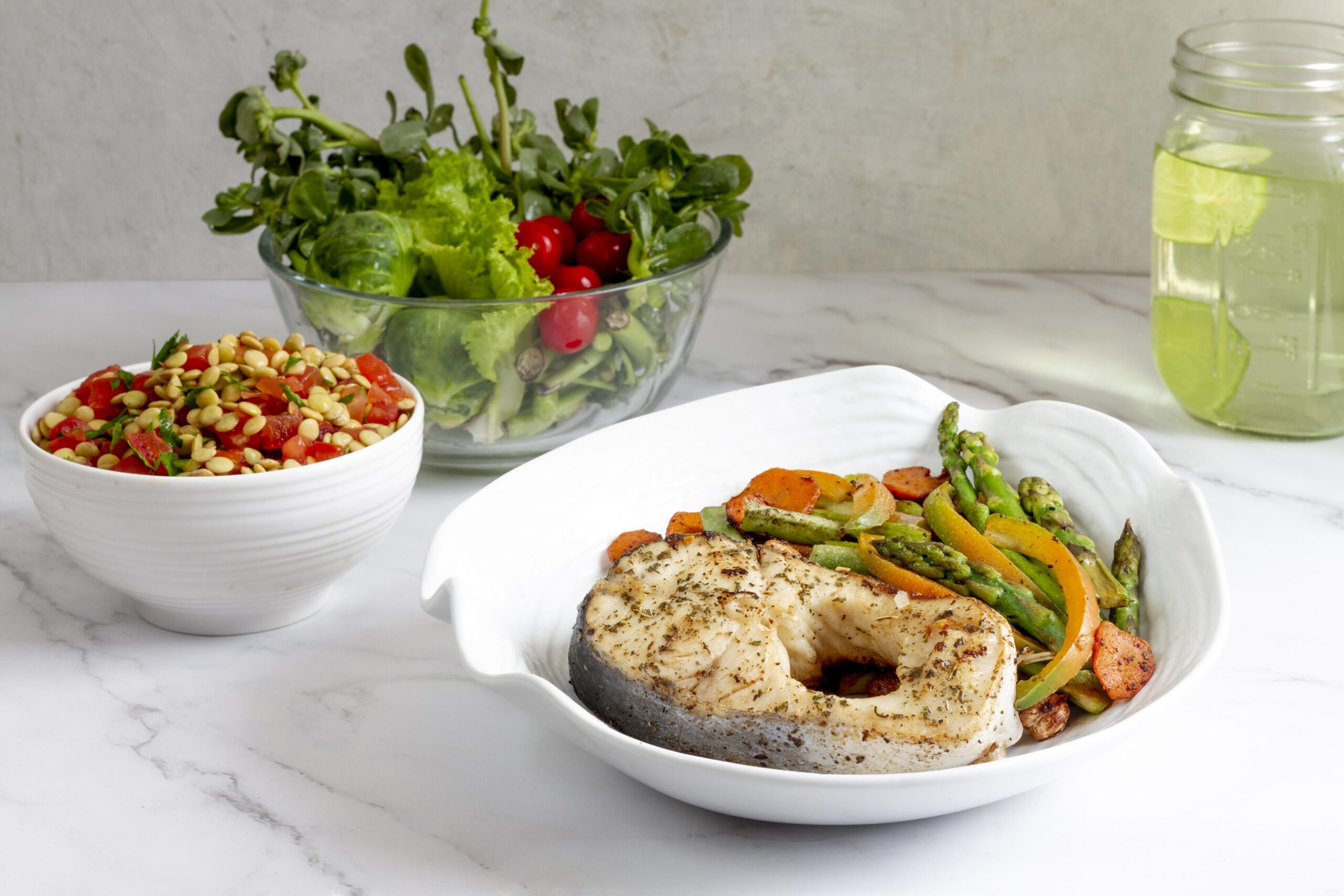
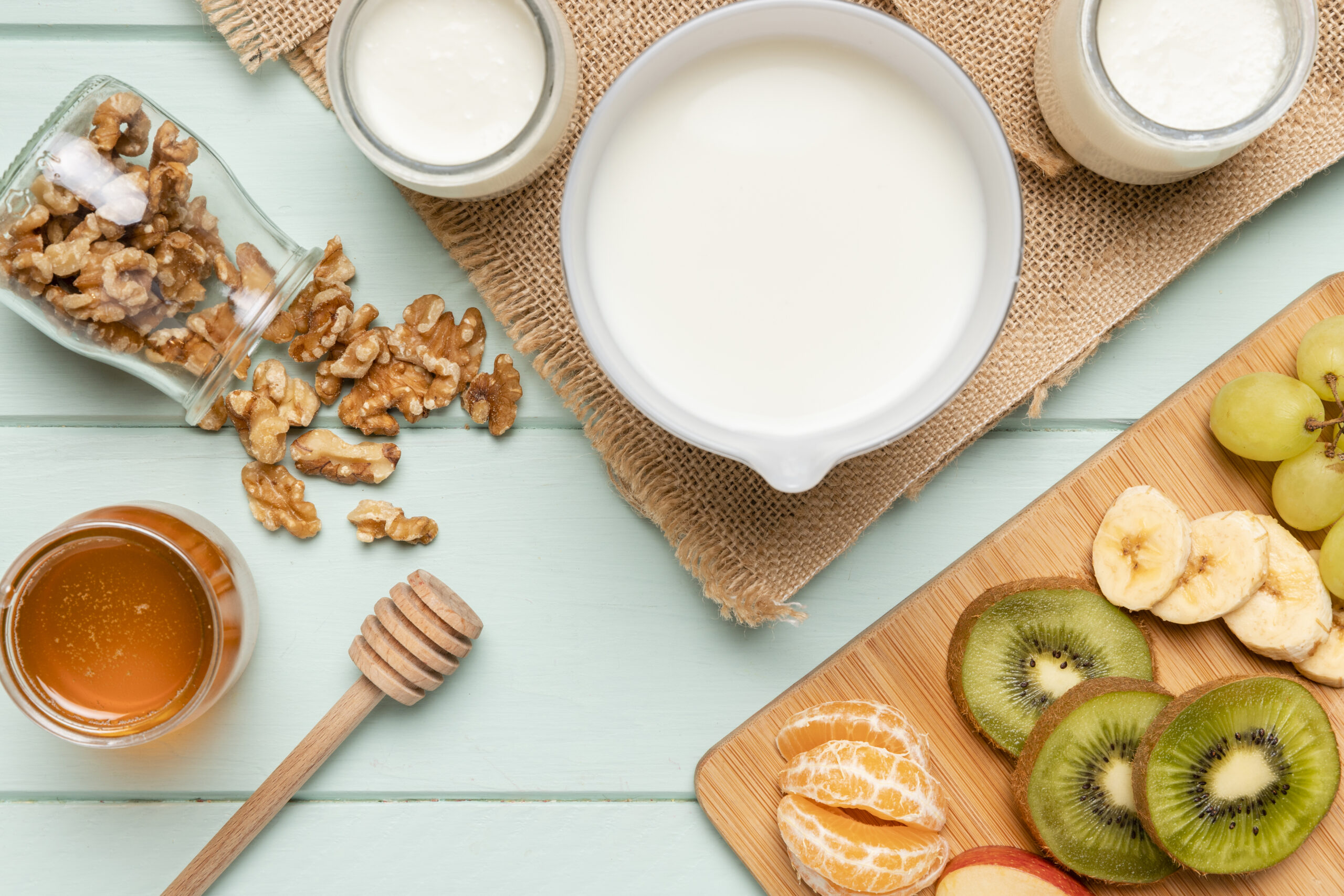
The “Longevity” Pantry: 10 Anti-Inflammatory Staples to Fight Winter Burnout Winter burnout is real especially for moms juggling careers, kids, hormones, and the mental load that never seems to hibernate. Shorter days, less sunlight, heavier meals, and constant exposure to seasonal bugs can drain energy fast. That’s why what’s in your pantry matters more than ever.  Welcome to the concept of The Longevity Pantrya smart, intentional collection of foods that actively support mitochondrial health, gut health, energy production, and immune resilience. This isn’t about restriction or dieting. It’s about nourishment, sustainability, and tapping into emerging wellness science like the 2026 Fibermaxxing trend to feel strong, clear-headed, and energized all winter long.  In this guide for the FitMomClub community, we’ll explore 10 anti-inflammatory pantry staples that work at the cellular level to fight fatigue, brain fog, inflammation, and low immunity. Each staple is easy to store, simple to use, and powerful enough to make a real difference in how you feel day to day.  Why Anti-Inflammatory Foods Matter for Moms in Winter Chronic low-grade inflammation is one of the biggest drivers of winter burnout. It affects hormones, mood, digestion, immunity, and most importantly mitochondrial function, the tiny power plants inside your cells responsible for energy.    When inflammation rises:  Energy production drops  Gut health suffers  Cravings increase  Immunity weakens  Fatigue becomes constant  Anti-inflammatory whole foods help calm the immune system, repair cells, and feed beneficial gut bacteria. For moms, this translates to more stable energy, better digestion, fewer crashes, and stronger immunity without extreme protocols.  The 2026 “Fibermaxxing” Trend Explained (And Why It Matters) You’ll be hearing a lot about Fibermaxxing in 2026and for good reason. This trend focuses on strategically increasing diverse, whole-food fiber sources to support:    Gut microbiome diversity  Blood sugar stability  Hormonal balance  Mitochondrial efficiency  Immune strength  Fiber isn’t just about digestion anymore. It’s now recognized as a longevity nutrient that fuels gut bacteria, reduces inflammation, and improves energy metabolism.    The pantry staples below naturally support Fibermaxxing without counting grams or eating bland meals.  How the Longevity Pantry Supports Mitochondrial Health Mitochondria thrive on:    Polyphenols  Healthy fats  Minerals and antioxidants  Stable blood sugar  Ultra-processed foods damage mitochondrial membranes, while whole foods help repair them. Each staple in this list supports cellular repair and energy efficiency, helping you feel more alive instead of depleted.  10 Anti-Inflammatory Longevity Pantry Staples Extra Virgin Olive Oil (Cold-Pressed) Why it matters: Extra virgin olive oil is rich in oleic acid and polyphenols, which reduce inflammation and protect mitochondria from oxidative stress.  Benefits for moms:  Supports heart and brain health  Improves insulin sensitivity  Enhances nutrient absorption  How to use it:  Drizzle over roasted veggies  Add to soups after cooking  Use in homemade salad dressings  Longevity tip: Choose dark glass bottles and store away from heat to preserve antioxidants.    Lentils (Green, Brown, or Red) Why they matter: Lentils are a Fibermaxxing superstar packed with prebiotic fiber, plant protein, iron, and folate.  Benefits for energy & gut health:  Feed beneficial gut bacteria  Stabilize blood sugar  Support hormone balance  Easy winter uses:  Lentil soups and stews  Added to salads  Blended into dips  Lentils are affordable, shelf-stable, and deeply nourishing perfect for busy moms.    Canned Wild-Caught Sardines or Salmon Why they matter: These small fish are loaded with omega-3 fatty acids, which actively reduce inflammation and support mitochondrial membranes.  Benefits:  Improve brain clarity  Reduce joint pain  Support postpartum and perimenopausal health  Pantry-friendly tip: Choose BPA-free cans packed in olive oil or water.  If you’re tired and inflamed, omega-3s are non-negotiable.    Oats (Steel-Cut or Rolled) Why they matter: Oats contain beta-glucan fiber, which supports immune function and gut health.  Why moms love them:  Promote steady energy  Reduce cholesterol  Keep you full longer  Upgrade your oats:  Add cinnamon, chia seeds, and walnuts  Use for savory oatmeal bowls  Oats are comfort food that actually loves you back.    Walnuts Why they matter: Walnuts are rich in ALA omega-3s, polyphenols, and magnesium, all essential for brain and mitochondrial health.  Benefits:  Reduce inflammation markers  Support cognitive function  Improve mood  Easy ways to use:  Sprinkle on oatmeal  Add to salads  Blend into sauces  A small handful daily goes a long way.    Turmeric (With Black Pepper) Why it matters: Turmeric contains curcumin, a potent anti-inflammatory compound that supports cellular repair.  Benefits for winter wellness:  Reduces joint and muscle pain  Supports immune balance  Protects brain health  Pro tip: Always pair turmeric with black pepper to boost absorption by up to 2000%.  Use it in soups, curries, golden milk, or roasted veggies.    Canned Chickpeas Why they matter: Chickpeas are a Fibermaxxing essential high in resistant starch and prebiotic fiber.  Benefits:  Support gut health  Improve blood sugar control  Promote satiety  Quick pantry meals:  Hummus  Chickpea curry  Roasted chickpea snacks  Rinse canned chickpeas to reduce sodium and improve digestion.    Fermented Foods (Shelf-Stable Options) Examples include:  Sauerkraut (jarred)  Kimchi (jarred)  Miso paste  Why they matter: Fermented foods deliver beneficial bacteria and postbiotics that support gut and immune health.  Benefits:  Improve digestion  Reduce inflammation  Support mental clarity  Even small daily servings can make a big impact.    Dark Chocolate (85% Cocoa or Higher) Yesthis is longevity-approved.  Why it matters: Dark chocolate is rich in flavanols, which support mitochondrial efficiency and blood flow.  Benefits:  Boost mood  Support heart health  Reduce oxidative stress  Mindful indulgence: 1–2 small squares after meals is enough.    Herbs & Spices (Cinnamon, Ginger, Garlic Powder) Why they matter: Herbs and spices are concentrated sources of anti-inflammatory and antioxidant compounds.  Top benefits:  Improve insulin sensitivity  Support immune defense  Enhance flavor without additives  Fibermaxxing bonus: Spices support gut diversity by feeding different bacterial strains.  How to Build Your Longevity Pantry on a Budget You don’t need to overhaul everything at once. Start with:    Olive oil  Lentils  Oats  One canned fish option  Then build slowly. Longevity is about consistency, not perfection.  Simple Daily Routine for Energy & Immunity Breakfast: Oats with walnuts and cinnamon  Lunch: Lentil soup with olive oil drizzle  Snack: Dark chocolate + herbal tea  Dinner: Chickpeas or sardines with veggies  Gut boost: Small serving of fermented food  This rhythm supports gut health, mitochondrial function, and stable energy all day.  Common Mistakes That Undermine Anti-Inflammatory Eating Over-relying on ultra-processed “health” foods  Skipping fats (bad for hormones and mitochondria)  Not eating enough fiber variety  Expecting instant results  Real change happens at the cellular level, over time.  Why This Matters for Fit Moms Long-Term Longevity isn’t about living longer it’s about living better. For moms, that means:    More energy for your family  Fewer sick days  Better mood and focus  Stronger immunity year-round  Your pantry can either drain you or fuel you.  Conclusion: Small Pantry Shifts, Massive Longevity Gains Winter burnout doesn’t require extreme cleanses or complicated meal plans. It requires strategic nourishment. By stocking your kitchen with these 10 anti-inflammatory longevity staples, you support your gut, protect your mitochondria,

The “Longevity” Pantry: 10 Anti-Inflammatory Staples to Fight Winter Burnout ​ Read More »

Healthy Home Challenge 2026 | FitMom Club Family Wellness

Healthy Home Challenge 2026 | FitMom Club Family Wellness A Family Wellness Movement Powered by FitMom Club Your Healthiest Home Journey Starts Today!    In today’s fast-paced world, health often becomes an individual goal. One person diets. Another tries to exercise. Someone else promises to “start from Monday.” But what if wellness wasn’t a solo journey?    What if it were a family movement?    Welcome to the Healthy Home Challenge 2026, a powerful people’s wellness movement by FitMom Club, designed to transform not just individuals, but entire families.  Why Healthy Homes Matter More Than Ever At FitMom Club, we believe one simple truth:    Healthy Moms Create Healthy Families.  Mothers are the heartbeat of every home. When mom feels energetic, confident, and mentally strong, the entire household benefits. But real transformation happens when the whole family joins the journey.    When health becomes a shared mission:    Meals become mindful.  Movement becomes fun.  Screen time reduces naturally.  Emotional bonding improves.  Children learn lifelong healthy habits.  This is not just weight loss. This is lifestyle leadership.  What is the Healthy Home Challenge 2026? The Healthy Home Challenge is a structured, community-driven transformation initiative where moms invite their husbands and kids to commit to better health, together.    It’s about:    Balanced nutrition for the entire family  Simple home workouts everyone can follow  Building mental resilience  Teaching kids healthy habits early  Strengthening family bonds through shared goals  Instead of one person “being on a diet,” the whole family becomes a wellness team.  The Healthy Home Promise When you join the movement, you make a promise:    We choose nourishing food over convenience.  We move our bodies daily, even if it’s just 20 minutes.  We reduce stress together.  We support each other without criticism.  We grow stronger, physically and emotionally, as one unit.  This isn’t about perfection. It’s about progress, together.  Why Refer Your Husband & Kids? Because transformation multiplies when shared.    When husbands join:   Accountability increases  Lifestyle changes become sustainable  Family meals align with health goals  Emotional support grows  When kids join:    They develop healthy eating habits early  Screen time reduces naturally  Physical activity becomes normal  Confidence improves  You’re not just transforming bodies. You’re shaping the future of your home.  Powered by FitMom Club FitMom Club has helped thousands of women reclaim their health with structured nutrition guidance, home workout plans, and strong community support.    With the Healthy Home Challenge 2026, we are expanding that vision, from fit moms to fit families.    Because a healthy society begins with healthy homes.  Who Is This For? This challenge is perfect for:    Moms who want long-term family health  Families struggling with lifestyle-related issues  Parents wanting better habits for their children  Women who don’t want to transform alone  Homes ready to commit to a wellness culture  Your Healthiest Home Starts Today 2026 is not about resolutions. It’s about revolution, inside your home.    Imagine:  Family workout evenings  Healthy Sunday meal prep together  Reduced stress and improved bonding  Kids who grow up seeing fitness as normal  A home filled with energy and positivity  That’s the power of a Healthy Home.  Ready to Make the Healthy Home Promise? Refer your husband and your kids today.  Transform together.  Grow stronger together.  Live healthier together.  Join the Healthy Home Challenge 2026    Be the reason your family thrives.  FAQs Loved the Post? Share It!

Healthy Home Challenge 2026 | FitMom Club Family Wellness Read More »

Why Your Body Clock Matters More Than Workout Time

Why Your Body Clock Matters More Than Workout Time Introduction: Circadian rhythm for moms influences energy, fat loss, sleep quality, and workout performance more than perfect timing ever will. If you’ve ever forced yourself into a workout at the “right” time but felt exhausted, your body clock may be the real factor. Your body runs on rhythm not rigid schedules. What Is Circadian Rhythm? Your circadian rhythm is your internal 24-hour body clock. It regulates: Sleep cycles Hormone release Body temperature Metabolism Energy levels For mothers balancing work, kids, and home responsibilities, circadian rhythm often gets disrupted. When your rhythm is off, workouts feel harder, sleep suffers, and fat loss slows. Why Circadian Rhythm for Moms Matters Women’s hormonal patterns fluctuate monthly, and daily rhythms influence how the body responds to stress and exercise. Circadian rhythm for moms affects: Cortisol levels Insulin sensitivity Muscle performance Recovery capacity Working with your rhythm instead of against it improves results. Morning vs Evening Workouts: What Really Matters? There is no universal “best” workout time. But there are patterns: Morning Cortisol is naturally higher Fat oxidation may be slightly elevated Good for consistency Afternoon/Evening Body temperature peaks Strength and coordination improve Reaction time is faster Instead of chasing trends, track your personal energy patterns. Signs Your Body Clock Is Disrupted Many moms experience rhythm disruption due to: Late-night scrolling Irregular sleep schedules High stress Skipped meals Symptoms include: Afternoon crashes Difficulty sleeping Brain fog Low workout motivation When rhythm is misaligned, forcing intense workouts may increase fatigue. How to Reset Circadian Rhythm Naturally 1. Morning Light Exposure Sunlight within 30 minutes of waking helps regulate melatonin and cortisol. 2. Consistent Sleep Schedule Going to bed and waking up at similar times improves hormonal balance. 3. Eat at Regular Intervals Stable meal timing supports metabolic rhythm. 4. Reduce Late-Night Screen Time Blue light disrupts melatonin production. Small daily habits restore alignment over time. How Rhythm Impacts Fat Loss Circadian rhythm for moms influences: Insulin sensitivity Cortisol response Appetite hormones Late-night eating and irregular sleep increase fat storage signals. Aligning meals and movement with natural rhythms supports metabolism. Matching Workouts to Your Energy Instead of copying influencers, ask: When do I feel naturally energized? When do I feel strongest? When can I be consistent? For many moms: Morning walking works best Afternoon strength feels strongest Evening yoga supports sleep Personalization wins. The Stress Connection When moms are chronically stressed, cortisol remains elevated. This disrupts circadian patterns and impacts recovery. Managing stress improves: Sleep depth Hormonal balance Workout performance Movement should support rhythm not spike stress further. Conclusion Circadian rhythm for moms matters more than rigid workout timing rules. Your body responds best when movement, meals, and sleep align with natural patterns.   At FitMom Club, we believe sustainable fitness starts with understanding your biology. When you respect your body clock, results follow naturally. FAQs Loved the Post? Share It!

Why Your Body Clock Matters More Than Workout Time Read More »

The Walking Trend Moms Are Using to Get Fit Without Burning Out

The Walking Trend Moms Are Using to Get Fit Without Burning Out Introduction: Walking for moms is becoming the go-to fitness trend because it builds results without burnout. More mothers are stepping away from extreme workouts and turning to walking as a sustainable, stress-friendly way to stay fit. And it’s working. Why High-Intensity Plans Often Fail Moms Many moms start the year with: 5-day gym plans Intense cardio routines Strict calorie deficits “No excuses” goals But between work, parenting, and sleep disruption, high-intensity fitness often leads to exhaustion instead of progress. Burnout happens when stress from life meets stress from workouts. Why Walking for Moms Works Differently Walking is low impact but powerful. It: Improves cardiovascular health Supports fat metabolism Regulates blood sugar Reduces cortisol Improves mood Unlike intense training, walking does not spike stress hormones significantly. For moms already managing mental load, this matters. The Cortisol Advantage Chronic stress increases cortisol, which: Slows fat loss Increases belly fat storage Disrupts sleep Lowers energy Walking helps lower stress levels while still improving metabolic health. Walking for moms supports the nervous system instead of overwhelming it. How Walking Supports Fat Loss Walking increases daily calorie burn without increasing appetite dramatically. It improves: Insulin sensitivity Fat oxidation Recovery between strength sessions Combined with strength training, walking becomes a powerful fat-loss strategy. The Consistency Factor The biggest reason walking works? It’s sustainable. Most moms can commit to: 20–40 minutes daily Walking during school drop-off Post-dinner walks Phone-call walks When movement fits life, consistency improves. Consistency beats intensity. Mental Health Benefits Walking outdoors provides: Reduced anxiety Improved mood Mental clarity Better emotional regulation For busy moms, walking becomes more than exercise it becomes a reset. How to Use Walking Strategically Walking for moms works best when: Done daily or 4–6 times per week Combined with 2–3 strength sessions Performed at a brisk but comfortable pace Aim for: 7,000–10,000 steps per day Or 30–45 minutes of steady walking No fancy equipment required. Why Moms Are Choosing Sustainability Over Intensity More women are realizing: Fitness does not need to feel extreme to be effective. Walking allows moms to: Stay consistent Avoid injury Maintain energy Reduce stress Model healthy habits for kids It supports life instead of competing with it. Conclusion Walking for moms is not a downgrade from “real workouts.” It is a smart, sustainable strategy that supports fat loss, stress management, and long-term health.   At FitMom Club, we believe fitness should energize you not exhaust you. When movement feels manageable, it becomes a habit that lasts. Sometimes the most powerful trend is the simplest one. FAQs Loved the Post? Share It!

The Walking Trend Moms Are Using to Get Fit Without Burning Out Read More »

Leaking, Pain, or Weak Core? Every Mom Needs to Read This

Leaking, Pain, or Weak Core? Every Mom Needs to Read This Introduction: Pelvic floor health for moms is often ignored, even though it affects daily comfort, confidence, and strength. Leaking when you laugh. Pain during workouts. A core that feels disconnected. These symptoms are common  but they are not normal. Your body deserves support, not silence. Why So Many Moms Experience These Symptoms Pregnancy and childbirth place significant pressure on the pelvic floor muscles. These muscles support: The bladder The uterus The bowel Core stability After delivery, especially without proper rehabilitation, weakness or imbalance can develop. This may lead to: Urinary leakage Lower back pain Pelvic discomfort Abdominal separation (diastasis recti) Feeling unstable during exercise Pelvic floor health for moms is foundational  not optional. The Core Is More Than Abs Many moms try to “fix” weakness by doing crunches or intense ab workouts. But the core includes: Deep abdominal muscles Diaphragm Pelvic floor Lower back stabilizers If the pelvic floor is weak or over-tight, traditional ab exercises can worsen symptoms. True core strength starts deeper. Why Leaking Is a Red Flag Urinary leakage during sneezing, jumping, or running is often brushed off as “just part of motherhood.” It is not. It is a signal that pelvic floor muscles need support. Ignoring it can lead to: Increased dysfunction over time Avoidance of exercise Reduced confidence Pelvic floor health for moms improves both physical and emotional wellbeing. Pain During Workouts Is Not Normal Pelvic or lower abdominal pain during exercise may indicate: Muscle imbalance Poor breathing mechanics Excessive intra-abdominal pressure Before increasing intensity, restoring pelvic floor function is essential. The Role of Breathing Most moms overlook breathing. Proper diaphragmatic breathing helps: Activate deep core muscles Reduce pressure on the pelvic floor Improve stability Try this simple reset: Inhale deeply through the nose.Allow ribs and belly to expand.Exhale slowly while gently lifting pelvic floor muscles. Small changes create powerful results. Safe Ways to Rebuild Strength Pelvic floor health for moms improves with: Controlled core exercises Glute strengthening Posture correction Gradual load progression Examples include: Dead bugs Glute bridges Side-lying leg lifts Modified planks Avoid jumping or high-impact workouts until stability improves. When to Seek Professional Support If symptoms persist, consult: Pelvic floor physical therapists Women’s health specialists Professional guidance accelerates recovery and prevents long-term issues. Early support makes a difference. Long-Term Benefits of Prioritizing Pelvic Floor Health When moms rebuild properly, they experience: Stronger core stability Reduced back pain Improved posture Greater confidence during workouts Better long-term resilience Healing does not mean weakness. It means rebuilding intelligently. Conclusion Pelvic floor health for moms deserves attention, compassion, and proper guidance. Leaking, pain, and weak core symptoms are common  but they are treatable.   At FitMom Club, we believe strength starts from the inside out. When you restore your foundation, everything above it becomes stronger. FAQs Loved the Post? Share It!

Leaking, Pain, or Weak Core? Every Mom Needs to Read This Read More »

High-Protein Dinners That Feel Like Date Night (Even on Busy Mom Days)

High-Protein Dinners That Feel Like Date Night (Even on Busy Mom Days) Introduction: High protein dinners for moms can feel indulgent while still supporting energy, hormones, and fitness goals.. Busy days don’t mean boring meals. With the right ingredients and simple upgrades, dinner can nourish your body and feel special at the same time. Why Protein Matters So Much for Moms Many moms unintentionally under-eat protein, especially at dinner. But protein plays a key role in: Muscle maintenance Hormone balance Blood sugar stability Satiety and reduced cravings Metabolic support High protein dinners for moms help prevent late-night snacking and energy crashes the next morning. The “Date Night” Feeling Without the Effor You don’t need complicated recipes to create a meal that feels elevated. A few small upgrades make a big difference: Fresh herbs Quality olive oil A squeeze of lemon Proper plating Candles or softer lighting Presentation changes perception. 5 High-Protein Dinners That Feel Special 1. Garlic Butter Salmon with Roasted Vegetables Salmon provides high-quality protein and omega-3 fats that support hormone balance. Serve with: Roasted asparagus Sweet potatoes A drizzle of lemon Simple. Elegant. Nourishing. 2. Greek-Style Chicken Bowls Grilled chicken, cucumber, cherry tomatoes, olives, and feta over quinoa or brown rice. Top with: Tzatziki Fresh parsley Olive oil Balanced protein, fiber, and healthy fats. 3. Steak and Arugula Salad Lean steak sliced over arugula with: Cherry tomatoes Parmesan shavings Balsamic glaze This option feels restaurant-quality while remaining nutrient-dense. 4. Shrimp and Zucchini Pasta Use zucchini noodles or high-protein pasta. Add: Garlic Cherry tomatoes Spinach Olive oil Light, satisfying, and supportive of blood sugar stability. 5. High-Protein Veggie Stir-Fry Tofu, tempeh, or lean beef with mixed vegetables. Serve over cauliflower rice or brown rice. Add sesame seeds for extra flavor and healthy fats. Why These Meals Support Hormones and Energy High protein dinners for moms help: Prevent blood sugar spikes Reduce cortisol at night Improve muscle recovery Support metabolism Protein also increases satiety, which reduces emotional snacking after stressful days. The Blood Sugar Advantage Balanced dinners combining protein, fiber, and healthy fats prevent: Evening cravings Midnight hunger Morning fatigue Stable blood sugar supports better sleep quality which is critical for busy moms. Make It Sustainable The key is not perfection. High protein dinners for moms work best when they are: Simple Repeatable Flexible Enjoyable Batch cooking proteins at the start of the week reduces decision fatigue. The Emotional Benefit of Intentional Meals Taking 20 minutes to plate food thoughtfully changes how dinner feels. Even on chaotic days, a calm meal: Reduces stress Encourages mindful eating Strengthens connection with family Improves digestion Nutrition is physical and emotional. Conclusion High protein dinners for moms don’t need to be complicated. With small upgrades and intentional ingredients, you can create meals that support hormones, metabolism, and energy  while still feeling like date night.   At FitMom Club, we believe nourishment should feel supportive, not restrictive. Strong moms deserve meals that fuel the body and elevate the experience. FAQs Loved the Post? Share It!

High-Protein Dinners That Feel Like Date Night (Even on Busy Mom Days) Read More »

Brain Fog Is Not Normal: How Movement Helps Moms Think Clearly Again

Brain Fog Is Not Normal: How Movement Helps Moms Think Clearly Again Introduction: Brain fog in moms is common, but it should not be considered normal. If you constantly feel forgetful, mentally slow, or overwhelmed, your body may be signaling stress overload not failure. The good news? Movement is one of the most powerful tools to restore clarity and focus. What Brain Fog in Moms Really Feels Like Brain fog often shows up as: Forgetting simple tasks Difficulty concentrating Losing track of conversations Mental fatigue by mid-day Feeling emotionally scattered Many moms assume this is just part of motherhood. But chronic mental fog is usually linked to stress, poor sleep, hormonal shifts, and lack of circulation. Why Brain Fog in Moms Happens Several factors contribute to mental cloudiness: 1. Chronic Stress High cortisol levels affect memory, focus, and cognitive flexibility. 2. Sleep Disruption Interrupted sleep impacts brain recovery and neurotransmitter balance. 3. Hormonal Changes Fluctuations in estrogen and progesterone can affect mental clarity. 4. Sedentary Lifestyle Low movement reduces blood flow to the brain. While supplements and caffeine may offer temporary relief, they don’t address the root cause. How Movement Restores Mental Clarity Many moms focus only on body weight, but weight alone does not determine cardiovascular health. You can: Be slim but have high blood pressure Exercise regularly but have elevated cholesterol Eat well but struggle with stress-related blood sugar spikes Tracking these five numbers provides a more accurate picture of heart health for moms. How Moms Can Improve These Numbers Naturally Movement increases blood flow and oxygen delivery to the brain. This improves cognitive performance almost immediately. Exercise also: Boosts dopamine and serotonin Reduces cortisol levels Enhances neuroplasticity Improves sleep quality Even moderate physical activity can shift mental state within minutes. Why Gentle Movement Works Better Than Intense Workouts When moms are already stressed, extreme workouts can increase cortisol further. Instead, focus on: Brisk walking Light strength training Yoga Mobility exercises Short bodyweight circuits Consistency beats intensity when clearing brain fog. A Simple 20-Minute Reset Routine When mental fog hits, try: 5 minutes of brisk walking 5 minutes of light squats and push-ups 5 minutes of mobility work 5 minutes of deep breathing This combination improves circulation and calms the nervous system. The Brain–Body Connection The brain does not function independently from the body. When circulation improves, inflammation reduces, and stress decreases, mental clarity returns naturally. Brain fog in moms often improves when: Daily step count increases Strength training improves metabolic health Stress-regulation habits are consistent Movement supports both neurological and hormonal balance. Long-Term Benefits of Regular Movement Moms who prioritize daily movement often report: Sharper thinking Better mood stability Reduced anxiety Improved productivity More sustained energy Brain fog fades when the body is supported. Conclusion Brain fog in moms is common but it is not inevitable. Movement improves circulation, reduces stress hormones, and restores mental clarity naturally.   At FitMom Club, we believe strong minds begin with strong bodies. When you move consistently, your focus, confidence, and energy follow. FAQs Loved the Post? Share It!

Brain Fog Is Not Normal: How Movement Helps Moms Think Clearly Again Read More »

Heart Health for Moms: The 5 Numbers You Should Actually Care About

Heart Health for Moms: The 5 Numbers You Should Actually Care About Introduction: Heart health for moms depends on understanding the key numbers that protect long-term cardiovascular Most mothers focus on weight, but true heart health is measured by deeper markers. Knowing the right numbers helps moms stay strong, energetic, and resilient for years to come. Why Heart Health for Moms Deserves More Attention Heart disease remains one of the leading health risks for women, yet many moms overlook their own cardiovascular wellness. Between stress, hormonal changes, lack of sleep, and busy schedules, heart strain can quietly increase without obvious warning signs.   Focusing on heart health for moms means shifting attention from appearance to prevention. When you understand the numbers that matter, you gain control over your long-term health. . The 5 Numbers That Actually Matter 1. Blood Pressure Blood pressure measures how hard your heart works to pump blood. Consistently high readings increase the risk of heart disease and stroke. A healthy target is generally around 120/80 mmHg or lower. Regular monitoring helps catch problems early before symptoms appear. 2. Resting Heart Rate Your resting heart rate reflects cardiovascular efficiency. A lower resting heart rate often indicates stronger heart function. For most women, a resting heart rate between 60–80 beats per minute is considered healthy. Improving fitness and managing stress can help optimize this number. 3. Cholesterol Levels Cholesterol plays a major role in heart health for moms, especially during hormonal transitions in the 30s and 40s. Key markers include: LDL (bad cholesterol) HDL (good cholesterol) Triglycerides Balanced cholesterol levels reduce plaque buildup and support healthy blood flow. 4. Blood Sugar Levels Unstable blood sugar contributes to inflammation and increases cardiovascular risk. Chronic stress and sleep disruption can worsen insulin sensitivity. Fasting blood sugar should generally stay below 100 mg/dL. Balanced meals, strength training, and consistent sleep support stable levels. 5. Waist Circumference While body weight fluctuates, waist circumference reflects visceral fat, which is strongly linked to heart disease risk. Maintaining a healthy waist measurement reduces internal inflammation and protects heart function. Why These Numbers Matter More Than the Scale Many moms focus only on body weight, but weight alone does not determine cardiovascular health. You can: Be slim but have high blood pressure Exercise regularly but have elevated cholesterol Eat well but struggle with stress-related blood sugar spikes Tracking these five numbers provides a more accurate picture of heart health for moms. How Moms Can Improve These Numbers Naturally Prioritize Moderate Exercise Regular walking, strength training, and moderate cardio improve blood pressure, cholesterol, and resting heart rate. Consistency matters more than intensity. Improve Sleep Quality Sleep supports hormonal balance and blood pressure regulation. Aim for 7–8 hours whenever possible. Manage Daily Stress Chronic stress increases cortisol, which negatively impacts heart health. Deep breathing, short walks, and clear boundaries help regulate stress responses. Focus on Balanced Nutrition A heart-supportive diet includes: Lean protein Fiber-rich vegetables Healthy fats Whole grains Reduced processed sugar Small daily habits compound over time. The Long-Term Impact of Protecting Your Heart When moms protect cardiovascular health, they gain: More consistent energy Better mental clarity Lower disease risk Greater physical resilience Longer active years with family Heart health for moms is not about perfection. It is about awareness and consistency. Conclusion Heart health for moms begins with knowing the right numbers. Blood pressure, resting heart rate, cholesterol, blood sugar, and waist measurement provide deeper insight than the scale ever can.   At FitMom Club, we believe strong mothers build strong foundations. Protect your heart today so you can stay active, capable, and confident tomorrow FAQs Loved the Post? Share It!

Heart Health for Moms: The 5 Numbers You Should Actually Care About Read More »

Lost Motivation by February? This Is Why (And How Moms Reset Fast)

Lost Motivation by February? This Is Why (And How Moms Reset Fast) Introduction: Mom motivation often fades by February not because you failed, but because the plan wasn’t built for real life January starts strong. New goals. Fresh energy. Big promises.But by February, exhaustion creeps in, routines break, and motivation drops. And most moms think it’s a discipline problem. It’s not. Why Mom Motivation Drops So Fast The truth? January plans are often unrealistic. Many moms begin the year with: Strict workout schedules Aggressive calorie goals “No excuses” mindset All-or-nothing thinking But motherhood isn’t predictable. Sleep changes. Kids get sick. Work gets busy. Energy fluctuates. When the plan doesn’t bend, motivation breaks. The Real Reason You Feel Stuck Motivation isn’t something you “have” or “don’t have.” It’s a response to: Energy levels Stress Environment Expectations If your nervous system is overloaded, pushing harder drains more motivation instead of building it. Mom motivation fades when: Sleep is low Stress is high Goals feel overwhelming Progress feels invisible It’s not weakness. It’s biology. The February Reality Check By February, the excitement is gone. Now you’re left with: The actual schedule The real energy level The mental load The truth about what’s sustainable This is where most people quit. But this is actually the best reset moment. How Moms Reset Motivation Fast 1. Shrink the Goal Instead of:“Work out 5 days a week.” Try:“Move 15 minutes today.” Momentum returns when goals feel achievable. 2. Remove the Pressure Mom motivation grows when guilt disappears. You don’t need: Perfect streaks Intense sessions Fast results You need consistency. 3. Focus on Energy, Not Weight If workouts are only about fat loss, motivation fades quickly. Instead, ask: Do I feel stronger? Am I sleeping better? Is my mood improving? Energy wins over aesthetics long term. 4. Build Habit, Not Hype Hype fades. Habits stay. Instead of chasing motivation, build: Same time movement window Short workouts Repeatable routines Motivation follows structure. The Nervous System Reset Sometimes, the real reset isn’t more discipline it’s less stress. Try: Walking outdoors Stretching instead of intense cardio Deep breathing Going to bed earlier Lower stress improves motivation naturally. Why February Is Actually Powerful February shows you the truth. Not the excited version of you. The real-life version. And that’s the version your fitness plan must support. When moms adjust instead of quit, something shifts:Confidence returns. Sustainable Mom Motivation The moms who succeed long-term: Don’t rely on hype Don’t panic when motivation dips Adjust instead of abandon They understand that motivation is seasonal. Consistency is the real goal. Conclusion If you lost motivation by February, you didn’t fail. Your plan just didn’t match your life. Mom motivation returns when goals shrink, pressure drops, and habits become realistic.   At FitMom Club, we believe progress should feel supportive not exhausting. Reset gently. Reset smart. Keep going. FAQs Loved the Post? Share It!

Lost Motivation by February? This Is Why (And How Moms Reset Fast) Read More »

Why Regular Workouts Don’t Work for Moms (And What Actually Does)

Why Regular Workouts Don’t Work for Moms (And What Actually Does) Introduction: Fitness for busy moms requires flexibility, not rigid workout plans. Traditional workouts are designed for predictable schedules and uninterrupted time. Most mothers don’t live in that reality and that’s why standard fitness advice often fails. Why Regular Workouts Don’t Work for Moms Most workout programs assume: One uninterrupted hour Consistent weekly schedule High energy levels Low stress environment But moms face: Unpredictable routines Sleep disruption Emotional labor Constant interruptions This mismatch creates frustration and inconsistency. The Hidden Cost of All-or-Nothing Thinking Many moms believe workouts must be: Long Intense Perfectly scheduled If a workout is missed, motivation drops. Over time, this creates cycles of starting and stopping. Fitness for busy moms cannot rely on perfection. It must rely on adaptability. Stress and Hormones Change the Equation High stress levels increase cortisol, which can: Slow fat loss Increase fatigue Reduce recovery Impact motivation For many mothers, pushing harder leads to burnout rather than results. The body needs support, not punishment. What Actually Works for Fitness for Busy Moms 1. Short, Flexible Workouts Ten to twenty minutes of intentional movement is often more sustainable than long sessions. Consistency builds results faster than intensity. 2. Energy-Based Scheduling Instead of rigid days, moms can match workouts to energy levels: Low energy → walking or stretching Moderate energy → strength session High energy → higher-intensity workout This reduces guilt and improves adherence. 3. Habit Stacking Link movement to existing routines: After school drop-off During nap time Before showering This removes decision fatigue. 4. Focus on Strength Over Calories Strength training supports: Metabolic health Hormonal balance Confidence Long-term fat loss Chasing calorie burn alone often leads to frustration. 5. Reduce Workout Pressure Fitness for busy moms works best when it: Supports stress regulation Improves mood Builds strength gradually Allows rest without guilt Sustainability beats intensity. Why Consistency Beats Intensity Research consistently shows that moderate, consistent activity improves: Cardiovascular health Insulin sensitivity Mental wellbeing Long-term weight stability Short sessions performed regularly outperform sporadic intense workouts. The Mindset Shift That Changes Everything Instead of asking:“How hard can I push today?” Ask:“What does my body need today?” This shift reduces burnout and builds lasting habits. Long-Term Benefits of a Flexible Approach When fitness fits real life, moms experience: Better energy Reduced stress Improved sleep More stable weight Higher confidence Sustainable routines create sustainable results. Conclusion Regular workout programs often fail because they don’t account for the realities of motherhood. Fitness for busy moms must prioritize flexibility, stress management, and realistic expectations.   At FitMom Club, we believe fitness should adapt to life not compete with it. When workouts support daily energy and emotional balance, consistency becomes natural. FAQs Loved the Post? Share It!

Why Regular Workouts Don’t Work for Moms (And What Actually Does) Read More »

Scroll to Top