


FitMom Club

Women Health

Walking with a Weighted Vest: What the 2026 Research Actually Shows

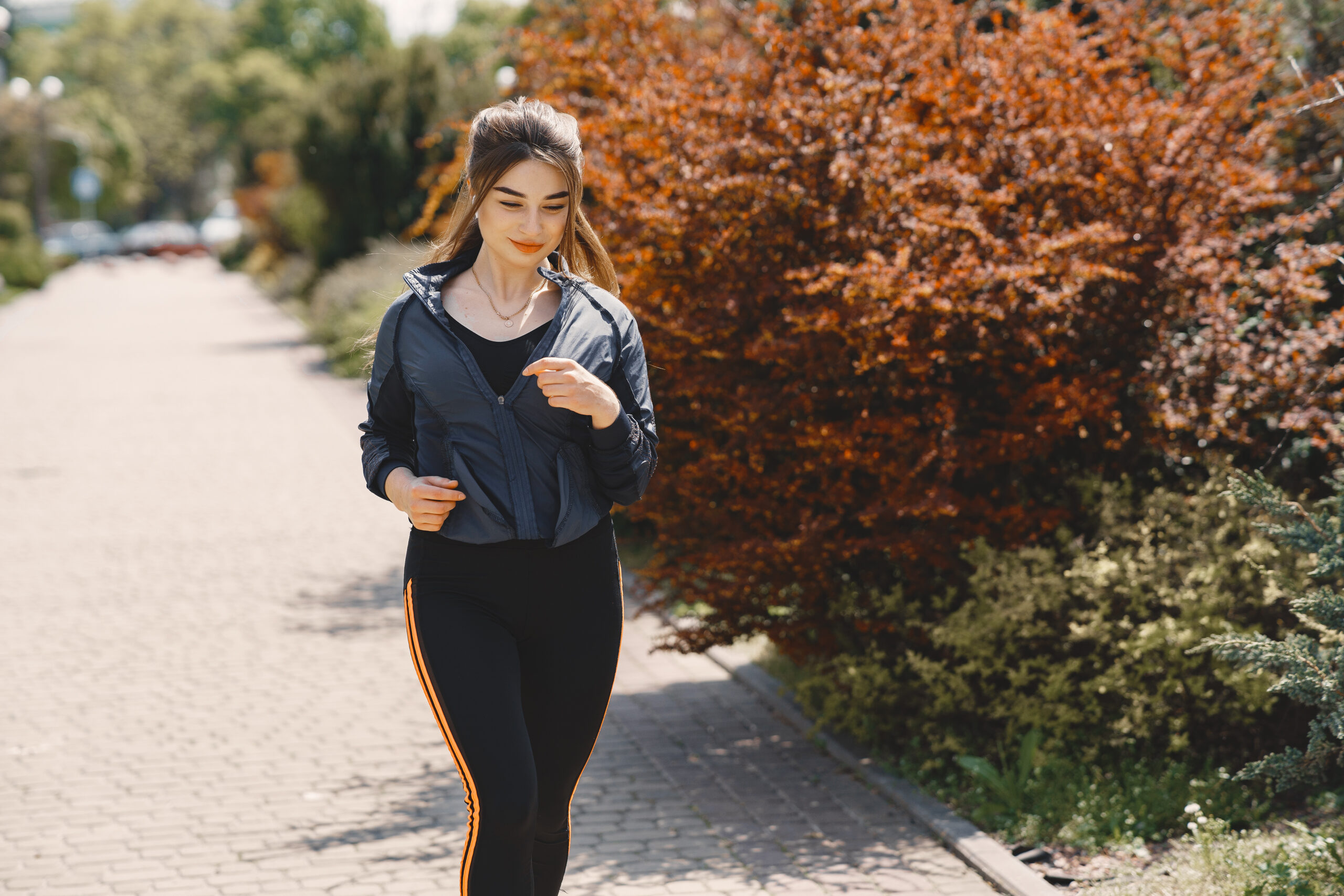
Stop Lifting Light: Why Strength Training for Moms Is the Key to Real Results You’ve probably seen it on your morning walk route someone strolling by wearing what looks like a tactical vest loaded with weight. Weighted vest walking, also called rucking, has officially gone mainstream. But is it actually worth adding to your fitness routine? And more importantly, is it safe?  Here at FitMom Club, we dug into the latest 2026 research so you don’t have to. Here’s everything you need to know about walking with a weighted vest the real benefits, the science, and how to get started safely.  What Is Weighted Vest Walking (Rucking)? Weighted vest walking  often called rucking  simply means walking while wearing a vest filled with additional weight. It started in military training but has exploded in popularity among everyday fitness enthusiasts, especially women looking for lowimpact cardio that actually challenges the body.  Unlike running, it’s gentle on the joints. Unlike regular walking, it dramatically increases calorie burn and muscle engagement. Think of it as the sweet spot between a casual stroll and an intense workout.  What the 2026 Research Actually Says The science backing weighted vest walking has grown significantly. Here’s what the most current research highlights:  1. Significantly Higher Calorie Burn  Studies consistently show that walking with added weight increases calorie expenditure by 1015% compared to regular walking at the same pace. For a 30minute walk, that can mean an extra 4060 calories burned  without moving any faster.  2. Improved Bone Density Especially Important for Women  This is arguably the most exciting finding for women over 30. Weightbearing exercise is one of the most effective ways to maintain and improve bone density. 2026 research reinforces that loadbearing walking specifically targets the hips and spine  areas most vulnerable to osteoporosis as we age.  3. Better Posture and Core Activation  Wearing a weighted vest encourages an upright walking posture and activates the core, glutes, and upper back more than standard walking. For moms carrying kids, bags, and the mental load of everything  stronger postural muscles are a gamechanger.  4. Cardiovascular Improvements Without High Impact  Research from 20252026 confirms that rucking elevates heart rate into an aerobic zone comparable to jogging, but with far less stress on the knees and ankles. It’s a genuinely brilliant option for anyone recovering postpartum or managing joint sensitivity.  How to Get Started: A Beginner’s Guide for Moms Getting started is simpler than you think. Follow these steps:  Start light  begin with 510% of your body weight  Walk on flat terrain for your first 23 weeks  Aim for 2030 minutes, 3x per week to start  Gradually increase weight or duration, not both at once  Always wear supportive footwear with good arch support  Safety Tips: What to Watch Out For Weighted vest walking is safe for most healthy adults, but there are a few things to keep in mind:  Avoid if you have lower back injuries or unresolved postpartum diastasis recti  Don’t start too heavy the most common mistake is going too fast, too soon  Check with your doctor if you’re postpartum (especially within 12 months)  Stay hydrated the extra exertion increases your fluid needs  Frequently Asked Questions Q: Does walking with a weighted vest actually burn more calories?  A: Yes. Research shows that wearing a weighted vest while walking can increase calorie burn by 1015% compared to regular walking. The added resistance forces your muscles and cardiovascular system to work harder, even at the same pace. For a 30minute walk, this can translate to an extra 4060 calories burned.    Q: How heavy should a weighted vest be for walking?  A: For beginners, start with a vest that is 510% of your total body weight. For a 150 lb person, this means starting at 7.515 lbs. As your strength and endurance improve over 46 weeks, you can gradually add more weight. Never increase weight and duration at the same time.    Q: Is weighted vest walking safe for postpartum women?  A: It can be, but caution is needed. Most postpartum fitness experts recommend waiting until at least 12 weeks after a vaginal birth (and longer after a Csection) before adding external load to any exercise. You should also ensure that any diastasis recti (abdominal separation) has been assessed and properly rehabilitated before starting. Always consult your healthcare provider before starting weighted vest training postpartum.  The Bottom Line Walking with a weighted vest is one of the most researchbacked, timeefficient, and lowimpact ways to level up your fitness routine in 2026. It burns more calories, strengthens your bones, improves posture, and elevates your heart rate  all without pounding the pavement.  For busy moms who want maximum results from a minimum time investment, it doesn’t get much smarter than this.  FAQs Loved the Post? Share It!

Walking with a Weighted Vest: What the 2026 Research Actually Shows Read More »

Stop Lifting Light: Why Strength Training for Moms Is the Key to Real Results

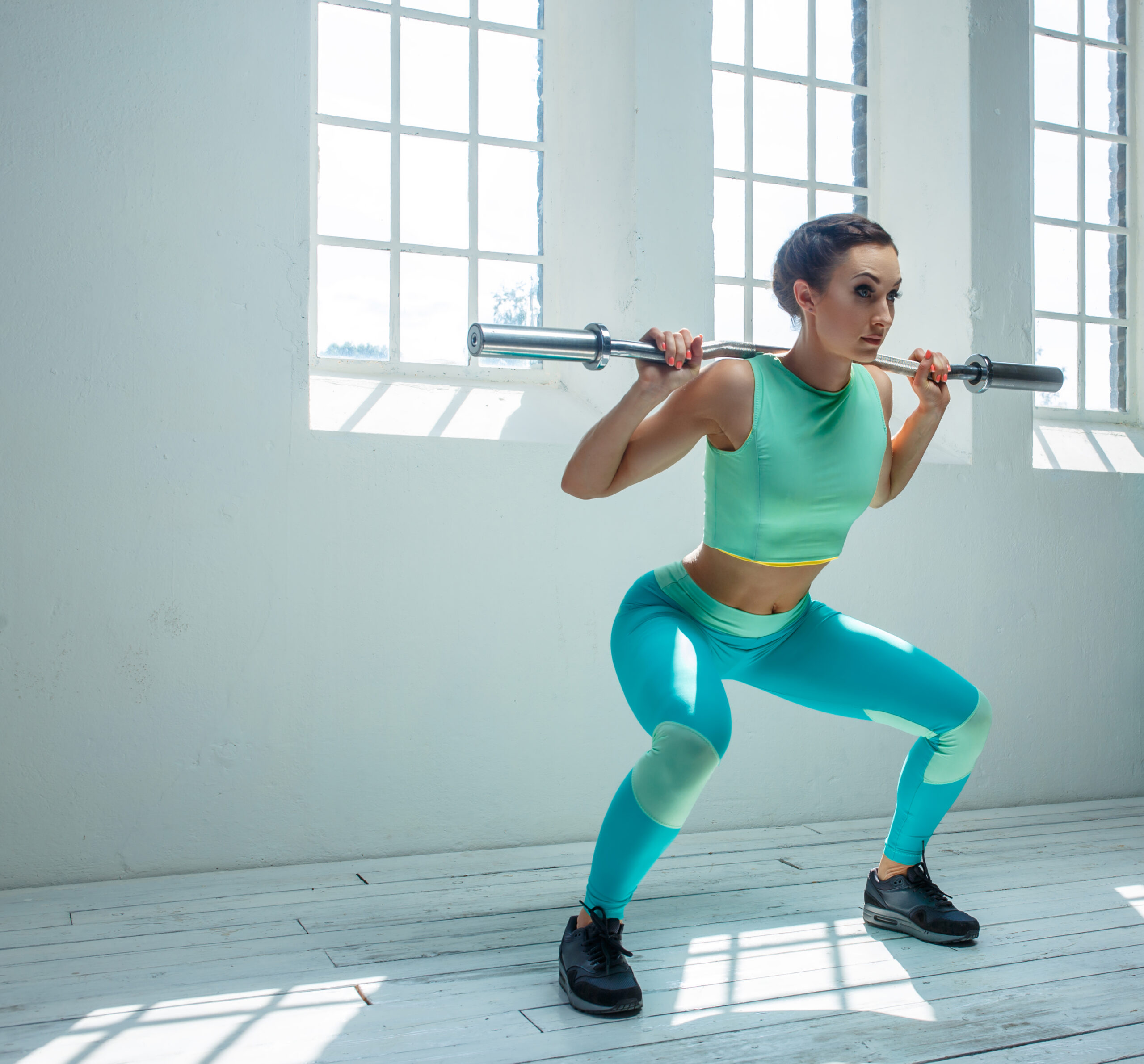
Stop Lifting Light: Why Strength Training for Moms Is the Key to Real Results You spend 45 minutes doing bicep curls with 2kg dumbbells, leave the gym feeling fine and wonder why nothing is changing. Sound familiar?    The truth is hard to hear: light weights are comfortable, but they’re not transformative. If you’re a busy mom looking to build real strength, boost your metabolism, and feel powerful in your own body, it’s time to stop playing it safe and start lifting heavy.    Here’s why heavy lifting for women  especially moms  is the smartest fitness decision you can make.  Why Light Weights Are Holding Moms Back Most women were taught to fear heavy weights. “You’ll get bulky.” “Stick to cardio.” “Light weights, high reps.” These myths have kept millions of moms stuck in the same frustrating fitness plateau for years.    Here’s the reality: women don’t have enough testosterone to build bulky muscle like men. What heavy resistance training actually does is:    Sculpts a lean, toned physique without adding unwanted bulk  Elevates your resting metabolism so you burn more calories all day  Strengthens bones and joints  critical for longterm health  Improves posture and reduces back pain (hello, mom life!)  Boosts confidence and mental resilience  The Science of Heavy Lifting for Women Progressive Overload: The Secret Ingredient  Progressive overload  gradually increasing the weight, reps, or intensity of your workouts  is the cornerstone of effective strength training. When you consistently challenge your muscles beyond what they’re used to, they adapt and grow stronger.    Light weights rarely provide enough stimulus for this adaptation. If you can complete 20 reps without breaking a sweat, your muscles have nothing left to improve.    What “Heavy” Actually Means for You  Heavy is relative. You don’t need to be lifting like an Olympic athlete. “Heavy” simply means a weight that challenges you within 612 reps. The last two reps should feel genuinely hard.    Top Benefits of Strength Training for Moms Convinced? Here are the key weight training benefits for moms that will change the way you approach your fitness:    Faster Fat Loss: Muscle is metabolically active tissue more muscle means a faster metabolism, even at rest.  Stronger Core: Compound lifts like squats and deadlifts engage your entire core, protecting your spine.  Better Energy Levels: Regular resistance training improves sleep quality and combats daily fatigue.  Postpartum Recovery: Postpartum strength training safely rebuilds core strength, pelvic floor function, and overall body confidence.  Lifts Your Mood: Strength training triggers endorphin release and reduces anxiety and stress.  How to Get Started With Heavy Lifting Safely Jumping into heavy weights without a plan can increase injury risk. Here’s how to start the right way:    Start with compound movements squats, deadlifts, hip thrusts, rows, and presses  Master your form first before adding weight  Train 34 days per week with at least one rest day between sessions  Track your lifts to implement progressive overload consistently  Fuel your body with adequate protein (0.71g per pound of bodyweight)    If you’re postpartum, always consult your healthcare provider and a certified trainer before beginning a new strength training program.  Still Not Sure? Here’s What Changes in 8 Weeks Women who commit to progressive overload typically notice:    Clothes fitting differently (even without scale changes)  Noticeably improved energy and mood  Greater ease in everyday tasks carrying kids, groceries, and everything in between  A stronger sense of identity and selfconfidence  Conclusion: It’s Time to Lift Like You Mean It You carry a toddler on your hip, manage a household, and show up every single day. You are already strong. Now it’s time for your workouts to reflect that.    Stop settling for workouts that don’t challenge you. Embrace strength training for moms with progressive overload, compound lifts, and a program designed around your real life.    💪 Ready to lift heavy and love it? Join the FitMom Club community today and get access to expertdesigned strength programs built specifically for moms. Your strongest self is waiting.  FAQ Optimized for Featured Snippets Q1: Is it safe for moms to lift heavy weights?  Yes, heavy lifting is safe for most moms when done with proper form and progressive programming. If you are postpartum, wait until you receive medical clearance (typically 612 weeks after delivery), and start with foundational core and pelvic floor rehab before progressing to loaded compound movements. Working with a certified fitness trainer familiar with women’s health is always recommended.    Q2: Will lifting heavy weights make me bulky?  No. Women do not produce enough testosterone to build large, bulky muscles from conventional strength training. Heavy lifting for women results in a leaner, more defined, and sculpted physique. What you’ll gain is increased muscle tone, improved strength, and a faster metabolism not bulk.    Q3: How many days per week should moms do strength training?  Most moms benefit from 3 to 4 days of strength training per week, with at least one rest or active recovery day between sessions. Each session can be 3060 minutes, focusing on compound movements like squats, deadlifts, presses, and rows. Consistency over time produces the best results.  FAQs Loved the Post? Share It!

Stop Lifting Light: Why Strength Training for Moms Is the Key to Real Results Read More »

Functional Fitness for Busy Moms: Train for Real Life, Not Just the Gym

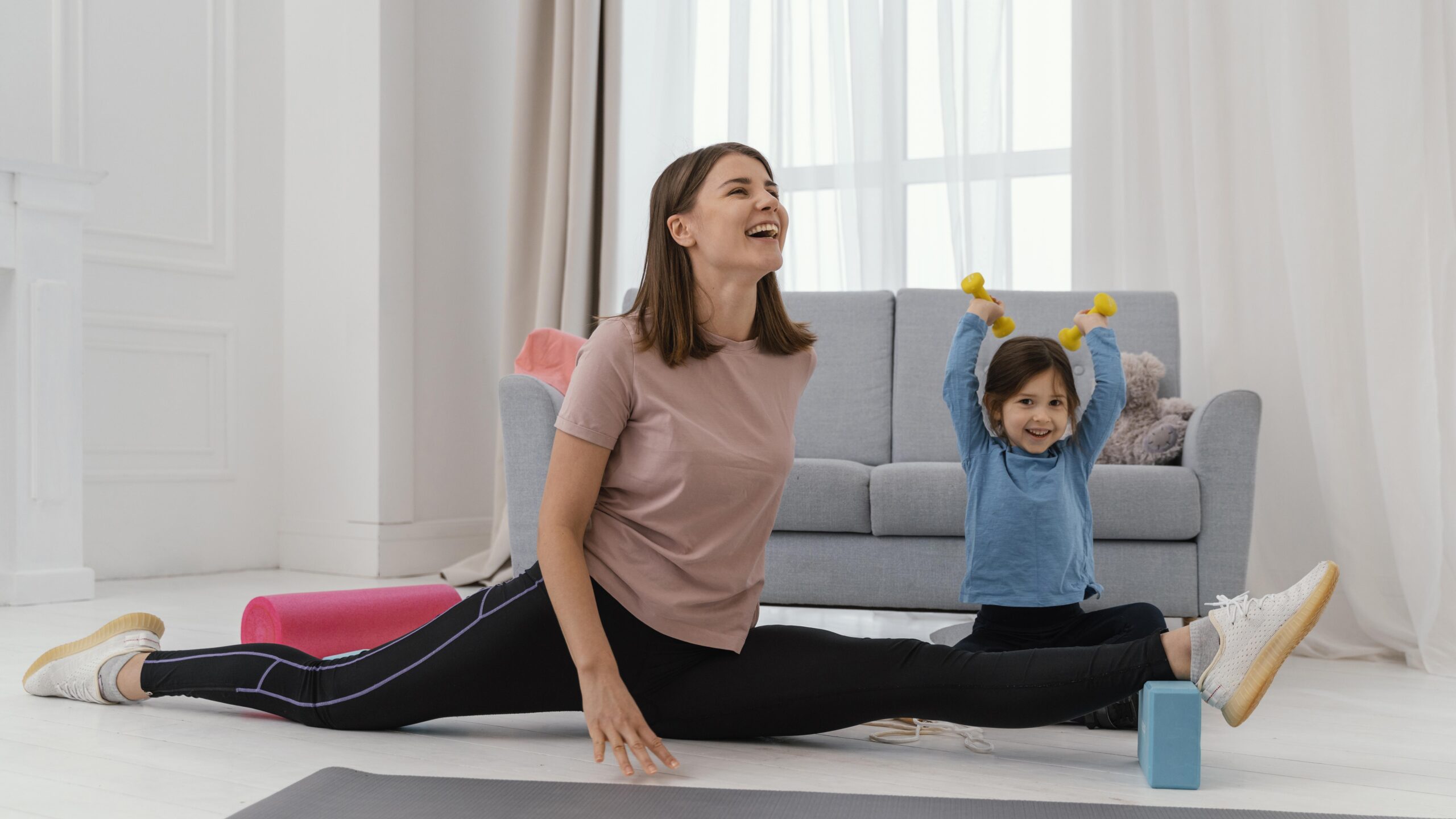
Functional Fitness for Busy Moms: Train for Real Life, Not Just the Gym Functional fitness is a training approach that focuses on movements your body performs in real, everyday situations bending, lifting, carrying, pushing, and balancing. Unlike traditional gym routines that isolate individual muscles, functional training works multiple muscle groups simultaneously, mirroring how you actually move through your day.  For moms, this couldn’t be more relevant. Your body is constantly being challenged: picking up children, loading strollers, carrying car seats, lunging across the room to catch a falling cup. A wellrounded mom workout routine built on functional principles prepares you for all of it.  Functional Training vs. Traditional Gym Workouts  Traditional workouts isolate muscles in controlled, often seated environments. Functional training teaches your entire body  joints, stabilisers, core  to work together. That means fewer injuries, better posture, and energy that actually transfers to your life outside the gym.  5 Functional Fitness Moves Every Mom Should Know These functional training exercises are chosen specifically because they translate directly to daily mom life. No fancy equipment required just your bodyweight or a pair of dumbbells.    1  Goblet Squat  Mimics picking up a child from the floor. Builds leg strength, core stability, and hip mobility all at once.  2  Romanian Deadlift  Trains the hinge pattern exactly what you do every time you lean over a cot or pick up a car seat. Protects your lower back.  3  Loaded Carry  Walk with weight in one or both hands. Directly builds the strength for carrying groceries, bags, and babies.  4  PushUpVariations  Builds upper body and core strength essential for pushing strollers, lifting overhead, and getting up off the floor.  5  SingleLegBalance  Trains stability and ankle strength critical for chasing toddlers and navigating uneven terrain with your hands full.  ★  Pallof Press  Antirotation core work that protects your spine during twisting, turning, and onesided carrying loads.  How to Build a Functional Fitness Routine as a Busy Mom One of the biggest barriers to fitness for mothers is time and that’s completely valid. The good news is that home workouts for busy moms based on functional principles can be done in as little as 20 minutes and still deliver meaningful results.  Try the 333 Framework  3 sessions per week 3 sessions per week  3 movement patterns per session 3 movement patterns per session  3 sets per movement 3 sets per movement    💡 FitMom Tip: Stack your workouts into nap times or pair simple exercises with play time. A squat is a squat whether you’re in a gym or your living room whatmatters is that you move with intention.    No Gym? Absolutely No Problem  Your home is already a functional fitness environment. Stairs are a cardio machine. A kitchen counter doubles as a barre. A full laundry basket is a loaded carry. Reframe your everyday environment and you’ll never run out of ways to train.  Functional Fitness and Postpartum Recovery Postpartum fitness requires a gentle, intentional approach. Functional training is ideal because it begins with the most fundamental movements  breathingmechanics, core engagement, and pelvic floor coordination  before progressing to load and intensity.  Whether you’re six weeks or six months postpartum, always start by rebuilding your foundation. At FitMom Club, our postpartumspecific programs progress you through four stages: restore, stabilise, strengthen, and thrive.  Real Benefits Moms Notice First When moms commit to strength training for moms through functional movement, the results they notice first are rarely aesthetic  and they’re almost alwayslifechanging:    ✓  Less back pain  ✓  More daily energy  ✓  Better posture  ✓  Improved mood  ✓  Fewer injuries  ✓  Stronger pelvic floor  ✓  Mental clarity  ✓  Realworldendurance    Functional fitness isn’t about looking a certain way. It’s about feeling capable, strong, and energised in the body that does the extraordinary work of motherhood every single day.  Frequently Asked Questions Q: What is functional fitness for moms?  A: Functional fitness for moms refers to strength and movement training that mirrors reallife activities  lifting children, carrying groceries, climbing stairs  to build practical, everyday strength and significantly reduce the risk of common injuries like lower back pain or hip strain.  Q: How often should moms do functional fitness workouts?  A: Most fitness experts recommend 34 days per week of functional training for moms, with sessions as short as 2030 minutes. Consistency matters far more than duration, especially for busy mothers managing unpredictable schedules.  Q: Is functional fitness safe after pregnancy?  A: Yes  functional fitness is generally safe postpartum, but always obtain clearance from your healthcare provider first. Begin with core rehabilitation, diaphragmatic breathing, and pelvic floor work before progressing to heavier compound movements or highimpact exercise.  FAQs Loved the Post? Share It!

Functional Fitness for Busy Moms: Train for Real Life, Not Just the Gym Read More »

Breathe to Burn: How Nasal Breathing Transforms Your Fitness as a Mom

Breathe to Burn: How Nasal Breathing Transforms Your Fitness as a Mom You track your steps, watch your macros, and show up for workouts even on your most exhausting days. But here’s the one thing most active moms overlook how you breathe.  Nasal breathing benefits for fitness go far beyond simply getting more oxygen. It’s a sciencebacked technique that can boost your endurance, sharpen your focus, reduce cortisol, and make every workout more effective. And the best part? It costs nothing and you can start right now.  Why Nasal Breathing Is the Fitness Hack You’ve Been Missing Most of us default to mouth breathing the moment a workout gets tough. It feels natural like we’re pulling in more air. But research tells a different story.  Nasal breathing filters, warms, and humidifies the air before it reaches your lungs. More importantly, it triggers the production of nitric oxide, a molecule that dilates blood vessels, improves oxygen delivery to muscles, and boosts your cardiovascular efficiency.  For moms juggling highintensity interval training, yoga, morning runs, or postnatal recovery workouts, this matters enormously.  Nasal Breathing vs. Mouth Breathing: What’s the Real Difference? Factor  Nasal Breathing  Mouth Breathing  Oxygen efficiency  Higher ✅  Lower ❌  Cortisol (stress)  Reduced ✅  Elevated ❌  Heart rate regulation  Better ✅  Worse ❌  Endurance & stamina  Improved ✅  Decreased ❌  Postworkout recovery  Faster ✅  Slower ❌    Mouth breathing activates your body’s fightorflight response, keeping stress hormones elevated. For moms already running on minimal sleep and maximum responsibility, that’s the last thing your nervous system needs during a workout.    How Nasal Breathing Transforms Your Workouts 1. It Builds Real Endurance  Training yourself to breathe nasally during exercise forces your body to become more efficient at using oxygen. Over time, this builds aerobic capacity meaning you can sustain effort longer without burning out. Think longer runs, more reps, better performance in every session.  2. It Lowers Stress During and After Exercise  Nasal breathing activates the parasympathetic nervous system  your body’s natural “rest and recover” mode. For moms dealing with chronic lowlevel stress, incorporating nasal breathing techniques into workouts can meaningfully reduce cortisol levels over time.  3. It Improves Your MindBody Connection  Breathwork for women is trending in fitness for good reason. Conscious nasal breathing keeps you present, reduces the perceived effort of exercise, and enhances your connection to what your body is doing. It’s the difference between grinding through a workout and actually feeling it.  4. It Speeds Up Recovery  Slower, controlled nasal breaths after a workout help your heart rate return to baseline faster, reducing inflammation and promoting muscle recovery so you feel better for tomorrow’s workout.  How to Start Nasal Breathing During Your Workouts You don’t need a special class or gear. Here’s how to begin:  Start slow. Practice nasal breathing during lowintensity movement  walks, yoga, warmups  before attempting it during harder efforts.  Use the 444 rhythm. Inhale through the nose for 4 counts, hold for 4, exhale through the nose for 4. Especially effective for cooldowns and stress relief.  Tape your mouth (yes, really). During light activity, some athletes use medicalgrade mouth tape to train nasal breathing. Start with walking before sleep for a gentler introduction.  Be patient. It takes 24 weeks of consistent practice to adapt. Your CO2 tolerance will rise, and nasal breathing will feel natural even during higherintensity work.  A Simple Breathwork Routine for Busy Moms (5 Minutes) Phase  Duration  Technique  Before Workout  2 min  Box breathing 4 counts in, hold, out, hold  During Workout  Full session  Nasalonly breathing; return immediately if you slip  After Workout  2 min  Extended exhale  inhale 4 counts, exhale 68 counts  CoolDown  1 min  Diaphragmatic belly breathing lying flat, hands onabdomen    This small habit stacked onto your existing routine creates a compounding effect on your fitness and mental wellbeing over weeks and months.  Your Breath Is Your Most Powerful Fitness Tool You don’t need to add another workout or cut another food group. Sometimes, the most transformative change is the simplest and learning to breathe through your nose during exercise is exactly that.  Whether you’re recovering postpartum, training for a 5K, or simply trying to manage the daily chaos with more energy and clarity, nasal breathing is the loweffort, highimpact habit your fitness routine has been waiting for.  FAQ Nasal Breathing & Fitness ❓  What are the benefits of nasal breathing during exercise?  Nasal breathing during exercise improves oxygen efficiency, lowers cortisol levels, enhances endurance, and activates the parasympathetic nervous system for better recovery. Unlike mouth breathing, it also produces nitric oxide, which improves blood flow and muscle performance.    ❓  How long does it take to get used to nasal breathing during workouts?  Most people adapt to nasal breathing during lowtomoderate intensity exercise within 24 weeks of consistent practice. Starting with walks and yoga before progressing to higherintensitysessions makes the transition easier and more sustainable.    ❓  Can nasal breathing help with stress and anxiety for moms?  Yes. Nasal breathing activates the parasympathetic nervous system, which counters the stress response. Regular breathwork during exercise has been shown to reduce cortisol and anxiety levels, making it especially beneficial for moms managing highstress lifestyles.  FAQs Loved the Post? Share It!

Breathe to Burn: How Nasal Breathing Transforms Your Fitness as a Mom Read More »

The 15Minute Mom Strength Circuit: School DropOff to Work, Stronger Every Day

The 15-Minute Mom Strength Circuit: School Drop-Off to Work, Stronger Every Day You kissed the kids goodbye, survived the school run, and now you have a golden window before work begins. Fifteen minutes. Not enough time for the gym. More than enough time to build real strength.    The secret that fitness coaches have known for years is finally reaching the mainstream: short, focused strength circuits outperform hourlong, unfocused sessions. For moms juggling school schedules, work demands, and everything in between, this isn’t just good news  it’s a gamechanger.    This is the FitMom Club 15Minute Strength Circuit  designed specifically for the window between school dropoff and the start of your workday. Why 15 Minutes Is Enough (Science Says So) Research consistently shows that higheffort, shortduration training produces measurable gains in muscle strength, metabolic rate, and cardiovascular health. For women over 30, the priority isn’t volume  it’s intensity and consistency.    Here’s what 15 structured minutes actually delivers:    Increased metabolism  strength training elevates your calorie burn for up to 24 hours postworkout  Muscle preservation crucial after 30, when muscle mass naturally begins to decline without resistance training  Mood and energy boost the endorphin hit sets a positive tone for the workday ahead  Cumulative results 5 sessions a week equals 75 minutes of quality training, compounding over time    Consistency with 15 minutes beats sporadic onehour sessions every single time.  The FitMom Club 15Minute Strength Circuit No equipment required. Just you, a small space, and 15 minutes. Each move runs for 2 minutes 30 seconds, with 20 seconds of transition between exercises.    #  Exercise  Timing  Target  1  Goblet Squat  0:00 2:30  Legs & glutes  2  PushUp Variation  2:30 5:00  Chest, shoulders, triceps  3  Reverse Lunge  5:00 7:30  Quads, glutes, balance  4  BentOver Row  7:30 10:00  Back & biceps  5  Glute Bridge Hold  10:00 12:30  Glutes & core  6  Plank Shoulder Tap  12:30 15:00  Core & shoulder stability  How to Make Each Move Count 1. Goblet Squat  Hold a water bottle or dumbbell at chest height. Keep your chest up, push your knees out, and lower until your thighs are parallel to the floor. This single move targets your quads, glutes, and core all at once  the ultimate bangforyourbuck exercise for moms.  2. PushUp Variation  From full or knee pushup position, lower your chest to the floor and press back up with control. Focus on a straight body line. Modify by elevating your hands on a couch or kitchen counter if needed.  3. Reverse Lunge  Step one foot back, lower your rear knee toward the floor, then drive back to standing. Alternate legs. This builds singleleg strength and improves the kind of balance you need chasing toddlers around a playground.  4. BentOver Row  Hinge forward at the hips with a flat back, arms hanging. Pull your elbows back toward your hips  squeezing your shoulder blades together at the top. Use water bottles, resistance bands, or dumbbells. Counteracts the forwardhunched posture of nursing, desk work, and phone scrolling.  5. Glute Bridge Hold  Lie on your back, knees bent, feet flat. Drive your hips up and hold for the full interval. This isolates the glutes, strengthens the lower back, and is safe for all fitness levels, including postpartum moms cleared for exercise.  6. Plank Shoulder Tap  Hold a plank position and alternate tapping each shoulder with the opposite hand. Keep your hips as still as possible. This trains antirotation core strength  the kind that protects your spine every time you lift, carry, or twist.  The Drop-off to Desk Routine: How to Structure Your Morning Here’s a realistic 30minute morning window that fits around the school run:    7:50 AM  School dropoff complete. Drive or walk home.  8:00 AM Change into workout clothes (yes, even a sports bra and leggings counts).  8:03 AM  2minute warmup: arm circles, hip circles, bodyweight squats.  8:05 AM  Start the 15minute strength circuit.  8:20 AM  Done. 5minute cooldown stretch.  8:25 AM Shower, freshen up, and start the workday feeling strong.  What to Expect After 4 Weeks Results from a consistent 15minute strength routine compound quickly. By week four, most moms in the FitMom Club community report:    Noticeably more energy throughout the day  Improved posture and less back tension by midafternoon  Stronger legs and glutes felt in daily activities like climbing stairs  A sense of accomplishment before 9 AM that carries through the rest of the day    This isn’t about transformation in a month. It’s about building a sustainable habit that makes every month better than the last.  Conclusion: You Have the Time. You Just Need the Plan. Between dropoff and desk, there’s a window that most moms scroll past. The moms who use it don’t have more time than you  they just have a plan built for their schedule. Now you do too. FAQ SECTION FAQ 1: Can a 15minute workout actually build strength for women?  Yes. Research supports that short, higheffort strength sessions  done consistently  producemeasurable gains in muscle mass, metabolic rate, and functional strength. For women over 30, the key is progressive overload and consistency, not session length. A focused 15minute circuit performed 45 times per week can outperform a 60minute gym session done sporadically.    FAQ 2: What is the best quick workout for moms before work?  The best prework workout for moms is a compound strength circuit targeting multiple muscle groups at once. Moves like squats, lunges, pushups, rows, and glute bridges deliver fullbodystrength in minimal time. A 15minute bodyweight circuit  with no equipment needed  is ideal because it requires no commute, no gym, and no childcare, making it the most sustainable option for busy moms.    FAQ 3: How many times a week should moms do strength training?  Fitness guidelines recommend that women perform strength training at least 23 times per week, with rest or light activity on alternate days. For moms using a 15minute daily circuit, 45 sessions per week is a realistic and effective target. This frequency supports muscle maintenance, bone density, and energy levels without requiring excessive

The 15Minute Mom Strength Circuit: School DropOff to Work, Stronger Every Day Read More »

Why Moms Over 30 Need Mobility Training More Than Flexibility

Why Moms Over 30 Need Mobility Training More Than Flexibility You’ve done the stretches. You’ve rolled out the yoga mat. You still wake up stiff, your hips ache after school pickup, and that lower back won’t quit. Sound familiar?  Here’s what most fitness content misses: after 30, and especially after having kids, flexibility alone isn’t enough. What your body truly needs is mobility training and there’s a significant difference between the two.  At FitMom Club, we believe every mom deserves to move through life painfree, energized, and strong. This guide breaks down why mobility training for moms over 30 is a gamechanger  andhow to start today.  Flexibility vs Mobility: What’s the Real Difference? Most women grew up equating fitness with being able to touch their toes. But flexibility and mobility are not the same thing and confusing them may be the reason your body still feels tight and restricted.  Flexibility  Flexibility is the passive ability of a muscle to lengthen. It’s what you feel during a static stretch  useful, but limited in realworld function.  Mobility  Mobility is active control through a full range of motion. It means your muscles, joints, and nervous system work together to move freely and with strength. Bending down to pick up your toddler, sitting crosslegged on the floor, reaching overhead without shoulder pinching  that’s mobility in real life.  Simply put: flexibility is how far your body can go. Mobility is how far it can go and stay in control.  Why Mobility Matters More After 30 (Especially for Moms) After 30, several key physiological changes make mobility training for moms not just helpful but essential:  Hormonal shifts:   Declining estrogen affects joint lubrication and connective tissue elasticity.  Postpartum changes:   Pregnancy and childbirth alter pelvic alignment, hip mechanics, and core stability often permanently, if left unaddressed.  Sedentary patterns:   Long hours of sitting  at desks, in the car, nursing  create tight hip flexors and thoracic stiffness.  Muscle imbalances:   Mom life creates repetitive patterns (carrying, bending, feeding) that shorten some muscles and weaken others.    Targeting flexibility alone won’t reverse these patterns. Mobility training does.  5 Mobility Moves Every Mom Over 30 Should Be Doing You don’t need an hour at the gym. These functional fitness moves for mothers can be done at home in 15 minutes:    90/90 Hip Stretch    Opens hip rotators and reduces lower back tension. A must for postpartum hip mobility.  World’s Greatest Stretch    Combines hip flexor lengthening, thoracic rotation, and ankle mobility in one movement.  CatCow with Lateral Flexion    Rehydrates spinal discs and restores thoracic mobility lost from feeding or desk posture.  Deep Squat Hold    Restores ankle, knee, and hip joint range of motion. Great for pelvic floor health too.  Shoulder CARs (Controlled Articular Rotations)    Keeps shoulder joints healthy for all that overhead lifting and carrying.   Pro tip: Pair these with deep breathing for double the benefit mobility improves faster when your nervous system is calm.  How to Build a Simple Mobility Routine That Actually Sticks The number one reason moms quit fitness routines? They’re too long and too complicated. Here’s a simple framework for how to improve joint mobility at home without overhauling your schedule:    Morning (5 min):   Catcow + deep squat hold + neck rolls. Sets up your body for the day.  Afternoon (5 min):   90/90 hip stretch on each side. Perfect during your child’s nap.  Evening (510 min):   World’s greatest stretch + shoulder CARs. Winddown for your joints.    Consistency over duration, every time. A 10minute daily mobility practice beats a 60minute session once a week.  The Bottom Line: Move Better to Live Better Flexibility gets you into a pose. Mobility gets you through your day carrying groceries, keeping up with kids, sitting through long school events without wincing.  As a mom over 30, you don’t just need to stretch more. You need to move smarter. Mobility training addresses the root cause of stiffness, pain, and fatigue not just the symptoms.  Your body has carried, nurtured, and sustained life. It deserves training that meets it where it is. FAQ Section (Featured Snippet Optimized) Place these at the bottom of the blog post or in an accordion FAQ block for enhanced Google snippet eligibility.    Q1: What is the difference between mobility and flexibility for women over 30?  Flexibility refers to a muscle’s passive ability to stretch, while mobility is the active control of joints through their full range of motion. For women over 30, mobility training is more functional because it improves reallife movement patterns  like squatting, bending, and lifting  not just the ability to stretch far. Mobility also addresses joint health, muscle activation, and neuromuscular coordination, making it a more complete approach to fitness after 30.  Q2: How often should moms do mobility training?  Moms should aim for at least 1015 minutes of mobility training daily for best results. Unlike strength training, mobility work can be done every day without recovery concerns. Short, consistent sessions  even split into 5minute morning and evening routines  are more effective than longer, infrequent sessions. Prioritizing daily mobility practice is especially important for postpartum recovery and managing the physical demands of motherhood.  Q3: Can mobility training help with lower back pain in moms?  Yes. Lower back pain in moms is often caused by tight hip flexors, weak glutes, and poor thoracic mobility  all of which are directly addressed by targeted mobility training. Exercises like the 90/90 hip stretch, catcow, and the deep squat hold can significantly reduce lumbar tension by restoring proper joint mechanics and muscle balance. Consistent mobility work is one of the most evidencesupported noninvasive approaches to reducing chronic lower back pain in women over 30.    FAQs Loved the Post? Share It!

Why Moms Over 30 Need Mobility Training More Than Flexibility Read More »

Cold Plunge vs. Sauna for Moms: Which Recovery Method Actually Works? ​

Cold Plunge vs. Sauna for Moms: Which Recovery Method Actually Works? Two of the fastest-rising wellness trends right now are cold plunge therapy and sauna sessions — and they’re appearing everywhere from celebrity routines to local gym amenity lists. Both promise faster recovery, reduced stress, and more energy. But which one is actually right for you?  Let’s break down the science, the real-world benefits, and how to choose the best recovery tool for your body, your schedule, and your life stage as a mom.  What Is Cold Plunge Therapy? Cold plunge therapy  also known as cold water immersion or ice bath therapy  involves submerging your body in water between 5059°F (1015°C) for 25 minutes. Once reserved for elite athletes, it’s now a popular recovery ritual for active moms who want faster results with less downtime.  KEY BENEFITS OF COLD PLUNGE FOR MOMS  Reduces postworkout muscle soreness and inflammation fast  Triggers a natural dopamine and norepinephrine surge boosting mood and focus for hours  Improves circulation and supports a healthy metabolic rate  Builds mental resilience, reducing anxiety and stress reactivity  Energizes the body ideal as a morning wellness ritual  What Is Sauna Therapy? Sauna therapy uses dry or infrared heat  typically between 150195°F  to raise your core body temperature and trigger a deep, cleansing sweat. Infrared saunas have surged in popularity among women’s wellness communities for their gentler heat and deeper tissue penetration at lower temperatures.  KEY BENEFITS OF SAUNA FOR MOMS  Relieves muscle tension, joint stiffness, and chronic aches  Deeply activates the parasympathetic nervous system signaling true rest  Supports cardiovascular health and healthy blood pressure  Significantly improves sleep quality  a gamechanger for tired moms  Promotes skin health through improved circulation and detox sweating  Cold Plunge vs. Sauna: Head-to-head FOR MUSCLE RECOVERY  Both methods reduce delayedonset muscle soreness (DOMS), but through different mechanisms. Cold plunge rapidly constricts blood vessels and reduces acute inflammation right after exercise. Sauna increases blood flow and promotes tissue repair over a longer window.  The verdict? Cold plunge wins for postworkout soreness. Sauna wins for restday recovery.    ❄️  COLD PLUNGE  🔥  SAUNA  Best within 3060 min postworkout. Reduces acute inflammation fast. Great morning energy booster.  Best on rest days or evenings. Promotes deep tissue repair, relaxation, and better sleep.  FOR STRESS AND MENTAL WELLNESS Moms carry a uniquely heavy mental load. Sauna therapy deeply activates your parasympathetic nervous system  the ‘rest and digest’ state  helping you feel genuinely calm and restored. Cold plunges flood your brain with feelgood hormones that sharpen focus, lift mood, and build mental toughness.  Both are proven to reduce cortisol. Your ideal choice depends on whether you need to unwind or energize.  FOR POSTPARTUM RECOVERY Postpartum bodies deserve the most intentional care. Sauna therapy may gently support muscle recovery and stress relief after birth, but should be approached cautiously in the early weeks always get clearance from your OB or midwife first.  Cold plunges are generally not recommended immediately postpartum. Allow at least 68 weeks of healing and secure medical approval before exploring either modality.  Which Recovery Tool Is Right for You? There’s no onesizefitsall answer  but here’s a simple guide based on your goal and lifestyle:    Choose Cold Plunge if…  You want quick postworkout recovery, morning energy, or a sharp mental reset on a demanding day.  Choose Sauna if…  You need deep relaxation, stress relief, improved sleep, or a gentle recovery ritual on rest days.  Do Both (Contrast Therapy) if…  You want maximum recovery. Alternating heat and cold is one of the most powerful protocols used by elite athletes and it works for moms too.  FitMomApproved Recovery Tips to Get Started mom life:  Start simple: A 60second cold shower after your workout counts as cold water therapy and costs nothing.  Try an infrared sauna blanket: An affordable, spacesaving alternative  perfect for use after the kids are in bed.  Keep sessions short: 35 minutes for cold, 1520 minutes for sauna. Consistency matters more than duration.  Hydrate well: Both methods can cause dehydration  drink 1620 oz of water before and after each session.  Stack with your routine: Add cold plunge right after workouts; add sauna to your winddown evenings.    The golden rule? Consistency beats intensity. Just like your training, recovery works best as a daily habit, not an occasional treat.  Frequently Asked Questions Q: Is cold plunge or sauna better for postpartum recovery?  Sauna therapy is generally the gentler choice for postpartum recovery. However, both should be delayed until at least 68 weeks after delivery and only with healthcare provider clearance. Cold plunge is typically not recommended in the early postpartum period due to physiological demands it places on the body.    Q: How long should moms spend in a cold plunge or sauna?  For cold plunge, beginners should aim for 13 minutes and work up to 5 minutes over time. For sauna, 1520 minutes at moderate temperature (150175°F) is a safe starting point. Always listen to your body, exit if you feel dizzy, and hydrate thoroughly before and after each session.    Q: Can you do cold plunge and sauna on the same day?  Yes  this is called contrast therapy. The standard approach is to alternate between sauna heat and cold immersion in cycles (1015 min sauna, then 23 min cold, repeated 23 times), finishing on cold for antiinflammatory benefit. It is one of the most effective recovery protocols available and is increasingly accessible through modern wellness centers and home setups.  FAQs Loved the Post? Share It!

Cold Plunge vs. Sauna for Moms: Which Recovery Method Actually Works? ​ Read More »

Rucking for Moms: The Weighted Walking Workout That Builds Bone Density & Strength

Rucking for Moms: The Weighted Walking Workout That Builds Bone Density & Strength You already walk. To school dropoffs, through parking lots, around the neighborhood after dinner. What if that exact same walk could build stronger bones, burn significantly more calories, and add real functional strength  without a gym, a babysitter, or an extra hour in your day?  That’s the promise of rucking  and moms across the country are making it their goto fitness habit. What Is Rucking? (And Why Moms Are Obsessed With It) Rucking is simply walking with a weighted backpack  called a “ruck.” Originally a military training staple, it has exploded into mainstream fitness circles as one of the most timeefficient, lowimpact workouts available.  No complicated moves. No gym membership. No equipment beyond a sturdy backpack and some weight plates or household items.  For moms, the appeal is immediate: it layers intensity onto something you’re already doing, turning an ordinary walk into a fullbody conditioning session.  The Science Behind Rucking and Bone Density This is where rucking really shines for women especially moms in their 30s and 40s.  Bone density naturally begins to decline after age 30, and the drop accelerates significantly around perimenopause and menopause. Weightbearing exercise is the single most evidencebacked strategy to slowthat decline  and rucking delivers it in spades.  Here’s what happens in your body when you ruck:  Mechanical load on bones  The added weight increases the force your skeleton must handle with each step, signaling your body to build denser, stronger bone tissue.  Muscle activation  Your glutes, core, shoulders, and upper back work harder than in regular walking, increasing lean muscle mass.  Hormonal response  Resistancebased activity supports healthy levels of estrogen and growth hormone, both critical for bone maintenance in women.  A 2023 study published in the Journal of Strength and Conditioning Research found that weighted walking significantly improved lumbar spine and hip bone mineral density in premenopausal women over 16 weeksexactly the areas most vulnerable to osteoporosis later in life.  Rucking Benefits for Moms: More Than Just Bone Health Bone density is the headline, but the benefits don’t stop there.  Burns Up to 4050% More Calories Than Regular Walking The added load increases your metabolic output without requiring you to run or push to a higher heart rate zone. Perfect for moms who want results without the recovery penalty of highintensity workouts.  Builds RealWorld Functional Strength Carrying kids, groceries, diaper bags motherhood is already loaded (literally). Rucking trains the exact muscle groups you use every single day: posterior chain, core, and grip.  Dramatically Improves Posture The weight on your back naturally encourages you to stand tall and engage your core. Over weeks of rucking, many women report reduced lower back pain and noticeably better posture.  Low Impact on Joints Unlike running, rucking keeps impact forces manageable making it ideal for postpartum moms, those returning from injury, or anyone with knee and hip sensitivities.  Zero Childcare Required Stroller compatible. Toddleronthetrail compatible. School pickup compatible. Rucking works inside your existing life, not against it.  How to Start Rucking: A Beginner’s Guide for Moms Getting started takes less than five minutes of setup.  Step 1 Choose Your Pack Any comfortable backpack works. Ideally, one with padded shoulder straps and a hip belt.  Step 2  Start Light Begin with 10% of your body weight  around 1015 lbs for most women. This is nonnegotiable for beginners; going too heavy too soon leads to injury, not gains.  Step 3 Pack It Right Place the weight high and close to your back. Poor weight distribution causes back strain.  Step 4  Walk Tall Shoulders back, core gently engaged, chin level. Let the weight do the work  don’t hunch into it.  Step 5 Start with 20 Minutes Three times per week. As it feels easy, add weight in 5 lb increments or extend your duration before both.  What to Look for in a Ruck Pack You don’t need anything fancy to start, but a few features make a difference:  Padded, adjustable shoulder straps  distributes load evenly  Hip belt or sternum strap  takes pressure off your shoulders  Load capacity of 2040L  enough room to grow as you progress  Durable, waterresistant material  for allweather use  Weight plates designed for rucking (like those from GORUCK) are ideal, but a bag of rice, textbooks, or water bottles work just as well when you’re starting out.  Conclusion: Lace Up, Load Up, Show Up Rucking meets moms exactly where they are busy, capable, and ready for a fitness habit that actually fits their life. It’s not about intensity for intensity’s sake. It’s about making every step count, building a body that carries you through decades of motherhood with strength and confidence.  Ready to ruck? Join the FitMom Club community for weekly workout plans, realmom progress stories, and expert guidance designed for every stage of motherhood.  Frequently Asked Questions (FAQ) ❓ Is rucking safe for postpartum moms?  Yes  rucking is generally safe for postpartum moms once cleared by their healthcare provider for exercise (typically 612 weeks after delivery, longer for Csections). Start with very light loads (58 lbs) and prioritize core engagement. Always consult your OB or pelvic floor physical therapist before beginning any new exercise program postpartum.  ❓ How much weight should a beginner mom use for rucking?  Most fitness experts recommend starting at 10% of your body weight  typically 1015 lbs for the average woman. This provides enough load to stimulate bone and muscle adaptation without overloading joints. Progress gradually: add 5 lbs only when your current weight feels comfortable across your full session.  ❓ How often should I ruck to see results?  Three times per week is the sweet spot for most beginners. Research suggests that consistent weightbearing activity three to four days per week is sufficient to stimulate meaningful bone density improvements over a 1216 week period. Pair rucking with adequate protein intake and sleep for best results.  FAQs Loved the Post? Share It!

Rucking for Moms: The Weighted Walking Workout That Builds Bone Density & Strength Read More »

DUTCH Test for Women: What It Is & Whether You Need One

DUTCH Test for Women: What It Is & Whether You Need One Feeling exhausted no matter how much you sleep? Struggling with mood swings, weight changes, or a libido that has gone missing? Your hormones might be trying to tell you something and the DUTCH test could finally help you listen.  What Is the DUTCH Test? The DUTCH test (Dried Urine Test for Comprehensive Hormones) is one of the most advanced hormone panels available today. Unlike a standard blood draw that captures a single hormonal snapshot, the DUTCH test collects dried urine samples at multiple points throughout the day giving a far more complete picture of how your hormones behave over time.  Developed by Precision Analytical, it measures:  Sex hormones    estrogen, progesterone, testosterone, and their metabolites  Adrenal hormones    cortisol and DHEA patterns across the day  Melatonin levels    linked to sleep quality and circadian rhythm  Organic acids    markers for nutrient deficiencies and neurotransmitter activity    For busy moms juggling careers, children, and everything in between, this level of detail is a gamechanger.  Why the DUTCH Test Goes Deeper Than a Standard Blood Panel Most conventional labs only test total hormone levels they miss how your body processes and eliminates those hormones. The DUTCH test measures hormone metabolites, meaning it shows not just what your body produces, but what it actually does with those hormones.  This matters because:  Two women can have the same estrogen level but very different estrogen metabolism  Poor estrogen clearance is linked to PMS, fibroids, and breast tissue sensitivity  Cortisol patterns (not just single values) reveal whether your adrenals are burned out    Bottom line: The DUTCH test doesn’t just flag a problem it pinpoints where in the hormonal pathway the disruption is happening.  Who Should Consider the DUTCH Test? This panel is especially relevant for women experiencing:  Chronic fatigue that doesn’t improve with rest  Irregular or painful periods  Postpartum hormone imbalance or mood changes after childbirth  Perimenopause symptoms hot flashes, brain fog, disrupted sleep  Unexplained weight gain, especially around the midsection  Low libido or mood instability  Suspected adrenal fatigue or burnout    If you’ve had bloodwork come back “normal” but still feel off, the DUTCH test often uncovers what blood panels miss.  DUTCH Test vs. Blood Test: What’s the Difference? Feature  Blood Test  DUTCH Test  Hormone snapshot  Single point in time  Multiple points across the day  Cortisol pattern  Limited  Full daily rhythm tracked  Hormone metabolites  Not measured  Fully measured  Convenience  Lab visit required  Done at home  Detail level  Basic  Comprehensive  How to Take the DUTCH Test The process is straightforward:  Order the test through a qualified healthcare provider or functional medicine practitioner  Collect urine samples on filter paper strips at four to five specific times over one day  Mail the dried strips to the lab in the prepaid envelope  Receive your report  typically within 710 business days  No needles, no clinic visits, no fasting required. You can test from the comfort of your home which, let’s be honest, is exactly what most moms need. Understanding Your Results DUTCH test reports are detailed, so working with a knowledgeable practitioner is strongly recommended. Key areas they’ll assess include:  Estrogen dominance patterns    excess estrogen relative to progesterone  Cortisol awakening response    how your adrenals activate in the morning  Androgen levels    testosterone and DHEA that affect energy and mood  Methylation markers    how well your body detoxifies used hormones    Results open the door to targeted, personalized strategies  not onesizefitsall advice.  Conclusion: Your Hormones Deserve a Closer Look Hormonal balance isn’t a luxury it’s the foundation of energy, mood, metabolism, and motherhood. The DUTCH test gives you the comprehensive hormone panel you need to stop guessing and start healing with real data.  Frequently Asked Questions   1. What does the DUTCH test measure that a blood test doesn’t?  The DUTCH test measures hormone metabolites and cortisol patterns across the full day  not just a single hormone level. This reveals how your body breaks down and eliminates hormones, which a standard blood panel does not capture. It’s especially useful for identifying estrogen metabolism issues, adrenal burnout patterns, and sleepdisrupting melatonin imbalances.    2. Is the DUTCH test accurate for postpartum hormone testing?  Yes. The DUTCH test is one of the most informative options for postpartum women, as it tracks both sex hormones and adrenal stress hormones simultaneously. Postpartum hormone shifts are complex, and the DUTCH test’s multipoint urine collection gives a fuller, more accurate picture of what’s happening hormonally after birth.    3. How much does the DUTCH test cost, and is it covered by insurance?  The DUTCH test typically ranges from $300 to $500 USD, depending on the panel chosen and the provider. Most health insurance plans do not cover it, as it is considered a functional medicine test. Some Health Savings Accounts (HSA) or Flexible Spending Accounts (FSA) may reimburse the cost check with your provider for details.  FAQs Loved the Post? Share It!

DUTCH Test for Women: What It Is & Whether You Need One Read More »

Insulin Resistance in Women: Why It Looks Different and How to Reverse It

Insulin Resistance in Women: Why It Hits Differently and How to Reverse It You’re eating well. You’re staying active. Yet the scale won’t budge, your energy crashes every afternoon, and your waistline keeps expanding no matter what you try. Sound familiar? For millions of women, the hidden culprit is insulin resistance a hormonal disruption that medicine has historically studied mostly in men, leaving women underdiagnosed and undertreated.  The good news? Once you understand why insulin resistance in women looks different, you have the power to reverse it naturally.  What Is Insulin Resistance and Why Does It Hit Women Harder? Insulin is the hormone that unlocks your cells to absorb blood sugar for energy. When cells stop responding properly, your pancreas compensates by pumping out more insulin. Over time, this creates a cycle of elevated insulin, erratic blood sugar, and widespread inflammation.  Women face unique vulnerabilities that men simply don’t encounter:  Hormonal fluctuations estrogen and progesterone directly influence insulin sensitivity throughout the menstrual cycle, perimenopause, and menopause.  PCOS polycystic ovary syndrome affects up to 1 in 10 women and is strongly linked to insulin resistance.  Pregnancy and postpartum changes gestational diabetes can leave lasting metabolic imprints.  Chronic stress and poor sleep cortisol spikes (common in busy moms!) directly impair insulin function.  The Hidden Signs of Insulin Resistance in Women Unlike high blood pressure or a broken bone, insulin resistance has no obvious alarm. The symptoms are easy to dismiss as ‘just life.’ Watch for these warning signs:  Physical Red Flags  Stubborn belly fat that won’t shift with dieting  Darkened skin patches around the neck, armpits, or groin (acanthosis nigricans)  Unexplained weight gain, especially around the midsection  Skin tags appearing frequently  Energy & Mood Signals  Intense sugar or carb cravings, especially after meals  Energy crashes 12 hours after eating  Brain fog and difficulty concentrating  Feeling ‘hangry’ irritable when meals are delayed  Hormonal & Cycle Disruptions  Irregular or missed periods  Worsening PMS symptoms  Difficulty conceiving  Elevated testosterone markers (acne, excess hair growth)      💡 FitMom Insight: You don’t need a diabetes diagnosis to have insulin resistance. Many women spend years in a prediabetic metabolic state that is completely reversible with the right strategy.  5 Proven Ways to Reverse Insulin Resistance Naturally Medication is sometimes necessary, but lifestyle is your most powerful lever. Here’s what the evidence shows works for women specifically:  Prioritise a LowGlycemic, AntiInflammatory Diet. Fill half your plate with nonstarchy vegetables, add quality protein at every meal, and swap refined carbs for fibrerich whole foods. Avoid ultraprocessed foods that spike blood sugar rapidly.  Incorporate Strength Training (3x per week minimum). Muscle tissue is the body’s primary glucose sink. Building lean muscle dramatically improves how efficiently your cells use insulin more effectively than cardio alone.  Get 79 Hours of Quality Sleep. Just one night of poor sleep can reduce insulin sensitivity by up to 25%. Prioritise sleep as a nonnegotiable health strategy, not a luxury.  Manage Cortisol with Intentional Stress Relief. Chronic stress is a direct driver of insulin resistance. Daily practices like breathwork, walking in nature, or mindful movement can meaningfully lower cortisol levels.  Take a Short Walk After Meals. Even a 10minute postmeal walk has been shown to blunt blood sugar spikes by up to 30%. This simple habit is one of the most underrated tools in metabolic health.  Insulin Resistance & Weight Loss: Breaking the Cycle Here’s what most generic weightloss advice misses: if you have insulin resistance, your body is in fatstorage mode by default. No amount of calorie restriction will create lasting results until the underlying hormonal imbalance is addressed.  The approach that works for women with insulin resistance is metabolic not just caloric. Focus on:  Balancing blood sugar before worrying about calories  Eating proteinforward meals to stabilise hunger hormones  Avoiding long gaps without food that trigger cortisoldriven cravings  Tracking energy and mood patterns, not just the number on the scale  Most women begin noticing meaningful shifts in energy, mood, and body composition within 812 weeks of consistent metabolicfocused changes.  The Bottom Line Insulin resistance in women is real, it’s widespread, and for too long it’s been written off as ‘just stress’ or ‘getting older.’ But it is not inevitable and it is not permanent.  By understanding your body’s unique hormonal landscape and taking targeted, consistent action, you can restore insulin sensitivity, reclaim your energy, and reach a weight that feels natural and sustainable. You deserve a strategy built around how your body actually works.  Frequently Asked Questions Q  What are the early signs of insulin resistance in women?  Early signs of insulin resistance in women include persistent belly fat, intense sugar cravings, energy crashes after meals, irregular periods, darkened skin patches (acanthosis nigricans), difficulty losing weight despite dieting, and brain fog. Women with PCOS are especially susceptible and should be screened proactively.  Q  Can insulin resistance be reversed naturally in women?  Yes. Insulin resistance can often be reversed naturally through consistent lifestyle changes including a lowglycemic diet, regular strength training, quality sleep (79 hours), stress management, and reducing ultraprocessedfoods. Most women notice meaningful improvements within 812 weeks of consistent effort.  Q  How does insulin resistance affect weight loss in women?  Insulin resistance makes weight loss significantly harder because elevated insulin signals the body to store fat rather than burn it  especially around the abdomen. It also promotes constant hunger and cravings, making calorie control very difficult. Addressing the underlying hormonal imbalance through metabolicfocused diet and exercise is essential before sustainable weight loss can occur.  FAQs Loved the Post? Share It!

Insulin Resistance in Women: Why It Looks Different and How to Reverse It Read More »

Scroll to Top